Table of Contents >> Show >> Hide
- 1. The Breakfast Club (1985)
- 2. Ferris Bueller’s Day Off (1986)
- 3. Heathers (1989)
- 4. Say Anything… (1989)
- 5. Pump Up the Volume (1990)
- 6. Slacker (1990)
- 7. Singles (1992)
- 8. Dazed and Confused (1993)
- 9. Reality Bites (1994)
- 10. Clerks (1994)
- 11. Before Sunrise (1995)
- 12. Trainspotting (1996)
- 13. Grosse Pointe Blank (1997)
- 14. Fight Club (1999)
- 15. The Matrix (1999)
- What Makes a Movie Truly Gen X?
- Personal Viewing Experiences: Why These Movies Still Hit Different
- Conclusion
Generation X grew up with latchkeys, mixtapes, malls, cable TV, VHS rentals, landlines, and a suspicious relationship with anything that looked too polished. So naturally, the best Gen X movies are not just “movies from the 1980s and 1990s.” They are cinematic time capsules full of sarcasm, boredom, rebellion, romantic confusion, cheap coffee, thrift-store fashion, and at least one character who thinks selling out is worse than dental surgery.
For this list, “Gen X movies” means films that captured the mood, anxieties, humor, and cultural style of the generation typically born between 1965 and 1980. Some are teen movies. Some are indie landmarks. Some are sci-fi explosions of late-1990s paranoia. Together, they show why Generation X became the world champion of side-eye.
Here are the 15 best Gen X movies of all time, ranked by cultural impact, rewatch value, critical reputation, and how strongly they smell like old record stores and existential dread.
1. The Breakfast Club (1985)
Directed by: John Hughes
If Generation X had a high school yearbook photo, The Breakfast Club would be printed across two pages with someone writing “Stay cool, don’t change” in purple ink. The film puts five students in Saturday detention: the brain, the athlete, the basket case, the princess, and the criminal. At first, they look like stereotypes. By the end, they are bruised, funny, lonely human beings trying to survive parents, labels, and the soul-crushing architecture of public school.
What makes it one of the best Gen X movies is its emotional honesty. It understood that teenagers are not “almost people.” They are people with terrible cafeteria options. The movie’s lasting power comes from the way it treats adolescence as both dramatic and ridiculous, which is exactly how adolescence feels when you are trapped under fluorescent lighting.
2. Ferris Bueller’s Day Off (1986)
Directed by: John Hughes
Ferris Bueller’s Day Off is the fantasy every over-scheduled teenager secretly deserves: skip school, steal a day from the system, tour Chicago, crash a parade, and somehow avoid consequences with suspiciously good hair. Ferris is charming, manipulative, and almost supernaturally confident. But the movie’s true Gen X soul belongs to Cameron, the anxious friend who carries the emotional weight beneath the comedy.
The film became iconic because it turns rebellion into a cheerful art form. It is not about destroying the system. It is about ducking out for one perfect afternoon before adulthood arrives with bills, bosses, and back pain. Among iconic 80s movies, this one still feels like a permission slip to notice life before it sprints past.
3. Heathers (1989)
Directed by: Michael Lehmann
Before teen movies became glossy, Heathers arrived wearing black eyeliner and carrying a flamethrower for high school popularity culture. It follows Veronica Sawyer, played by Winona Ryder, as she navigates a ruthless social hierarchy ruled by three girls named Heather. The movie is dark, sharp, and brutally funny, turning cafeteria politics into a savage satire of status, cruelty, and performative concern.
Heathers is not cozy nostalgia. It is a warning label with shoulder pads. Its place among the best Generation X films comes from how fearlessly it mocked the emptiness behind popularity. It showed that being “cool” could be a costume, and sometimes the costume was made of pure emotional asbestos.
4. Say Anything… (1989)
Directed by: Cameron Crowe
Yes, the boombox scene is legendary. Yes, everyone remembers Lloyd Dobler standing outside with romantic determination and upper-body endurance. But Say Anything… is more than one image. It is a beautifully awkward love story about ambition, uncertainty, class pressure, and the terrifying moment when young adulthood asks, “So, what exactly is your plan?”
Lloyd is not a traditional hero. He is kind, sincere, and refreshingly allergic to fake confidence. Diane Court is brilliant but trapped between achievement and emotional confusion. Together, they represent a Gen X kind of romance: less fairy tale, more “I have feelings and no user manual.”
5. Pump Up the Volume (1990)
Directed by: Allan Moyle
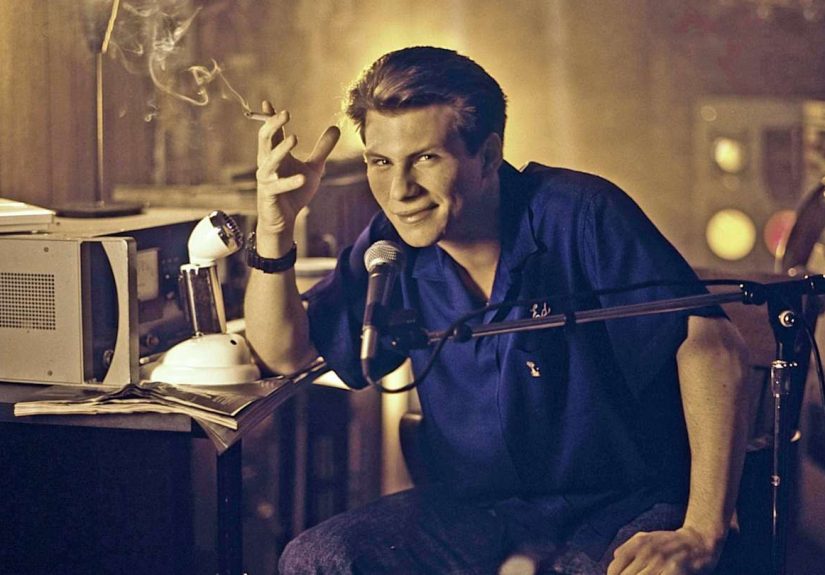
Pump Up the Volume is what happens when teenage loneliness discovers a microphone. Christian Slater plays Mark Hunter, a quiet student who becomes an underground pirate radio voice for bored, angry, invisible classmates. The movie captures a pre-internet world where connection felt rare, secret, and slightly illegal if you were doing it right.
Its Gen X energy is unmistakable: distrust authority, question the script, make your own broadcast, and please do not let adults manage the playlist. The film understands that rebellion is not always loud in public. Sometimes it starts alone in a room, speaking into the dark, hoping someone out there is listening.
6. Slacker (1990)
Directed by: Richard Linklater
Richard Linklater’s Slacker is basically a cinematic wandering conversation, and that is the compliment. Set in Austin, Texas, the film drifts from person to person, catching conspiracy theorists, artists, oddballs, dreamers, and people who seem allergic to conventional employment. There is no traditional plot because the plot is the vibe.
The word “slacker” became glued to Gen X in the early 1990s, sometimes unfairly. But the movie is not simply about laziness. It is about people refusing to accept that productivity is the only proof of existence. It feels handmade, strange, and alive, like a zine that learned how to walk.
7. Singles (1992)
Directed by: Cameron Crowe
Singles is the Seattle apartment-building movie that made flannel look like a philosophical position. Set during the rise of grunge, the film follows young adults stumbling through dating, work, friendship, and identity while the soundtrack does a lot of emotional heavy lifting. It is romantic, messy, and charmingly allergic to smoothness.
As a Gen X film, Singles captures the moment when alternative culture became mainstream enough to sell posters but still felt like a secret handshake. Its characters want connection, but they also want not to look too eager, which is practically a generational sport.
8. Dazed and Confused (1993)
Directed by: Richard Linklater
Although Dazed and Confused is set in 1976, it became essential viewing for Gen X because it looks at youth culture with warmth, humor, and a refusal to over-explain. The film follows students on the last day of school, moving through parties, cars, music, flirting, and the strange rituals of teenage belonging.
Its genius is that it feels casual while being carefully observed. Nobody learns a giant lesson delivered by a violin. People just drift, joke, pose, worry, and try to seem cooler than they feel. In other words, high school. The movie’s relaxed style helped define a kind of hangout cinema that fits Gen X perfectly: low on lectures, high on atmosphere.
9. Reality Bites (1994)
Directed by: Ben Stiller
If one movie walked into the room wearing Doc Martens and said, “Actually, I’m not sure I believe in careers,” it would be Reality Bites. Winona Ryder plays Lelaina Pierce, a recent college graduate trying to make a documentary about her friends while facing lousy jobs, romance, debt, ambition, and the terrifying possibility of becoming the kind of adult she used to make fun of.
The movie has become shorthand for early-1990s Gen X anxiety: the fear of selling out, the frustration of underemployment, and the feeling that sincerity is embarrassing but necessary. Its soundtrack, fashion, and dialogue made it a cultural marker even for people who still debate whether Lelaina made the right romantic choice. Spoiler: the real villain may have been the economy.
10. Clerks (1994)
Directed by: Kevin Smith
Clerks is proof that a movie does not need explosions, movie stars, or a giant budget to become legendary. Shot in black and white and set around a convenience store and video shop, Kevin Smith’s breakthrough follows Dante and Randal through one long day of customers, complaints, pop-culture debates, and retail exhaustion.
Its Gen X greatness lies in its voice. The characters are overeducated for their jobs, underprepared for adulthood, and fluent in sarcasm as a survival language. Clerks captured the feeling of being stuck behind a counter while your brain keeps asking, “Is this it?” It turned minimum-wage boredom into indie-film mythology.
11. Before Sunrise (1995)
Directed by: Richard Linklater
Before Sunrise is one of the most quietly powerful movies of the 1990s. Jesse and Céline meet on a train and spend one night walking through Vienna, talking about love, death, family, dreams, and all the strange thoughts people usually keep hidden until after midnight.
Unlike many romance films, this one does not rely on grand gestures. Its magic is conversation. For Gen X viewers, it captured a deeply familiar tension: wanting intimacy but fearing the trap of expectation. It is romantic without being sugary, philosophical without becoming homework, and intimate without needing fireworks. Basically, it is a perfect movie for anyone who has ever confused a crush with a life thesis.
12. Trainspotting (1996)
Directed by: Danny Boyle
Trainspotting is fast, stylish, funny, bleak, and impossible to ignore. Centered on young people in Edinburgh struggling with addiction, boredom, friendship, and escape, the film became a defining 1990s cultural object thanks to its kinetic editing, unforgettable soundtrack, and raw look at lives lived outside polite society.
Its Gen X relevance comes from its rejection of clean moral packaging. The movie does not glamorize destruction; it shows how seductive and damaging certain choices can become when people feel trapped by class, boredom, or despair. It is not always easy to watch, but it is a major example of 90s cinema turning alienation into electric art.
13. Grosse Pointe Blank (1997)
Directed by: George Armitage
Grosse Pointe Blank asks a question every Gen Xer can appreciate: what if you went to your high school reunion and everyone had become respectable, except you had taken a wildly inappropriate career path? John Cusack plays Martin Blank, a professional hitman returning home for a reunion and a second chance with Debi, played by Minnie Driver.
The film works because it blends romance, action, dark comedy, and nostalgic panic. It understands the horror of reunions: the name tags, the old songs, the forced small talk, the sudden realization that time has been quietly stealing your furniture. Its soundtrack is a Gen X treasure chest, and its humor remains beautifully dry.
14. Fight Club (1999)
Directed by: David Fincher
Fight Club is one of the most debated Gen X movies ever made, partly because people keep misunderstanding it with impressive confidence. Based on Chuck Palahniuk’s novel, the film follows a nameless narrator drowning in consumer culture, insomnia, and spiritual emptiness before meeting Tyler Durden, a charismatic figure who turns frustration into chaos.
The movie’s value is not that it offers a healthy philosophy. It does not. Its value is that it exposes the danger of confusing rebellion with identity and destruction with meaning. As a late-1990s Gen X film, it channels anxiety about masculinity, work, advertising, and emotional numbness. It is stylish, disturbing, and still relevant whenever someone tries to solve a midlife crisis with a leather jacket and bad ideas.
15. The Matrix (1999)
Directed by: Lana Wachowski and Lilly Wachowski
The Matrix arrived at the end of the 1990s like the internet had put on sunglasses and learned kung fu. It follows Neo, a hacker who discovers that reality itself may be a simulation. With its cyberpunk style, philosophical questions, groundbreaking visual effects, and instantly iconic imagery, the film became one of the defining movies of the decade.
For Gen X, The Matrix captured late-century suspicion perfectly. What if the office cubicle was not just boring but metaphysically suspicious? What if everything sold as normal was actually a trap? The movie turned digital-age paranoia into blockbuster entertainment and gave audiences a new language for questioning reality, power, and identity. Also, it made black coats look practical, which they are not, but cinema is allowed to lie beautifully.
What Makes a Movie Truly Gen X?
The best Gen X movies share certain traits. They often distrust institutions, whether that institution is school, work, media, suburbia, consumer culture, or the mysterious adult belief that khakis solve problems. They value irony, but they also hide sincerity underneath it. They love music, especially when the soundtrack seems to understand the characters better than the characters understand themselves.
Gen X cinema also loves outsiders. The loner, the misfit, the underemployed clerk, the pirate-radio kid, the confused graduate, the antihero, the romantic wanderer, and the person who cannot stop making sarcastic comments during emotional moments all belong here. These films do not always promise victory. Sometimes they offer something smaller and more honest: survival, self-awareness, or one good conversation before sunrise.
Personal Viewing Experiences: Why These Movies Still Hit Different
Watching the best Gen X movies today feels a little like opening an old shoebox full of concert tickets, faded photos, and cables you no longer know how to identify. There is nostalgia, sure, but there is also shock. The clothes look familiar and ridiculous. The technology looks ancient and oddly peaceful. Nobody is checking notifications every seven seconds. If someone wants to talk, they have to actually show up, call a landline, leave a message, or stand outside with a boombox like cardio is part of courtship.
The strongest experience these movies offer is not simply “remember the 90s?” It is the feeling of a generation trying to define itself while suspicious of definitions. Reality Bites makes career confusion feel painfully recognizable. Clerks turns dead-end work into a comedy of endurance. Before Sunrise reminds viewers that talking all night with someone can feel more cinematic than a dozen car chases. The Matrix captures the moment when computers stopped being office equipment and became a metaphor for existence itself.
There is also comfort in their imperfections. Some jokes have aged better than others. Some characters are more frustrating as adults than they seemed when we were younger. That is part of the experience. Rewatching Gen X films is like arguing with your younger self across a coffee table covered in cassette tapes. You may still love the attitude, but you can also see the fear hiding behind it.
What stands out most is how emotionally guarded these movies can be. Their characters often dodge sincerity with jokes, quotes, music references, or elaborate coolness rituals. Yet the emotion always leaks through. Cameron in Ferris Bueller’s Day Off is not just nervous; he is quietly breaking open. Veronica in Heathers is not just sarcastic; she is morally awake in a world that rewards cruelty. Dante in Clerks is not just complaining; he is terrified that life is passing him by while he is making change for strangers.
That is why these films keep working. Beneath the flannel, sarcasm, indie soundtracks, and anti-establishment poses, they are about wanting a meaningful life without getting tricked into someone else’s definition of success. They ask whether adulthood has to mean surrender. They ask whether love can survive ambition, whether friendship can survive disappointment, and whether rebellion means anything if it becomes another costume.
For modern viewers, these movies are more than retro entertainment. They are reminders of a time when people felt overwhelmed before smartphones, underemployed before gig apps, and suspicious of media before every object in the house started asking for a password. In other words, Gen X cinema may look vintage, but its emotional operating system still runs surprisingly well.
Conclusion
The 15 best Gen X movies of all time are not connected by one genre. They include teen comedy, indie drama, romance, satire, action, science fiction, and dark psychological storytelling. What connects them is attitude: skeptical, funny, bruised, restless, and secretly sincere. From The Breakfast Club to The Matrix, these films captured a generation raised between analog childhood and digital adulthood, between rebellion and rent, between “whatever” and “wait, this actually matters.”
Whether you are revisiting these movies or discovering them for the first time, they offer more than nostalgia. They show how Generation X processed identity, work, friendship, love, media, and the weird business of becoming an adult when nobody handed out instructions. And honestly, if there had been instructions, Gen X probably would have rolled its eyes and made a mixtape about it.