Table of Contents >> Show >> Hide
- Why Double-Crust Pie Demands Better Pastry
- The Real Winner: A Flaky Short Pastry With Cold Fat and Restraint
- Butter vs. Shortening vs. Lard: Which Fat Makes the Best Pastry?
- What Makes a Double-Crust Pie Pastry Truly Great?
- The Best Ingredient Formula for Double-Crust Pie
- Best Pastry for Different Double-Crust Pies
- How to Make the Best Pastry for Double-Crust Pie
- Mistakes That Ruin Double-Crust Pastry
- So, What Is the Best Pastry for Double-Crust Pie?
- Real-World Baking Experiences: What This Looks Like in Actual Kitchens
- Conclusion
- SEO Tags
Double-crust pie is one of baking’s greatest flexes. It has a bottom crust, a top crust, and absolutely no patience for weak pastry. A single-crust pie can get away with being merely decent. A double-crust pie cannot. It needs a dough that rolls well, bakes flaky, tastes rich, holds juicy filling without turning into wallpaper paste, and still looks gorgeous enough to make people “accidentally” cut oversized slices.
So what is the best pastry for double-crust pie? For most home bakers, the answer is a flaky, tender short pastry made with cold fat, minimal mixing, and enough structure to support both the top and bottom crust. If flavor is your north star, an all-butter pastry is hard to beat. If you want the best balance of flavor, flakiness, and easy handling, a butter-and-shortening pastry often wins for double-crust pies. In other words, the best pastry is not the one that sounds fancy. It is the one that survives a rolling pin, a juicy filling, and your kitchen’s chaos with dignity.
Why Double-Crust Pie Demands Better Pastry
A double-crust pie is more demanding than an open-faced tart or a crumb-topped pie. The bottom crust has to resist sogginess, while the top crust needs to brown beautifully, puff in layers, and vent steam without cracking into sad little fault lines. That means the dough has to do more than taste good. It has to perform.
The ideal double-crust pastry should be:
- Flaky, with visible layers rather than a dense, cracker-like bite.
- Tender, not tough or chewy.
- Easy to roll, so it does not tear, glue itself to the counter, or test your moral character.
- Sturdy enough to hold fillings like apple, peach, cherry, or chicken pot pie.
- Rich in flavor, because the crust is half the pie, not decorative packaging.
That mix of needs explains why bakers are forever debating butter versus shortening versus lard. Each fat changes the pastry’s texture, flavor, and workability. The “best” choice depends on what kind of result you care about most.
The Real Winner: A Flaky Short Pastry With Cold Fat and Restraint
If there is one universal truth in pie baking, it is this: the best pastry for double-crust pie is a flaky short pastry made with cold ingredients and a light hand. Not a warm dough. Not a heavily kneaded dough. Not a dough mixed until it looks smooth and proud of itself. Smooth is for bread. Pie dough likes to look a little rough around the edges.
That roughness is exactly what creates flaky layers. Small pieces of cold fat stay intact in the dough. In the oven, those bits melt and release steam, separating the dough into delicate layers. That is what turns an ordinary crust into a glorious, shattery, golden top.
So while ingredient debates matter, technique matters just as much. You can use excellent butter and still end up with a sad crust if you overmix, overwater, or skip chilling. Pie dough is not dramatic, but it does hold grudges.
Butter vs. Shortening vs. Lard: Which Fat Makes the Best Pastry?
All-Butter Pastry
All-butter pastry is the favorite for many bakers because it delivers the richest flavor. Butter also helps create beautiful layers and deep golden color. If your dream pie smells incredible before anyone even takes a bite, butter is doing heavy lifting.
For fruit pies like apple, blueberry, or peach, all-butter pastry is a wonderful choice because the flavor complements sweet fillings without overshadowing them. It also gives the finished crust that classic bakery look: bronzed, crisp, and just rustic enough to seem charming instead of stressful.
The downside is that butter melts faster than shortening. That makes all-butter dough more sensitive to warm hands, warm kitchens, and overconfidence. It can be slightly trickier to roll, especially for beginners.
Butter-and-Shortening Pastry
If this were a pie-crust election, the butter-and-shortening blend would win the suburban vote. It is practical, reliable, and very good under pressure. Butter gives the pastry flavor and flakiness, while shortening brings tenderness, structure, and easier handling. Because shortening has a higher melting point, the dough stays workable longer and often holds decorative edges better.
For a classic double-crust pie, this blend is often the best all-around option. It rolls more easily than all-butter dough, bakes up flaky, and performs especially well when you need a top crust, a bottom crust, and maybe a lattice if you are feeling ambitious.
This style of pastry is especially useful for deeply filled fruit pies, holiday pies, and any pie you need to transport without arriving with a cracked top and a bruised ego.
Lard Pastry
Lard makes an exceptionally flaky crust and has a long history in traditional pie baking. It can be fantastic in savory pies, meat pies, and certain old-fashioned fruit pies. But its flavor can be more noticeable, and many home bakers simply do not keep high-quality lard on hand.
For modern everyday baking, lard is less common than butter or shortening. It is effective, but it is not the easiest default recommendation for most home kitchens.
The Verdict
If you want the most flavorful pastry, choose all-butter pie dough. If you want the most dependable pastry for a classic double-crust pie, choose a butter-and-shortening blend. That is the sweet spot for many bakers because it delivers flavor, flakiness, and easier handling in one dough.
What Makes a Double-Crust Pie Pastry Truly Great?
1. Very Cold Ingredients
Cold butter, cold shortening, and ice water are not optional details. They are the reason flaky pastry exists. Warm fat blends too fully into the flour, and then your crust loses the distinct layers that make it magical.
2. Minimal Mixing
The goal is to hydrate the flour without overdeveloping gluten. Too much mixing makes pastry tough. You want the dough just combined, with visible pieces of fat still tucked throughout.
3. Enough Water, but Not Too Much
Pie dough should hold together when pressed, not feel wet or sticky. Too little water makes the dough crack and crumble. Too much turns it gummy and dense. This is one of those “feel” skills bakers learn over time, like knowing when avocados are either perfect or plotting against you.
4. Resting Time
Chilling the dough before rolling helps the fat firm up and allows the flour to hydrate evenly. Resting also relaxes the gluten, so the dough is less likely to shrink in the pan.
5. A Good Roll-Out Texture
The best pastry for double-crust pie should roll out without major drama. A few cracks are normal. Full emotional collapse is not. If the dough is too hard, let it soften briefly. If it is sticky, chill it again. Pie dough rewards calm adjustments far better than panic flouring.
The Best Ingredient Formula for Double-Crust Pie
Most successful double-crust pastries are built from a simple base:
- All-purpose flour
- Salt
- A little sugar, depending on the pie
- Cold butter, or butter plus shortening
- Ice water
- Optional vinegar, lemon juice, or vodka in some recipes for tenderness and handling
For sweet fruit pies, a small amount of sugar in the dough can help with browning and flavor. For savory pies, skip the sugar or keep it very low. Some bakers also like a bit of vinegar or chilled vodka because it can help the dough come together while limiting toughness. These are useful tools, not mandatory magic tricks.
If the goal is the best all-purpose pastry for double-crust pie, a practical formula is one that leans butter-forward for flavor, then adds enough shortening to improve stability. That gives you a crust that tastes homemade in the best possible way, yet still cooperates when you need to transfer the top layer over a mound of juicy apples.
Best Pastry for Different Double-Crust Pies
Apple Pie
Apple pie loves a flaky, sturdy crust. A butter-and-shortening pastry is excellent here because the filling is heavy and releases moisture during baking. All-butter also works beautifully if kept cold and handled carefully.
Cherry Pie
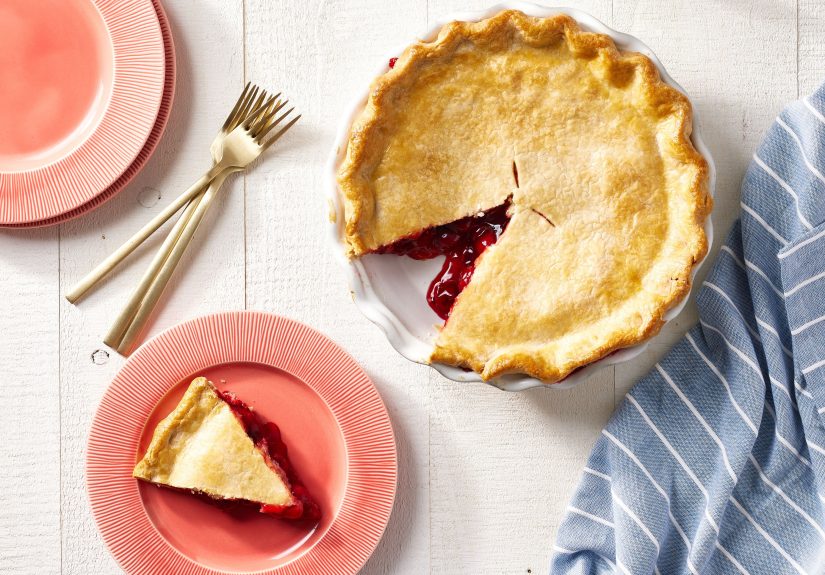
Cherry filling can be juicy and intense, so structure matters. A blend pastry is a smart choice if you want clean slices and a reliable bottom crust.
Peach or Berry Pie
These pies are delicious but often wetter than expected. Choose a dough with enough strength to avoid sogginess, and consider a metal pie pan and proper venting for better browning.
Chicken Pot Pie
Savory double-crust pies benefit from a tender but substantial pastry. Butter-and-shortening or butter-and-lard dough works very well because it stays flaky without becoming fragile.
How to Make the Best Pastry for Double-Crust Pie
- Mix the dry ingredients first. Whisk flour, salt, and sugar if using.
- Cut in cold fat. Leave a mix of pea-size and slightly larger pieces for texture.
- Add ice water gradually. Stir just until the dough begins to clump.
- Divide into two disks. One for the bottom crust, one for the top.
- Chill thoroughly. At least 1 hour is ideal.
- Roll from the center outward. Turn the dough as you go to prevent sticking.
- Fill and top the pie. Trim, crimp, and vent the top crust.
- Use egg wash if desired. It boosts color and shine.
- Bake fully. A pale pie is usually an underbaked pie wearing a disguise.
Mistakes That Ruin Double-Crust Pastry
- Using warm butter: goodbye, flakes.
- Adding too much water: hello, toughness.
- Overworking the dough: you are making pie, not training for arm day.
- Skipping the chill: the dough becomes sticky and harder to shape.
- Underbaking: the crust may look done on top while staying pale and soft underneath.
- Not venting the top crust: trapped steam can burst through randomly and create uneven baking.
So, What Is the Best Pastry for Double-Crust Pie?
The best pastry for double-crust pie is a flaky short pastry made with cold ingredients and handled gently. For the best flavor, go with all-butter pastry. For the best all-around performance, especially if you want a crust that is easier to roll and sturdy enough for juicy fillings, choose a butter-and-shortening pastry.
That answer may sound slightly unfair because it gives you two winners, but pie crust is like that. It does not believe in one-size-fits-all perfection. It believes in context. For a showstopping apple pie at Thanksgiving, a butter-and-shortening dough is hard to beat. For a deeply flavorful rustic berry pie, all-butter can absolutely steal the show.
Either way, the secret is not just the ingredient list. It is the method: keep everything cold, mix lightly, chill the dough, and bake until the crust is genuinely golden. The best pastry is the one that tastes rich, flakes apart beautifully, and makes the filling feel like it found its soul mate.
Real-World Baking Experiences: What This Looks Like in Actual Kitchens
Anyone who bakes enough double-crust pies eventually collects the same set of kitchen memories. The first is usually the overconfident all-butter pie crust made on a warm afternoon. It starts beautifully. The dough feels luxurious. You think, “I was born for this.” Ten minutes later it is sticking to the counter, clinging to the rolling pin, and forcing you to say words that do not belong in a dessert recipe. That experience teaches a fast, unforgettable lesson: cold matters more than optimism.
Then comes the pie made with a butter-and-shortening blend, and suddenly the whole process feels less chaotic. The dough is more forgiving. It lifts more cleanly. It drapes over the pie dish without tearing in six emotionally significant places. For many bakers, this is the moment double-crust pie starts feeling fun instead of like a televised stress challenge.
There is also the classic soggy-bottom episode. The top crust looks gorgeous, deeply golden and glossy from egg wash, while the bottom crust turns out soft and damp because the filling was too loose or the pie came out of the oven too soon. After that, bakers become a lot more serious about thickening fruit fillings, venting the top crust, using the right pan, and actually baking until the bottom crust is done instead of trusting appearances. Pie has a way of exposing impatience.
Another common experience is discovering that ugly pie can still taste amazing. Maybe the lattice slides sideways. Maybe the crimping looks like it was done during turbulence. Maybe cherry filling bubbles over and caramelizes onto the baking sheet like sweet lava. And yet the pastry is flaky, the filling is balanced, and everyone at the table goes quiet after the first bite. That is when bakers learn an important truth: beautiful pie is lovely, but delicious pie is the real victory.
Over time, people also learn their own preferences. Some fall hard for all-butter pastry because the flavor is unbeatable and worth the extra effort. Others stay loyal to a butter-and-shortening dough because it behaves better and delivers reliable results during holidays, when there are already twelve other things demanding attention. The best pastry often becomes the one that fits your kitchen, your climate, your patience level, and the kind of pie you bake most often.
That is the charm of double-crust pie. It is technical, yes, but it is also personal. The dough teaches you what it needs. Your rolling pin becomes less of a weapon and more of a partner. Eventually, you stop chasing some mythical perfect crust and start making a pastry that is flaky, flavorful, and unmistakably yours. And that is usually when the best pies begin.
Conclusion
If you want the short answer, here it is: the best pastry for double-crust pie is a flaky short pastry made with cold ingredients, minimal mixing, and enough structure to hold both top and bottom crusts. All-butter dough wins on flavor. A butter-and-shortening blend often wins on all-around performance. Choose the one that matches your priorities, keep it cold, and let the oven do the rest. Because when the pastry is right, double-crust pie stops being just dessert and starts becoming a very persuasive argument for second helpings.