Table of Contents >> Show >> Hide
- What Is the “Psycho” Mask?
- Why the Borderlands Psycho Mask Became So Popular
- The Maker Appeal: Why DIY Fans Love This Project
- Design Breakdown: What Makes the Mask Look So Good?
- Safety Matters More Than Scares
- DIY vs. Buying a Psycho Mask
- How to Style a Borderlands Psycho Costume
- Why This Mask Is More Than a Halloween Gimmick
- Common Mistakes to Avoid
- Experiences Related to “This Mask Will Make You A Psycho”
- Conclusion
Note: In this article, “Psycho” refers to the fictional masked enemy style from the Borderlands video game universe and cosplay culture. It is not used as a real-world mental health label.
Every great cosplay starts with one dangerous sentence: “I could totally make that.” One minute you are casually admiring a video game character, and the next you are surrounded by plaster dust, paint brushes, LED wires, sanding scraps, and the quiet realization that your kitchen table has become a low-budget prop studio. That is the chaotic magic behind This Mask Will Make You A Psycho, a title that points straight to the wild, glowing-eyed, battle-worn mask made famous by the Borderlands franchise.
The Borderlands Psycho mask is not just another Halloween face covering. It is a pop-culture symbol: part wasteland armor, part comic-book villain, part “I definitely found this in a radioactive junkyard.” The mask’s cracked white surface, exaggerated vents, dark lenses, leather straps, and menacing silhouette make it instantly recognizable to gamers and cosplay fans. It is creepy, funny, dramatic, and strangely charminglike a raccoon wearing motorcycle goggles and yelling about loot.
But behind the attitude is a surprisingly thoughtful maker project. A good Psycho mask needs shape, comfort, visibility, ventilation, durability, and enough visual punch to look cool in photos. It also needs safety planning, because any mask that blocks your sight, traps heat, or shines lights too close to your eyes can turn a fun costume into a very awkward evening. Let’s break down why this mask works, what makes it iconic, and how fan-made props like it became such a big part of modern cosplay culture.
What Is the “Psycho” Mask?
The Psycho mask comes from Borderlands, the looter-shooter series known for its cel-shaded art style, absurd humor, post-apocalyptic desert worlds, and characters who look like they were designed during an energy drink thunderstorm. The Psycho enemy is one of the franchise’s most recognizable figures. Even people who have never played the games may recognize the white mask, dark circular eye areas, leather strap details, and aggressive scavenger look.
Unlike a clean superhero helmet or a polished sci-fi visor, the Psycho mask is supposed to look rough. It should feel handmade, damaged, and a little unstablein the fictional, theatrical sense. Scratches, chipped paint, fake grime, uneven edges, and weathered straps are features, not flaws. If your mask looks like it survived a desert chase, a vending machine explosion, and three questionable life choices, congratulations: you are on brand.
Why the Borderlands Psycho Mask Became So Popular
The mask works because it communicates character instantly. A strong costume does not need a paragraph of explanation. The moment someone sees the Psycho mask, they understand the vibe: loud, chaotic, dangerous-looking, and cartoonishly over-the-top. That instant recognition is gold for cosplay, Halloween parties, gaming conventions, fan films, and photo shoots.
It Has a Simple but Memorable Shape
Great prop design often depends on silhouette. The Psycho mask has a bold face shape with strong eye areas and a mouth section that often resembles a respirator, fan, or mechanical vent. Even if the details change from one version to another, the overall form remains recognizable. That makes it friendly for DIY creators because there is room for interpretation.
It Looks Better When It Looks Worse
Most costume projects punish mistakes. A glossy helmet shows every fingerprint. A smooth superhero mask exposes every sanding error. The Psycho mask is kinder. Uneven paint can become weathering. A scratch can become battle damage. A slightly crooked strap can look intentional. This is the rare project where “oops” can be upgraded to “lore.”
It Combines Gaming, Horror, and Maker Culture
The mask sits at the intersection of three fan favorites: video games, Halloween, and DIY prop building. That makes it especially appealing to makers who enjoy turning everyday materials into something dramatic. Plaster, foam, resin, 3D prints, old lenses, fake leather, mesh, and LED lights can all become part of the build. The result is not just a costume piece; it is a tiny engineering puzzle with cheekbones.
The Maker Appeal: Why DIY Fans Love This Project
The phrase This Mask Will Make You A Psycho became memorable because the project behind it showed the spirit of fan-made prop building. A creator can start with a rough face form, build up the surface, shape the details, add lenses, install glowing eyes, and finish everything with paint and straps. It is the kind of project that rewards patience more than expensive tools.
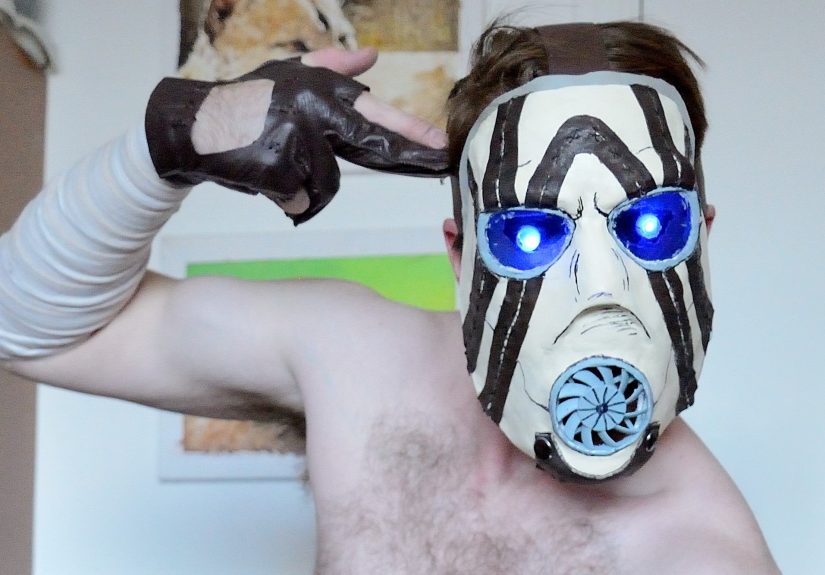
One fan-made version used plaster, blue LEDs, a simple switch and battery pack, lenses, leather straps, and even a modified 60mm computer fan as part of the mask’s mouth area. That is classic maker thinking: take familiar parts from one world and give them a new job in another. A PC fan normally cools electronics; in a cosplay mask, it becomes a visual centerpiece that suggests machinery, breathing gear, and post-apocalyptic weirdness.
Of course, the fan is more about style than true respiratory protection. A costume mask is not a certified respirator, and it should never be treated like one. But visually, that fan detail is brilliant. It gives the mouth area depth and makes the mask feel like scavenged hardware from a fictional wasteland. In a universe where everything looks repaired with duct tape and bad decisions, that is exactly the right energy.
Design Breakdown: What Makes the Mask Look So Good?
The Eyes
The eyes are the emotional engine of the mask. Dark lenses make the wearer look mysterious, while glowing LEDs create a more intense, supernatural effect. Blue or white lights can make the mask pop in low-light photos, but they must be diffused and positioned carefully. Bright LEDs shining directly into the wearer’s eyes are uncomfortable and can reduce visibility. A smart design softens the light, hides the wiring, and leaves enough space to see.
The Mouth Vent
The mouth area is one of the most important visual elements. Some creators use mesh, plastic vents, foam details, or modified fan parts. The goal is to suggest a rough breathing apparatus without creating a mask that is hard to breathe through. This is where style and comfort must cooperate. A mask may look amazing on a mannequin, but if the wearer can only tolerate it for seven minutes, the design needs work.
The Surface Texture
The Psycho mask should not look factory fresh. A layered paint job helps: a pale base color, darker washes in cracks and edges, dry brushing on raised surfaces, and small scratches for age. Fake grime around vents, straps, and edges can add realism. The trick is restraint. Too little weathering looks plain; too much looks like the mask was dipped in barbecue sauce and regret.
The Straps
Leather or faux-leather straps add both function and attitude. They help hold the mask in place and create the rugged scavenger look. Adjustable straps are especially useful because convention days are long, heads are different shapes, and no one wants a mask that slides down during a photo. A secure fit also prevents the mask from blocking vision unexpectedly.
Safety Matters More Than Scares
A dramatic mask is fun. A dramatic mask that lets you breathe, see, walk, and avoid bumping into furniture is better. Costume safety should never be treated as boring paperwork. It is what lets you enjoy the costume for more than one selfie.
Visibility Comes First
Any full-face mask can limit peripheral vision. That matters at Halloween events, conventions, parties, staircases, parking lots, and crowded sidewalks. The eye openings or lenses should allow a clear forward view and enough side awareness to move safely. If the mask looks perfect but turns the world into a tiny blurry tunnel, it is not finished.
Ventilation Is Not Optional
Costume masks can get hot quickly. Paint, plaster, resin, plastic, foam, and sealed lenses can trap heat and moisture. Good ventilation holes around the nose and mouth area make a big difference. If you add decorative fans or vents, remember that they do not automatically make the mask safe to wear for long periods. Test the mask at home for short sessions before wearing it in public.
Use Safe Materials
Plaster, resin, adhesives, paints, and sanding dust all require care. Work in a ventilated area, protect your eyes and skin, and avoid breathing dust. If you are shaping or sanding hardened material, use appropriate protective gear and clean up dust properly. For face-shaped projects, many builders prefer working from a mannequin head, face cast, or 3D model rather than applying heavy materials directly to skin.
Be Careful With Lights
LEDs can look incredible, but they should not blast light into your eyes. Diffusion helps soften the glow. Battery packs should be secured, insulated, and easy to switch off. Wires should not rub against skin or dangle near the mouth. The best electronics in cosplay are the ones you forget about because they work quietly, safely, and without turning your face into a troubleshooting forum.
DIY vs. Buying a Psycho Mask
There are two main paths: make your own or buy one. Both are valid. DIY gives you full control over shape, weathering, fit, and personality. Buying can save time and may provide cleaner symmetry or stronger materials. The right choice depends on your budget, timeline, skill level, and tolerance for sanding.
If you build the mask yourself, you can customize every detail. Maybe you want a darker horror version, a cleaner game-accurate look, a cracked desert style, or a funny party version with exaggerated glowing eyes. DIY also gives you a story. People love asking, “Where did you get that?” and nothing feels better than answering, “I made it,” while pretending you did not panic halfway through the paint stage.
If you buy one, focus on comfort and safety. Look for good visibility, breathable design, secure straps, and materials that are suitable for wear. Some decorative masks are better for display than long-term use. A collector’s item may look amazing on a shelf but feel heavy or awkward on your face. Read product descriptions carefully and remember that “screen accurate” does not always mean “comfortable at a crowded event.”
How to Style a Borderlands Psycho Costume
The mask is the star, but the outfit completes the character. A Borderlands-inspired Psycho look usually works best with distressed clothing, rugged textures, fake bandages, belts, boots, gloves, and cel-shaded details. The art style of the games uses bold outlines and comic-book shadows, so many cosplayers add black linework to clothing, props, and skin-safe makeup to mimic that illustrated look.
A simple costume can still be effective. Pair the mask with weathered pants, boots, fingerless gloves, and a rough vest or harness. Add painted outlines and fake dirt for the Borderlands effect. Keep props soft, lightweight, and convention-safe. The goal is to look like you stepped out of Pandora, not to make security raise an eyebrow from across the room.
Why This Mask Is More Than a Halloween Gimmick
The Psycho mask represents something bigger than one costume. It shows how fan culture turns digital design into physical creativity. A game artist designs a character. Players connect with the look. Makers reinterpret it using real materials. Other fans photograph, modify, remix, and improve it. Suddenly, an enemy mask from a video game becomes a community project.
That is the best part of cosplay. It is not just dressing up. It is problem-solving, storytelling, crafting, painting, engineering, performing, and occasionally discovering that hot glue has attached itself to your sleeve. The finished mask carries the memory of every experiment: the first rough shape, the sanding mistakes, the paint tests, the strap adjustments, and the moment the lights finally turn on.
Common Mistakes to Avoid
Making the Mask Too Heavy
A heavy mask feels impressive for the first five minutes and exhausting after that. Use lightweight materials whenever possible. Balance matters too. If the front is much heavier than the back, the mask may pull downward and strain your neck.
Ignoring the Fit
A mask that fits poorly can slide, pinch, fog up, or block your vision. Add padding where needed and test the mask while moving, talking, and turning your head. A comfortable fit is not a luxury; it is the difference between wearing the costume and carrying it around like a sad trophy.
Overdoing the Weathering
Weathering should tell a story. Scratches should appear where scratches would happen. Dirt should collect in edges, seams, vents, and low spots. Random smears everywhere can make the mask look messy instead of realistic.
Forgetting Photos
Cosplay lives in person, but photos help preserve the work. Test the mask under different lighting. Some details that look great up close disappear on camera, while LEDs that look subtle in person may become glowing laser suns in photos. Adjust before the big event.
Experiences Related to “This Mask Will Make You A Psycho”
The experience of wearing a Psycho-style mask is different from simply looking at it on a table. On the table, it is a prop. On your face, it becomes a character. The first thing you notice is how much your posture changes. You stand a little wider. You tilt your head differently. You suddenly understand why masked characters in games and movies move like they have theme music playing behind them.
The second thing you notice is how practical details become very real, very fast. Visibility feels fine in your room, then you walk into a dim hallway and realize peripheral vision is precious. Ventilation feels acceptable for a quick mirror test, then the room gets warm and you understand why small breathing holes matter. A strap that seemed secure at home may loosen after a few minutes of movement. These are not failures; they are part of the costume’s field test.
At a party or convention, the mask becomes a conversation magnet. People recognize the Borderlands reference, ask how it was made, or want a photo. Even people unfamiliar with the game may react to the glowing eyes or rugged design. That reaction is one of the biggest rewards of cosplay. You get to share not only the finished object but also the process behind it: the materials, the mistakes, the late-night fixes, and the tiny victories.
One of the best experiences is watching the mask improve over time. The first version may be rough. The paint may be too clean, the straps too loose, or the eyes too bright. Then you adjust it. You add padding. You darken the cracks. You soften the LEDs. You repaint the edges. The mask slowly becomes more believable, and you become more confident as a maker. That progress is addictive in the best way.
There is also a performance element. A Psycho mask invites exaggeration, but the smartest version is playful rather than disruptive. A good cosplayer understands the difference between being in character and making other people uncomfortable. You can pose dramatically, use funny gestures, and bring chaotic Borderlands energy without blocking walkways, startling strangers, or acting aggressively. The best cosplay gets attention because it is creative, not because it causes problems.
For many fans, the mask also becomes a display piece after the event. It sits on a shelf, a mannequin head, or a wall hook, reminding you of the build. Every scratch and repair has a memory attached. Maybe the left strap exists because the first one snapped. Maybe the weathering around the eye came from covering a sanding mistake. Maybe the glow is dimmer than planned because comfort won over drama. That history gives the prop personality.
The real lesson behind This Mask Will Make You A Psycho is not that a mask transforms who you are. It is that a strong prop can pull you into a world. It can make a game feel physical, make a costume feel complete, and make a maker feel proud. With the right balance of creativity, safety, and humor, the Psycho mask becomes more than a scary face. It becomes a badge of fan craftsmanshipslightly dusty, probably over-engineered, and absolutely worth the effort.
Conclusion
This Mask Will Make You A Psycho is a perfect example of why cosplay and maker culture fit so well together. The Borderlands Psycho mask is bold, recognizable, and forgiving enough for creative experimentation. Its rough edges, glowing eyes, worn straps, and mechanical details make it ideal for fans who want a costume with personality.
Still, the best version of the mask is not only the coolest-looking one. It is the one you can wear safely. Good visibility, ventilation, secure straps, lightweight construction, careful lighting, and smart material choices matter as much as paint and weathering. Build it well, test it carefully, and treat comfort as part of the design.
In the end, the Psycho mask works because it captures the spirit of Borderlands: loud, strange, funny, dangerous-looking, and wildly creative. Whether you make it from scratch, modify a purchased version, or simply admire the craftsmanship, it proves that a great mask can turn a fictional enemy into a real-world work of artminus the actual mayhem, thankfully.