Table of Contents >> Show >> Hide
- The Real Story Behind the Two Gay Vultures
- Why Same-Sex Pair Bonds Happen in Animals
- Meet the Griffon Vulture: Not Just a Flying Garbage Disposal
- What Made the Vulture Dads So Good at Parenting?
- Why Zoos Sometimes Use Foster Parents
- Same-Sex Animal Parenting Is More Common Than People Think
- What This Story Teaches Us About Nature
- Why Vultures Deserve Better PR
- What Happened After the Egg Hatched?
- Experience-Based Reflections: Why This Story Stays With People
- Conclusion
Some love stories begin with roses, candlelight, and a slightly nervous dinner reservation. This one began with an abandoned egg on the floor of a vulture aviary. Not exactly a rom-com opening, unless your idea of romance includes feathers, carrion, and two very determined griffon vultures who looked at a fragile egg and apparently thought, “Yes. We can raise that.”
The story of two gay vultures hatching an abandoned egg together at ARTIS Amsterdam Royal Zoo became one of those rare animal-news moments that feels both adorable and scientifically interesting. Two male griffon vultures, already known by their keepers as a long-term pair, had built a nest together. When zoo staff found an abandoned egg in the aviary, they first placed it in an incubator. Later, they made a bold decision: they gave the egg to the male pair.
The vultures did not treat the assignment like a weekend babysitting gig. They took turns sitting on the egg, guarded it, and eventually hatched a chick. In other words, these two feathered dads did the work. No speeches, no parenting podcasts, no “ten things I wish I knew before becoming a vulture father.” Just patience, instinct, and a lot of sitting very still.
The Real Story Behind the Two Gay Vultures
The famous case took place in 2017 at ARTIS Amsterdam Royal Zoo in the Netherlands. The birds were griffon vultures, also known as Eurasian griffon vultures, a large Old World species with broad wings, pale heads, and the kind of intense stare that makes you feel judged for not recycling properly.
According to reports from the time, the two male vultures had already formed a strong pair bond. They nested together, behaved like a breeding pair, and had been together for years. There was only one small biological problem: neither could lay an egg. This is where the abandoned egg entered the story like a tiny oval plot twist.
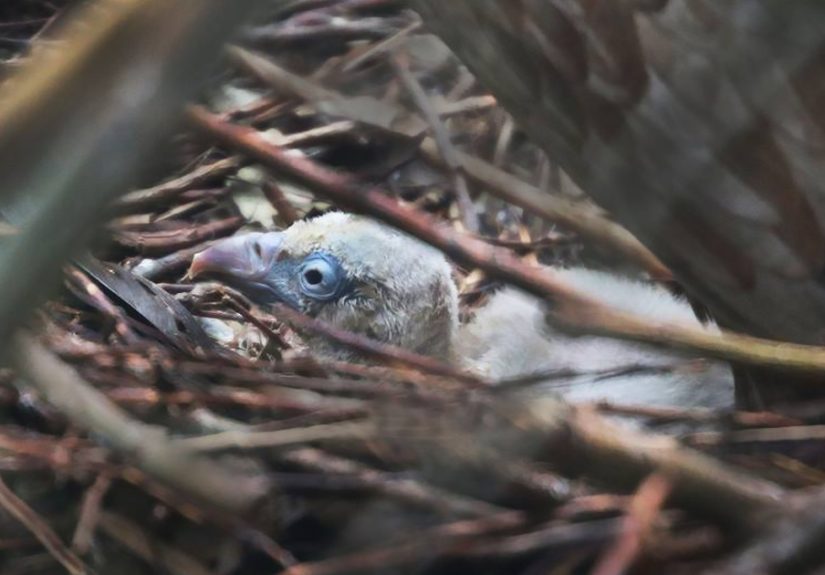
Zoo staff found the egg outside a nest, where it was unlikely to survive. After initially protecting it in an incubator, they placed it in the nest built by the two males. The pair accepted the egg and incubated it naturally. When the chick hatched, the two vultures continued caring for it, feeding and protecting it like experienced parents.
That is why the story traveled so widely. It was not simply “two male birds stand near egg.” It was a complete parental sequence: bonding, nesting, incubation, hatching, and chick care. For a species with slow reproduction, high parental investment, and conservation importance, that is not a small achievement. It is a big deal wearing a feather coat.
Why Same-Sex Pair Bonds Happen in Animals
Same-sex animal behavior is not new, unnatural, or especially rare. Scientists have documented same-sex courtship, pair bonding, parenting behavior, and social bonding across many animal groups, including birds, mammals, fish, insects, and reptiles. Nature, as usual, did not ask for permission before being more complicated than a bumper sticker.
In birds, same-sex pairs have been observed in penguins, albatrosses, swans, flamingos, and other species. Some pairs build nests. Some incubate eggs. Some care for chicks. Sometimes they do this in zoos, where keepers can observe the behavior closely. Sometimes similar behaviors are recorded in the wild, though wild observation is much harder because birds refuse to fill out paperwork.
Scientists are careful with language. Calling animals “gay” is a human shorthand, not a perfect scientific label. Animals do not describe their identity the way people do. Researchers usually refer to “same-sex behavior,” “same-sex pair bonding,” or “same-sex parenting.” Still, the phrase “gay vultures” became popular because it quickly communicates the heart of the story: two male vultures formed a committed pair and successfully raised a chick.
Meet the Griffon Vulture: Not Just a Flying Garbage Disposal
Griffon vultures are often misunderstood. Many people see vultures and think, “Ah yes, the cleanup crew of doom.” But vultures are among the most useful birds on Earth. They remove carcasses from landscapes, reduce the spread of disease, and recycle nutrients back into ecosystems. They are nature’s sanitation department, except they work without uniforms and have much better wingspans.
The Eurasian griffon vulture, scientifically known as Gyps fulvus, is a large scavenging bird found across parts of Europe, North Africa, and Asia. Like many large vultures, it has strong soaring abilities and can travel great distances while searching for food. Its bare head is not a fashion accident; it helps keep the bird cleaner while feeding.
These vultures also reproduce slowly. Large vultures often lay only one egg at a time, and incubation can take weeks. After hatching, a chick needs long-term care. That makes every successful chick meaningful, especially for conservation programs and managed populations. When the two male vultures hatched the abandoned egg, they were not only starring in a heartwarming story. They were helping a young bird survive.
What Made the Vulture Dads So Good at Parenting?
Parenting in birds is often about behavior, not gender. If an animal has the instinct to build, guard, incubate, and feed, it may be able to parent successfully when given the right opportunity. In this case, the two male vultures had already shown strong nesting behavior. The nest was ready. The bond was strong. The egg needed parents. The zoo staff saw the match and gave nature a helpful nudge.
They Had Already Built a Nest
A nest is not just a pile of sticks with delusions of grandeur. For birds, nest building is part of reproductive behavior. It signals readiness, territory, and pair coordination. The two male vultures had built their nest together, showing that they were already acting like a breeding pair before the egg arrived.
They Shared Incubation Duties
Incubating an egg requires warmth, patience, and protection. The male pair took turns sitting on the egg until it hatched. That division of labor matters because eggs need steady conditions. One careless afternoon can ruin the whole project. These vultures did not treat the egg like a decorative rock. They treated it like a future chick.
They Continued Caring After Hatching
The most important part came after the shell cracked. Hatching is not the finish line. It is more like the opening scene of a demanding sequel. The chick needed food, warmth, and defense. The two male vultures reportedly continued feeding and caring for the baby, proving that their parenting was not a one-day miracle but an ongoing commitment.
Why Zoos Sometimes Use Foster Parents
Zoos and conservation centers sometimes rely on foster parenting when an egg or chick is abandoned, neglected, or at risk. This can happen for many reasons: inexperienced parents, disturbance, poor nest placement, or competition inside an aviary. In some cases, human keepers use incubators. In others, they give the egg to birds already showing strong parental behavior.
Foster parenting is not a cute gimmick. It can be an important animal-care tool. Birds often do better when raised by birds of their own species because they learn natural behaviors and social cues. Human care can save lives, but animal parents can provide something more instinctive and species-specific. In plain English: sometimes the best babysitter is another vulture.
The ARTIS case worked because the keepers observed the birds closely. They did not randomly drop an egg into a nest and hope for a Disney ending. They knew the pair’s history, saw their nesting behavior, and made a decision based on animal welfare. The result was a rare and beautiful example of human care supporting natural behavior.
Same-Sex Animal Parenting Is More Common Than People Think
The gay vulture dads are not the only same-sex animal pair to become famous for parenting. Male penguin pairs have hatched and raised chicks in zoos. Same-sex flamingo pairs have cared for eggs. Female albatross pairs have been observed nesting together in the wild. These stories keep going viral because they surprise people, but the biology behind them is not shocking to animal behavior experts.
Birds, especially social birds, often form strong bonds. In many species, pair cooperation is essential. If two individuals coordinate well, build well, defend well, and respond properly to an egg or chick, they may function as capable parents. Reproduction may require male and female biology, but parenting behavior can be more flexible.
That flexibility matters. In a crowded colony or managed aviary, an abandoned egg may get a second chance if another pair is willing to care for it. The vultures did not need a public debate. They needed an egg, a nest, and the instinct to protect what was placed in front of them.
What This Story Teaches Us About Nature
The story of two gay vultures hatching an abandoned egg together is charming, but it also teaches a bigger lesson: nature is not as narrow as people often imagine. Animal behavior is full of variation. Some pair bonds are male-female. Some are same-sex. Some are lifelong. Some are seasonal. Some are practical. Some are mysterious. Nature has never been famous for reading our rulebooks.
It also reminds us that parenting is behavior in action. The chick survived because two birds cared for it consistently. They warmed the egg, protected the nest, and fed the hatchling. In the world of vultures, that is love written in practical terms. Not poetry, perhaps, unless your poetry includes regurgitated meals. But still: care is care.
Why Vultures Deserve Better PR
Vultures have a reputation problem. They are associated with death, deserts, bad omens, and cartoon villains. But if vultures had a marketing team, their slogan would be simple: “You’re welcome.” These birds clean up carcasses that could otherwise spread disease. They reduce waste. They help maintain healthier ecosystems. They are not creepy freeloaders. They are essential workers with wings.
Unfortunately, many vulture species face serious threats. Poisoning, habitat loss, collisions, food shortages, and harmful veterinary drugs have devastated some populations. In parts of the world, vulture declines have caused real ecological and public-health problems because carcasses remain longer and other scavenger populations increase.
That is one reason stories like this matter. A heartwarming headline can pull people toward a bird they might otherwise ignore. Someone who would never click “vulture conservation report” might absolutely click “two gay vulture dads hatch abandoned egg.” Come for the adorable dads, stay for the ecological education. That is good storytelling and, frankly, excellent vulture public relations.
What Happened After the Egg Hatched?
After the chick hatched, the two male griffon vultures continued caring for it under the watch of zoo staff. Reports described the chick as being looked after by both males. The story became a global feel-good item, especially because it combined animal parenting, same-sex bonding, and conservation in one unusually tidy package.
Years later, ARTIS again reported a male griffon vulture pair successfully hatching an egg, showing that same-sex parenting behavior among birds remains an area of continuing interest. These cases are not identical, but together they show that when bonded birds display strong parental instincts, they may be able to raise chicks regardless of whether the pair is male-female or same-sex.
The public reaction was predictable in the best way. People loved the story. The two vultures became symbols of devotion, family, and unexpected tenderness. It turns out that when vultures become dads, even the internet briefly puts down its pitchfork and says, “Okay, that is adorable.”
Experience-Based Reflections: Why This Story Stays With People
There is a reason the story of two gay vultures hatching an abandoned egg together still feels powerful years later. It works on several levels at once. First, it is simply surprising. Vultures are not usually placed in the “heartwarming family content” folder. We expect golden retrievers, pandas, maybe penguins in tiny emotional tuxedos. Vultures? They usually get cast as background actors in scenes where something has gone very wrong.
But that surprise is exactly why the story lands. It challenges the lazy idea that some animals are lovable while others are just useful, ugly, or spooky. Watching two vultures become devoted parents forces a small emotional reset. The bird we might have dismissed as grim suddenly becomes tender. The creature associated with endings becomes part of a beginning.
Second, the story feels meaningful because it separates family from appearance. Nothing about these birds looks soft in the traditional sense. Griffon vultures are large, sharp-beaked, and built for survival, not greeting cards. Yet their actions were gentle where gentleness mattered. They sat. They waited. They protected. They fed. That is the kind of parenting that does not need decoration.
Third, the story is a useful reminder that good care often depends on attention. The zoo staff noticed the abandoned egg. They noticed the male pair’s bond. They noticed the nest. They connected those observations and created a chance for the egg to survive. In animal care, as in human life, many good outcomes begin with someone paying attention before it is too late.
For readers, the emotional experience is almost comical at first. You click because the headline sounds like something the internet invented after too much coffee: two gay vultures hatch an abandoned egg together. Then you realize it is real. Then you learn that vultures are ecologically vital. Then you discover that same-sex animal behavior is widely documented. Suddenly, one quirky headline has opened a door into animal behavior, conservation, and the flexibility of family structures in nature.
That is the best kind of animal story. It is cute, but not empty. It makes people smile, then think. It gives science a friendly front door. Nobody wants to be lectured by a spreadsheet, but plenty of people will learn something from two determined birds sitting on an egg like tiny feathered philosophers.
The story also encourages humility. Humans often rush to simplify the natural world into neat categories. Nature keeps refusing. It produces exceptions, variations, experiments, partnerships, and behaviors that do not fit our assumptions. The two vultures did not set out to make a cultural statement. They simply behaved according to their bond and instincts. The meaning came later, when humans looked at them and realized the world was a little wider than expected.
In the end, the abandoned egg became more than an egg. It became evidence of care. It became a conservation success, a behavioral case study, and an internet-loved family story with unusually bald parents. The two vulture dads did not need applause, but they earned it anyway.
Conclusion
The story of two gay vultures hatching an abandoned egg together is funny, moving, and scientifically fascinating. At ARTIS Amsterdam Royal Zoo, two male griffon vultures transformed an abandoned egg into a living chick through steady incubation and devoted care. Their success showed that same-sex animal pair bonds can include real parenting behavior, especially when animals are already bonded and prepared to nest.
It also gave vultures a rare moment in the spotlight for something other than looking ominous on a fence post. These birds are intelligent, useful, socially interesting, and deeply important to healthy ecosystems. The two dads did more than hatch an egg. They hatched a better public image for vultures everywhere.
Note: This article is an original, rewritten synthesis based on publicly reported information about the ARTIS Amsterdam Royal Zoo vulture story and broader zoological research on vultures, same-sex animal behavior, bird parenting, and wildlife conservation. Source links are intentionally not inserted, as requested.