Table of Contents >> Show >> Hide
- 1) Pick the Right Beginner Drone (Not the One That Looks Coolest on the Box)
- 2) Learn the U.S. Rules First (So Your First Flight Isn’t Your Last)
- Recreational vs. Part 107: The “Are You Doing This for Fun?” Question
- The Big “Must-Do” Rules for Recreational Flying
- Registration: The 250g / 0.55 lb Line
- Remote ID: What It Is (And When You Need It)
- Airspace: The Fastest Way to Accidentally Break a Rule
- Places Beginners Should Assume Are “Nope” Until Proven Otherwise
- 3) Your Beginner Safety System: Simple Habits That Prevent 90% of Problems
- 4) Beginner Accessories Worth Buying (And the Stuff You Can Skip)
- 5) A Simple Practice Plan: Your First 10 Flights
- 6) Common Beginner Mistakes (And How to Avoid Them)
- 7) Buying and Ownership Reality in 2026: Availability, Apps, and Updates
- 8) The “Experience” Part (About ): What Starting the Hobby Usually Feels Like
- Conclusion
Welcome to the hobby where your camera can suddenly become a bird. (Relax. A very polite bird.) Hobbyist drones are one of the fastest ways to add “cinematic” to your weekendwithout needing a helicopter, a film crew, or the ability to walk in a straight line while holding a gimbal.
But drones also come with two realities: (1) the learning curve is real, and (2) the rules are not “suggestions.” The good news? If you pick the right beginner-friendly model and learn the basics of FAA recreational drone rules, you can get airborne safelyand keep it fun instead of stressful.
This guide covers beginner drone models, what features actually matter, how to stay legal (TRUST, registration, Remote ID, airspace), and the practical tips that save you from your first “why is it drifting like a shopping cart with one bad wheel?” moment.
1) Pick the Right Beginner Drone (Not the One That Looks Coolest on the Box)
Your first drone should be like your first car: forgiving, predictable, and not emotionally devastating if you lightly kiss a bush. Here are the main starter categories.
The “Sweet Spot” Starter: Sub-250g Camera Drones
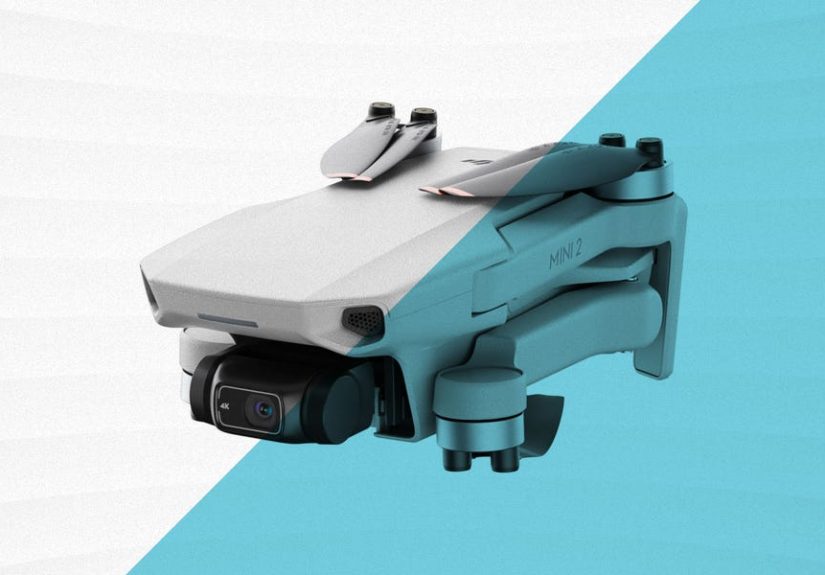
If you want good video, stable flight, and less paperwork, many beginners start with a sub-250-gram drone. In the U.S., drones under 250g flown purely for recreation typically avoid FAA registrationthough the rest of the safety rules still apply.
What they’re great for: travel shots, family events, scenic footage, learning flight controls without wrestling the wind.
- Beginner-friendly features to prioritize: GPS stabilization, return-to-home (RTH), solid wind resistance, and a gimbal or strong stabilization for smooth video.
- Common beginner favorites: compact models in the “mini” class that shoot crisp 4K and have strong safety software.
Reality check: Sub-250g doesn’t mean “rule-free.” It just means you may have fewer administrative steps. You still need to fly responsibly, follow airspace rules, and avoid prohibited locations.
Indoor/Backyard Trainers: Tiny Drones That Teach Muscle Memory
If your goal is pure practice (or you live somewhere windy), a small indoor-friendly drone can be a low-stress training buddy. They’re usually cheaper, slower, and less intimidatingperfect for learning stick control.
What they’re great for: orientation practice, gentle maneuvers, indoor hovering (in a safe open room), and learning how not to panic when the drone points toward you and your brain forgets left from right.
Tip: Look for prop guards and a stable hover mode. You want the drone to be the teacher, not the chaos generator.
FPV Drones: The “Roller Coaster” Category (Start Carefully)
FPV (first-person view) drones are thrillinglike turning your face into a GoPro on a hummingbird. They can also be harder to fly, easier to crash, and easier to accidentally lose visual line of sight.
If you go FPV as a beginner:
- Start with a beginner kit designed for training (often with indoor/low-power modes).
- Learn the FAA requirement for visual line of sight: if you’re wearing goggles, you generally need a visual observer who can keep eyes on the drone and communicate with you.
- Practice in wide-open areas away from people, roads, and anything you’d rather not explain to your neighbors.
The Beginner Drone Feature Checklist (What Actually Matters)
Marketing will try to sell you on “8K ULTRA MEGA HYPER VIDEO.” Your first priority is a drone that helps you stay safe and in control.
- Stability: GPS + strong hover performance makes learning dramatically easier.
- Return-to-home (RTH): Your “oops” button. Make sure you understand how it works before you need it.
- Obstacle sensing: Helpful, but not magic. Trees still win if you fly like a raccoon in a hurry.
- Controller quality: A dedicated controller often feels more precise than phone-only control.
- Battery life: Real-world flight time is often less than advertised. Two batteries beat one every day.
- Repairability: Replacement props should be easy to find and inexpensive.
2) Learn the U.S. Rules First (So Your First Flight Isn’t Your Last)
In the United States, hobbyist drone flying is governed by FAA rules for recreational flyers. Think of it as driver’s ed for the sky: you’re not trying to become a pilot, but you are responsible for flying safely in shared airspace.
Recreational vs. Part 107: The “Are You Doing This for Fun?” Question
If you’re flying strictly for enjoymentno business purpose, no paid gigs, no “I’m promoting my brand”you’re likely flying under the recreational exception. The moment your flight supports a business or job in any way, it can fall under Part 107 (commercial rules). When in doubt, read the FAA guidance and treat gray areas cautiously.
The Big “Must-Do” Rules for Recreational Flying
- Take TRUST: You must pass The Recreational UAS Safety Test (TRUST) and be able to show proof if asked.
- Keep visual line of sight (VLOS): You (or a co-located visual observer) must be able to see the drone during flight.
- Give way to manned aircraft: Always. No exceptions. Planes and helicopters get priority, period.
- Follow a Community-Based Organization (CBO) safety code: Recreational flyers are expected to follow safety guidelines from an FAA-recognized CBO.
- Fly at or below 400 feet in Class G airspace: And respect airspace restrictions.
Translation: Your drone hobby works best when it’s boringly responsible. Be predictable. Be polite. Don’t become a local legend for the wrong reason.
Registration: The 250g / 0.55 lb Line
FAA drone registration is a common stumbling block for beginners because the rule is both simple and easy to misremember.
- If your drone weighs more than 0.55 lb (250 grams) and you fly recreationally, you typically need to register it with the FAA.
- If your drone weighs 250g or less and you fly only for recreation, it’s generally exempt from registration.
- If you register, you must also follow the rules that attach to registration (including marking/identification requirements).
Tip: Don’t guess your takeoff weight. Accessories can push you over 250g, depending on the model. If you’re close to the limit, double-check the specs and your setup.
Remote ID: What It Is (And When You Need It)
Remote ID is often described as a “digital license plate” for drones. In general, drones that must be registered must also comply with Remote ID requirements. Many newer drones come with Standard Remote ID built-in; older drones might need an add-on broadcast moduleunless you fly in an approved area that allows non-Remote ID operations.
Key beginner-friendly understanding:
- Sub-250g recreational flights: often don’t require registration, which usually means Remote ID may not apply in that specific use case.
- Registered drones: Remote ID compliance is usually required.
- FRIAs: FAA-Recognized Identification Areas (often run by CBOs or educational institutions) can allow drones without Remote ID to fly within that area under specific conditions.
Practical tip: When shopping, look for “Standard Remote ID” in the specs if your drone is over 250g (or you plan to use it in ways that require registration).
Airspace: The Fastest Way to Accidentally Break a Rule
Airspace isn’t intuitive because the sky doesn’t have visible “keep out” signs. That’s why you use official tools before you fly.
- Class G (uncontrolled) airspace: generally where beginners can fly recreationally at or below 400 feet (while following all other rules).
- Controlled airspace: near many airports. Recreational flyers may need authorization to fly there.
- LAANC: In many places, you can request authorization through a LAANC provider for near-real-time approvals where available.
- B4UFLY services: The FAA approves multiple providers that offer “can I fly here?” situational awareness tools.
Beginner rule of thumb: If you’re anywhere near an airport (or you’re unsure), don’t trust vibes. Trust airspace tools.
Places Beginners Should Assume Are “Nope” Until Proven Otherwise
- National parks: Many National Park Service units prohibit recreational drone launching/landing/operation (always check the specific park policy before you go).
- Emergency response scenes: Avoid. It’s unsafe and can interfere with operations.
- Large crowds and busy public areas: Even if technically allowed, it’s a bad beginner environment and a risk to people and property.
- Any area with active restrictions: Temporary Flight Restrictions (TFRs) can pop up for events, disasters, or VIP movement.
Privacy note: Even when the FAA says you can fly, state/local rules and common courtesy still apply. Don’t hover outside windows. Don’t buzz people. Don’t be the reason your neighborhood group chat discovers the word “drone” again.
3) Your Beginner Safety System: Simple Habits That Prevent 90% of Problems
Pre-Flight: The 2-Minute Check That Saves 20 Minutes of Panic
- Check airspace and local restrictions using an FAA-approved service/provider.
- Check wind (especially for lighter drones). If the trees look like they’re dancing, your drone might start breakdancing too.
- Inspect props for cracks or warping.
- Confirm battery level on drone and controller/phone.
- Set your return-to-home behavior and confirm the home point is recorded.
- Pick a safe takeoff/landing zone: flat, open, away from people and cars, and not a sand pit that wants to eat motors.
In-Flight: Fly Like You’re Sharing the Sky (Because You Are)
- Start slow: Use beginner/cine modes if your drone offers them.
- Keep VLOS: If you can’t see it, you can’t responsibly control it.
- Stay away from people: Beginners should avoid flying over people entirely.
- Don’t rely on sensors: Obstacle avoidance helps, but it’s not a force field.
- Listen for aircraft: If you hear manned aircraft nearby, descend and move away safely.
Landing: The Moment Most Beginners Get Overconfident
Most “oops” moments happen during takeoff and landing. Keep it calm, keep it level, and don’t rush because your friend said, “Let me try!” (You can let them try later, after they promise to be gentle and not scream.)
4) Beginner Accessories Worth Buying (And the Stuff You Can Skip)
You don’t need a drone shopping spree. But a few practical items can make beginner flying safer and easier.
Worth It
- Extra battery: Your learning improves when you can fly more than once per outing.
- Spare propellers: They’re cheap, and you’ll be glad you have them.
- MicroSD card (if your drone uses one): Reliable storage = fewer “why is my footage missing?” mysteries.
- Small case or protective bag: Keeps props from turning into modern art in your backpack.
- Landing pad: Helpful if you fly in dusty areas or grass that hides debris.
Optional (Nice, Not Necessary)
- ND filters: Great for video once you care about motion blur and cinematic shutter speeds.
- Prop guards: More useful for indoor training or tight spaces (but don’t use them as an excuse to fly near people).
- Care plan/insurance: If you’re clumsy or adventurous, peace of mind can be worth it.
5) A Simple Practice Plan: Your First 10 Flights
Beginner drone skills build fast if you practice the same basics repeatedly. Here’s a simple progression that works for most hobbyists.
Flights 1–3: Boring on Purpose
- Takeoff and hover: hold a steady hover at eye level for 20–30 seconds.
- Slow yaw turns: rotate the drone slowly and keep it in place.
- Gentle landing: land precisely in your chosen zone.
Flights 4–6: Direction and Orientation
- Box pattern: forward, right, back, leftkeeping altitude steady.
- Figure 8: slow and smooth beats fast and wobbly.
- “Nose-in” practice: the drone faces you while you control it. This is where brains melt a little. That’s normal.
Flights 7–10: Basic Camera Moves
- Reveal shot: rise slowly behind an object (in a safe open area) to reveal scenery.
- Slow orbit: circle a subject from a safe distance (avoid crowds and private property concerns).
- Track and pull-away: fly backward smoothly while keeping the subject centered.
Pro beginner tip: The best drone footage is often slow. If you feel like you’re flying at “walking speed,” you’re probably doing it right.
6) Common Beginner Mistakes (And How to Avoid Them)
Mistake: Overtrusting Return-to-Home
RTH is a safety feature, not a teleportation spell. Know what it does: does it rise first, fly back, then descend? If your RTH altitude is too low, the drone could meet a tree on the way home. Set it thoughtfully for your environment.
Mistake: Flying in “Wind You Can’t Feel”
Wind can be stronger at 100 feet than at ground level. Beginners should choose calm days and open spacesespecially with lighter drones.
Mistake: “Just One More Shot” at Low Battery
Low-battery landings are where rushed decisions happen. Treat low battery like your fuel light: stop filming, return, land calmly, and swap batteries.
Mistake: Treating Obstacle Avoidance as a Superpower
Sensors can struggle with thin branches, wires, shiny surfaces, and low light. Your safest move is still: keep distance and fly conservatively.
7) Buying and Ownership Reality in 2026: Availability, Apps, and Updates
The drone market has some added complexity right now. Alongside normal product cycles, there have been policy shifts affecting new approvals and imports of certain foreign-made drones and components. For beginner buyers, here’s the practical takeaway:
- Existing, already-authorized drone models can still be used legally (and are widely sold through retailers and resale markets).
- Brand-new models may face changing availability, which can affect pricing, parts, and support.
- Plan like a grown-up: buy from reputable retailers, keep receipts, and confirm you can get batteries/props for your model.
Beginner-friendly strategy: choose a well-supported model with widely available accessories. The most “exotic” drone on the internet is rarely the best beginner drone in real life.
8) The “Experience” Part (About ): What Starting the Hobby Usually Feels Like
Most beginners imagine their first flight will look like a travel commercial: sunlight, sweeping mountain views, and a perfect orbit around your smiling friends. The real first flight usually looks more like: you standing very still in a field, squinting at a tiny dot in the sky, whispering, “Okay… okay… don’t do anything weird.”
One of the most common beginner experiences is the orientation flip. When the drone faces away from you, left stick feels like left. When it faces toward you, your brain suddenly decides left is right, right is left, and gravity is a personal insult. This is why experienced hobbyists practice “nose-in” control on purpose. The first time you get it right, it feels like unlocking a new skill tree in a video gameexcept your reward is a stable hover instead of a magic sword.
Then there’s the first return-to-home moment. You might not use it because you’re lost; you might use it because your phone gets a notification, your hands get sweaty, and your confidence temporarily leaves your body. New pilots often describe RTH as equal parts comforting and nerve-wracking. Comforting because the drone starts behaving like a responsible adult. Nerve-wracking because you’re watching it rise and thinking, “Please do not climb directly into the only tree within a mile.” That’s when you learn the underrated joy of setting an appropriate RTH altitude and taking off from a clear location.
Another rite of passage is the first truly good clip. It usually happens by accident. You’re practicing something “basic” like a slow forward flight at golden hour, and you later discover the footage looks amazing. That’s when the hobby clicks: drones don’t need extreme maneuvers to be fun. In fact, slow and steady is often what makes aerial video look professional. Many beginners start to enjoy the “calm” side of flyingplanning a shot, moving gently, and letting the landscape do the heavy lifting.
Of course, there’s also the learning experience of where not to fly. Nearly everyone has the moment where they arrive at a beautiful spotmaybe a famous park or a crowded viewpointonly to realize drones are prohibited or it’s simply not a safe place to fly. It can be disappointing, but it’s also part of becoming a good pilot. The best hobbyists don’t measure success by how many places they can fly. They measure it by how consistently they choose safe, legal locations that don’t bother people or wildlife.
And finally, there’s the quiet pride of doing it right: passing TRUST, checking airspace, flying in a safe open area, landing smoothly, and packing up with all props intact. It’s not flashy, but it’s the real secret to enjoying hobbyist drones long-termbecause the goal isn’t to “get away with it.” The goal is to become the kind of pilot who makes everyone else less nervous about drones.
Conclusion
Starting out with hobbyist drones is a mix of excitement, learning, and the occasional “why is it doing that?” moment. Choose a beginner-friendly drone (stable, forgiving, well-supported), learn the core FAA recreational drone rules (TRUST, visual line of sight, registration thresholds, Remote ID basics), and practice simple maneuvers in safe open spaces.
Do that, and you’ll get the best part of the hobby: smooth flights, great footage, and the confidence to fly responsiblywithout turning your first month into a highlight reel of near-misses.