Table of Contents >> Show >> Hide
Transcendental Meditation (TM) has gained widespread popularity over the years as a technique to reduce stress, enhance personal well-being, and promote deeper states of relaxation. Originating in the 1950s, TM has been practiced by millions around the world, including famous figures like The Beatles, Oprah Winfrey, and Clint Eastwood. But what exactly is Transcendental Meditation, and how can it benefit you? Let’s dive into the details of this powerful meditation technique, explore its benefits, provide a guide on how to practice it, and highlight some useful resources for getting started.
What is Transcendental Meditation?
Transcendental Meditation is a simple, natural, and effortless technique that involves silently repeating a mantra while sitting with your eyes closed. The goal of TM is to reach a state of relaxed alertness, a mental state where your awareness expands and your mind experiences a deep inner peace. Unlike other meditation methods, TM doesn’t require concentration or contemplation; it’s about letting the mantra guide your thoughts into a state of restful awareness.
TM was introduced by Maharishi Mahesh Yogi in the late 1950s and quickly became a global phenomenon. Unlike other forms of meditation, which may involve focusing on your breath or a specific object, TM allows the mind to naturally settle into a quieter, more peaceful state without effort.
Benefits of Transcendental Meditation
There are numerous benefits associated with practicing Transcendental Meditation, from mental clarity to improved health. Let’s explore some of the most well-documented advantages.
1. Stress Reduction
One of the most well-known benefits of Transcendental Meditation is its ability to reduce stress. Scientific research has shown that TM can lower cortisol levels, the hormone responsible for stress, leading to a significant reduction in overall stress. A study published in the “International Journal of Neuroscience” found that TM practitioners had lower levels of stress and anxiety compared to those who engaged in other forms of meditation.
2. Improved Focus and Mental Clarity
Practitioners of TM report enhanced focus, concentration, and mental clarity. This may be due to the fact that TM provides the mind with regular periods of deep rest, which helps clear mental clutter and improves cognitive function. People who practice TM also tend to experience better memory retention and increased problem-solving abilities.
3. Better Sleep
Many people who practice Transcendental Meditation report improved sleep quality. TM is effective in promoting relaxation and reducing anxiety, two factors that are closely linked to poor sleep. The calming effects of TM help ease the mind, making it easier to fall asleep and stay asleep throughout the night.
4. Lower Blood Pressure
Research has also shown that TM can help reduce blood pressure. This effect is especially beneficial for individuals suffering from hypertension. Regular practice of TM can lead to long-term reductions in both systolic and diastolic blood pressure, which can significantly reduce the risk of heart disease.
5. Increased Creativity and Emotional Well-Being
TM has been linked to increased creativity and emotional resilience. By providing a break from daily stresses, it allows the mind to rejuvenate and tap into its creative potential. Additionally, many practitioners report an enhanced sense of emotional stability and well-being, helping them better manage their emotions and build stronger relationships.
How to Practice Transcendental Meditation
Transcendental Meditation is a straightforward practice, but it requires guidance from a trained teacher to ensure proper technique. Here’s a brief overview of the steps involved in TM:
1. Find a Certified TM Teacher
The first step in learning Transcendental Meditation is to find a certified TM teacher. TM is taught by a network of trained professionals who have undergone rigorous training in the technique. A certified teacher will guide you through the process, personalize your mantra, and help you establish a regular practice.
2. Learn Your Mantra
During your introductory lesson, your TM teacher will assign you a personal mantra. This mantra is a word or sound that is meaningless and is used to help settle the mind. It is important that the mantra is kept private, as it is meant to be unique to each individual. The mantra helps the mind transcend ordinary thought and reach a deeper state of awareness.
3. Meditate for 20 Minutes, Twice a Day
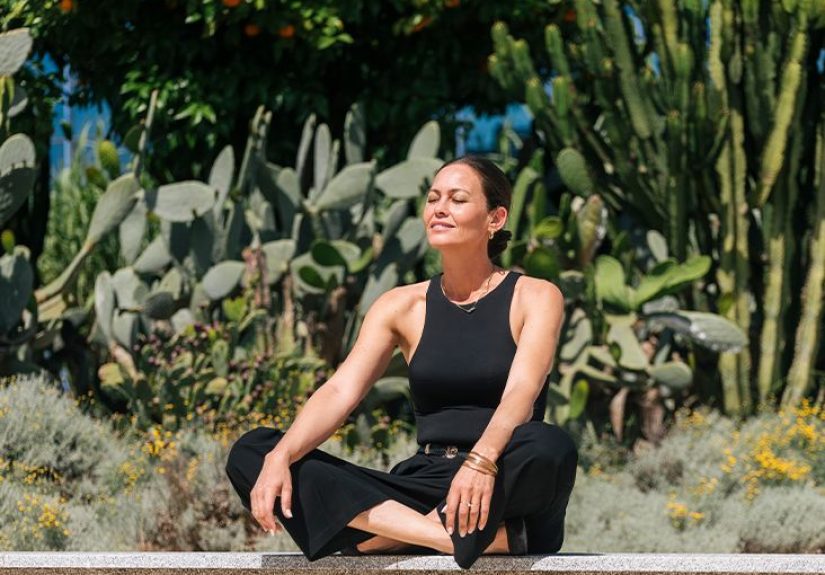
Once you have learned your mantra, the practice itself is simple. You will meditate for 20 minutes, twice a day, sitting with your eyes closed. During the session, you silently repeat your mantra without effort, allowing your mind to settle naturally. It’s important to maintain a relaxed and comfortable posture throughout the session. At the end of the session, you gently return to normal activities, carrying the sense of calm with you.
4. Gradually Deepen Your Practice
Over time, as you practice Transcendental Meditation regularly, you will begin to experience deeper levels of relaxation and inner peace. The benefits of TM will accumulate over weeks and months, leading to more profound effects on your mental, physical, and emotional health.
Resources for Learning Transcendental Meditation
If you’re interested in learning Transcendental Meditation, there are several resources available to help you get started:
- The Official Transcendental Meditation Website: This website provides information about the practice, TM centers, and how to find a certified teacher near you.
- TM Organizations and Retreats: Many TM organizations offer retreats and workshops to deepen your meditation practice and provide community support.
- Books and Audio Resources: Various books and audio programs are available to supplement your practice and offer deeper insights into TM. Some recommended authors include Maharishi Mahesh Yogi and Dr. Norman Rosenthal.
Experiences with Transcendental Meditation
Many individuals who practice Transcendental Meditation have shared positive experiences regarding the profound impact it has had on their lives. From a personal perspective, I have found that TM has helped me manage stress in a way that other methods of meditation simply couldn’t. The ease with which I can slip into a calm, clear state of mind has been transformative, especially during challenging times. Not only have I noticed improvements in my mental clarity and creativity, but I have also experienced a noticeable reduction in anxiety.
One of the most significant benefits I’ve experienced is the positive impact on my sleep. Before starting TM, I struggled with insomnia, often finding it difficult to unwind after a long day. Since incorporating TM into my daily routine, I’ve found it much easier to fall asleep and stay asleep throughout the night. The calming nature of the practice has allowed me to embrace a restful and rejuvenating sleep cycle.
On a deeper level, TM has allowed me to tap into a level of emotional resilience that was previously inaccessible. The practice has given me the space to process my emotions without feeling overwhelmed, and I’ve noticed a greater sense of balance in my relationships and overall emotional state.
While the benefits of Transcendental Meditation are well-documented, it’s important to note that the experience is deeply personal. Each person’s journey with TM is unique, and it’s essential to practice consistently to fully experience its transformative effects.
Conclusion
Transcendental Meditation offers a unique and accessible approach to enhancing mental, emotional, and physical well-being. Whether you’re seeking relief from stress, better sleep, or increased creativity, TM provides a reliable method to help you achieve your goals. With its numerous benefits and simple technique, Transcendental Meditation has become a popular choice for individuals seeking a deeper sense of inner peace. If you’re ready to transform your life, consider learning TM and begin your journey toward greater relaxation and well-being.