Table of Contents >> Show >> Hide
- What “Tree to Green” Really Means
- Cypress 101: Not All Cypress Is the Same
- Why Cypress Works as a Cutting Board Material
- Food Safety: Wood vs. Plastic Isn’t a Cage Match
- How to Choose the Right Cypress Cutting Board
- Cleaning and Caring for Cypress Boards
- Pros and Cons of Cypress Wood Cutting Boards
- How Cypress Fits a “Green Kitchen” Mindset
- 500+ Words of Real-World Experiences (What Users Commonly Notice)
- Conclusion
A cutting board is basically your kitchen’s stage: every onion cries there, every tomato gets its big moment, and every piece of garlic is asked to do
its best under pressure. So when something as “simple” as a board makes chopping feel calmer, cleaner, and maybe even a little nicer, it’s worth paying
attention. That’s the charm behind Tree to Green cypress wood cutting boardsa phrase that feels like it belongs on a tote bag, but
also describes a real idea: take a beautiful, thoughtfully sourced piece of wood and turn it into a daily tool you’ll actually want to use.
Cypress boards (including Japanese cypress, often called hinoki) have a reputation for being light, gentle on knives, pleasantly aromatic, and
naturally resistant to funk when cared for properly.[1] They’re not trying to be the “toughest” board in the drawer. They’re the board that
makes you feel like you’ve got your life togethereven if dinner is just “scrambled eggs with ambition.”
What “Tree to Green” Really Means
“Tree to Green” is a handy way to describe a full-lifecycle mindset: where the wood came from, how it’s milled, how it’s finished, how long it lasts,
and how you keep it out of the landfill. A well-made wood board can be maintained for years (sometimes decades), and when it gets worn, it can often be
sanded and refreshed instead of replaced. That’s the “green” part: durability + repairability + fewer disposable kitchen items.
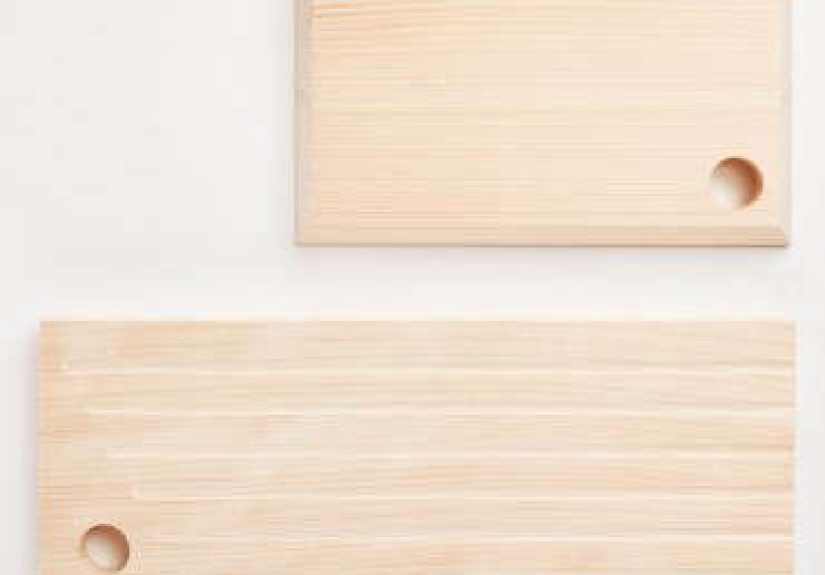
In the specific product context, “Tree to Green” has been used to describe handcrafted cypress boards made from Japanese cypress wood (hinoki), noted for
being lightweight with subtle surface detailing and a fresh, natural fragrance.[1] Whether you’re buying that exact board or simply using the
phrase as inspiration, the core idea stays the same: a cutting board can be both a practical tool and a more sustainable choice when it’s built and
maintained well.
Cypress 101: Not All Cypress Is the Same
“Cypress” can mean different species depending on where you are and what you’re buying. In the U.S., bald cypress
(Taxodium distichum) is a well-known domestic species used in building and woodworking. In Japanese kitchenware, “cypress” often refers to
hinoki, a prized Japanese cypress used for boards and bathhouse vibes alike (yes, your cutting board can have spa energy). Hinoki boards
are commonly described as lightly fragrant due to natural oils in the wood.[2]
That species difference matters because wood density, resin/oil content, and grain structure affect how a board feels under a knife, how it holds up to
moisture, and what kind of care it prefers. So if you see “cypress,” it’s worth checking whether you’re looking at a thin, lightweight hinoki-style
boardor a thicker domestic cypress board designed more like a traditional American chopping surface.
Why Cypress Works as a Cutting Board Material
1) It’s gentle on knives (and your wrists)
Cypress is generally considered a softer wood compared with classic “butcher block” hardwoods like hard maple. Softer doesn’t mean flimsy; it means the
surface yields a bit more, which can feel smoother and can be kinder to knife edges during repetitive slicing. Domestic cypress is often listed around
the ~510–570 Janka hardness range, which is noticeably softer than hard maple (commonly cited around ~1,450).[3]
In real kitchen terms: if you do a lot of quick prepherbs, fruit, sandwich veg, sushi toppings, garlic, gingercypress can feel “quiet” and pleasant.
It’s not the board you choose to wrestle a whole turkey on (unless you enjoy drama).
2) Natural oils + practical performance
Cypress species are frequently described as naturally durable and resistant to moisture-related issues compared with many other softwoods, in part due to
oils and heartwood characteristics.[4] That reputation is why cypress shows up in exterior and high-humidity applicationshistorically in
building and boatsand why it can be appealing in a kitchen environment that’s basically a controlled experiment in moisture, acid, and chaos.
Hinoki boards, in particular, are commonly marketed as aromatic and “naturally antibacterial,” and many users notice a mild wood scent when the board is
new or freshly rinsed.[1][2] The key is to treat those benefits as a bonusnot a magic force field. Good cleaning habits still
matter (more on that soon).
3) Lightweight boards are actually useful
A big, thick butcher block board is wonderfuluntil you need to lift it with one hand while you scrape chopped onions into a pan with the other. Many
cypress/hinoki boards are designed to be light enough for everyday handling. That makes them great for quick prep, small kitchens, and anyone
who appreciates tools that don’t require a warm-up stretch routine.
Food Safety: Wood vs. Plastic Isn’t a Cage Match
The internet loves arguments that can fit on a bumper sticker. “Plastic is safer!” “Wood is antibacterial!” Reality is more boring and more helpful:
either material can be safe when you clean it properly and avoid cross-contamination.
Food safety authorities explicitly include both wood and plastic boards in cleaning and sanitizing guidance, focusing on methodnot material.[5]
University food safety educators also note that both wood and plastic can develop places for microbes to hide (plastic via grooves, wood via wear or
damage), and recommend separating taskslike using plastic for raw meat and a dedicated wood board for produce or ready-to-eat foods.[6]
Research comparing bacterial behavior on wood vs. plastic has been studied for decades, including well-known work associated with UC Davis food safety
researchers and peer-reviewed investigations into contamination and cross-contamination on board materials.[7] The takeaway for home kitchens
is still the same: don’t rely on vibesrely on cleaning, drying, and smart workflow.
How to Choose the Right Cypress Cutting Board
Pick your “board job” first
- Everyday prep board: Thin to medium thickness, easy to lift, quick rinse-and-dry.
- Knife-friendly board for delicate edges: Hinoki-style boards are often chosen with Japanese knives in mind.[2]
- Serving + slicing: Look for a reversible board, attractive grain, maybe a subtle decorative surface detail (hello, “Tree to Green” energy).[1]
- Messy carving tasks: Consider a board with a juice grooveor use a separate plastic carving board if you want dishwasher convenience.
Consider grain and construction
Many cypress/hinoki boards are edge-grain or face-grain and relatively thin. That’s not “worse,” it’s a different design goal: lighter, faster drying,
easier handling. If you prefer a heavier board that stays planted, you may lean toward thicker construction or add a damp towel underneath for grip.
Look for finishing details that help you win at real life
Features like rounded edges, a smooth surface, or even a drying stand can make daily care easier. Some hinoki boards are sold with stands specifically to
encourage faster drying and airflowvery “green,” very practical, very “I definitely fold my laundry immediately.”[8]
Cleaning and Caring for Cypress Boards
Daily cleaning: keep it simple
Wash your cypress board soon after use with hot, soapy water, scrub the surface, rinse, and dry it thoroughly. The most important “secret” is drying:
don’t let it stay wet and don’t let it soak.
Sanitizing when needed (especially after raw meat)
If you used the board for raw meat, poultry, or seafoodor if you just want extra peace of mindfood safety guidance allows sanitizing with a
dilute bleach solution such as 1 tablespoon unscented liquid chlorine bleach per gallon of water, applied to the surface
and then rinsed and air-dried.[5] (Unscented matters. Your strawberries should taste like strawberries, not “pool day.”)
Dishwasher: “allowed” isn’t the same as “recommended”
Some official guidance notes that solid wood boards can be washed in a dishwasher (while warning that laminated boards may crack or split).[9]
But many kitchen experts and brands strongly advise against dishwashers for wooden boards because high heat + long moisture exposure can lead to warping,
cracking, and shortened lifespan.[10]
If you’re investing in a cypress or hinoki board for its feel and longevity, hand-washing is usually the smarter move. Think of it as a two-minute habit
that saves you from the “why is my board shaped like a potato chip?” moment later.
Deodorizing and stain help
For onion/garlic odors or light stains, many home guides recommend gentle options like salt + lemon scrubs, followed by a rinse and thorough dry. Avoid
leaving wet pastes sitting for long periods; you’re cleaning wood, not marinating it.[11]
Oiling: the difference between “meh” and “glows like new”
Even naturally durable woods appreciate conditioning. A light coat of food-safe mineral oil (or a beeswax/mineral oil conditioner) helps slow moisture
swings, reduces drying and cracking risk, and keeps the surface looking cared for. Many kitchen care guides suggest oiling about monthly for frequently
used boardsor whenever the wood looks dry.[11]
Pros and Cons of Cypress Wood Cutting Boards
What people love
- Knife-friendly feel for everyday slicing and delicate edges.
- Lightweight handling (especially hinoki-style boards) that makes prep faster and easier.[1]
- Aroma and “fresh” vibe many users associate with hinoki’s natural oils.[2]
- Repairable surface: minor wear can often be sanded and re-oiled.
- Looks good on the counterand sometimes doubles as a serving board.
Trade-offs to be honest about
- Softer wood can show knife marks sooner than very hard maple or walnut boards.
- Needs drying discipline: soaking is the fastest way to warp or crack any wooden board.[10]
- Not ideal for heavy cleaver work or aggressive chopping if you want a pristine surface.
- Some “antibacterial” claims are marketing-forward: treat them as a bonus, not a replacement for cleaning.
How Cypress Fits a “Green Kitchen” Mindset
A greener kitchen isn’t about being perfect; it’s about choosing items that last and building habits that keep them in service. Cypress boards fit this
well when you:
- Use the right board for the right task (separate boards reduce waste from premature replacement).
- Maintain the surface with oiling instead of tossing it when it looks dull.
- Choose boards made with thoughtful sourcing and durable construction.
In other words: the “green” part is less about a label and more about what you do next Tuesday when you’re tired and tempted to leave the board “to soak
for just a minute.” (That minute becomes an hour. The hour becomes regret.)
500+ Words of Real-World Experiences (What Users Commonly Notice)
People who switch to a cypress or hinoki cutting board often describe the first week as oddly sensory. Not dramatic, not life-changingjust
noticeably different. A common comment is the scent: a light, clean wood fragrance that shows up when the board is new or freshly rinsed, which
some brands attribute to natural oils in Japanese cypress.[2] It’s subtle, but it can make a small kitchen feel calmerlike you’re prepping
dinner in a tidy cooking show set instead of next to a pile of dishes that’s quietly judging you.
The second “aha” moment is usually the knife feel. Hinoki boards are often chosen for Japanese knives because the surface is forgiving and doesn’t feel
overly hard or glassy.[2] That can make repetitive slicingcucumbers, scallions, herbs, fruitfeel smoother. You’ll still get clean cuts, but
the board isn’t fighting you. Some people describe it as quieter, too: less sharp tapping, more soft thock. (If your kitchen soundtrack matters, this is
your board’s audition.)
Then comes the honest part: because cypress tends to be softer than classic hardwood boards, users often notice surface marks sooner. That’s not a flaw so
much as a trade: you’re getting a gentler cutting surface, and the board “records” your cooking life in faint lines. Many owners end up surprisingly okay
with thatespecially if they think of the board as a tool, not a museum piece. When the marks get deeper over time, sanding and re-oiling can refresh the
surface and extend the board’s usable life.
Another common experience is learning the rhythm of drying. Cypress boards reward quick rinse-and-dry habits. People who air-dry them upright (or use a
stand when included) report fewer odor issues and less worry about warping, because airflow helps the board dry evenly.[8] This is also where
lightweight boards shine: you’re more likely to actually lift the board, wipe underneath, and let it dry properlybecause it’s not a 12-pound slab that
requires a commitment.
For day-to-day cooking, many owners settle into a “board system.” A common pattern is: a cypress/hinoki board for produce, bread, and ready-to-eat foods,
and a separate plastic board for raw meat, partly because plastic can be sanitized easily and some households prefer keeping raw-meat prep on a dedicated
surface.[6] This workflow feels less fussy once it becomes routineand it reduces the mental load of wondering whether you cleaned “enough.”
Finally, people often mention the board becoming a countertop staplenot because it’s fancy, but because it’s pleasant. The board stays out because it
looks nice, feels nice, and doesn’t punish you with complicated care rules. Wash, dry, oil occasionally, don’t soak, don’t bake it in the dishwasher,
and you’ll likely keep enjoying it. In a world full of disposable stuff, a cutting board that gets better with attention is a small winand those add up.
Conclusion
Tree to Green cypress wood cutting boards sit at a sweet spot: they’re functional, beautiful, andwhen you care for them properlysurprisingly
long-lasting. Cypress (including hinoki) offers a lightweight, knife-friendly surface with a distinctive “fresh wood” personality that many cooks
genuinely enjoy. Pair it with smart food safety habits (separate boards for risky tasks, clean then sanitize when needed, dry thoroughly), and you get a
tool that feels good to use and aligns with a more sustainable kitchen mindset.
If you want a board that makes everyday prep feel a little smootherand you’re willing to give it the basic respect of “don’t soak me like a sponge”a
cypress board can be a very satisfying upgrade. Green isn’t just what you buy. It’s what you keep using, year after year.