Table of Contents >> Show >> Hide
- Why This Topic Works So Well in Video
- How Healthy Bones Normally Work
- How Osteoporosis Weakens Your Bones
- Who Is Most at Risk?
- What Symptoms Should a Video Mention?
- How Osteoporosis Is Diagnosed
- How to Slow Bone Loss and Protect Bone Strength
- Why the Best Osteoporosis Videos Stick With Viewers
- Final Thoughts
- Experiences Related to “Video on How Osteoporosis Weakens Your Bones”
- SEO Tags
Some health topics arrive in a lab coat and speak fluent jargon. Osteoporosis is one of them. But the truth is much simpler, and a good video can make it crystal clear: your bones are not dry, dead sticks holding up your body like a haunted coat rack. They are living tissue, constantly being broken down and rebuilt. Osteoporosis happens when that remodeling crew starts losing the race. Old bone is removed faster than new bone is made, and the result is bone that becomes thinner, weaker, and more likely to break.
That is why a strong, well-made video on how osteoporosis weakens your bones can be so useful. It turns an invisible process into something you can actually picture. Instead of hearing vague warnings about “bone loss,” viewers can see the inside of healthy bone compared with osteoporotic bone, understand why fractures happen, and learn why this condition deserves attention long before a dramatic fall, a wrist fracture, or the dreaded “I just coughed and somehow offended my spine” moment.
This article breaks down what a video on osteoporosis should explain, why the disease matters, how it changes bone structure over time, and what people can do to protect their skeleton before it starts behaving like a stale cracker.
Why This Topic Works So Well in Video
Osteoporosis is famously sneaky. It often causes no obvious symptoms in the early stages. That makes it hard for people to understand or take seriously. A video solves that problem because it can show what words struggle to describe. Animation, diagrams, and side-by-side comparisons help viewers understand the basic message: weaker bones do not always look different from the outside, but inside, their framework has changed in a big way.
A great osteoporosis video usually does three things well. First, it explains that bone is living tissue. Second, it shows how bone density and internal structure decline over time. Third, it connects those changes to real-life outcomes such as height loss, spine compression, hip fractures, and loss of independence. In other words, it turns “bone health” from a boring checkbox into a very real quality-of-life issue.
How Healthy Bones Normally Work
Bone Is Always Under Construction
Your skeleton is not a static building. It is more like a busy renovation project that never closes. Specialized cells remove old bone, while other cells build new bone. When you are younger, bone-building tends to outpace bone loss. That is one reason children and young adults can build strong skeletons over time.
As the years roll on, the balance shifts. Bone breakdown gradually catches up and may eventually move faster than bone rebuilding. That change is a normal part of aging, but in osteoporosis the imbalance becomes more serious. The body loses too much bone, makes too little bone, or both. The result is lower bone mass and poorer bone quality.
Density Matters, but Structure Matters Too
One of the smartest things a video can show is that osteoporosis is not only about “less bone.” It is also about weaker architecture. Healthy bone has a sturdy internal lattice that helps it absorb force. Osteoporotic bone becomes more porous, more fragile, and less able to handle everyday stress. Picture the difference between a fresh honeycomb and one that has been nibbled by time, gravity, and bad decisions.
That is why someone with osteoporosis may break a bone during a fall that would have caused only a bruise in another person. In more severe cases, a fracture can happen after a small bump, bending over, or even a force that seems embarrassingly ordinary.
How Osteoporosis Weakens Your Bones
The Inner Framework Thins Out
If a video uses a cross-section of bone, this is where the lightbulb usually turns on for viewers. Healthy bone has a compact outer shell and a strong inner support network. With osteoporosis, that inner network becomes thinner and more widely spaced. The bone becomes more porous, which is exactly where the word “osteoporosis” gets its dramatic flair.
The danger is not just cosmetic or technical. Bone that loses density and structure loses strength. And strength is what keeps you upright when you trip on a curb, miss a stair, or attempt to carry six grocery bags in one heroic trip.
Fracture Risk Climbs Quietly
Osteoporosis is often called a silent disease because many people do not know they have it until a bone breaks. That first fracture may happen in the wrist after a fall, in the hip after a slip, or in the spine through compression fractures that can occur gradually. Spine fractures may not always announce themselves with fireworks. Sometimes they show up as back pain, height loss, or a stooped posture that seems to creep in over time.
This is one of the most important messages a video should emphasize: the absence of pain does not mean the absence of bone loss. Bones can be weakening for years before the body sends a formal complaint.
Common Fracture Sites Tell the Story
Hip, spine, and wrist fractures are the classic troublemakers in osteoporosis. A hip fracture can be especially serious because it may lead to surgery, rehabilitation, limited mobility, and loss of independence. Spinal fractures can cause chronic pain and posture changes. Wrist fractures may sound less dramatic, but they often serve as an early warning sign that the skeleton is more fragile than it should be.
A strong educational video will not use fear for the sake of drama, but it should be honest: osteoporosis is not just about having “old bones.” It is about fracture risk, recovery time, and the ripple effects a broken bone can have on work, sleep, exercise, confidence, and daily life.
Who Is Most at Risk?
Osteoporosis is more common with age, and the risk rises after menopause because the drop in estrogen speeds bone loss. Women are affected more often than men, but men are absolutely not off the hook. They can develop osteoporosis too, especially with aging, low testosterone, certain medical conditions, smoking, heavy alcohol use, low body weight, poor nutrition, long-term steroid use, or a family history of fractures.
A good video should also point out that bone loss is not caused by one villain wearing a cape. It is usually a combination of biology, lifestyle, age, medications, and medical history. That is why two people the same age can have very different bone health.
Risk factors often include getting older, being postmenopausal, having a small body frame, not getting enough calcium or vitamin D, being inactive, smoking, drinking too much alcohol, taking corticosteroids for long periods, and living with certain hormonal, digestive, or inflammatory conditions. In short, bone health is not just a “bone” issue. It is connected to the whole body.
What Symptoms Should a Video Mention?
Early osteoporosis may have no symptoms at all, which is deeply inconvenient from an educational standpoint but medically important. That is why videos on this topic should not promise a neat checklist of warning signs. By the time symptoms become noticeable, a person may already have significant bone loss or even a fracture.
Still, there are clues worth mentioning. They include back pain, loss of height, a stooped or hunched posture, and fractures that occur more easily than expected. If a video explains these clearly, viewers are more likely to realize that osteoporosis is not always dramatic at first. Sometimes it arrives like a quiet leak instead of a flood.
How Osteoporosis Is Diagnosed
Bone Density Testing Matters
One of the most helpful parts of an osteoporosis video is the section on diagnosis. The usual star of the show is the bone density scan, often called a DXA or DEXA scan. It is a low-dose X-ray that measures bone density and helps estimate fracture risk. This gives doctors a clearer picture of whether someone has normal bone density, low bone mass, or osteoporosis.
That matters because people cannot judge bone strength by how they feel, how fit they look, or whether they can still open a stubborn pickle jar. Bone density testing helps catch problems before a major fracture does the announcing.
Who Should Think About Screening?
Educational content should also explain that screening is not random. It is based on age and risk. In general, women age 65 and older should be screened, and younger postmenopausal women at increased risk may need screening earlier. People with fractures, long-term steroid use, or multiple risk factors may also need evaluation sooner. Men with risk factors should discuss bone health with a clinician too, because osteoporosis is often under-recognized in men.
How to Slow Bone Loss and Protect Bone Strength
Food Is Not a Miracle, but It Helps
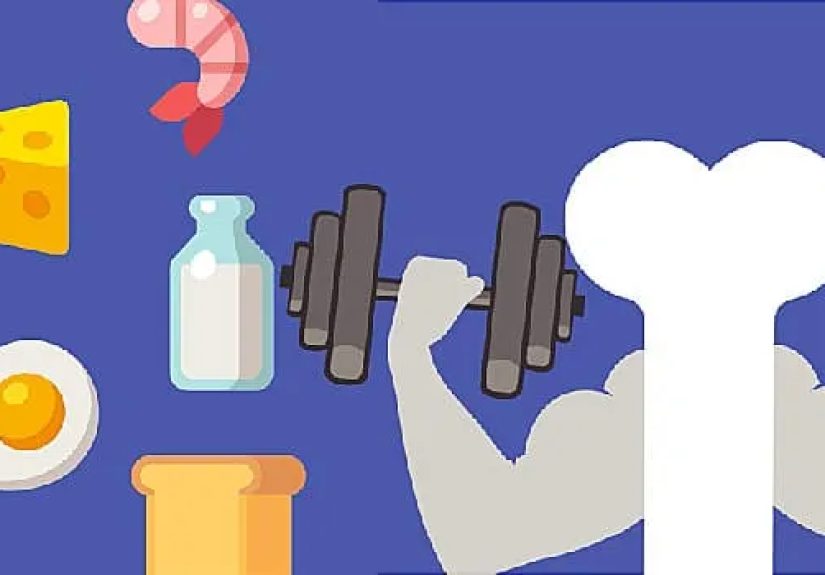
A video should be realistic here. No smoothie can magically turn fragile bones into superhero scaffolding overnight. But nutrition absolutely matters. Getting enough calcium, vitamin D, and protein supports bone health. Dairy products, fortified foods, leafy greens, certain fish, beans, tofu, nuts, and other nutrient-rich foods can all play a role in an overall bone-friendly diet.
The point is not perfection. The point is consistency. Bone health responds better to long-term habits than to random bursts of kale-induced optimism.
Exercise Sends Bones a Useful Message
Weight-bearing exercise and muscle-strengthening activity are major players in bone health. Walking, dancing, resistance training, stair climbing, and similar activities help signal the body to maintain stronger bones. Balance and posture training also matter because preventing falls is part of preventing fractures.
An effective video should separate helpful exercise from reckless exercise. People with osteoporosis or previous fractures may need professional guidance to avoid movements that increase injury risk. “Stay active” is good advice. “Launch yourself into an advanced boot camp because it has upbeat music” is not always the move.
Habits That Undermine Bone Health
Smoking and heavy alcohol use can hurt bone health, and long-term inactivity does bones no favors either. Some medications and health conditions can also contribute to bone loss. That is why prevention is not just about adding calcium. It is also about removing the habits and factors that quietly chip away at bone strength.
Medicines Can Help When Risk Is High
For some people, lifestyle changes are not enough. Doctors may recommend medication to slow bone loss or help build new bone, especially in people with osteoporosis, prior fractures, or high fracture risk. That treatment plan depends on the person’s age, fracture history, bone density results, kidney function, other health conditions, and tolerance for different medications.
A quality video should handle treatment with balance. Medication is not a failure. It is a tool. For the right patient, it can reduce fracture risk and protect long-term mobility.
Why the Best Osteoporosis Videos Stick With Viewers
The strongest educational videos do more than define terms. They show consequences, explain biology simply, and make viewers feel informed rather than scolded. A good osteoporosis video should leave people with a few big takeaways: bones are living tissue, osteoporosis often develops quietly, fractures can be life-changing, and there are real steps people can take to protect themselves.
That mix of science and practicality is what makes the topic so powerful. It is not just a lesson about bones. It is a lesson about staying mobile, independent, and confident in daily life. A few minutes of clear visual education can help someone ask better questions, schedule a screening, rethink exercise, or finally take bone health seriously.
Final Thoughts
“Video on How Osteoporosis Weakens Your Bones” may sound like a niche topic, but it speaks to a huge issue in everyday health. Osteoporosis changes the inside of bone long before many people notice a problem. That is exactly why visual education works so well. It gives shape to an invisible disease and helps people understand that weaker bones are not an inevitable punchline of aging. They are a medical problem that can often be detected, managed, and sometimes prevented.
And honestly, if a short video can explain bone remodeling better than a dozen gloomy pamphlets, let it. Your skeleton deserves good publicity.
Experiences Related to “Video on How Osteoporosis Weakens Your Bones”
One reason this topic connects so strongly with readers is that osteoporosis often becomes real through personal experience, not through a textbook definition. Many people first care about bone density only after watching a parent, grandparent, neighbor, or friend go through a fracture that seemed to come out of nowhere. A woman slips in her kitchen, breaks a wrist, and suddenly learns she has osteoporosis. A retired man notices he is shorter than he used to be and later finds out he has compression fractures in his spine. These stories are common because the disease often hides in plain sight until something finally forces it into the spotlight.
That is also why videos about osteoporosis can be so memorable. People who have lived through bone loss often say that seeing an animation of healthy bone next to osteoporotic bone finally made the condition click. What a doctor described in a few rushed minutes suddenly became obvious on screen. The bone in the animation looked more porous, less connected, and weaker. For many viewers, that visual is the first moment they truly understand that osteoporosis is not just “getting older.” It is a structural change happening inside the body.
Caregivers often have a similar reaction. Someone may spend months helping an older relative recover from a hip fracture without fully understanding why the injury was so serious. Then they watch an educational video explaining that hip fractures can lead to surgery, rehabilitation, reduced mobility, and loss of independence, and the entire experience makes more sense. The video does not just explain the disease. It helps explain the emotional weight of the recovery process.
There are also people who watch these videos after getting a bone density scan result they did not expect. Maybe they exercise regularly, eat fairly well, and assume they are doing everything right. Learning they have low bone mass or osteoporosis can feel confusing, even unfair. In those moments, a good video becomes reassuring. It can explain that bone health is influenced by many factors, including age, hormones, family history, medications, and medical conditions. That broader view helps people move from panic to perspective.
Even younger viewers can find meaning in the topic. Some watch because a parent was diagnosed. Some are athletes learning about nutrition and bone strength. Others are simply curious after seeing the word “osteoporosis” in a health article or on social media. For them, video content works because it shortens the distance between abstract science and everyday life. Instead of hearing that bones “lose density,” they see how that loss changes posture, balance, movement, and fracture risk over time.
In many cases, the most valuable part of the experience is not fear. It is clarity. Viewers come away understanding why doctors talk about calcium, vitamin D, strength training, fall prevention, and screening. They realize that these recommendations are not random wellness buzzwords tossed into the universe for decoration. They are practical tools meant to keep bones stronger for longer.
That is the real power of a well-made video on how osteoporosis weakens your bones. It turns a silent disease into something visible, understandable, and actionable. And when people understand what is happening inside their bones, they are far more likely to protect them before life delivers an unforgettable lesson the hard way.