Table of Contents >> Show >> Hide
- What “Designer Series” Means in a Viking Microwave
- The Viking Designer Series Lineup: Pick Your Microwave Personality
- 1) Conventional built-in/countertop microwaves (simple, fast, reliable)
- 2) Convection microwave ovens (microwave speed + real browning)
- 3) Microwave hoods (the two-in-one space saver)
- 4) Drawer microwaves (the “why doesn’t everyone do this?” option)
- 5) Speed/convection hybrids (when you want a microwave that can also “do oven things”)
- Features That Matter (and the Ones That Mostly Win Arguments)
- How to Choose the Right Viking Designer Series Microwave for Your Kitchen
- Installation and Fit: The Part Where Details Save Your Remodel
- Living With It: Cleaning, Filters, and Warranty Basics
- So… Are Viking Designer Series Microwaves Worth It?
- Real-World Experiences With Viking Designer Series Microwave Ovens (Extra)
- SEO Tags
If your kitchen has ever looked at a bargain microwave and thought, “Respectfully… no,” you’re in the right place.
Viking Designer Series microwave ovens are built for people who care about how appliances perform and how they
look doing itsleek stainless, suite-matching lines, and installation options that make your kitchen feel
custom instead of “we moved in and the microwave came with it.”
This guide breaks down the different Viking Designer Series microwave styles (built-in, convection, hood combos, and
drawers), explains what features matter in daily life, and shares practical install and buying tips so you can pick
the right unit without falling into the “spec sheet rabbit hole” at 1 a.m.
What “Designer Series” Means in a Viking Microwave
In Viking-world, “Designer Series” is less about a single microwave shape and more about a premium design language:
clean, built-in-ready lines; stainless finishes; and microwave options that integrate into a high-end cooking suite.
You’ll see models that work as countertop units, built-ins with trim kits, over-the-range microwave hoods, drawer
microwaves, and even speed/convection hybrids that behave like a second oven when you need one.
The Viking Designer Series Lineup: Pick Your Microwave Personality
1) Conventional built-in/countertop microwaves (simple, fast, reliable)
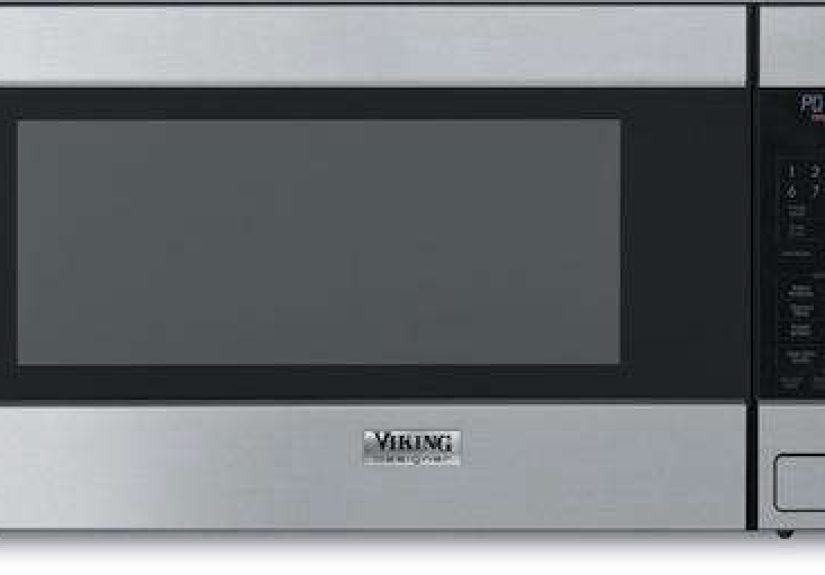
These are your “classic microwave, but make it luxury” options. Depending on the model, Viking offers
built-in-ready designs (often paired with a trim kit) and roomy capacities for big bowls, casserole dishes, and
ambitious popcorn nights. Typical conveniences include sensor cooking, keep-warm settings, and quick time-add buttons
(because nobody wants to re-enter a full cook cycle for 17 seconds).
If your cooking style is mostly reheating, defrosting, steaming veggies, and melting butter without summoning the
smoke alarm, a conventional model is often the best value in the Viking lineupespecially if you want the Viking
look without paying for convection hardware you won’t use.
2) Convection microwave ovens (microwave speed + real browning)
Viking convection microwave ovens aim to solve the classic microwave problem: food gets hot, but not always
good. Convection adds circulating heat so you can brown and crispthink roasted veggies, baked sides, and
reheated pizza that doesn’t taste like it was steamed in a gym bag.
Many Viking convection microwave models support multiple convection modes and include racks so you can cook more than
one dish at a time. Some versions are designed for either countertop use or built-in installation with an optional
trim kit, which is a nice “future-proof” perk if a remodel is coming later.
3) Microwave hoods (the two-in-one space saver)
If you’re working with limited counter spaceor you want your countertop clear for espresso machines you definitely
“need”a microwave hood combo puts the microwave above the range and adds ventilation. Viking offers conventional
microwave hoods and convection microwave hoods, commonly with a 300 CFM ventilation system and options to recirculate
or vent out the back or vertically (depending on your kitchen setup).
The upside: you gain counter space and keep everything centered over the cooktop. The trade-off: hood microwaves tend
to have smaller oven cavities than full built-in units, and you’ll want to pay attention to installation height and
venting choices so it actually works as ventilationnot just a loud fan with dreams.
4) Drawer microwaves (the “why doesn’t everyone do this?” option)
Drawer microwaves slide out like a drawer, so you load from above instead of swinging a door into your hip.
They’re popular in islands and lower cabinets, especially for households that want easier access for kids,
shorter adults, or anyone who has ever tried to remove a bowl of soup from an over-the-range microwave like it’s an
Olympic event.
Viking’s drawer-style options typically emphasize sensor settings, multiple power levels, and one-touch open/close.
Some models add specialized presets like melt/soften, beverage programs, and keep-warm modesfeatures that sound
small until you realize you use them constantly.
5) Speed/convection hybrids (when you want a microwave that can also “do oven things”)
Viking also plays in the speed oven space: appliances that combine microwave energy with convection cooking so you
can cook noticeably faster while still browning and crisping. In practice, that means you can treat it like a
microwave and a legitimate second oven for certain meals. Some Viking units add roast and grill functions,
with enough interior room for a standard 9×13 pangreat for weeknight dinners and entertaining.
Features That Matter (and the Ones That Mostly Win Arguments)
Sensor cooking: the feature you’ll use even if you swear you won’t
Sensor programs adjust time and power based on steam/moisture detection. Translation: better popcorn, more consistent
reheating, and fewer “why is the outside boiling and the center frozen?” moments. Viking uses sensor cooking across
multiple Designer Series styles, including built-in microwaves, hoods, and drawers.
Convection modes: crisping, browning, and “this tastes like an oven did it”
If you want golden edges on roasted veggies, baked sides that aren’t soggy, or reheated leftovers that don’t turn
into mush, convection is the upgrade that changes what your microwave can do. Look for multiple convection settings
and racks if you plan to use it as a real cooking toolnot just a reheating box.
Keep warm + add-a-minute: small buttons, big peace
Keep-warm modes help when dinner timing is chaotic (which is… always). Add-a-minute or add-30-seconds is a tiny
convenience that prevents daily annoyance. It’s not glamorous, but it’s the feature you’ll silently thank at least
twice a week.
Ventilation (for hood models): match the microwave to your cooking reality
Hood microwaves can include built-in exhaust systems (often around 300 CFM). That may be fine for light to moderate
cooking, but if you’re wok-ing, searing, or pan-frying daily, you’ll want to think carefully about whether your
kitchen needs a more powerful dedicated hood.
How to Choose the Right Viking Designer Series Microwave for Your Kitchen
If you want the most “microwave for the money”
Choose a conventional built-in/countertop model with sensor cooking and a trim kit option. You’ll get the Viking
design, everyday convenience, and less complexity than convection.
If you actually cook (not just reheat)
Go convection microwave or speed/convection hybrid. These models are for people who want browned, roasted, baked,
and crisp resultsfaster than a full oven, with less preheat drama.
If you’re short on space
Consider a microwave hood or a drawer microwave. Hoods clear the counter; drawers keep things ergonomic and can be
installed in islands or lower cabinets.
If you’re designing a “clean counter” kitchen
Drawer microwaves are the stealth wealth of kitchen design: they’re functional, they disappear into cabinetry, and
they stop the microwave from dominating your visual space.
Installation and Fit: The Part Where Details Save Your Remodel
Built-in trim kits and cutouts
Many Viking Designer Series microwave ovens can be installed built-in with a trim kit for a flush, integrated look.
Trim kit guides commonly list cabinet cutout targets (for example, cutout opening heights around 16-13/16 inches and
widths around 28 inches for certain Designer Series trim configurations, with separate templates for surface vs.
flush mounting). The exact numbers vary by kit and model, so treat these as orientationnot permission to cut wood
today.
Practical advice: plan the electrical outlet location so it doesn’t land in a prohibited zone behind the unit, and
make sure the supporting shelf/floor is strong and levelsome documentation for built-in microwave installations
references support requirements around 100 pounds when you factor in appliance weight and load.
Hood microwave venting options
Viking microwave hoods are often shipped set up to recirculate, with the ability to vent out the rear or vertically
depending on your ducting. This is a big deal: proper ducting makes the difference between “the kitchen smells fine”
and “why does my house smell like last Tuesday’s salmon?”
Drawer microwave placement
Drawer microwaves are designed for flexible placement: islands, peninsulas, and standard cabinetry. Pay attention to
cutout dimensions, clearance for the drawer’s auto-opening distance, and nearby appliances. If you’re installing it
near a wall oven, some spec sheets call for a minimum gap between the units.
Living With It: Cleaning, Filters, and Warranty Basics
Viking Designer Series microwave ovens are meant to look sharp, so cleaning is part of ownership. For interiors,
gentle cleaners and soft cloths are your friends. For hood models, keep up with filtersespecially if you recirculate.
Some models list replaceable charcoal filters as accessories, which is worth noting before you discover “mystery odor”
is actually “filter overdue.”
Warranty terms can vary by product category and generation, but Viking’s published warranty information includes a
two-year full warranty as a common baseline for many products. Some Viking microwave literature also references
additional limited coverage on specific components like the magnetron tube, depending on model and seriesso check the
documentation for your exact unit.
So… Are Viking Designer Series Microwaves Worth It?
They’re a strong fit if you want (1) a microwave that matches a luxury suite, (2) installation flexibility for a
built-in look, and (3) upgraded cooking capabilities like convection or speed cookingwithout giving up the everyday
convenience features you actually use.
The key is choosing the right style for how you live. If you mostly reheat, don’t overbuy. If you cook and entertain,
a convection microwave or speed oven can become a legitimate weeknight workhorse. And if your kitchen layout is tight,
a hood or drawer microwave can save space and sanity at the same time.
Real-World Experiences With Viking Designer Series Microwave Ovens (Extra)
Let’s talk about the kind of “experience” you only get after the honeymoon phasewhen the microwave isn’t new, it’s
just part of your life, like your keys, your phone, and the realization that you somehow own seven different sizes of
measuring spoons.
The weeknight reheat Olympics
In a busy household, sensor reheat becomes the unsung hero. You throw in a bowl of leftover pasta, tap a sensor
setting, and it comes out consistently hot without turning the edges into lava. The little “add-a-minute” style
button matters more than you’d expect because it keeps you from doing the full keypad dance for small adjustments.
It’s not glamorous, but it’s the difference between “easy dinner” and “why is this taking mental energy.”
The “I want crisp, not just warm” turning point
This is where convection models earn their keep. The first time you reheat pizza and the crust comes out with actual
bite (instead of soft sadness), you realize convection isn’t a fancy labelit changes outcomes. Same for quick
roasted vegetables, toasted sandwiches, or browning the top of a casserole when the main oven is busy. People who
cook often end up using convection mode more than they expected, especially for small-batch cooking where firing up a
big oven feels excessive.
Drawer microwave life: less bending, fewer spills, more “why didn’t we do this sooner?”
Drawer microwaves shine in real kitchens because they’re ergonomic. Loading hot soup from above feels safer than
pulling it out at face height. Kids can reach it more easily (with appropriate safety settings), and the counter
stays cleaner because the microwave isn’t hogging prime real estate. In island layouts, a drawer microwave can become
the “snack station,” keeping traffic away from the cooking zonehelpful when multiple people are in the kitchen and
nobody wants to play bumper cars with boiling water.
The remodeler’s moment: trim kits and the satisfaction of “built-in”
There’s a particular joy in the day the trim kit goes in and the microwave finally looks like it belongs. A built-in
installation can make the whole kitchen feel more intentionaleven if you didn’t change anything else. The flip side
is that installation is detail-driven: cutout sizes, outlet placement, and making sure the supporting surface is
solid and level. People who plan those details early tend to love the final look. People who don’t… learn new words.