Table of Contents >> Show >> Hide
- What Happened: The Chicken Broth Recall in Plain English
- The Specific Product Details: How to Identify the Recalled Cartons
- Why Packaging Failures Are a Big Deal (Even When It’s “Just Broth”)
- Was This a Serious Recall? Understanding “Class II” in Human Terms
- What You Should Do If You Bought the Broth
- Food Safety Reality Check: Signs of Spoilage vs. Signs of Food Poisoning
- Why This Recall Spread Fast: Broth Is a Pantry Power Tool
- How to Avoid Getting Blindsided by Food Recalls Again
- Frequently Asked Questions
- Real-World “Experiences” With a Broth Recall (What It’s Like When This Hits Your Kitchen)
- Conclusion
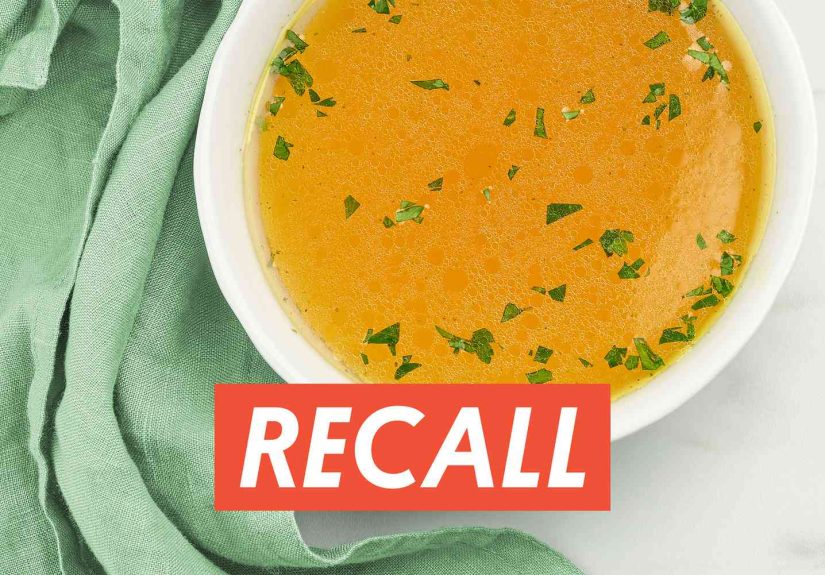
If you’ve ever bought chicken broth “just in case” (aka: to sit in the pantry until the next ice age),
you’re exactly the kind of person this story is aboutand honestly, same. In early 2025, Walmart pulled
more than 12,000 cartons of its Great Value chicken broth after a packaging issue raised concerns that the
broth’s sterility could be compromised. Translation: a shelf-stable staple might not stay shelf-stable,
which is the whole point of shelf-stable.
The good news: no illnesses were reported at the time this recall circulated widely. The not-so-fun news:
with aseptic (shelf-stable) products, spoilage isn’t always obvious. That means the safest move is not
“taste and see,” but “check the code and be done with it.” Let’s walk through what happened, what to look
for, what to do if you have the product, and how to make future recalls less stressful and more “annoying
but manageable.”
What Happened: The Chicken Broth Recall in Plain English
Walmart’s recall involved Great Value Family Size Chicken Broth sold in 48-ounce cartons. The issue wasn’t
an ingredient mix-up or a declared contamination eventit was a packaging concern. Specifically, the recall
was tied to the potential for packaging failures that could compromise the sterility of the product, which
could lead to spoilage.
While “spoilage” sounds like something you’d notice from across the room (green fuzz, dramatic smells, the
broth basically yelling “DO NOT CONSUME”), reality is often more subtle. A compromised package can allow
microorganisms to enter or grow, and the broth may not reliably stay safe over time. This is why packaging
problems still mattereven when the broth looks innocent and soup-ready.
The Specific Product Details: How to Identify the Recalled Cartons
Recalls live and die by the details. “Great Value chicken broth” is not enoughthere are multiple sizes,
multiple production runs, and multiple dates. The recall that made headlines centered on these identifiers.
If your carton matches them, treat it as recalled.
Recalled product identifiers to check
- Brand: Great Value (Walmart)
- Product: Chicken Broth (Family Size)
- Package size: 48 oz carton
- Best if Used By date: March 25, 2026
- Retail Unit UPC: 007874206684
- Case UPC (for distributors/warehouse): 078742066844
- Batch/Lot code: 98F09234
- Scale of recall: 2,023 cases (6 cartons per case) ≈ 12,138 cartons
Where it was sold
Reports indicated distribution across 242 Walmart stores in nine states:
Alabama, Arkansas, Georgia, Louisiana, Missouri, Mississippi, Oklahoma, Tennessee, and Texas. If you live
in one of those states, do the pantry check first. If you don’t, still checkbecause groceries travel,
families travel, and pantry items get shared like they’re Pokémon cards.
Why Packaging Failures Are a Big Deal (Even When It’s “Just Broth”)
Shelf-stable broths are often packaged using aseptic processing: the product is heat-treated
to reduce microorganisms, then sealed in packaging designed to keep it sterile until you open it. When the
package does its job, you can store it at room temperature for a long time without refrigeration.
But that long pantry life depends on a simple promise: the carton stays sealed and intact. If there’s a seal
problem, a tiny leak, or a packaging failure that affects sterility, the broth can spoil earlier than expected,
and bacteria can multiply. The frustrating part is that you may not always detect early spoilage with a quick
sniff testespecially before it becomes obvious.
What “compromised sterility” can lead to
- Accelerated spoilage (the product goes bad before the best-by date)
- Potential foodborne illness risk if harmful bacteria grow and the broth is consumed
- False confidence because the product is marketed as shelf-stable and “safe until opened”
Was This a Serious Recall? Understanding “Class II” in Human Terms
Recall classifications can sound like a school grading system, except nobody wants an “A” here. The FDA uses
categories (Class I, II, III) to describe how risky a recalled product might be.
In updates reported after the initial recall, this chicken broth recall was described as a Class II
event. That generally means the product might cause temporary or medically reversible health consequences, or
the chance of serious consequences is remote. In other words: it’s not “drop everything and evacuate,” but it
is definitely “don’t gamble with your digestive system.”
A helpful way to think about it: Class II is the FDA saying, “This probably won’t cause widespread severe harm,
but it could make people sick, and it shouldn’t be on shelves or in your soup pot.”
What You Should Do If You Bought the Broth
If your carton matches the UPC/lot/date above, the recommendation is straightforward: do not consume it.
Don’t cook with it “just to be safe.” Don’t boil it “to fix it.” Don’t pass it to a roommate you secretly dislike.
The point of a recall is to remove uncertainty, not season it.
Step-by-step: the low-stress recall checklist
- Confirm the identifiers (UPC, best-by date, lot code).
- Do not taste it to “check.” Tossing it is cheaper than losing a weekend to stomach misery.
- Dispose of it safely (seal in a bag if it leaked; clean any surfaces it touched).
- Request a refund through Walmart (in-store is often easiest; bring the carton or a photo of the label).
- If you already consumed it and feel unwell, contact a healthcare providerespecially if symptoms are severe.
If you already used it in a recipe
If the broth is gone but you suspect it matched the recall identifiers, focus on health monitoring rather than
panic. Foodborne illness symptoms can include nausea, vomiting, diarrhea, stomach cramps, and fever. Severe
symptomslike high fever, dehydration, or prolonged/bloody diarrheaare a reason to seek medical help.
Food Safety Reality Check: Signs of Spoilage vs. Signs of Food Poisoning
People often expect spoiled food to make a dramatic entrance. Sometimes it does. Sometimes it absolutely does not.
With shelf-stable broths, you might not notice anything until after openingor not at all until symptoms show up.
That’s why the best protection is matching the recall identifiers, not relying on vibes.
Common spoilage clues (not guaranteed)
- Carton is bloated, leaking, or looks like it took a bad hit in a shipping box
- Strange odor, discoloration, cloudiness, or visible mold after opening
- Off taste (but you shouldn’t “test taste” a recalled item)
Common food poisoning symptoms
- Diarrhea, stomach cramps, nausea, vomiting
- Fever, chills, body aches (sometimes)
- Dehydration signs: dizziness, dry mouth, low urination
If symptoms are severelike fever above 102°F, frequent vomiting that prevents fluids, diarrhea lasting more
than three days, or bloody diarrheatreat that as a “call a doctor” moment, not a “drink ginger ale and hope”
moment.
Why This Recall Spread Fast: Broth Is a Pantry Power Tool
Chicken broth isn’t a niche product. It’s the quiet hero behind weeknight soups, gravies, rice, slow-cooker
meals, and “I swear I’m cooking” ramen upgrades. Because it’s shelf-stable, people buy it in multiples and
store it for months. That long shelf life is great for budgeting and conveniencebut it also means a recalled
carton can hang around long after the news cycle moves on.
That’s why this kind of recall gets attention: it involves a widely distributed private-label staple, a long
best-by date, and a problem (packaging failure) that consumers can’t reliably detect without checking codes.
How to Avoid Getting Blindsided by Food Recalls Again
The goal isn’t to live in fear of your pantry. The goal is to build a simple system so recalls become a quick
check, not an all-day stress spiral.
Make recalls easier with these habits
- Keep purchase history on your side: digital receipts and app purchase history can help confirm what you bought.
- Know where to find codes: UPC under the barcode; lot codes are often stamped near the top seam or near the date.
- Do a “pantry audit” twice a year: check best-by dates, rotate stock, and toss dented or damaged cartons.
- Respect damaged packaging: if a carton is leaking, swollen, or compromised, don’t donate itdiscard it.
- Store smart after opening: refrigerate opened broth promptly and don’t leave it sitting out “while you finish cooking.”
Frequently Asked Questions
Is this recall still relevant if the news was in early 2025?
Yesbecause the recalled cartons had a best-by date in 2026. A shelf-stable product can stay in a pantry long
enough to outlast several phone upgrades, so it’s worth checking.
Can I boil recalled broth to make it safe?
Don’t try to “rescue” recalled products. The recall exists because safety and quality can’t be guaranteed.
Even if heat kills many organisms, it doesn’t undo the uncertainty that prompted the recall.
What if I don’t have the receipt?
Many retailers can still help, especially if you have the product or a photo showing the UPC and best-by date.
If you used Walmart’s app or card-linked purchases, your purchase history may also help.
What if my broth is Great Value but a different size or date?
Then it may not be part of this specific recall. That’s why the UPC, lot code, and best-by date matter.
Match the identifiersdon’t assume.
Real-World “Experiences” With a Broth Recall (What It’s Like When This Hits Your Kitchen)
A recall like this rarely feels dramatic in the moment. It’s not a movie scene where alarms blare and your
pantry door swings open in slow motion. It’s usually more like: you’re halfway through planning dinner, you
glance at your phone, and suddenly your cozy soup ingredient has been promoted to “potential problem.”
One common experience is the pantry scavenger hunt. People start out confident“I’m sure I don’t
have that”and then discover they own three cartons of broth because they bought one every time it was on sale.
(This is also how many of us “collect” pasta.) You end up pulling cartons out like you’re playing kitchen Jenga,
turning them around to find the UPC, squinting at the printed code, and wondering why food labels never use
font sizes meant for human eyes.
Then comes the moment of comparison: UPC matches, best-by date matches, lot code matches. Your brain
tries to negotiate. “It looks fine.” “It smells fine.” “I was going to use it in a slow cooker for eight hours.”
But the practical experiencewhat people learn after a few recallsis that “fine” is not a measurement. Codes are.
At that point, the experience shifts from uncertainty to action: toss it or return it.
Another very real scenario is the refund routine. Some shoppers walk in with the carton, others
bring a photo of the label, and a surprising number discover that their Walmart purchase history has the item
saved. The vibe is usually polite but mildly annoyed, like returning a shirt that didn’t fitexcept the shirt
didn’t have the potential to ruin your weekend. People often report feeling relieved once it’s handled, because
the bigger stress was the “what if?” hanging over dinner plans.
Families and roommates also have the group chat scramble: “Did we buy broth recently?” “Check the pantry.”
“Don’t use it for the stuffing!” It’s not uncommon for someone to find the recalled carton right after they’ve
already poured some into a pot. That’s when the experience becomes a quick pivotdump the pot, sanitize surfaces,
and pick a backup plan (bouillon, stock base, or a different brand of broth).
Finally, there’s the behavior change that sneaks in after. People start storing broth in one
consistent spot, taking quick photos of labels on long-term pantry items, and paying more attention to damaged
cartons at the store. It’s not paranoiait’s pattern recognition. After you’ve dealt with one recall, you learn
a simple truth: your pantry is not just storage, it’s a system. And when that system includes shelf-stable items,
a 30-second code check can be the difference between “cozy soup night” and “why is my stomach auditioning for a
percussion section?”