Table of Contents >> Show >> Hide
- Why This Style Works So Well
- What Makes Walnut Such a Strong Choice
- How to Spot a True Nordic Look
- Best Sizes and Shapes for Real Living Rooms
- Solid Walnut vs. Walnut Veneer: What Should You Buy?
- How to Style a Walnut Nordic Coffee Table
- Best Rooms and Decorating Pairings
- Common Buying Mistakes to Avoid
- How to Care for a Walnut Nordic Coffee Table
- Is a Walnut Nordic Coffee Table Worth It?
- Experience: Living With a Walnut Nordic Coffee Table
- Conclusion
-only HTML for publishing. No source links or citation artifacts included.
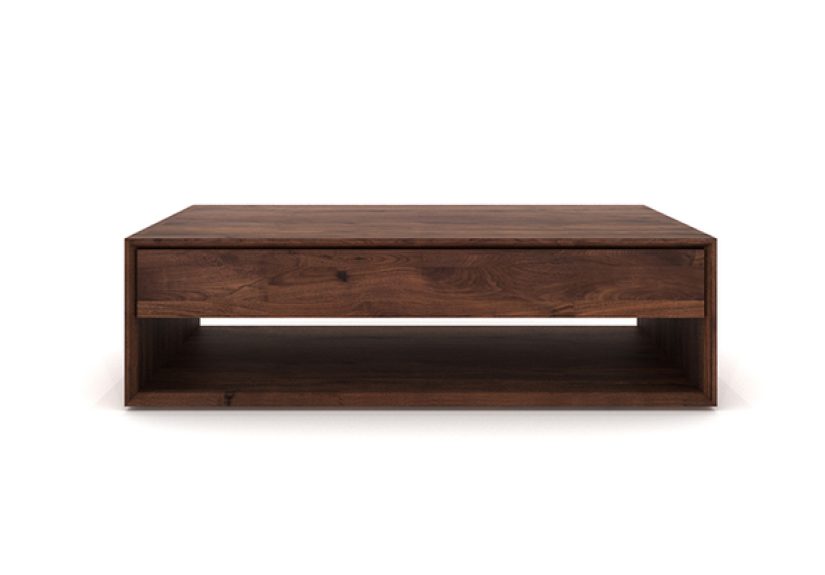
A walnut Nordic coffee table is one of those rare furniture pieces that manages to look calm, expensive, practical, and effortlessly cool at the same time. It does not scream for attention. It does not arrive wearing sequins. It simply sits in the middle of the room looking like it has strong opinions about clean lines, good lighting, and your choice of ceramic mug. And honestly, that is part of the appeal.
If you are shopping for a coffee table that feels warm instead of sterile, modern without becoming cold, and timeless without drifting into “grandma’s formal living room,” walnut in a Nordic design is a smart place to land. This style blends natural wood, thoughtful proportions, and easy everyday function. The result is a table that can work in a city apartment, a family room, a minimalist loft, or a cozy house where the throw blankets outnumber the people.
This guide breaks down what makes a walnut Nordic coffee table special, how to choose the right size and shape, what materials are worth paying for, how to style it, and how to keep it looking good long after the first round of coffee cups and pizza boxes enters the chat.
Why This Style Works So Well
Nordic design, often grouped with Scandinavian style, is known for three big ideas: simplicity, functionality, and warmth. That last one matters. Minimalism gets blamed for making rooms feel like very expensive waiting areas, but Nordic interiors soften clean lines with natural materials, practical comfort, and a lived-in sense of ease.
A walnut coffee table fits that philosophy beautifully. Walnut has depth, character, and rich grain variation, so even a simple table shape feels visually interesting. Pair that with the common traits of Nordic furniture, such as rounded edges, tapered legs, lower profiles, and restrained detailing, and you get a piece that looks elegant without acting dramatic.
In other words, a walnut Nordic coffee table is the design equivalent of someone who wears one great sweater, owns a perfect lamp, and never seems to panic at dinner parties.
What Makes Walnut Such a Strong Choice
It brings warmth to modern rooms
Walnut is beloved for its medium-to-dark brown color, often with chocolate, honey, or slightly purplish undertones depending on the cut and finish. In a living room full of white walls, pale upholstery, black accents, or stone textures, walnut acts like visual balance. It warms things up without making the space feel heavy.
The grain does a lot of decorative work for you
One reason walnut furniture ages so well stylistically is that the wood itself provides detail. You do not need ornate carving, bold patterns, or flashy hardware when the grain already has movement and personality. That makes a walnut coffee table ideal for people who want a room to feel intentional, but not cluttered.
It comes in a range of builds and budgets
Not every walnut coffee table is made the same way. Some are solid walnut, which is often the premium option. Others use walnut veneer over engineered wood, which can still look beautiful while improving price accessibility and, in many cases, dimensional stability. A well-made veneer table is not a scam in furniture form. It can be a smart buy when craftsmanship is solid and edges, finish, and construction are handled well.
It plays nicely with many materials
Walnut looks especially good with boucle, linen, leather, wool, black metal, brushed brass, marble, travertine, and matte ceramics. That flexibility is a big reason it remains popular across mid-century, Japandi, contemporary, and classic Nordic-inspired interiors.
How to Spot a True Nordic Look
Not every wood coffee table with four legs gets to call itself Nordic. The style usually has a few recognizable traits.
Low, relaxed proportions
Nordic coffee tables often sit fairly low, helping the room feel open and grounded. Many real-world retailer examples today land roughly in the 12- to 18-inch-high range, which keeps them visually connected to modern sofas and lounge seating.
Clean lines with softened edges
You will often see rounded corners, slim tabletops, subtle lip edges, tray-style tops, or gently curved forms. These details make the table feel refined and approachable rather than boxy.
Tapered or sculptural legs
Many Nordic-style tables avoid chunky bases in favor of legs that create visual lift. Tapered wood legs, softly rounded cylinders, and airy frame structures all help the piece feel lighter in the room.
Useful design, not fussy design
Storage shelves, lift-tops, open cubbies, or raised edges can all appear in walnut coffee tables inspired by Nordic design, but the best versions keep these features subtle. Function is there, just not shouting from the rooftops.
Best Sizes and Shapes for Real Living Rooms
The prettiest coffee table in the world becomes annoying fast if it is too big, too small, or positioned like an obstacle course. Practical sizing matters just as much as style.
Use the sofa as your anchor
A strong rule of thumb is to choose a coffee table that is about two-thirds the length of your sofa. That usually creates pleasing proportion without making the table feel either lost or overpowering.
Pay attention to height
Your coffee table should generally be around the same height as the sofa seat, or slightly lower. Staying within about 1 to 2 inches below the seat often feels most comfortable for daily use.
Leave enough breathing room
Plan for roughly 14 to 18 inches between the sofa and the coffee table. That is enough room for legs, movement, and basic human dignity while still keeping your drink within reach.
Choose a shape that matches the room’s traffic flow
Round walnut Nordic coffee table: Great for small spaces, apartments, and homes with kids because there are no sharp corners trying to pick fights with shins.
Rectangular walnut coffee table: Best for standard sofas and longer seating zones. It offers generous styling surface and can feel especially elegant with slim tapered legs.
Square coffee table: Ideal for sectionals or seating arrangements where people gather from multiple sides.
Oval coffee table: A smart middle ground when you want the length of a rectangle but a softer visual profile.
If you need a reality check, current market examples range from compact round tables around 32 inches wide to larger square and oval styles reaching roughly 47 to 59 inches. That gives you a good sense of what “small,” “standard,” and “statement” look like in actual product terms.
Solid Walnut vs. Walnut Veneer: What Should You Buy?
This is where many shoppers get stuck, usually sometime after reading product descriptions that sound like they were written by a committee of enthusiastic lumber philosophers.
Choose solid walnut if:
- You want a premium heirloom-style piece.
- You appreciate visible joinery and authentic wood depth.
- You are okay paying more for craftsmanship and material quality.
Choose walnut veneer if:
- You want the walnut look at a more manageable price.
- You like clean, stable surfaces that resist some movement issues associated with solid wood.
- You are buying from a reputable brand that uses quality finishes and construction.
There is no moral superiority in buying one over the other. A badly built solid wood table can still disappoint, and a well-made walnut veneer table can look fantastic for years. The better question is whether the piece feels sturdy, proportional, and well-finished for the price.
How to Style a Walnut Nordic Coffee Table
The best styling is not about filling every inch of surface area. It is about giving the table enough personality to feel finished while still leaving room for actual life. Revolutionary concept, I know.
Start with a tray
A wood, marble, or matte black tray creates structure and keeps small objects from looking randomly abandoned. It also makes cleanup easier when guests arrive and you suddenly remember you own standards.
Layer in height and texture
Try a short stack of art books, a ceramic bowl, and one sculptural object such as a candle, bead garland, or vase. The goal is variation in height and material, not a tiny museum exhibit.
Add something organic
Walnut looks especially beautiful next to branches, greenery, dried stems, or a simple floral arrangement. Natural elements reinforce the Nordic mood and keep the table from feeling too polished.
Respect negative space
Do not cover every inch. One of the reasons Nordic interiors feel calm is that they allow surfaces to breathe. Leave open space for coffee cups, remote controls, board games, and the occasional emergency snack plate.
Best Rooms and Decorating Pairings
A walnut Nordic coffee table is surprisingly versatile, but it shines brightest in certain setups.
In bright, neutral living rooms
Walnut creates contrast against cream sofas, light rugs, and pale walls. It adds depth without needing louder color.
In small apartments
Nordic silhouettes are often visually lighter than bulky traditional tables. A table with slim legs or open lower shelving can make a tight room feel less crowded.
In family spaces
A rounded or oval walnut table can be both stylish and practical. Look for durable finishes, softened edges, and surfaces that do not require ceremonial handling.
With mixed-wood interiors
Yes, you can mix walnut with oak or ash. The trick is to repeat tones intentionally and keep undertones friendly. A walnut table can look great alongside lighter woods if the overall palette still feels balanced.
Common Buying Mistakes to Avoid
- Going too dark in an already dark room: Walnut is warm, but in a room with little natural light and heavy finishes everywhere, it can feel dense. Balance it with lighter upholstery, rugs, or walls.
- Choosing style over function: If you need storage, buy storage. Do not pretend you are suddenly the kind of person who has only one remote and no chargers.
- Ignoring edge shape: Sharp corners look crisp in photos but are less fun when you live with them daily.
- Skipping finish details: Matte, lacquered, oiled, and sealed finishes all behave a little differently in real life. Read care instructions before buying.
- Buying too small: Tiny coffee tables often look cute online and strangely apologetic in person.
How to Care for a Walnut Nordic Coffee Table
Good news: walnut does not require a candlelit ritual and a violin soundtrack. It just needs basic, consistent care.
For routine cleaning
Dust regularly with a soft, lint-free cloth. For deeper cleaning, use a lightly damp microfiber cloth with a small amount of mild dish soap if needed, then wipe dry right away. Wood does not enjoy long, dramatic exposure to moisture.
For daily protection
Use coasters. Use trays. Wipe spills promptly. Yes, this advice is boring. It is also cheaper than refinishing.
For long-term maintenance
Keep the table out of harsh direct sunlight when possible, since strong sun can affect wood tone over time. Avoid abrasive cleaners, overly oily polishes, and random household chemicals that were definitely not designed for finished wood furniture.
For scratches and marks
Minor surface issues can sometimes be improved with products designed for finished wood, but deep damage may require professional refinishing. If the table is veneered, be extra cautious with sanding or aggressive DIY repair attempts. Hero energy is not always rewarded.
Is a Walnut Nordic Coffee Table Worth It?
For many homes, yes. It is one of the easier investments to justify because it works hard visually and practically. It can anchor a room, soften a modern layout, complement many color palettes, and remain stylish through shifting trends. It is not the cheapest coffee table category, especially if you want solid walnut, but it is often a smarter long-term buy than something trendy that starts feeling tired in a year.
If your goal is to create a living room that feels warm, collected, and quietly elevated, this style hits the sweet spot. It is modern but not cold, minimal but not empty, useful but not clunky. That is a rare combination in furniture, and probably why this look keeps surviving trend cycles while flashier pieces come and go.
Experience: Living With a Walnut Nordic Coffee Table
The first thing most people notice after bringing home a walnut Nordic coffee table is not just how it looks, but how it changes the mood of the room. A living room can be perfectly decent before the table arrives, then suddenly feel finished once it is in place. That happened in my own experience with this style. Before the table, the seating area felt like it was waiting for instructions. Afterward, everything had a center of gravity.
What surprised me most was how much walnut affected the atmosphere. The room already had a neutral sofa, a light rug, and black lighting, which looked clean but slightly flat. The walnut tabletop added a warmer, richer note that made the whole space feel more human. It was not loud. It did not dominate. It just made the room less generic. Friends who could not care less about furniture still commented that the space suddenly felt “nicer” without knowing exactly why.
Day to day, a Nordic-style coffee table also changes how you use the room. A lower profile makes lounging feel more relaxed. Rounded edges make movement easier, especially in tighter layouts. If you pick a design with an open shelf, it quietly absorbs the clutter that normally floats around a living room, like remotes, magazines, chargers, and the mysterious coasters that disappear until guests show up.
There is also something satisfying about the balance between beauty and practicality. A good walnut Nordic coffee table looks polished enough for photos but does not feel so precious that you are afraid to live around it. You can set down a book, a candle, a mug, or a bowl of popcorn and still feel like the room is put together. That is a hard balance to achieve. Some furniture wants to be admired from afar. This kind wants to participate in real life.
Over time, the table often becomes a kind of visual diary for the room. In winter it might hold a candle, a stack of heavy design books, and a branch arrangement. In summer it shifts to a ceramic bowl, a linen coaster set, and a lighter decorative object. During busy weeks it becomes command central for mail, headphones, and coffee cups. During holidays it turns into a styling moment. Good furniture adapts, and this style adapts well.
Of course, living with walnut teaches you a few lessons too. You become a coaster evangelist faster than expected. You learn that sunlight hits one corner of the room harder than you thought. You discover that some decorative objects look chic online but ridiculous in your actual house. But even those lessons are part of why this piece feels worthwhile. It is not just décor. It becomes part of your routine.
That, to me, is the strongest argument for a walnut Nordic coffee table. It does not just fill space. It improves the way the room works and feels. It makes ordinary things, like morning coffee, movie night, chatting with friends, or folding laundry in front of the television, happen in a setting that feels calmer and more intentional. And if a piece of furniture can do all that while looking effortlessly stylish, it has absolutely earned its square footage.
Conclusion
A walnut Nordic coffee table is more than a passing trend piece. It is a practical design choice that blends warmth, simplicity, and everyday usability in one smart package. When chosen well, it can anchor a room for years, support real life gracefully, and make even a simple living room feel thoughtfully designed. Whether you prefer a compact round table for a small apartment or a larger rectangular style with hidden storage, this category offers plenty of ways to bring natural wood and Nordic calm into your home without sacrificing function.