Table of Contents >> Show >> Hide
- What Is a Top Sheet?
- Why Do People Use a Top Sheet?
- Do You Really Need a Top Sheet?
- The Hygiene Question: Is Sleeping Without a Top Sheet Gross?
- Pros and Cons of Using a Top Sheet
- Top Sheet or No Top Sheet: Which Setup Is Best?
- How to Use a Top Sheet Properly
- Common Top Sheet Mistakes
- So, Should You Use a Top Sheet?
- Personal Experience: Living With a Top Sheet in the Real World
- Conclusion
A top sheet is one of those innocent-looking pieces of bedding that can turn a calm conversation into a household referendum. Some people tuck it in with military precision and sleep like royalty. Others wake up tangled in it like a burrito that lost confidence halfway through the night. So, what is a top sheet, reallyand do you actually need one?
The short answer: a top sheet, also called a flat sheet, is the thin rectangular sheet placed between you and your blanket, comforter, or duvet. Its job is part comfort layer, part hygiene bodyguard, and part “please do not make me wash the duvet every week” assistant. Whether you need one depends on how you sleep, what bedding you use, how often you do laundry, your climate, and how much you enjoy making your bed without wrestling fabric at 7 a.m.
This guide breaks down the top sheet debate with practical advice, real-life examples, laundry logic, and a little bedding diplomacy. Because yes, there is room in this world for both top-sheet loyalists and duvet-only rebels.
What Is a Top Sheet?
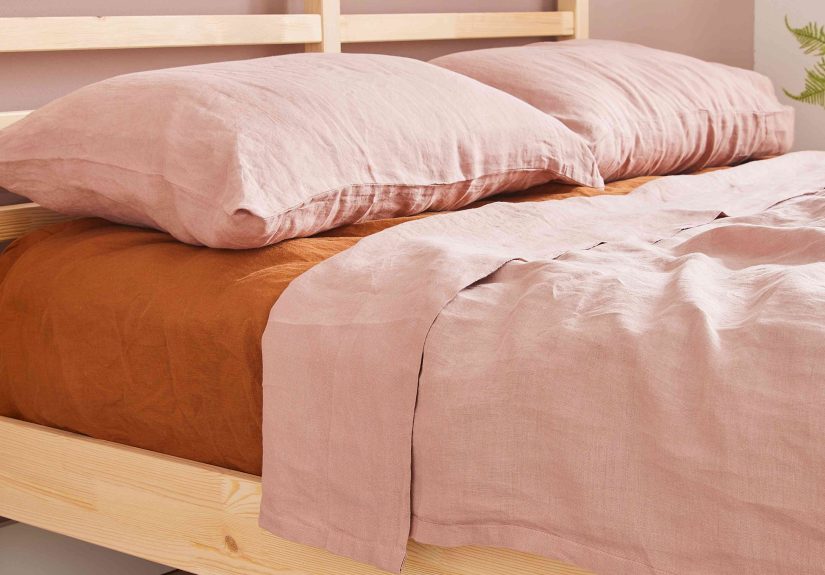
A top sheet is a flat, usually rectangular sheet that lies on top of the fitted sheet and underneath your blanket, quilt, comforter, or duvet. Unlike a fitted sheet, which has elastic corners and hugs the mattress like it has attachment issues, a top sheet has no elastic. It simply drapes over your body and creates a washable barrier between you and your heavier bedding.
Most traditional sheet sets include three main pieces: a fitted sheet, a top sheet, and pillowcases. The fitted sheet protects the mattress. The pillowcases protect the pillows. The top sheet protects the blanket or duvet from direct contact with sweat, body oils, dead skin cells, lotions, pet hair, and the mysterious crumbs that appear even when everyone swears they “never eat in bed.”
Top Sheet vs. Fitted Sheet
The fitted sheet goes directly on the mattress. You sleep on top of it. The top sheet goes over your body. You sleep under it. Think of the fitted sheet as the mattress’s shirt and the top sheet as your bedding’s undershirt. Both can be useful, but they do different jobs.
Top Sheet vs. Duvet Cover
A duvet cover is a removable fabric cover that goes around a duvet insert. Many people who use duvet covers skip the top sheet because the duvet cover itself can be washed. This is common in parts of Europe and increasingly popular in the United States, especially among people who prefer a simpler bed setup.
However, a duvet cover can be bulky and annoying to wash and replace. Anyone who has ever crawled halfway inside a duvet cover trying to find the corners knows this is not a choreit is an indoor sport. A top sheet can reduce how often you need to wash the duvet cover because it absorbs most of the nightly contact.
Why Do People Use a Top Sheet?
Top sheets became popular because they solve a basic bedding problem: people need warmth, but heavy blankets are harder to clean than sheets. A flat sheet gives you a light layer that can be washed frequently, while protecting the heavier bedding above it.
Even today, that is still the main argument for using one. Sheets are easier to wash, faster to dry, and less expensive to replace than comforters or duvet inserts. A top sheet may seem like “extra laundry,” but it can actually save laundry effort if it keeps larger bedding fresher for longer.
It Helps Keep Bedding Cleaner
Every night, your bed collects sweat, skin cells, body oils, hair products, dust, and whatever your dog brought in after dramatically inspecting the backyard. A top sheet catches much of that before it reaches your comforter or duvet. That matters because sheets should usually be washed more often than blankets, comforters, or duvet covers.
If you use a top sheet, your comforter may stay cleaner between washes. This is especially helpful if your comforter is oversized, delicate, expensive, or labeled with laundering instructions that read like a legal contract.
It Adds Temperature Control
A top sheet is also useful when the temperature cannot make up its mind. During warmer months, you may sleep under only the top sheet instead of a blanket. During cooler months, the sheet adds a thin layer of insulation under a quilt or duvet.
This makes it helpful for people who sleep hot but still like the feeling of being covered. A top sheet can offer that cozy “tucked in” feeling without the full weight of a comforter. It is the bedding equivalent of ordering a small coffee instead of a triple espresso and pretending you are being reasonable.
It Makes the Bed Feel More Finished
For many people, a bed with a neatly folded top sheet simply looks more polished. Hotels often use flat sheets because they create a crisp, layered appearance. Fold the top edge over the blanket, smooth the sides, fluff the pillows, and suddenly the bedroom looks like an adult lives thereeven if the laundry basket in the corner is telling a different story.
Do You Really Need a Top Sheet?
No, a top sheet is not legally required by the bedding authorities. There is no mysterious council knocking on doors to inspect your linen closet. You can absolutely sleep without one, especially if you use a washable duvet cover and clean it regularly.
But whether skipping a top sheet is a good idea depends on your bedding routine. If you do not use a top sheet, your blanket, duvet cover, or comforter becomes the layer that touches your body every night. That means it should be washed more often than it would be if a sheet were acting as a barrier.
You Probably Need a Top Sheet If…
You may benefit from using a top sheet if you dislike washing bulky bedding, sleep with pets, sweat at night, use lotions or body oils before bed, have allergies, or own a comforter that is difficult to clean. It is also useful if you live somewhere with changing seasons and want a lighter layer for warm nights.
A top sheet is especially practical for guest beds. Guests may have different comfort preferences, and a top sheet gives them another layer to adjust. Plus, it helps keep the blanket cleaner between visitors. Your guest room does not need to become a five-star hotel, but it should not feel like a camping experiment either.
You May Not Need a Top Sheet If…
You may be perfectly fine without a top sheet if you use a duvet cover, wash it frequently, prefer minimal bedding, or find flat sheets uncomfortable. Some sleepers kick top sheets to the bottom of the bed by morning, where they form a sad little fabric rope. If that is you, forcing yourself to use one may not improve your sleep.
Minimalists also often skip top sheets because fewer layers mean faster bed-making. A fitted sheet, a duvet with a washable cover, and pillows can create a clean and simple setup. The key is consistency: if your duvet cover replaces the top sheet, it needs to be cleaned like bedding that touches your skin.
The Hygiene Question: Is Sleeping Without a Top Sheet Gross?
Not automatically. Sleeping without a top sheet is not gross if you wash the bedding that touches your body often enough. The real issue is not whether you use a top sheet. The issue is whether your sleep surface and covers are being cleaned regularly.
If you use a top sheet, wash it with your fitted sheet and pillowcases about once a week. If you skip the top sheet, wash your duvet cover, blanket, or comforter more frequently because it is now absorbing the sweat, oils, skin cells, and general human seasoning that the sheet would normally catch.
What About Allergies?
For people with allergies, asthma, or sensitivity to dust, clean bedding can make a noticeable difference. Bedding can collect dust mites, pet dander, pollen, and other allergens. A top sheet creates one more washable layer, which may help reduce buildup on heavier bedding.
That said, a top sheet alone is not a magic allergy shield. Wash sheets regularly, keep pets off the bed if they trigger symptoms, use washable covers, and follow care labels. Your bed should be a place to rest, not a tiny indoor ecosystem with decorative pillows.
Pros and Cons of Using a Top Sheet
Pros
The biggest advantage of a top sheet is cleanliness. It helps protect comforters, blankets, and duvet covers from direct body contact. It is also easier to wash than most heavy bedding, which can save time, energy, and wear on more expensive pieces.
Another benefit is comfort flexibility. On hot nights, a top sheet may be enough on its own. On cool nights, it adds a light layer without making the bed feel too heavy. It also gives the bed a traditional, crisp look that many people associate with hotels and freshly made rooms.
Cons
The downside is that a top sheet can shift, bunch, twist, or escape its tucked-in position. For restless sleepers, it may feel like one more thing to fight at 3 a.m. It also adds another step when making the bed and another item to fold, which may be reason enough for some people to say, “No thank you, I already have taxes.”
Top sheets can also feel unnecessary if you already use a washable duvet cover. In that case, the duvet cover may serve the same protective purposeas long as it is washed often enough.
Top Sheet or No Top Sheet: Which Setup Is Best?
The best bedding setup depends on your habits. Here are a few common scenarios.
For Hot Sleepers
If you sleep hot, a breathable cotton, percale, bamboo-derived, or linen top sheet can be useful. It gives you light coverage without trapping as much heat as a comforter. In summer, you may use only the top sheet and keep a quilt folded nearby in case the room cools down.
For Cold Sleepers
If you are always cold, a top sheet can add a small but welcome layer under a blanket or duvet. Choose flannel in winter if you like a warmer feel, or cotton sateen if you want something smooth and cozy without going full hibernation mode.
For Pet Owners
If pets sleep on your bed, a top sheet can help protect your blanket from fur, dander, and dirt. Of course, this assumes your pet respects bedding boundaries, which is a bold assumption. Still, washable layers are your friend.
For Kids’ Beds
For children, top sheets can be useful but not always practical. Some kids kick them off or get tangled. A washable comforter, quilt, or duvet cover may be easier. For older kids, a top sheet can teach good bedding habits and make laundry simpler.
For Guest Rooms
Use a top sheet in guest rooms. It gives guests options, feels classic, and helps keep the blanket cleaner. Even if your guests do not care, the bed will look thoughtfully made. Hospitality is often just cleanliness plus a decent pillow.
How to Use a Top Sheet Properly
To make a bed with a top sheet, place the finished side facing down. That way, when you fold the top edge over the blanket, the decorative or smoother side shows. Align the sheet evenly across the mattress, tuck the bottom edge under the mattress, and tuck the sides if you like a snug hotel-style bed.
If you hate feeling trapped, skip the tight side tuck and leave the sides loose. Bedding should not feel like a fabric prison. The goal is comfort, not reenacting a hospital corner tutorial under pressure.
How Often Should You Wash a Top Sheet?
Wash your top sheet about once a week, along with your fitted sheet and pillowcases. Wash more often if you sweat heavily, sleep with pets, are recovering from illness, eat in bed, or use heavy lotions and hair products. If the sheet smells less than fresh, that is not a mystery to solve. It is laundry day.
What Fabric Is Best for a Top Sheet?
Cotton is a dependable choice because it is breathable, washable, and widely available. Percale cotton feels crisp and cool. Sateen cotton feels smoother and slightly warmer. Linen is breathable and relaxed, with a naturally rumpled look that says “casual luxury” rather than “I forgot to fold this.” Flannel is best for cold weather. Microfiber is usually budget-friendly and soft, though it may feel warmer than natural fibers.
Common Top Sheet Mistakes
One common mistake is using a top sheet but not washing it often. If it touches your body every night, it needs regular cleaning. Another mistake is buying the wrong size. A top sheet should be large enough to tuck at the foot of the bed and drape comfortably over the sides.
Some people also tuck the sheet too tightly and then complain that it feels restrictive. Loosen the sides or only tuck the bottom. Your bedding should support your sleep style, not audition for a military academy.
So, Should You Use a Top Sheet?
Use a top sheet if you want cleaner blankets, easier laundry, flexible warmth, and a more traditional bed setup. Skip it if you prefer a simple duvet-cover system and are willing to wash that cover regularly. Neither choice is morally superior. This is bedding, not a courtroom drama.
The most practical rule is simple: whatever touches your body most often should be washed most often. If that is a top sheet, wash the top sheet. If that is a duvet cover, wash the duvet cover. If that is a throw blanket you grabbed from the couch three weeks ago and now pretend is “part of the bedding,” congratulationsyou have discovered your next laundry assignment.
Personal Experience: Living With a Top Sheet in the Real World
In real life, the top sheet debate usually comes down to habits, not theory. A perfectly layered bed sounds wonderful until Monday morning arrives, the alarm is rude, and the top sheet is crumpled somewhere near your ankles like it had a difficult night. That is why the “best” bedding setup is the one you can maintain without developing a personal feud with your linen closet.
For people who grew up with top sheets, sleeping without one can feel strangely unfinished. The top sheet creates a familiar cool layer when you first slide into bed. In warmer weather, it is often the only cover needed. There is something satisfying about pulling up a crisp sheet after a long day, especially if it has been freshly washed and dried. That first-night sheet feeling deserves its own tiny trophy.
But there is another side. Some people move around a lot during sleep, and for them, a top sheet becomes chaos with thread count. It twists, untucks, bunches near the knees, or disappears under the duvet. Instead of improving comfort, it creates one more thing to fix in the morning. For these sleepers, using a duvet cover without a top sheet may genuinely lead to better rest and easier bed-making.
One practical experience many households discover is that top sheets are most useful when laundry routines are imperfect. Most people intend to wash duvet covers frequently. Most people also intend to drink more water, organize the junk drawer, and answer emails before they become emotional baggage. A top sheet provides a forgiving buffer. Even when the duvet cover does not get washed as soon as planned, the sheet can be removed and cleaned quickly.
Top sheets are also surprisingly helpful for couples with different sleep preferences. One person may want the comforter pulled up to the chin, while the other is radiating heat like a small household appliance. A top sheet gives the warmer sleeper a lighter option and the colder sleeper another layer. It will not solve every blanket disagreement, but it can reduce the nightly tug-of-war.
For guest rooms, experience strongly favors using a top sheet. Guests may not say much about bedding, but they notice freshness. A clean top sheet makes the bed feel more welcoming and gives visitors flexibility. Some may sleep under the sheet only. Others may layer it with a blanket. Either way, the bed feels prepared instead of assembled from whatever survived the laundry pile.
The best compromise is to test both systems for two weeks. Try one week with a top sheet and one week with only a duvet cover or comforter. Pay attention to how well you sleep, how easy the bed is to make, and how realistic the laundry routine feels. Bedding advice is useful, but your actual sleep habits get the final vote.
In the end, a top sheet is not essential for everyone, but it is far from useless. It is a simple, washable layer that can improve cleanliness, comfort, and temperature control. If you love it, keep it. If you hate it, skip it responsibly. The only truly bad option is letting the bedding that touches your body go unwashed for too long and then blaming the top sheet for having “bad vibes.”
Conclusion
A top sheet is a flat sheet placed between your body and your blanket, comforter, or duvet. Its biggest benefits are hygiene, easier laundry, temperature flexibility, and a classic layered bed feel. You do not absolutely need one, especially if you use and regularly wash a duvet cover. But if you want to keep heavier bedding cleaner and make weekly washing easier, a top sheet is a smart, low-drama addition to the bed.
The real answer is not “top sheet forever” or “top sheets are canceled.” The answer is: choose the bedding system you will actually clean and enjoy sleeping in. Fresh, comfortable bedding wins every time.
Note: This article synthesizes current bedding, laundry, sleep hygiene, and home-care guidance from reputable U.S.-focused consumer, home, and sleep publications. It is written as original editorial content for web publishing.