Table of Contents >> Show >> Hide
- Basic Definition: What Is an Excluded Driver?
- How Excluded Drivers Work on a Car Insurance Policy
- Why Would Anyone Exclude a Driver?
- Excluded Driver vs. Removed Driver vs. “Not Listed”
- What Happens If an Excluded Driver Drives Anyway?
- State Laws and Excluded Drivers
- Pros and Cons of Using an Excluded Driver
- How to Handle a High-Risk Driver Without Getting Burned
- Real-World Experiences With Excluded Drivers (Lessons Learned)
- The Bottom Line
If you’ve ever gotten a quote for car insurance and seen the phrase “excluded driver”, you might have had that sinking “Uh oh, what did I do?” feeling. Don’t panic just yet. An excluded driver isn’t a secret blacklist so much as a very specific legal agreement about who your policy will not cover behind the wheel.
Understanding what an excluded driver is – and what happens if they drive anyway – can save you from nasty surprises like denied claims, big lawsuits, and a seriously unhappy bank account. Let’s break it down in plain English.
Basic Definition: What Is an Excluded Driver?
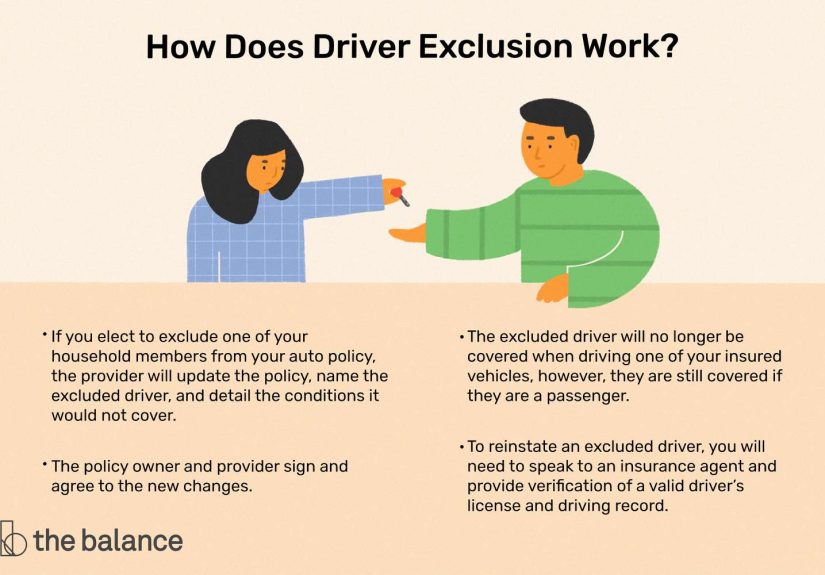
On a car insurance policy, an excluded driver (sometimes called a named driver exclusion) is a person who is specifically listed in your policy documents as not covered when they drive your insured vehicle. If that person gets behind the wheel and has an accident, your insurance company can usually refuse to pay – even if the accident is minor or the situation feels like an “emergency.”
In other words: you’re telling your insurer, in writing, “This person will not drive this car. If they do, you’re off the hook.”
Key points about excluded drivers:
- They are named explicitly on the policy as excluded.
- They typically live in your household or regularly have access to the car.
- Your insurer treats them as if they’re a complete stranger driving your car.
- Many states allow this practice, but some restrict or ban named driver exclusions altogether.
How Excluded Drivers Work on a Car Insurance Policy
Coverage That Usually Disappears
When someone is excluded, your auto insurance company is essentially carving out an exception. If that specific person is operating the car, the following coverages may not apply at all:
- Bodily injury liability – paying for injuries they cause to other people.
- Property damage liability – damage to other vehicles, fences, buildings, etc.
- Collision coverage – repairs to your car after an at-fault crash.
- Comprehensive coverage – if the accident triggers things like towing or related losses.
Some states and insurers treat exclusions a little differently, but the general idea is the same: if the excluded driver is behind the wheel, your policy probably isn’t picking up the tab.
The Paperwork: Driver Exclusion Forms
You don’t usually “accidentally” exclude someone. Most insurers require you to sign a driver exclusion endorsement or form. In some states, the wording of that form is even written into law. For example, New Mexico’s statute spells out a “Driver Exclusion Endorsement” that must be signed by at least one named insured.
By signing, you’re agreeing that:
- The excluded driver will not operate the insured vehicle.
- You understand your insurance will not cover them if they do.
- You accept the financial risk if the exclusion is violated.
Why Would Anyone Exclude a Driver?
Great question. Why would you ever volunteer to give your insurance company permission to deny coverage for someone in your house?
In most cases, it comes down to money and risk.
Common Reasons a Driver Gets Excluded
- High-risk driving history. Multiple at-fault accidents, DUIs, serious violations, or lots of tickets can make premiums skyrocket. Excluding that driver can lower costs for everyone else on the policy.
- New or inexperienced teen drivers. Teen drivers are statistically more likely to crash. Some families exclude a teen until they can afford a separate policy or until the teen’s record improves.
- A household member with a suspended or revoked license. Insurers don’t want to cover someone who legally shouldn’t be driving.
- Divorced or separated households. An ex who still technically lives at the same address might be excluded so their driving record doesn’t affect your rates.
- Insurer requirement. Sometimes the insurance company basically says: “If you want us to keep this policy in force, we need this person excluded instead of canceling.”
For many policyholders, it’s a trade-off: accept the exclusion and a lower premium, or keep everyone covered and pay substantially more – or risk being non-renewed.
Excluded Driver vs. Removed Driver vs. “Not Listed”
Here’s where the terminology gets confusing. Insurers talk about named insureds, listed drivers, permissive users, and excluded drivers. They are not the same thing.
- Named insured: The main person (or people) who owns the policy.
- Listed driver: Someone in the household who is rated on the policy and covered while driving covered vehicles.
- Removed driver: Someone who used to be on the policy but has moved out or has their own policy, so they’re no longer listed – but not specifically excluded.
- Permissive user: A person who occasionally borrows your car with permission and may have some coverage even if not listed, depending on the policy and state.
- Excluded driver: A person explicitly carved out from coverage. If they drive, your policy acts like it never heard of them.
Think of an excluded driver as the insurance equivalent of “access denied.” It’s stronger than simply not listing somebody.
What Happens If an Excluded Driver Drives Anyway?
This is the scary part, and it’s why agents and regulators tend to warn: do not exclude someone if there’s any chance they’ll drive the car.
If the Excluded Driver Causes an Accident
If an excluded driver gets into a crash while driving your car and is at fault, your insurance company will usually:
- Deny the claim for damage to your car.
- Deny liability coverage for injuries and property damage they cause to others.
- Leave you and the excluded driver personally responsible for the bills.
Victims can still sue the excluded driver – and sometimes the vehicle owner – for medical costs, lost wages, pain and suffering, and property damage. Some law firms note that this can lead to serious financial hardship, wage garnishment, or liens if the driver can’t pay.
If the Excluded Driver Is Not at Fault
Let’s say an excluded driver is hit by a careless driver who runs a red light. There are two main possibilities:
- The at-fault driver’s insurance may still pay for damage and injuries, because their liability isn’t affected by your exclusion.
- Your insurer may still refuse to pay under your policy, since the excluded driver was operating the vehicle.
In short, your household is still vulnerable. Being “not at fault” doesn’t magically undo the exclusion.
State Laws and Excluded Drivers
Named driver exclusions are mainly governed by state insurance laws. The rules vary widely:
- Several states explicitly allow driver exclusions via statute or court decisions.
- A few states significantly restrict or prohibit named driver exclusions, seeing them as bad public policy because they can leave injured third parties without easy access to coverage.
- Some states, like Texas and New Mexico, have detailed regulations and form requirements for exclusions.
Because the rules are so state-specific, it’s crucial to:
- Read your policy and any endorsements carefully.
- Ask your agent or insurer how an excluded driver is treated in your state.
- Remember that moving to another state may change what’s allowed or how exclusions are enforced.
Pros and Cons of Using an Excluded Driver
Potential Benefits
- Lower premiums. Removing a high-risk driver from your rating profile can dramatically reduce your car insurance bill.
- Policy survival. Instead of canceling your policy entirely, an insurer might be willing to keep it in force if you agree to exclude one problematic driver.
- Clear boundaries. Everyone understands – or should understand – who is and isn’t allowed to drive the car.
Big Risks
- No safety net if the excluded driver uses the car. One “quick trip” to the store could lead to tens or hundreds of thousands of dollars in uncovered losses.
- Temptation and emergencies. In real life, people bend rules. When someone gets sick, is running late, or feels confident they “won’t crash,” they may decide to drive anyway.
- Legal and financial fallout. Lawsuits, judgments, and credit damage are all on the table if there’s no insurance backing the claim.
For many families, the exclusion only makes sense if they are absolutely sure the excluded person will not drive the insured vehicle under any circumstances.
How to Handle a High-Risk Driver Without Getting Burned
If your insurer is pushing for an exclusion or you’re thinking about requesting one, here are some practical steps:
1. Explore Alternatives Before Excluding
- Ask about higher deductibles to offset the cost of keeping the driver on the policy.
- Get quotes for a separate policy for the high-risk driver with a different company.
- Check whether the driver can be rated on a cheaper vehicle instead of your newest or most expensive car.
2. If You Do Exclude, Be Very Clear
- Have a blunt conversation: “You’re excluded. If you drive this car and something happens, there is no insurance for you.”
- Keep keys away from the excluded driver if necessary.
- Consider putting it in writing within the household, especially with teens or roommates.
3. Review Your Policy Regularly
Life changes: people move, get older, improve their driving record, or clean up a bad past. Periodically review whether the exclusion still makes sense or whether it’s time to revisit adding the driver back on or restructuring coverage.
Real-World Experiences With Excluded Drivers (Lessons Learned)
It’s one thing to talk about excluded drivers in theory. It’s another to see how it plays out in real life. Here are some composite scenarios – based on the kinds of situations attorneys and insurance professionals describe – that show how exclusions can go very right or very wrong.
The “Cheap Now, Expensive Later” Teen Driver
Imagine a family with a 17-year-old son who just got his license and also just dinged the side of the garage. The next renewal comes around, and the family’s auto insurance premium suddenly shoots up. The agent suggests excluding the teen to lower the bill.
On paper, that sounds great: the premium drops, everyone sighs with relief, and the parents insist, “You are not driving this car. Ever.” For a few months, everything is fine.
Then one afternoon, Mom has a migraine, Dad’s stuck at work, and the younger sister needs a ride to soccer practice. The excluded teen thinks, “It’s a ten-minute drive. I’ll be careful.” On the way, another driver cuts him off. He swerves, clips a parked vehicle, and ends up with a multi-car fender-bender.
When the dust settles, the family learns the hard way that their insurer is denying coverage because the excluded driver was behind the wheel. Suddenly they’re on the hook for repairs to their own car and several others – plus potential injury claims. The money they saved on premiums for a year doesn’t come close to the cost of that one accident.
The Roommate With a Rough Record
Now consider a different situation. You’re renting a house with a roommate who has a long list of speeding tickets and a prior DUI. When you apply for car insurance, your insurer wants to rate your roommate as a driver because you share an address. The premium is brutal.
You explain that your roommate doesn’t have a car and won’t be driving yours. The insurer offers a named driver exclusion: you both sign a form confirming your roommate will not drive your vehicle and won’t be covered. With that exclusion, your rate drops to something you can actually afford.
In this scenario, the exclusion can make sense – if you actually stick to it. You don’t hand over the keys, even on a night out when you’ve had a drink. You rely on rideshare, cabs, or a sober friend instead. Because everyone respects the exclusion, it never gets tested in a crash, and you enjoy lower premiums without a disaster.
The “I Thought Emergencies Didn’t Count” Myth
One of the most dangerous misunderstandings around excluded drivers is the idea that, “Well, insurance will understand if it was an emergency.” Often, that’s simply not true. Many policies and legal explanations emphasize that exclusions still apply even if the excluded driver only took the wheel to deal with a medical issue, a family crisis, or a quick urgent errand.
Picture a scenario where a spouse is excluded due to a bad driving record. One day, the primary driver has chest pain in a grocery store parking lot and feels too sick to drive home. The excluded spouse insists on driving them to the hospital – and rear-ends another car at a light. It’s a genuinely sympathetic situation, but the exclusion doesn’t automatically vanish. The insurer may still deny coverage because the excluded spouse was operating the vehicle.
Stories like these are why regulators and consumer advisories warn people not to agree to an exclusion unless they’re truly confident the excluded driver will never drive the car.
Practical Takeaways From These Experiences
- Exclusions are serious, not symbolic. They’re legally binding, and insurers rely on them to deny coverage.
- Household communication matters. Everyone needs to understand what “excluded” really means, preferably before anyone signs anything.
- Plan for emergencies in advance. If an excluded driver can’t drive in a crisis, talk about alternatives: neighbors, rideshare, family, or calling 911 when it’s truly serious.
- Revisit the exclusion over time. As driving records improve or living situations change, it might be safer to restructure the policy instead of keeping a long-term exclusion.
When handled thoughtfully, excluding a driver can be a useful tool to manage insurance costs and risk. When handled casually, it can become a financial landmine just waiting for the wrong moment to explode.
The Bottom Line
An excluded driver is someone your car insurance policy deliberately refuses to cover behind the wheel. It can help you keep premiums manageable or keep a high-risk driver from tanking your insurance – but it comes with serious strings attached. If that person ever drives your car and something goes wrong, you’re likely on your own financially.
Before you sign a driver exclusion form, ask yourself three questions:
- Is there truly zero chance this person will drive my car?
- Do I understand exactly what coverage I’m giving up?
- Have I explored every alternative – even if it costs a bit more?
If you can honestly answer “yes” to all three, an excluded driver could be a workable strategy. If not, it may be safer (and cheaper in the long run) to find another way.