Table of Contents >> Show >> Hide
- What Exactly Is a Rash?
- Common Causes of Skin Rashes
- Types of Common Rashes
- Symptoms to Pay Attention To
- How Doctors Diagnose Rashes
- Treatment Options for Common Rashes
- Prevention: Protecting Your Skin Before a Rash Appears
- When to See a Doctor About a Rash
- Living With Chronic Rash Conditions
- Real-Life Experiences: What Living With a Rash Is Really Like
If you’ve ever looked down at your arm and thought, “Hmm… that was not there yesterday,” you’re in good company. Skin rashes are one of the most common reasons people schedule a visit with a doctor or dermatologist. They can be barely noticeable and mildly itchyor red, angry, and the kind of uncomfortable that makes you want to crawl out of your own skin.
The tricky part? “Rash” isn’t one diagnosis. It’s a broad term that covers dozens of different skin conditions, from eczema and contact dermatitis to psoriasis, hives, fungal infections, and more. Some rashes are harmless and clear up with a little TLC. Others signal infection or an allergic reaction that needs urgent medical care.
This guide walks you through common rashes, their typical symptoms, treatment options, and when it’s time to stop Googling and call a medical professional. It’s educationalnot a substitute for your own doctorbut it should help you feel more confident about what might be going on with your skin.
What Exactly Is a Rash?
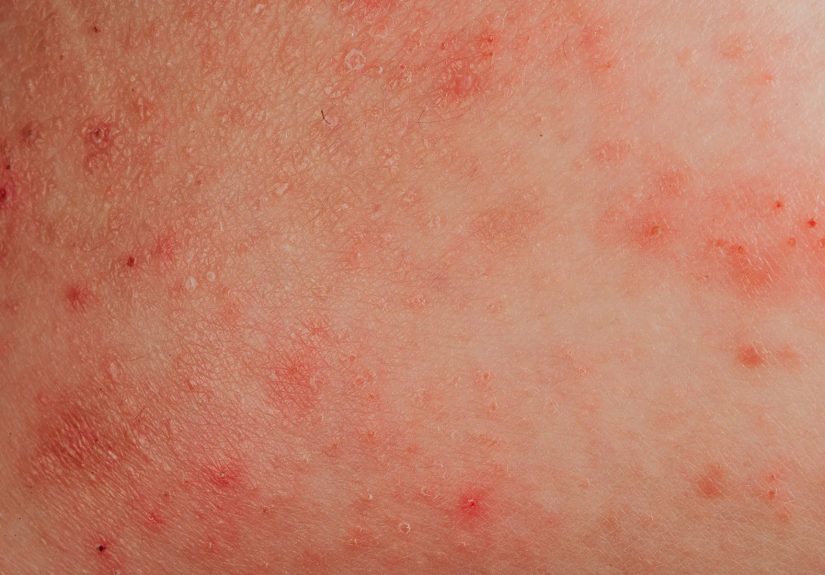
A rash is a noticeable change in the color, texture, or appearance of your skin. It may show up suddenly or gradually, and it can affect a small patch or large areas of the body. Dermatologists often describe rashes based on how they look and feelthose clues help narrow down the cause.
Common rash features include:
- Red, pink, brown, purple, gray, or darker patches of skin
- Small bumps, raised plaques, or flat spots
- Blisters or fluid-filled bumps that may ooze or crust
- Scaling or flaking skin
- Thickened or leathery areas from long-term scratching
- Itching, burning, pain, or tenderness
Rashes can be acute (appearing quickly and going away within days or weeks) or chronic (lasting for months or years and flaring up periodically).
Common Causes of Skin Rashes
There are many reasons you might develop a rash. Some of the most frequent causes include:
- Allergic reactions: Your immune system reacts to something it sees as “foreign,” such as fragrances, preservatives, poison ivy, nickel in jewelry, or certain medications. This often leads to allergic contact dermatitis or hives.
- Irritants: Soaps, detergents, cleaning chemicals, or repeated wet work can damage the skin barrier and cause irritant contact dermatitis, especially on the hands.
- Chronic inflammatory skin conditions: Conditions like atopic dermatitis (eczema) and psoriasis cause recurrent rashes due to a combination of genetics, immune system changes, and environmental triggers.
- Infections: Bacteria, viruses, fungi, and parasites can all cause rashes. Examples include ringworm, athlete’s foot, shingles, and viral exanthems in children.
- Heat and sweat: Hot, humid weather and tight clothing can trap sweat and cause heat rash or intertrigo (rashes in skin folds).
- Systemic illnesses and medications: Some autoimmune diseases, infections, and drug reactions show up with a rash as one of the symptoms.
Types of Common Rashes
1. Atopic Dermatitis (Eczema)
Atopic dermatitisoften just called eczemais a chronic condition that causes dry, itchy, inflamed skin. It’s especially common in children, but adults can absolutely have it too. The rash tends to show up where skin flexes: the inner elbows, behind the knees, on the neck, and around the eyes, hands, and ankles.
Typical symptoms include:
- Very itchy skin (sometimes severe enough to disrupt sleep)
- Dry, cracked, or scaly patches
- Red, purple, brown, or gray discoloration depending on your skin tone
- Small bumps that can ooze or crust if scratched
Eczema happens when the skin barrier doesn’t work as well as it should and the immune system becomes overactive. Triggers can include dry air, harsh soaps, fragrances, stress, sweating, pet dander, and certain fabrics like wool.
Treatment options typically include:
- Daily moisturizing with fragrance-free creams or ointments
- Gentle bathing routines (short, lukewarm showers or baths)
- Topical corticosteroids or non-steroidal anti-inflammatory creams for flares
- Oral medicines, biologic injections, or advanced topicals for moderate to severe cases, under a dermatologist’s care
2. Contact Dermatitis
Contact dermatitis appears when something actually touches your skin and causes irritation or an allergic reaction. You might see a rash exactly where your skin meets the culpritlike under a watchband, along a necklace, or on hands exposed to cleaning products.
There are two main types:
- Irritant contact dermatitis: Caused by substances that physically damage the skin barrier (soap, solvents, frequent hand washing, certain chemicals).
- Allergic contact dermatitis: Caused when your immune system reacts to allergens like nickel, fragrance mixes, preservatives, rubber, hair dyes, or poison ivy/oak/sumac.
Symptoms often include redness, itching, burning, swelling, and sometimes blisters or crusting. The best treatment is identifying and avoiding the trigger, combined with soothing skincare and topical prescription medications if needed.
3. Psoriasis
Psoriasis is a chronic immune-mediated condition that speeds up how quickly your skin cells grow and shed. The most common form, plaque psoriasis, causes well-defined, raised patches (plaques) with thick scale.
Typical features include:
- Red or darker, inflamed plaques covered with silvery-white or grayish scales
- Common locations: scalp, elbows, knees, lower back
- Itching, burning, or soreness
- Possible nail changes or joint pain (psoriatic arthritis)
Psoriasis is not contagious, but it can significantly affect quality of life.
Treatment may include:
- Moisturizers and medicated topical creams or ointments
- Light therapy (phototherapy)
- Oral or injectable medications that calm the immune response
4. Hives (Urticaria)
Hives are raised, itchy welts that often appear and disappear quickly, sometimes changing shape and location over hours. They can be triggered by foods, medications, infections, temperature changes, or pressure on the skin. In many cases, the exact cause is never found.
Red flag: if hives come with swelling of the face, lips, tongue, or throat, trouble breathing, chest tightness, or dizziness, this could be part of a severe allergic reaction (anaphylaxis). That’s an emergencycall your local emergency number right away.
5. Fungal Rashes (Ringworm, Athlete’s Foot, and More)
Despite the name, ringworm has nothing to do with worms. It’s a fungal skin infection that often looks like a red or discolored, ring-shaped patch with a clearer center and a slightly raised, scaly edge. Athlete’s foot and jock itch are similar fungal infections in different locations.
Telltale signs include:
- Itchy, scaly, or cracked skin between the toes or in the groin
- Ring-shaped lesion with an active, slightly raised border
- Sometimes multiple rings that can merge together
These conditions usually respond well to antifungal creams or sprays used consistently for several weeks, plus keeping the area clean and dry.
6. Heat Rash and Intertrigo
Heat rash (also called prickly heat) happens when sweat ducts get blocked and sweat becomes trapped under the skin. Small red or skin-colored bumps appear, and the area may feel prickly or itchy. It’s more common in hot, humid weather and under tight clothing.
Intertrigo is irritation and inflammation in areas where skin rubs togetherlike under the breasts, in the groin, or in abdominal folds. Friction, moisture, and warmth create the perfect environment for redness, soreness, and sometimes fungal or bacterial overgrowth.
Both conditions usually improve with cool, dry air, loose clothing, good hygiene, and sometimes medicated creams if infection is involved.
7. Viral Rashes (Especially in Children)
Various viral infections cause rashes, especially in kids. Examples include hand-foot-and-mouth disease, roseola, fifth disease, and other childhood illnesses. These often come with fever, fatigue, or cold-like symptoms along with a rash that may appear on the trunk, face, hands, or feet.
Because viral rashes can look similar and may be associated with contagious infections, it’s smart to have a pediatrician evaluate any new or widespread rash in a child, especially if a fever is present.
Symptoms to Pay Attention To
While not every rash is a big deal, certain symptoms deserve extra attention:
- Severe itch that interferes with sleep or daily life
- Painful, tender, or burning skin
- Blisters, open sores, or rapidly spreading redness
- Yellow crusts, pus, or other signs of infection
- Fever, chills, or feeling generally unwell
- Joint pain, fatigue, or other systemic symptoms along with a rash
- Rash that appears suddenly after a new medication or food
If you notice sudden swelling of the face or throat, chest tightness, trouble breathing, or a feeling of impending doom, treat that as an emergency.
How Doctors Diagnose Rashes
Dermatologists and primary care providers are basically skin detectives. To figure out what’s causing a rash, they typically:
- Take a detailed history: when the rash started, where it appeared first, how it has changed, and what seems to trigger or relieve it.
- Review your medical history, medications, allergies, job, hobbies, and exposures.
- Examine your skin under good lighting, looking at color, pattern, and distribution.
Sometimes, they may also:
- Do a skin scraping to look for fungal infections under a microscope.
- Perform patch testing to identify contact allergens, such as fragrances or metals.
- Order blood tests if they suspect an autoimmune or systemic condition.
- Take a small skin biopsy for lab analysis in more complex cases.
Treatment Options for Common Rashes
At-Home Care and Lifestyle
For many mild rashes, simple self-care can make a big difference:
- Use gentle, fragrance-free cleansers instead of harsh soaps or scrubs.
- Moisturize daily with thick creams or ointments, especially after bathing.
- Wear loose, breathable clothing (cotton is your friend).
- Avoid scratchingeasier said than done, but scratching can damage skin and raise infection risk.
- Cool compresses can help calm heat and itch.
- Identify and avoid known triggers, like certain jewelry, cosmetics, laundry detergents, or plants.
Over-the-Counter Treatments
Depending on the cause, OTC products may help:
- Hydrocortisone cream: A mild steroid that can reduce itching and inflammation for many minor rashes.
- Antihistamines: Oral antihistamines may help with allergy-related itching or hives.
- Antifungal creams: Useful for ringworm, athlete’s foot, and some rashes in skin folds.
- Calamine or colloidal oatmeal products: Can soothe itchy, irritated skin.
Always follow package directions, and check with a healthcare professional before using OTC steroid creams on infants, the face, or the groin.
Prescription Treatments
For more persistent or severe rashes, prescription treatments might include:
- Stronger topical steroids or non-steroidal anti-inflammatory creams
- Topical or oral antibiotics for infected rashes
- Oral steroids for severe allergic or inflammatory reactions (short-term and closely supervised)
- Immunomodulating medications, biologics, or advanced topical therapies for chronic conditions like eczema or psoriasis
Your provider will tailor treatment based on the cause of the rash, your overall health, and your personal preferences.
Prevention: Protecting Your Skin Before a Rash Appears
You can’t avoid every rashlife happens. But these strategies reduce your risk:
- Choose fragrance-free, dye-free skincare, haircare, and laundry products when possible.
- Protect your hands with gloves when using harsh cleaners or doing “wet work.”
- Moisturize regularly to support your skin barrier, especially in dry or cold weather.
- Shower after intense sweating and change out of damp clothing to prevent heat rash and fungal infections.
- Learn what you’re allergic to (via testing if needed) and avoid those triggers.
- Use sun protectionsome rashes flare with UV exposure.
When to See a Doctor About a Rash
Make an appointment with a healthcare provider or dermatologist if:
- The rash lasts more than a couple of weeks, keeps coming back, or gets worse despite home care.
- You have severe itching, pain, or sleep disruption.
- You suspect an infection (warmth, pus, spreading redness, fever).
- The rash covers a large part of your body.
- You develop a rash after starting a new medication.
- You have chronic conditions like eczema or psoriasis and your usual treatment stops working.
For emergency symptomstrouble breathing, swelling of the lips or tongue, confusion, or a rapidly spreading, blistering rashseek urgent medical care immediately.
Living With Chronic Rash Conditions
Chronic rashes like eczema and psoriasis don’t just affect your skin. They can impact sleep, self-confidence, work, school, and relationships. Managing them often means combining medical treatment with daily habits and support.
Helpful strategies include:
- Creating a consistent skincare routine that fits your lifestyle
- Working closely with a dermatologist or allergist and keeping follow-up appointments
- Tracking triggers (stress, weather, products, infections) in a journal or app
- Seeking mental health support if you feel anxious, depressed, or isolated because of your skin
- Joining patient communities or support groups where others “get it”
With the right plan, many people gain good control of chronic rashes and see a big improvement in comfort and quality of life.
Real-Life Experiences: What Living With a Rash Is Really Like
Reading about rashes in a textbook is one thing. Living with one is another storyoften literally. Many people can tell you exactly how a skin condition has shaped their days, their wardrobes, and even their social lives.
Take someone with long-standing eczema. They may have childhood memories of being slathered head to toe in ointment and wrapped like a burrito in cotton pajamas. As an adult, they might scan every product label in the store, hunting for the words “fragrance-free” and “hypoallergenic.” They know which sweaters itch just by looking at them, and they can tell you which hotel soaps are safe and which ones will set their skin on fire within minutes.
Parents of kids with contact dermatitis often become accidental detectives. They notice that the rash only appears under a particular bracelet, or exactly where a sticker was. They may spend weekends swapping out laundry detergents, cleaning products, or body washes in their home until they finally identify the one ingredient that was quietly causing mayhem. The payoffwatching their child’s skin clear and itch calm downis huge.
People with psoriasis sometimes describe their skin as a “full-time job.” Plaques might flare before big events, during stressful weeks, or during cold, dry months. Long sleeves and pants become a default uniformnot because they’re ashamed, but because constant questions from strangers can be exhausting. Over time, many learn scripts that help: “It’s just psoriasis. It’s not contagious.” A few sentences can shut down awkwardness and open meaningful conversations about chronic illness.
Fungal rashes and heat rashes bring their own unique experiences. Athletes who constantly battle athlete’s foot might swear by a personal routine: breathable socks, shower sandals at the gym, and diligent use of antifungal powder in shoes. People living in hot, humid climates become pros at managing sweat: choosing loose, airy clothing, using absorbent powders in skin folds, and planning cool-down breaks into their day to prevent prickly heat.
There’s also the emotional side. A visible rash on the face or hands can sting more than physically. It might make someone feel self-conscious at work, nervous on a first date, or hesitant to pose for photos. That’s why a good treatment plan doesn’t stop at topical creams. For some, it includes stress management, therapy, or simply having a supportive friend who says, “I see you, not your rash.”
Another thing people frequently mention: how empowering it feels to finally get a name for what’s happening on their skin. Going from “I have this weird rash” to “I have eczema” or “I have plaque psoriasis” changes the story. A diagnosis opens doors to evidence-based treatments, patient organizations, and reliable information. It also helps people recognize that they’re not alonemillions of others are walking a similar path.
Over time, many people with chronic rashes become experts in their own skin. They can tell when a flare is brewing, which fabrics feel safest, which environments set them off, and which self-care rituals provide relief. That lived experience, combined with guidance from healthcare professionals, is often what turns a chaotic, frustrating condition into something more manageable.
If you’re dealing with a rash right nowwhether it’s new or something you’ve had for yearsknow this: your symptoms are real, they deserve attention, and you’re allowed to ask questions and seek better solutions. Working with a medical professional, taking care of your skin day to day, and learning from others’ experiences can all help you move from “Why is this happening?” toward “I have a plan, and I can handle this.”
And if nothing else, you’ll become the go-to “skin expert” in your friend groupbecause once you’ve survived the great mystery rash of 2025, you’ve definitely earned that title.
Sources: