Table of Contents >> Show >> Hide
- What Is HDL Cholesterol?
- Why Is HDL Called “Good” Cholesterol?
- HDL vs. LDL Cholesterol: What Is the Difference?
- What Are Healthy HDL Cholesterol Levels?
- How Is HDL Cholesterol Tested?
- What Causes Low HDL Cholesterol?
- Can You Raise HDL Cholesterol Naturally?
- Foods That Support Healthy HDL Cholesterol
- Foods and Habits That May Hurt HDL Cholesterol
- Can HDL Cholesterol Be Too High?
- Is HDL a Treatment Target?
- When Should You Talk to a Doctor?
- Common Myths About HDL Cholesterol
- Real-Life Experience: Learning What HDL Cholesterol Really Means
- Conclusion
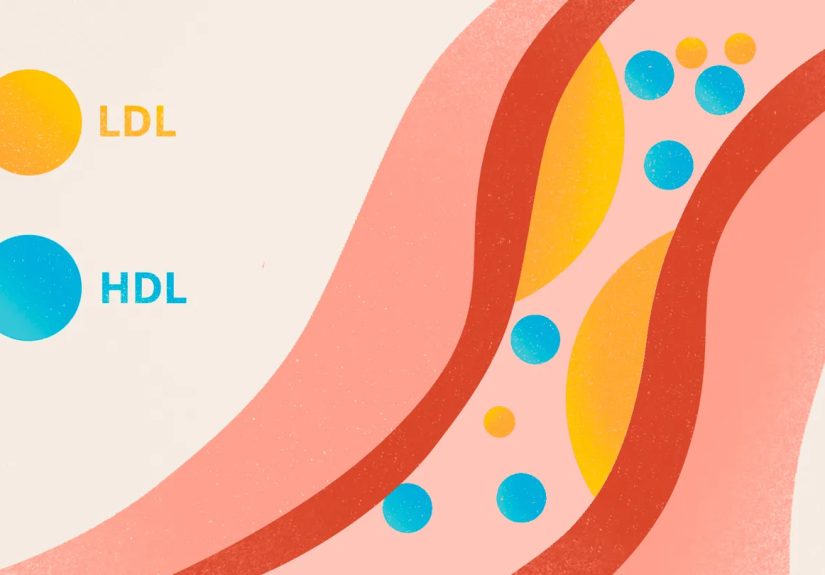
HDL cholesterol is often nicknamed “good cholesterol,” which sounds like it should wear a tiny cape and rescue your arteries before breakfast. In reality, HDL is not a superhero, a villain, or a magic number that lets the rest of your cholesterol report take a vacation. It is a type of lipoprotein that helps carry cholesterol away from the bloodstream and back to the liver, where the body can process it.
Understanding HDL cholesterol matters because your heart health is not judged by one number alone. Doctors look at HDL, LDL cholesterol, triglycerides, total cholesterol, blood pressure, age, family history, smoking status, diabetes risk, diet, activity level, and sometimes other markers. HDL is important, yesbut it is part of a bigger story. Think of it as one character in the cholesterol sitcom, not the whole cast.
In this guide, we will break down what HDL cholesterol is, why it is called “good,” what healthy HDL levels usually look like, how it differs from LDL cholesterol, and how everyday habits may support better cholesterol balance. We will also clear up one of the biggest myths: more HDL is not always automatically better.
What Is HDL Cholesterol?
HDL stands for high-density lipoprotein. Cholesterol itself is a waxy, fat-like substance your body needs to build cells, make hormones, and help produce vitamin D. The problem is that cholesterol cannot travel through your blood by itself very well because blood is watery and cholesterol is fatty. Oil and water do not mixask any salad dressing.
That is where lipoproteins come in. Lipoproteins are particles made of fat and protein that carry cholesterol and other fats through the bloodstream. HDL is one of those carriers. Its job is often described as “reverse cholesterol transport,” meaning it helps move excess cholesterol away from tissues and blood vessels and back toward the liver.
Once cholesterol reaches the liver, the body can recycle it, use it to make bile acids, or remove some of it from the body. This is why HDL cholesterol has earned its friendly nickname. It helps clean up cholesterol traffic, especially compared with LDL cholesterol, which can contribute to plaque buildup when levels are too high.
Why Is HDL Called “Good” Cholesterol?
HDL cholesterol is called “good” because healthy levels are associated with a lower risk of heart disease and stroke. HDL helps remove some cholesterol from the bloodstream, which may reduce the amount available to collect in artery walls.
Arteries are like the highways of your body. Blood needs to move smoothly through them to deliver oxygen and nutrients. When cholesterol-rich plaque builds up inside artery walls, the road narrows. Over time, this process, called atherosclerosis, can increase the risk of heart attack, stroke, chest pain, and other cardiovascular problems.
HDL does not scrub arteries like a kitchen sponge in a cleaning commercial, but it does play a helpful transport role. It carries cholesterol away from where too much of it may cause trouble. That is why low HDL cholesterol can be a warning sign, especially when combined with high LDL cholesterol or high triglycerides.
HDL vs. LDL Cholesterol: What Is the Difference?
The easiest way to understand HDL and LDL cholesterol is to think of them as delivery trucks with different routes.
HDL Cholesterol
HDL cholesterol carries cholesterol away from the bloodstream and back to the liver. In general, higher HDL levels are linked with better heart health, although extremely high HDL may not always be protective.
LDL Cholesterol
LDL stands for low-density lipoprotein. It is often called “bad cholesterol” because high LDL levels can lead to cholesterol buildup in the arteries. Over time, that buildup can form plaque and raise the risk of cardiovascular disease.
Triglycerides
Triglycerides are another type of fat in the blood. Your body uses them for energy, but high triglyceride levels can also raise heart risk, especially when HDL is low or LDL is high.
A healthy cholesterol profile is not simply “high HDL equals good” or “low total cholesterol equals perfect.” A person can have great HDL but still have high LDL. Another person can have average HDL but excellent LDL, blood pressure, blood sugar, and lifestyle habits. Context matters.
What Are Healthy HDL Cholesterol Levels?
HDL cholesterol is measured in milligrams per deciliter, written as mg/dL. In general, low HDL cholesterol is considered a risk factor for heart disease.
For many adults, HDL cholesterol below 40 mg/dL is considered low for men, and below 50 mg/dL is considered low for women. HDL of 60 mg/dL or higher has traditionally been viewed as protective. However, newer research has made doctors more careful about treating HDL as a “the higher, the better” number.
Very high HDL levels, especially above roughly 100 mg/dL, may not always mean lower risk. In some people, extremely high HDL may be related to genetics, alcohol use, inflammation, liver conditions, or differences in how HDL particles function. So if your HDL is unusually high, do not panicbut do not throw a cholesterol party either. Ask your healthcare professional what it means in the context of your full lipid panel and personal risk factors.
How Is HDL Cholesterol Tested?
HDL cholesterol is measured with a blood test called a lipid panel or lipoprotein panel. This test usually includes:
- Total cholesterol
- LDL cholesterol
- HDL cholesterol
- Triglycerides
- Sometimes non-HDL cholesterol
Some tests require fasting, while others do not. Your doctor or lab will tell you what to do. The test is simple, but the results can feel like reading a report card written by a science teacher who loves abbreviations. LDL, HDL, VLDL, TGat some point your cholesterol panel starts looking like a secret code.
The key is to review the full picture with a healthcare professional. They may calculate your cardiovascular risk based on multiple factors, not HDL alone.
What Causes Low HDL Cholesterol?
Low HDL cholesterol can happen for several reasons. Some are lifestyle-related, and others are influenced by genetics, medical conditions, or medications.
1. Smoking
Smoking can lower HDL cholesterol and damage blood vessels. Quitting tobacco is one of the most powerful ways to support heart health. No cholesterol number enjoys hanging out with cigarette smoke. None.
2. Lack of Physical Activity
A sedentary lifestyle is linked with unhealthy cholesterol levels. Regular movement can help raise HDL, lower triglycerides, improve blood pressure, and support weight management.
3. Diet High in Trans Fats or Saturated Fats
Trans fats are especially harmful because they can raise LDL cholesterol and lower HDL cholesterol. Saturated fats can raise LDL cholesterol, which is why many heart-health recommendations encourage replacing some saturated fats with unsaturated fats from foods like olive oil, nuts, seeds, avocado, and fatty fish.
4. Excess Body Weight
Carrying excess weight, especially around the waist, is often linked with lower HDL, higher triglycerides, insulin resistance, and higher cardiovascular risk. Even modest weight loss can improve several heart health markers for some people.
5. Type 2 Diabetes or Insulin Resistance
Diabetes and insulin resistance often come with a pattern of low HDL, high triglycerides, and smaller LDL particles. This combination can raise cardiovascular risk even when total cholesterol does not look wildly dramatic.
6. Genetics
Some people naturally have lower or higher HDL because of inherited traits. This is why two people can eat similar meals, exercise similar amounts, and still have different cholesterol numbers. Biology loves plot twists.
Can You Raise HDL Cholesterol Naturally?
In many cases, lifestyle changes can help support healthier HDL cholesterol levels. However, the goal is not just to chase HDL upward like it is the final score in an arcade game. The real goal is to reduce overall cardiovascular risk.
Exercise Regularly
Physical activity is one of the most reliable habits for improving cholesterol balance. Aerobic activities such as brisk walking, cycling, swimming, dancing, jogging, and hiking may help raise HDL and lower triglycerides. Strength training also supports metabolism and long-term health.
You do not have to become a marathon runner who speaks only in split times. Start with realistic movement: a 20-minute walk, stairs instead of the elevator, weekend bike rides, or a short workout after school or work. Consistency beats heroic one-day efforts followed by a week of couch citizenship.
Choose Heart-Healthy Fats
Replacing trans fats and some saturated fats with unsaturated fats can improve cholesterol patterns. Good options include olive oil, canola oil, nuts, seeds, avocado, and fish rich in omega-3 fats, such as salmon, sardines, and trout.
This does not mean pouring olive oil on everything until your salad needs a lifeguard. Portions still matter. But choosing better fats more often is a smart move.
Eat More Fiber-Rich Foods
Fiber supports heart health, digestion, and blood sugar control. Soluble fiber, found in oats, beans, lentils, apples, pears, barley, and vegetables, can help lower LDL cholesterol. While fiber may not dramatically raise HDL, it improves the overall cholesterol picture.
Quit Smoking
If you smoke, quitting can help raise HDL and sharply reduce heart disease risk. The benefits begin quickly and continue over time. This is one of those health decisions where your heart, lungs, skin, wallet, and future self all send a thank-you note.
Limit Alcohol
Some older studies suggested moderate alcohol intake might raise HDL, but alcohol is not recommended as a strategy to improve cholesterol. Drinking can raise triglycerides, increase blood pressure, add calories, affect sleep, and create other health risks. If you do not drink, there is no heart-health reason to start.
Sleep and Stress Matter Too
Poor sleep and chronic stress can make healthy routines harder to maintain. They may also affect weight, blood sugar, inflammation, and food choices. Getting enough sleep, managing stress, and creating a steady routine can indirectly support better cholesterol health.
Foods That Support Healthy HDL Cholesterol
No single food can “fix” HDL cholesterol overnight. If someone promises that one magic smoothie will clean your arteries by Friday, please step away from the blender. But a heart-healthy eating pattern can help improve cholesterol and cardiovascular risk over time.
Great Choices for a Heart-Friendly Plate
- Oats, barley, and whole grains
- Beans, lentils, and chickpeas
- Leafy greens and colorful vegetables
- Berries, apples, citrus fruits, and pears
- Nuts and seeds
- Fatty fish such as salmon or sardines
- Olive oil and avocado
- Low-fat or unsweetened dairy options, if tolerated
A practical example: instead of a breakfast sandwich with processed meat and cheese every day, try oatmeal with berries and walnuts, Greek yogurt with fruit, or whole-grain toast with avocado and an egg. Instead of fried snacks, try nuts, fruit, or hummus with vegetables. Small swaps add up, especially when they become routine.
Foods and Habits That May Hurt HDL Cholesterol
Some choices can lower HDL or worsen the cholesterol profile overall. These include smoking, not moving enough, regularly eating foods high in trans fats, and consuming too many refined carbohydrates or sugary drinks.
Trans fats are the cholesterol equivalent of inviting a raccoon into your pantry: nothing good comes from it. They can raise LDL cholesterol and lower HDL cholesterol. In the United States, partially hydrogenated oils have been largely removed from the food supply, but it is still smart to read labels, especially on packaged baked goods, fried foods, and shelf-stable snacks.
Refined carbs and added sugars may also raise triglycerides and contribute to weight gain or insulin resistance. That does not mean you can never eat dessert. It means dessert should not be your most consistent food group.
Can HDL Cholesterol Be Too High?
Yes, HDL cholesterol can sometimes be unusually high, and very high HDL is not always automatically protective. This is one of the newer and more interesting areas in cholesterol research.
For years, HDL was treated as the “good” cholesterol with a simple message: more is better. Now experts understand that HDL function may matter as much as HDL quantity. In other words, having more HDL particles does not guarantee those particles are working well.
Some people with very high HDL still develop heart disease, especially if they also have high LDL cholesterol, high blood pressure, diabetes, inflammation, or a strong family history. That is why your doctor may focus more on lowering LDL cholesterol and managing total risk than trying to raise HDL with medication.
Is HDL a Treatment Target?
For most people, HDL is not the main treatment target. Healthcare professionals usually focus on lowering LDL cholesterol, reducing non-HDL cholesterol, controlling blood pressure, managing blood sugar, quitting smoking, and improving lifestyle habits.
Medications that raise HDL have not consistently shown the same benefit as treatments that lower LDL cholesterol. This does not mean HDL is meaningless. It means HDL is a marker that helps tell the risk story, while LDL is often the number doctors actively try to reduce when treatment is needed.
When Should You Talk to a Doctor?
You should talk to a healthcare professional if your HDL is low, your LDL is high, your triglycerides are high, or your cholesterol results confuse you. You should also ask for guidance if you have a family history of early heart disease, diabetes, high blood pressure, kidney disease, obesity, or if you smoke.
Cholesterol problems usually do not cause symptoms. That is the sneaky part. You can feel perfectly fine and still have numbers that deserve attention. Regular screening helps catch risks before they become emergencies.
Common Myths About HDL Cholesterol
Myth 1: High HDL Cancels Out High LDL
Unfortunately, HDL is not a cholesterol eraser. High HDL does not automatically cancel the risk of high LDL cholesterol. If LDL is high, it still needs attention.
Myth 2: Only Older Adults Need to Care About HDL
Cholesterol habits begin early. Diet, activity, sleep, smoking, and weight patterns can affect heart health long before retirement age. Starting young gives your arteries more time to enjoy the benefits.
Myth 3: Thin People Always Have Healthy Cholesterol
Body size does not tell the whole story. A person can be lean and still have unhealthy cholesterol due to genetics, diet, low activity, or other health conditions.
Myth 4: Supplements Are the Best Way to Raise HDL
Supplements are not a shortcut to heart health. Some may interact with medications or cause side effects. Lifestyle changes and medical guidance are safer and more reliable than playing supplement roulette.
Real-Life Experience: Learning What HDL Cholesterol Really Means
Many people first meet HDL cholesterol during a routine checkup. The appointment starts normally: blood pressure cuff, small talk, maybe a polite nod at the scale. Then a few days later, the lab results appear online, and suddenly you are staring at HDL, LDL, triglycerides, and total cholesterol like you accidentally enrolled in medical school.
A common experience is seeing “HDL cholesterol” marked as good and assuming everything is fine. For example, someone may have HDL of 68 mg/dL and think, “Excellent, my arteries are basically luxury highways.” But if LDL cholesterol is also high, the situation needs more attention. HDL helps, but it does not give LDL permission to throw a plaque-building festival.
Another person may see low HDL, such as 38 mg/dL, and feel discouraged. The good news is that low HDL often responds to practical habits. A person who starts walking after dinner, swaps sugary drinks for water, eats more beans and vegetables, and quits smoking may improve not only HDL but also triglycerides, blood pressure, energy, and weight. The number matters, but the daily routine is where the real work happens.
One helpful way to approach HDL cholesterol is to treat it like a health clue, not a personal judgment. A low HDL result does not mean someone has failed. It means the body is giving useful feedback. Maybe it is asking for more movement. Maybe it is pointing to insulin resistance. Maybe genetics are involved. Maybe the sleep schedule has been chaotic, and dinner has been “whatever is available in the freezer at 10 p.m.” Your cholesterol panel is not there to insult you; it is there to inform you.
People who successfully improve their cholesterol often do not overhaul their lives overnight. They make repeatable changes. They add a walk. They keep nuts or fruit nearby instead of chips every day. They cook with olive oil more often. They choose grilled fish sometimes instead of fried foods. They learn to read food labels without needing a dramatic soundtrack. They ask their doctor questions instead of guessing from random internet comments.
The most realistic cholesterol plan is the one you can actually live with. If you hate kale, do not build your entire heart-health plan around kale. There are other vegetables. If running makes you miserable, walk, swim, dance, bike, or play a sport. Your heart does not require you to suffer in designer athletic shoes. It needs consistency.
HDL cholesterol also teaches a bigger lesson: health numbers are connected. A better sleep routine can make exercise easier. Exercise can improve mood and weight management. More fiber can support LDL cholesterol and blood sugar. Quitting smoking can raise HDL and protect blood vessels. One habit often helps another, like a row of health dominoes falling in the right direction.
So, what is HDL cholesterol in everyday life? It is a useful marker, a helpful transport system, and a reminder that heart health is built from patterns. It is not a trophy, not a guarantee, and not something to chase blindly. The smartest move is to know your numbers, understand your full risk profile, and build habits your future self will be very glad you started.
Conclusion
HDL cholesterol is known as “good cholesterol” because it helps move cholesterol away from the bloodstream and back to the liver. Healthy HDL levels are generally linked with lower cardiovascular risk, especially when LDL cholesterol and triglycerides are also in a healthy range. Still, HDL is only one part of the heart-health puzzle.
The best approach is not to obsess over HDL alone. Focus on the full cholesterol panel, heart-healthy eating, regular physical activity, avoiding tobacco, managing weight, sleeping well, and following medical advice when needed. HDL may be the “good” cholesterol, but your heart prefers a whole team effort.
Note: This article is for educational purposes only and is not a substitute for medical advice, diagnosis, or treatment. It synthesizes current information from reputable U.S. health sources, including the American Heart Association, CDC, NIH/NHLBI, MedlinePlus, Mayo Clinic, Cleveland Clinic, Harvard Health, Johns Hopkins Medicine, and FDA.
![18 Best Types of Charts and Graphs for Data Visualization [+ How to Choose]](https://corkopencoffee.org/wp-content/uploads/2026/05/18-best-types-of-charts-and-graphs-for-data-visualization-how-to-choose-qKM1PBYG-thumb.jpg)