Table of Contents >> Show >> Hide
- What Is Sherpa Lining, Exactly?
- Sherpa Lining vs. Shearling: Not the Same Thing
- Why Sherpa Lining Feels So Comfortable
- The Style Benefits of Sherpa Lining
- Where You Will Commonly Find Sherpa Lining
- Is Sherpa Lining Actually Warm?
- Sherpa Lining vs. Other Cold-Weather Fabrics
- How to Style Sherpa-Lined Clothing
- Pros and Cons of Sherpa Lining
- How to Care for Sherpa Lining
- Who Should Buy Sherpa-Lined Clothing?
- Real-Life Experiences With Sherpa Lining
- Final Thoughts
If winter clothes had a personality test, sherpa lining would score high in “gives excellent hugs.” It is soft, cozy, fluffy, and wildly good at making cold-weather outfits feel more inviting. But what exactly is sherpa lining? Is it real wool? Is it the same thing as shearling? And why does one sherpa-lined jacket make you feel like a rugged outdoors person while another makes you look ready for a coffee run and a pumpkin muffin?
The short answer is this: sherpa lining is usually a soft, fuzzy fabric designed to mimic the look and feel of sheep’s wool or shearling. It is commonly used inside jackets, hoodies, coats, vests, boots, and even blankets to add warmth, texture, and comfort. In most modern clothing, sherpa is made from synthetic fibers such as polyester, though some versions may include cotton or acrylic blends. The result is a plush lining that feels warm against the skin and gives everyday clothes that cozy, textured style people love.
That is the basic definition. Now let’s get into the fun part: why sherpa lining is so popular, how it compares with other fabrics, when it works best, and how to wear it without looking like you accidentally borrowed a mountain lodge throw blanket.
What Is Sherpa Lining, Exactly?
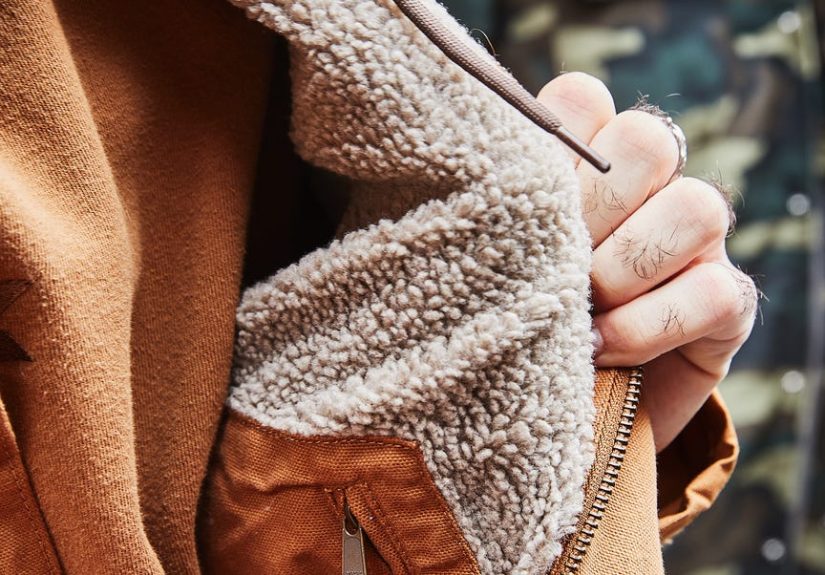
Sherpa lining is a brushed, pile-style fabric with a soft, curly, fleece-like texture. It is made to resemble shearling, which is the hide of a sheep or lamb with the wool still attached. Sherpa gives a similar visual effect, but it is usually lighter, easier to care for, and more affordable than genuine shearling.
In fashion and outerwear, sherpa is often used as an interior lining rather than the main exterior fabric. You will see it inside denim jackets, flannel shirt jackets, corduroy truckers, rain-ready outerwear, fleece pullovers, and cold-weather footwear. Sometimes it lines the entire body of the garment. Other times it appears only in the collar, torso, hood, or pockets, depending on how much warmth the design is aiming to deliver.
One reason sherpa lining is so popular is that it creates a soft layer of insulation without making every piece feel heavy or stiff. It traps warmth close to the body while still offering a casual, approachable look. In plain English, it makes your jacket feel less like equipment and more like comfort food.
Sherpa Lining vs. Shearling: Not the Same Thing
This is where many shoppers get tripped up. Sherpa and shearling may look similar from across the room, but they are not the same material.
Shearling
Shearling is a natural material made from sheepskin with the wool attached. It is durable, insulating, luxurious, and often expensive. True shearling pieces can last for years, but they typically come with a higher price tag and more specific care requirements.
Sherpa
Sherpa is usually a man-made fabric that imitates the fluffy appearance of shearling. It offers a similar cozy look and feel, but at a much lower cost and with easier care. For shoppers who want softness, warmth, and style without stepping into luxury pricing, sherpa lining is often the practical winner.
Think of it this way: shearling is the original star, and sherpa is the talented understudy who knows all the lines and costs a lot less to book.
Why Sherpa Lining Feels So Comfortable
The biggest reason people love sherpa lining is simple: it feels good. Really good. The texture is soft and plush, which makes it pleasant against the skin or over a lightweight shirt. Unlike some stiff linings that feel purely functional, sherpa adds a sensory element that makes clothes feel more relaxed and welcoming.
That comfort comes from the raised pile construction. The fluffy fibers create tiny pockets of air that help retain body heat. This is why sherpa-lined jackets often feel warmer than they look. They are not magic, but they are very good at making a chilly morning feel less dramatic.
Another benefit is that sherpa can soften the wearing experience of tougher outer fabrics. Denim, canvas, duck cloth, corduroy, and even water-resistant shells can feel sturdier on the outside, while sherpa makes the inside feel gentler and more inviting. That combination is a major reason sherpa-lined trucker jackets and workwear-inspired coats remain popular year after year.
The Style Benefits of Sherpa Lining
Sherpa lining is not just about warmth. It also adds instant visual appeal. In clothing, texture matters almost as much as color. A sherpa collar peeking out of a denim jacket or a fleece-lined hood framing the face can make an outfit look richer, more layered, and more seasonal.
It Adds Texture
Smooth fabrics can sometimes look flat, especially in cold-weather outfits dominated by dark colors. Sherpa breaks that up. Its fuzzy texture creates contrast, which helps jackets, boots, and accessories feel more visually interesting.
It Makes Casual Clothes Look Intentional
A plain jacket can feel basic. A sherpa-lined jacket often feels styled. The lining suggests comfort, cold-weather purpose, and a bit of rugged charm. It gives off that “I know how to layer” energy, even if you got dressed while half-asleep.
It Works Across Several Aesthetics
Sherpa lining is surprisingly versatile. It can read outdoorsy, classic, vintage, workwear-inspired, cozy, sporty, or even a little elevated depending on the garment. On a denim trucker, it looks timeless. On a pullover, it feels casual and weekend-ready. On boots or loafers, it adds a winter-friendly luxury touch.
Where You Will Commonly Find Sherpa Lining
Sherpa lining shows up in more places than many people realize. The most common categories include:
Jackets and Coats
This is the classic home of sherpa lining. Denim trucker jackets, canvas chore coats, bomber jackets, flannel shirt jackets, and weather-resistant shells often use sherpa in the body, hood, or collar. Some designs use smoother linings in the sleeves so they slide more easily over sweaters and long sleeves.
Hoodies and Pullovers
Sherpa-lined hoodies are popular because they combine lounge-level comfort with outerwear-like warmth. They are easy to throw on for errands, school pickup, dog walks, or pretending you enjoy early-morning grocery shopping.
Boots and Shoes
In footwear, sherpa-style or faux-shearling linings add warmth and softness. They can make cold-weather shoes feel more comfortable, though they may also create a snugger fit, so sizing matters.
Accessories and Home Items
You will also find sherpa in hats, gloves, slippers, blankets, and throws. The same qualities that make sherpa appealing in clothing also make it a favorite in home comfort products.
Is Sherpa Lining Actually Warm?
Yes, sherpa lining is warm, especially for everyday cold weather. It works well because the fluffy pile helps trap air and hold warmth close to the body. For casual wear, commuting, school runs, weekend outings, and indoor-outdoor transitions, sherpa lining can feel impressively cozy.
That said, warmth depends on the entire garment, not just the lining. A sherpa-lined denim jacket and a sherpa-lined waterproof shell do not perform the same way in wind, rain, or deep winter temperatures. The outer fabric, fit, sleeve construction, hood design, and whether there is additional insulation all affect how warm the piece feels.
If you need something for harsh winter conditions, sherpa lining may be part of the solution, but it is not automatically a substitute for technical insulation or heavy-duty cold-weather gear. Sherpa is best understood as a comfort-forward warmth booster, not a superhero cape for Arctic weather.
Sherpa Lining vs. Other Cold-Weather Fabrics
Sherpa vs. Standard Fleece
Standard fleece usually has a smoother, flatter surface and can feel more athletic or performance-oriented. Sherpa has a higher pile and a wool-like appearance, which makes it feel cozier and more fashion-friendly.
Sherpa vs. Faux Fur
Faux fur is often softer, glossier, and more decorative. Sherpa usually looks more casual and practical. If faux fur is the glamorous cousin, sherpa is the dependable one who brings snacks and remembers the extra charger.
Sherpa vs. Quilted Lining
Quilted linings can provide warmth with a sleeker profile and may be easier for layering under fitted coats. Sherpa feels softer and more tactile, but it can add more bulk depending on the garment.
How to Style Sherpa-Lined Clothing
One of the best things about sherpa lining is that it does a lot of styling work for you. Here are a few easy ways to wear it well:
With Denim and Basics
A sherpa-lined trucker jacket over a white tee, henley, or lightweight knit is a classic combination that never really goes out of style. It feels relaxed, practical, and effortless.
With Workwear Pieces
Sherpa lining pairs beautifully with canvas pants, boots, flannel shirts, and utility-inspired layers. The texture supports that rugged, functional look without making it feel too severe.
With Leggings or Casual Trousers
For a softer everyday outfit, sherpa pullovers and fleece-lined jackets work well with leggings, joggers, straight-leg jeans, or casual trousers. The key is balance: if the sherpa piece is bulky, keep the rest of the outfit a bit cleaner and more streamlined.
As a Statement Texture
If your coat already has sherpa on the outside, let it be the star. Keep the rest of the outfit simple. Too many fluffy pieces at once can shift the vibe from stylish winter layering to “escaped from a very chic bear cave.”
Pros and Cons of Sherpa Lining
Pros
- Soft and comfortable against the skin
- Adds warmth without always requiring heavy insulation
- Creates a cozy, stylish winter look
- Usually more affordable than real shearling
- Often easy to wash and maintain compared with natural shearling
- Works in jackets, shoes, accessories, and home goods
Cons
- Can add bulk in some garments
- May be too warm for mild indoor settings
- Not always ideal for wet, heavy-rain, or technical outdoor use on its own
- Can pill or look matted over time if not cared for properly
- May make sleeves or footwear feel tighter depending on the design
How to Care for Sherpa Lining
Sherpa lining is generally easier to care for than genuine shearling, but it still benefits from a little respect. Tossing it into the wash with rough items, high heat, and pure chaos is a great way to shorten its good looks.
Read the Care Label First
Always start with the garment’s care instructions. Different outer fabrics and blended linings may have different needs.
Use Cold Water or a Gentle Cycle
This helps reduce wear and helps the fabric maintain its texture.
Choose Mild Detergent
Harsh chemicals and heavy product buildup can be rough on soft fleece-like materials.
Avoid High Heat
Air drying or low heat is often the safer option. High heat can affect texture and overall longevity.
Reduce Friction
Fasten zippers, avoid abrasive items, and consider washing sherpa pieces inside out to help minimize pilling and matting.
If sherpa starts looking flattened, a gentle brushing or fluffing after drying can sometimes help revive the texture. No miracles, but enough to keep it from looking like it just came back from a stressful camping trip.
Who Should Buy Sherpa-Lined Clothing?
Sherpa lining is a great choice for people who prioritize comfort, warmth, and casual style. It is especially useful for anyone who wants outerwear that feels cozy but still looks put together. If you like layered outfits, textured fabrics, and clothes that feel a little inviting the second you put them on, sherpa is likely your friend.
It also appeals to shoppers who want the appearance of shearling without the price or upkeep of real sheepskin. For daily wear, school, errands, travel, outdoor gatherings, and relaxed weekends, sherpa-lined pieces hit a sweet spot between fashion and function.
Real-Life Experiences With Sherpa Lining
Ask people why they keep reaching for sherpa-lined clothing, and the answers are usually less about trend reports and more about how the pieces fit into real life. Sherpa wins because it feels reassuring. It is the jacket you grab when the forecast says “cool” but your bones hear “absolutely rude.”
For commuters, sherpa lining often shines during those awkward temperature swings. You leave the house in a brisk morning chill, spend part of the day indoors, and head home after sunset when the temperature drops again. A sherpa-lined jacket can make all of that more manageable without needing a full winter parka. It feels warm while waiting for the bus, comfortable in the car, and casual enough to wear into a coffee shop without looking like you are preparing for a mountain expedition.
Parents often love sherpa-lined layers for the same reason: they are easy. A sherpa hoodie or jacket goes on quickly, feels soft enough that nobody immediately complains, and works for everything from soccer sidelines to weekend errands. It is practical warmth with less drama, which is honestly the dream.
Travelers appreciate sherpa because it adds comfort to long, chilly days. Whether you are road-tripping in the fall, catching an early flight, or heading to a cabin for the weekend, sherpa-lined pieces feel like wearable backup plans. The jacket works as outerwear, but it also doubles as something cozy to wrap up in when the airplane, hotel lobby, or rental car decides to become an icebox.
There is also an emotional side to sherpa lining that people do not always talk about. Some fabrics feel purely functional. Sherpa feels familiar. It reminds people of blankets, winter mornings, bonfires, ski lodges, and the kind of weekends where soup suddenly becomes the main event. That emotional comfort matters. Clothing is not only about looking polished; sometimes it is about making daily life feel a little softer.
Style-wise, sherpa lining often becomes a favorite because it helps outfits feel finished with minimal effort. A basic tee and jeans can look ordinary. Add a sherpa-lined trucker jacket, and the same outfit suddenly feels seasonal and intentional. It is one of those details that gives a wardrobe more personality without demanding advanced fashion math.
Of course, sherpa is not perfect for every moment. Some people find it too warm indoors. Others notice that bulky sherpa-lined pieces are not always ideal under another coat. And if a garment is poorly made, the lining can flatten over time. Still, when the right sherpa piece comes along, it tends to become the one hanging closest to the door because it gets worn that often.
That is probably the best way to understand sherpa lining: not as a flashy fabric innovation, but as a comfort upgrade that fits real routines. It helps everyday clothing feel warmer, softer, and more inviting. It adds style without much effort. And when the weather turns cold and the couch is calling your name, sherpa-lined clothing makes leaving the house feel just a little less offensive.
Final Thoughts
So, what is sherpa lining? It is a soft, fuzzy, usually synthetic fabric designed to mimic the cozy look of shearling while offering comfort, warmth, and an easygoing sense of style. It has become a staple in jackets, pullovers, boots, and accessories because it checks a lot of boxes at once: it feels good, looks good, layers well, and makes cold-weather dressing more enjoyable.
If you want outerwear that feels inviting, photographs well, and earns its place in your closet through actual everyday usefulness, sherpa lining is worth a look. It may not be the most technical fabric in the world, but it understands the assignment. And in winter, that assignment is usually: keep me warm, keep me comfortable, and please do not make me look like I got dressed in the dark.