Table of Contents >> Show >> Hide
- Why You’ll Love This White Bean and Farro Salad
- Ingredients for White Bean and Farro Salad
- How to Cook Farro So It’s Perfect for Salad
- Step-by-Step: White Bean and Farro Salad Recipe
- Is This White Bean and Farro Salad Healthy?
- Easy Variations and Ingredient Swaps
- Serving Ideas
- Make-Ahead, Storage, and Meal Prep Tips
- Frequently Asked Questions
- Real-Life Experiences with White Bean and Farro Salad
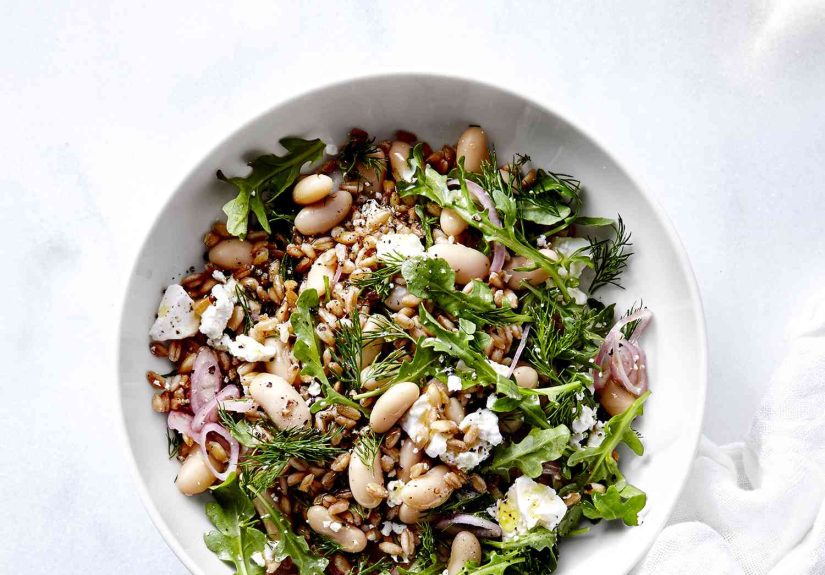
If your usual salad is a pile of sad lettuce and three croutons, this
white bean and farro salad recipe is about to change your whole lunch game.
Think chewy nutty farro, creamy white beans, crunchy veggies, and a bright lemon-garlic
vinaigrette all hanging out in one big bowl. It’s the kind of hearty, healthy grain salad
that actually fills you up and still feels light enough for a workday afternoon.
Farro is an ancient grain with a pleasantly chewy texture and a mild, toasty flavor.
White beans bring silky richness and plant-based protein. Toss in crisp cucumbers,
juicy tomatoes, peppery arugula, and a shower of fresh herbs, and you’ve basically got
a Mediterranean vacation in salad form. No passport required, just a pot and a cutting board.
Why You’ll Love This White Bean and Farro Salad
- Hearty but not heavy: Farro and cannellini beans give you long-lasting energy without a post-lunch food coma.
- High in fiber and plant-based protein: Whole grains like farro and legumes are naturally rich in both, helping keep you full and support digestive and heart health.
- Mediterranean-inspired flavors: Olive oil, lemon, garlic, herbs, and crunchy veggies make every bite bright and fresh.
- Meal-prep friendly: This salad keeps well in the fridge for several days, so you can make it once and eat smart all week.
- Customizable: Swap in whatever veggies, greens, or cheese you have on handthis is a very forgiving recipe.
Ingredients for White Bean and Farro Salad
For the Salad
- 1 cup uncooked farro (pearled or semi-pearled; see cooking notes below)
- 1 (15-ounce) can white beans (cannellini or great northern), drained and rinsed
- 2 cups loosely packed baby arugula or mixed greens
- 1 cup cucumber, diced
- 1 cup cherry or grape tomatoes, halved
- 1/3 cup red onion or shallot, thinly sliced
- 1/4 cup fresh herbs, chopped (such as parsley, basil, dill, or mint)
- 1/3 cup crumbled feta cheese (optional but highly recommended)
For the Lemon-Garlic Vinaigrette
- 1/4 cup extra-virgin olive oil
- 3 tablespoons fresh lemon juice (about 1 large lemon)
- 1 tablespoon red wine vinegar or white wine vinegar
- 1 to 2 teaspoons Dijon mustard
- 1 garlic clove, finely minced or grated
- 1 teaspoon honey or maple syrup (optional, to balance the acidity)
- 1/2 teaspoon kosher salt, plus more to taste
- 1/4 teaspoon freshly ground black pepper
Optional Add-Ins
Use these to customize your farro salad depending on your mood or what’s in the fridge:
- Sliced radishes for extra crunch
- Chopped kale or baby spinach in place of some arugula
- Roasted red peppers or marinated artichokes for a more Mediterranean vibe
- Toasted almonds, pistachios, or walnuts for added crunch and healthy fats
- A drizzle of balsamic glaze over the top just before serving
How to Cook Farro So It’s Perfect for Salad
Farro cooks a lot like pasta: you boil it in plenty of salted water until it’s tender but still
pleasantly chewy. Many U.S. cooking sites recommend this “pasta method” because it prevents
gummy grains and gives you consistent texture every time.
-
Rinse the farro: Place 1 cup farro in a fine-mesh sieve and rinse under cool water.
This removes excess starch and any dust from processing. -
Boil the farro: Bring a large pot of well-salted water (about 4 to 5 cups) to a boil.
Add the farro, reduce heat to a lively simmer, and cook:- Pearled farro: about 15–20 minutes
- Semi-pearled farro: 25–30 minutes
- Whole farro: 35–40 minutes (or follow package directions)
Taste as you go; you want the grains tender with a firm, chewy center.
-
Drain and cool: Drain the farro in a sieve, then spread it on a baking sheet or plate to cool.
You can toss it with a teaspoon of olive oil to prevent sticking and help it soak up flavor later.
Step-by-Step: White Bean and Farro Salad Recipe
1. Make the Lemon-Garlic Vinaigrette
- In a small bowl or jar, whisk together the lemon juice, vinegar, Dijon mustard, garlic, honey (if using), salt, and pepper.
- Slowly whisk in the olive oil until the dressing is emulsified, or shake everything in a jar with a tight lid.
- Taste and adjust: add more lemon for brightness, more honey for sweetness, or more salt/pepper as needed.
2. Build the Salad Base
- In a large mixing bowl, add the cooled cooked farro and the rinsed white beans.
- Add the cucumbers, tomatoes, sliced onions or shallots, and chopped herbs.
- Pour about two-thirds of the vinaigrette over the mixture and toss gently until everything is coated.
- Let the salad sit for 10–15 minutes so the farro and beans can absorb the flavors (this step makes a big difference in taste).
3. Add Greens and Cheese
- Right before serving, add the arugula and feta cheese.
- Toss gently again, adding the remaining dressing if the salad looks dry.
- Taste and adjust seasoninggrains and beans love salt and acid, so don’t be shy with lemon and seasoning.
Transfer the salad to a serving bowl, garnish with extra herbs or a crack of black pepper,
and prepare to impress yourself (and whoever’s lucky enough to be eating with you).
Is This White Bean and Farro Salad Healthy?
Short answer: yes. Longer answer: this is the kind of salad that dietitians and food editors
quietly recommend all the time because it checks a lot of boxes.
-
High in fiber: Farro and white beans are both naturally rich in dietary fiber,
which can support digestive health and help maintain healthy cholesterol levels. -
Plant-based protein: Farro contributes a solid amount of protein, and beans help
create a more complete protein profile when combined with grains. -
Anti-inflammatory ingredients: Many Mediterranean-style salads that combine whole
grains, beans, and colorful vegetables are considered supportive of an anti-inflammatory eating pattern. -
Heart-healthy fats: Extra-virgin olive oil provides monounsaturated fats, a key
component of heart-friendly diets. -
Lots of micronutrients: Fresh herbs, leafy greens, and veggies add vitamin C,
vitamin K, folate, and a range of antioxidants.
If you’re watching sodium, use low-sodium canned beans, go easy on the feta, and salt the dressing to taste.
For a vegan version, simply leave out the cheese or use a dairy-free alternative.
Easy Variations and Ingredient Swaps
Different Beans
- Chickpeas: Add a slightly nutty, firm bite and pair well with lemon and herbs.
- Butter beans: Great if you want an extra-creamy texture.
- Navy or great northern beans: Mild and versatile if that’s what you have in the pantry.
Other Grains
No farro in the pantry? You can swap in other whole grains such as quinoa, brown rice, wheat berries, or wild rice.
They all offer a hearty texture and play nicely with the same dressing and mix-ins.
Change Up the Dressing
- Lemon-tahini dressing: Whisk tahini, lemon juice, garlic, and water until smooth for a creamier Mediterranean twist.
- Basil pesto vinaigrette: Stir a spoonful of pesto into your olive oil and lemon juice for a fresh, herb-heavy flavor.
- Balsamic vinaigrette: Swap lemon for balsamic vinegar for a sweeter, deeper flavor profile.
Add More Veggies
This salad is an excellent “fridge clean-out” recipe. Dice up bell peppers, toss in roasted carrots, shave fennel, or
add blanched green beans for even more crunch and color.
Serving Ideas
- Main dish lunch: Serve a big bowl with a side of fruit or a small cup of soup.
- Potluck or picnic: This salad travels well, holds up at room temperature, and doesn’t wilt quickly.
- Side dish for dinner: Pair it with grilled chicken, fish, tofu, or roasted vegetables.
- Desk lunch hero: Portion it into containers on Sunday and feel smug about your life choices all week.
Make-Ahead, Storage, and Meal Prep Tips
- Chill time is flavor time: The salad tastes even better after it sits in the fridge for a few hours as the farro and beans absorb the dressing.
- Storage: Store leftovers in an airtight container in the refrigerator for up to 4–5 days. Add delicate greens like arugula just before serving for best texture.
- Separate components: For maximum freshness, keep the dressing in a jar and toss it with the salad right before eating if you plan to store it longer than a couple of days.
- Lunch boxes: This makes an ideal grab-and-go lunch. Pack it with an extra lemon wedge to perk up the flavors at work.
Frequently Asked Questions
Can I make this salad gluten-free?
Farro is a wheat-based grain, so it’s not gluten-free. To make a gluten-free version, swap the farro for quinoa,
brown rice, or wild rice. You’ll get a similar hearty texture with a slightly different flavor profile.
Can I serve it warm?
Absolutely. Toss the warm farro with the dressing and beans first, then add the veggies and greens right before serving.
The slight warmth helps the vinaigrette soak in and makes the salad especially cozy in cooler weather.
What kind of white beans work best?
Cannellini beans are the most classic choice because they’re creamy and hold their shape well,
but great northern or navy beans also work. If you only have chickpeas, they’ll still be deliciousjust a bit firmer.
Real-Life Experiences with White Bean and Farro Salad
Every cook I know has that one “house salad” that mysteriously appears at every gatheringpotlucks, birthdays, random Tuesdays.
This white bean and farro salad is one of those recipes. The first time you bring it somewhere, you’ll spend the entire evening
reciting the ingredient list to curious guests who “don’t usually like salad, but this is really good.”
One of the best things about this recipe is how forgiving it is in real life. Maybe you were distracted, and the farro cooked
a few minutes longer than planned. No problemonce it’s tossed with lemon, olive oil, and salt, it still tastes great.
Maybe the store was out of arugula, so you ended up with a bag of spinach-kale mix. Still works. Maybe your “cup of herbs”
is actually whatever’s surviving in the back corner of the fridgesome parsley, a bit of dill, and that lonely sprig of mint.
Somehow it all comes together, and it tastes intentional.
It’s also the kind of salad that quietly solves a lot of everyday food situations. You want something
healthy but not boring. You’re trying to eat more plants (hello, beans and greens).
You have half a can of beans and a random cucumber you don’t want to waste. Or you’re feeding a mixed group:
the vegetarians, the “just give me protein,” the “I’m cutting back on bread,” and the “I’ll eat anything if there’s cheese on it.”
This salad lets everyone find their happy spot: keep it vegan by skipping the feta, or add extra cheese and nuts for the folks
who love richness and crunch.
If you meal prep, this salad is especially satisfying. There’s something oddly calming about opening your fridge midweek
and seeing a big container of this ready to go. While everyone else is panic-ordering takeout, you’re scooping
out a bowl of chewy grains, creamy beans, and bright veggies, squeezing a little extra lemon over the top like the competent adult you are.
Your future self will genuinely thank your past self for making a batch on Sunday night.
Over time, most people end up personalizing this recipe without even realizing it. Maybe you always add toasted almonds
because you like the crunch, or you’ve discovered that a spoonful of basil pesto whisked into the dressing makes it taste
like something from your favorite café. Perhaps you’ve decided that a handful of chopped sun-dried tomatoes is non-negotiable.
That’s the beauty of a solid base recipe like this: it becomes a framework for your own kitchen style.
And then there are the small, cozy moments this salad sneaks into. Eating a bowl at your desk while answering emails.
Serving it on the side of grilled chicken on a warm evening. Bringing it in a big bowl to a friend who just had a baby,
because they deserve more than another pasta bake. It’s humble food, made from pantry staples and simple produce,
but it shows up in meaningful ways: nourishing, colorful, and just special enough to feel like you put in real effort
even when you didn’t.
So the next time you’re wondering what to do with that bag of farro and can of beans, remember this recipe.
It’s not just a white bean and farro salad. It’s an easy, flexible, reliably delicious dish
that fits into real lifemessy schedules, imperfect ingredients, and all.