Table of Contents >> Show >> Hide
- The quick answer: obesity creates a perfect storm for high blood pressure
- How excess weight changes the cardiovascular workload
- The real mechanisms behind obesity-related hypertension
- 1. Visceral fat acts like an endocrine organ
- 2. The sympathetic nervous system gets overactivated
- 3. Insulin resistance and hyperinsulinemia add fuel to the fire
- 4. The kidneys get dragged into the problem
- 5. Sleep apnea turns nighttime into a blood pressure stress test
- 6. Inflammation and metabolic syndrome make the system more fragile
- Why not every person with obesity develops hypertension
- Signs that obesity-related hypertension may be developing
- Can weight loss really lower blood pressure?
- What actually helps manage hypertension in obesity
- Real-world experiences: how this often shows up in everyday life
- Conclusion
Obesity and high blood pressure are frequent tag-team partners, and unfortunately, they are not the fun kind that show up at a backyard cookout with extra guacamole. When body fat risesespecially around the abdomenthe cardiovascular system has to adapt, compensate, and eventually complain. That complaint often shows up as hypertension.
So why does hypertension occur in obesity? The short answer is that excess body fat changes how the body handles blood volume, sodium, hormones, insulin, inflammation, sleep, and kidney function. In other words, obesity does not just add pounds; it changes physiology. The result is a setup that makes blood vessels tighter, fluid retention more likely, and blood pressure harder to control.
The quick answer: obesity creates a perfect storm for high blood pressure
High blood pressure in obesity is rarely caused by one single thing. It is usually the result of several overlapping mechanisms working at the same time. Extra fat tissue increases the body’s demand for oxygen and nutrients, so the heart has to push more blood through the system. Meanwhile, hormones and nerve signals shift in ways that encourage the kidneys to hold on to sodium and water. Blood vessels become less flexible, inflammation rises, insulin resistance often develops, and sleep apnea may pile on even more pressure.
Think of it like a house with rising water pressure, narrower pipes, and a thermostat that keeps making bad decisions. Everything still works for a while, but the strain keeps building. That is why obesity-related hypertension often develops gradually and quietly.
How excess weight changes the cardiovascular workload
More body tissue means more blood has to circulate
When a person carries more body mass, the circulatory system has to serve more tissue. That means the heart often pumps a greater volume of blood. At first, the body may compensate without obvious symptoms. Over time, though, this higher workload can raise pressure inside the arteries.
Blood vessels can become stiffer and less cooperative
In many people with obesity, blood vessels do not relax as easily as they should. Healthy arteries are supposed to widen and narrow smoothly depending on what the body needs. But obesity is associated with endothelial dysfunction, low-grade inflammation, and metabolic changes that make the vessel wall less responsive. When arteries stay tighter, blood pressure climbs.
This is especially true when obesity is centered around the waist. Visceral fatthe deeper abdominal fat packed around internal organsis more metabolically active than the softer fat under the skin. That makes it more strongly associated with vascular dysfunction, metabolic syndrome, and high blood pressure.
The real mechanisms behind obesity-related hypertension
1. Visceral fat acts like an endocrine organ
Fat tissue is not just passive storage. It behaves like an endocrine organ, meaning it releases hormones and signaling molecules that affect the rest of the body. In obesity, especially central obesity, adipose tissue can produce substances that encourage blood vessel constriction, fluid retention, inflammation, and activation of the renin-angiotensin-aldosterone system, often shortened to RAAS.
RAAS is one of the body’s major blood pressure control systems. When it becomes overactive, blood vessels constrict and the kidneys retain more sodium and water. Visceral fat can increase production of angiotensin-related compounds, which is one reason belly fat has such an outsized role in hypertension risk.
2. The sympathetic nervous system gets overactivated
Obesity is also linked to increased activity of the sympathetic nervous systemthe body’s “fight or flight” wiring. When sympathetic tone stays elevated, heart rate can rise, blood vessels can constrict, and the kidneys may reabsorb more sodium. All of that pushes blood pressure upward.
One hormone involved here is leptin. Under normal circumstances, leptin helps regulate appetite and energy balance. In obesity, leptin levels are often high, but the body becomes less responsive to its appetite effects. Unfortunately, the signal that stimulates sympathetic nervous system activity may still remain active. So the appetite benefit fades, but the blood pressure burden hangs around.
3. Insulin resistance and hyperinsulinemia add fuel to the fire
Many people with obesity develop insulin resistance, meaning their cells do not respond to insulin as effectively. To compensate, the body produces more insulin. That extra insulin can contribute to sodium retention, sympathetic activation, and changes in blood vessel function. Together, these effects can raise blood pressure.
This helps explain why obesity, hypertension, prediabetes, type 2 diabetes, and metabolic syndrome often travel in the same social circle. They are biologically connected.
4. The kidneys get dragged into the problem
The kidneys are central to blood pressure regulation because they control sodium and fluid balance. In obesity, the kidneys may retain more sodium than they should, which increases blood volume and pushes pressure higher. Structural changes may also occur, including fat accumulation around the kidneys and altered pressure within the kidney itself.
That combination can impair natriuresis, which is the body’s ability to excrete sodium properly. If sodium stays in, water tends to stay in too. More fluid in circulation means more pressure inside the arteries. This is one reason high-sodium diets can hit especially hard in people who already have obesity-related hypertension.
5. Sleep apnea turns nighttime into a blood pressure stress test
Obesity increases the risk of obstructive sleep apnea, a condition in which breathing repeatedly stops and starts during sleep. Every time oxygen levels dip, the body responds like it is being startled awake: stress hormones rise, sympathetic activity increases, and blood pressure gets another nudge upward.
Over time, untreated sleep apnea can contribute to persistent or resistant hypertension. This is why some people improve their blood pressure not only by losing weight, but also by treating sleep apnea with interventions such as CPAP when appropriate.
6. Inflammation and metabolic syndrome make the system more fragile
Obesity is associated with chronic low-grade inflammation. Fat tissue can release inflammatory cytokines that affect blood vessel health, insulin sensitivity, and hormone signaling. Add in abnormal cholesterol, elevated blood sugar, and abdominal obesity, and you have the classic setup for metabolic syndrome.
Metabolic syndrome is clinically important because it reflects a cluster of abnormalities that increase the risk of hypertension, heart disease, stroke, and kidney problems. In many adults, obesity is the doorway through which the rest of these issues walk in.
Why not every person with obesity develops hypertension
Obesity increases the risk of hypertension, but it does not guarantee it. Some people develop high blood pressure early, while others do not. Several factors influence that difference, including genetics, age, race and ethnicity, physical activity, sodium intake, alcohol use, sleep quality, stress, and where fat is stored in the body.
That last point matters a lot. Two people can have the same body mass index, but very different health profiles. A person with more visceral fat around the abdomen often faces a higher blood pressure risk than someone whose extra weight is carried more peripherally. Waist size can sometimes tell a more useful story than the scale alone.
Signs that obesity-related hypertension may be developing
Hypertension is often silent. Many people only discover it during a routine checkup, a pharmacy screening, or a visit for another problem. Still, there are clues that should raise suspicion, especially in a person with obesity:
- Increasing waist circumference or central obesity
- Snoring, poor sleep, or suspected sleep apnea
- Prediabetes, diabetes, or insulin resistance
- High sodium intake and low physical activity
- Family history of hypertension or cardiovascular disease
- Swelling, shortness of breath, or declining exercise tolerance
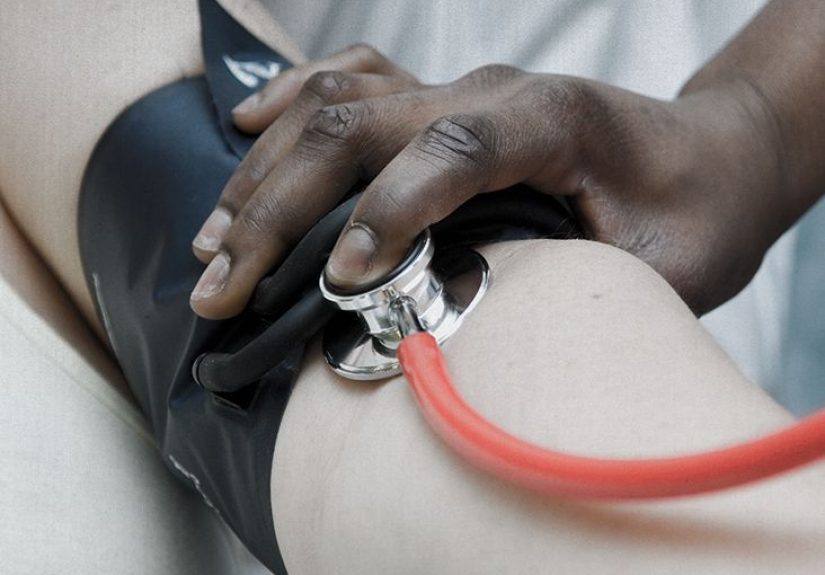
The only reliable way to know is to measure blood pressure correctly and consistently. Home blood pressure monitoring can be especially helpful because it shows patterns over time, not just a one-time reading in a clinic.
Can weight loss really lower blood pressure?
In many cases, yes. Weight loss can reduce blood pressure because it addresses several root drivers at once. It may lower sympathetic activity, improve insulin sensitivity, reduce RAAS activation, decrease visceral fat, improve sleep apnea, and make the kidneys more effective at handling sodium and water.
That does not mean the solution is instant or easy. Sustainable progress usually comes from combining several habits rather than chasing a magic trick from the internet that promises to “melt belly fat by Tuesday.” In real life, the most effective strategies are usually boring in the best possible way: better food quality, less sodium, more movement, better sleep, and treatment of related medical issues.
What actually helps manage hypertension in obesity
Nutrition changes that lower the pressure load
Reducing sodium, cutting back on ultra-processed foods, increasing fiber, and following an eating pattern similar to the DASH diet can help. Meals built around vegetables, fruit, beans, nuts, whole grains, lean protein, and unsweetened beverages usually support both weight control and blood pressure improvement.
Regular physical activity
Exercise helps with blood pressure even before major weight loss occurs. It improves vascular function, supports insulin sensitivity, reduces visceral fat over time, and helps maintain a healthier body weight. Walking, cycling, swimming, and resistance training can all be useful when done consistently and safely.
Sleep apnea evaluation and treatment
If a person with obesity has loud snoring, daytime fatigue, morning headaches, or resistant hypertension, sleep apnea should be on the radar. Treating it can improve energy, sleep quality, and sometimes blood pressure control.
Medication when needed
Lifestyle changes matter, but some people also need antihypertensive medication. That is not failure; that is physiology. When blood pressure is significantly elevated or there are signs of cardiovascular or kidney risk, medication can be an important part of treatment while lifestyle changes do their slower, steadier work.
Real-world experiences: how this often shows up in everyday life
In real life, obesity-related hypertension rarely arrives with a grand announcement. It tends to show up in patterns. A person gains weight gradually over several years, often around the abdomen. They feel a little more tired, move a little less, and sleep a little worse. Then a routine blood pressure check comes back high, and they are shocked because they “feel fine.” That story is incredibly common.
One typical experience is the office-worker pattern. Someone spends long hours sitting, relies on takeout, sleeps too little, and notices their belt size changing before they notice anything else. They may not feel chest pain or dizziness. Instead, they complain of afternoon fatigue, loud snoring reported by a partner, and a strange sense that exercise suddenly feels harder than it used to. When checked, both blood pressure and fasting glucose may be trending upward. In these cases, the issue is not just weight itself, but the package deal of visceral fat, poor sleep, sodium-heavy food, and declining insulin sensitivity.
Another common experience is the “I still function, so how can my pressure be high?” pattern. A person may still be active at work and generally capable, but carry significant abdominal obesity. They are surprised to learn that even without obvious symptoms, the body can already be retaining more sodium, pushing more blood volume, and activating stress-related nerve pathways. For them, the surprise is not that hypertension exists, but that it can develop quietly while daily life still seems normal.
There is also the frustrating resistant-hypertension pattern. Someone starts blood pressure medication, but the readings stay stubbornly high. Later, it turns out they also have obstructive sleep apnea. Once sleep is evaluated and treated, blood pressure becomes easier to control. This experience reminds people that obesity-related hypertension is often multi-layered. It is not always just “too much salt” or “not enough exercise.” Sometimes the missing piece is nighttime breathing, insulin resistance, kidney stress, or all three taking turns making trouble.
Many people also describe the emotional side of this issue. They feel blamed, embarrassed, or lectured instead of helped. But obesity and hypertension are not simply failures of willpower. They involve biology, environment, sleep, food access, medications, stress, genetics, and long-term habits. Shame is not a treatment plan. A practical, structured approach works much better.
The encouraging part is that people often notice improvement in stages. Better sleep may come first. Then home blood pressure readings become less dramatic. Walking gets easier. Swelling decreases. Lab numbers improve. Weight may drop slowly rather than all at once, but blood pressure can still benefit along the way. That matters because progress is not all-or-nothing. The body responds to direction, not perfection.
Conclusion
So, why does hypertension occur in obesity? Because excess body fatespecially visceral fatchanges the way the body regulates circulation, sodium, hormones, insulin, inflammation, kidney function, and sleep. Those changes can increase blood volume, tighten blood vessels, and overactivate systems that push blood pressure higher.
The connection is complex, but the message is simple: obesity-related hypertension is real, common, and treatable. The most effective approach is to look beyond the scale alone and address the full picturewaist size, diet quality, physical activity, sleep apnea, insulin resistance, and blood pressure monitoring. When those pieces are managed together, blood pressure often becomes much easier to control.