Table of Contents >> Show >> Hide
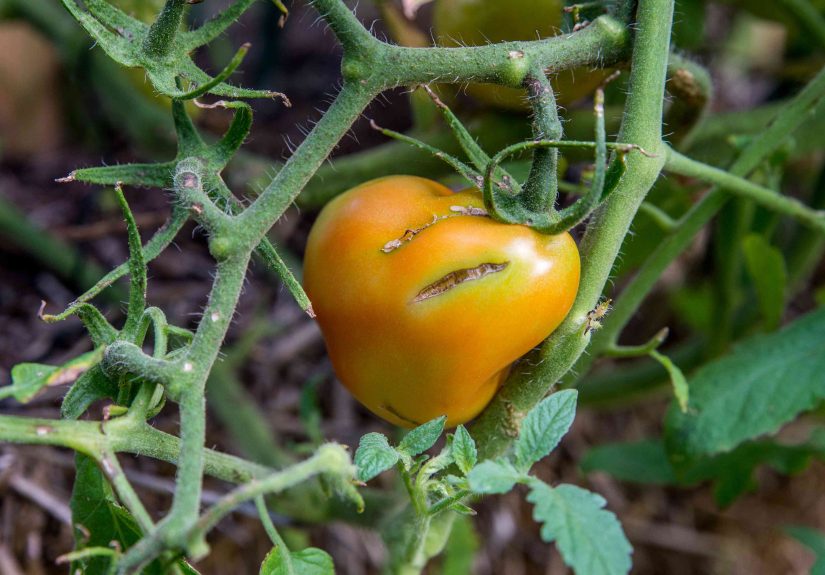
You baby your tomato plants all summer, and just when the fruit turns that perfect shade of red… crack.
Your beautiful slicer suddenly looks like it lost a fight with a tiny chainsaw. The good news? Split tomatoes are
incredibly common, and with a little know-how, you can dramatically cut down on cracking (pun absolutely intended).
In this guide, we’ll walk through why tomatoes split, what those different types of cracks really mean, whether
cracked tomatoes are safe to eat, and seven simple, practical strategies to prevent it from happening in the first place.
Why Do Tomatoes Split?
It’s Mostly About Water Pressure
The short version: tomatoes split because the inside of the fruit swells faster than the skin can stretch. When soil
goes from dry to suddenly soakedafter a thunderstorm or an enthusiastic watering sessionthe plant rushes to take up
moisture. The pulp inside the fruit plumps up quickly, but the skin can’t keep pace and tears open.
This “too much water, too fast” problem is why cracking is usually worst in midsummer when you have hot dry spells followed
by heavy rain, or when watering is irregular. Even container tomatoes are at risk if they swing between bone-dry and soggy.
Two Main Types of Cracks: Radial and Concentric
Gardeners (and plant scientists) see two classic cracking patterns:
-
Radial cracking – Cracks that start at the stem and run down the fruit like spokes on a wheel.
These are often deeper and can expose a lot of flesh. -
Concentric cracking – Rings or half-circles that wrap around the “shoulder” of the tomato near
the stem. These are usually shallower but still open the door to rot and pests if left on the plant.
Both are called “growth cracks” and aren’t caused by disease or insects. They’re a physiological response to
environmental conditionsmainly changes in soil moisture and, sometimes, fertilizer extremes.
Other Contributors: Fertilizer and Overripe Fruit
Water is the star of the show, but not the only player:
- Excess nitrogen can push rapid growth, making skins more prone to cracking when a big gulp of water arrives.
- Very ripe or overripe fruit has less flexible skin, so it’s more likely to split when late-season storms roll in.
Are Split Tomatoes Safe to Eat?
In many cases, yesespecially if the cracks are shallow, have already corked over (formed a tan, dry surface), and you
harvest the fruit quickly. The bigger issue is that cracks are basically open doors for bacteria, fungi, and hungry insects.
Deep splits that expose wet flesh can spoil fast and shouldn’t be stored long.
A good rule of thumb: if the crack is small and dry, cut away the damaged area and enjoy the rest in sauces, salsas, or a
same-day salad. If the fruit looks mushy, moldy, or smells off, thank it for its service to the compost pile.
7 Simple Ways to Prevent Tomatoes from Splitting
You can’t control the weather (if you can, we need to talk), but you can control how your plants experience it.
These seven strategiesused togetherdrastically reduce tomato cracking in home gardens.
1. Keep Watering Consistent
Consistent moisture is the single biggest key. Most garden experts recommend giving tomatoes about 1 to 2 inches of
water per week, spread out into deep, regular soakings instead of random splashes. Aim to keep the top several inches
of soil evenly moistnot desert-dry Monday and swampy Thursday.
Practically, that means:
- Watering at the base of the plant, not on the leaves.
- Checking soil with your finger; if the top inch feels dry, it’s time to water.
- Watering less often but more deeply, so roots grow down instead of staying shallow and stressed.
2. Mulch to Stabilize Soil Moisture
Mulch works like a moisture thermostat for your soil. A 2–3 inch layer of organic mulchstraw, shredded leaves,
pine needles, or composthelps keep the soil from drying out too fast and buffers plants against big swings after
rainstorms.
Lay mulch once the soil has warmed in late spring, keeping it a couple of inches away from the stems to avoid rot.
You’ll also get bonus weed control and cooler root zones during summer heat waves.
3. Use Drip Irrigation or Soaker Hoses
If you’re prone to “oops, I forgot to water for three days” followed by “time to flood everything,” consider
upgrading your watering system. Drip lines and soaker hoses slowly deliver water right to the root zone,
which makes it easier to maintain steady moisture and avoid big swings.
These systems also reduce evaporation and leaf wetness, which helps with disease preventionanother win for your harvest.
4. Pick Tomatoes Before Big Storms (and at the Breaker Stage)
One of the sneakiest but most effective tricks: harvest tomatoes just as they start to change colorcalled the
“breaker stage”especially if heavy rain is in the forecast. Once a tomato begins to blush, it can finish ripening
indoors on a counter or sunny windowsill with the same flavor and nutrition.
Storm on the way? Do a quick garden sweep and pick anything that’s pink, orange, or nearly red. You’ll dodge the
post-storm cracking and outsmart the squirrels at the same time.
5. Choose Crack-Resistant Varieties
Some tomatoes are simply drama queens; others are stoic heroes. Many modern hybrids are bred with thicker, more
elastic skins that tolerate fluctuating moisture better. Extension agencies and gardening writers often recommend
varieties like ‘Celebrity’, ‘Big Boy’, ‘Big Beef’, ‘Arkansas Traveler’, ‘Sungold’, and ‘Yellow Pear’ as less prone
to cracking.
Newer varieties such as ‘Jasper’ are noted specifically for strong crack resistance and disease tolerance, which makes
them a good fit for rainy or unpredictable climates.
That doesn’t mean you have to dump your beloved heirloomsbut it might be worth mixing in a few tougher hybrids if
splitting is a yearly headache.
6. Go Easy on Nitrogen Fertilizer
Tomatoes do need nutrients, but too much quick-release nitrogen can push soft, rapid growth that is more likely to split
when the fruit takes up extra water. University and extension sources consistently recommend balanced or low-nitrogen,
slow-release fertilizers once fruit has set, rather than frequent high-nitrogen feedings.
If you’ve been very generous with fertilizer and are seeing lots of foliage plus cracked fruit, easing off the nitrogen
might help your next wave of tomatoes.
7. Support Plants and Harvest Promptly
Splits don’t only appear out of nowheresometimes the fruit is stressed by how it’s hanging. Heavy tomatoes that rest on
the ground or are wedged tightly in a cage can develop pressure points and micro-cracks that widen after rain.
To help:
- Use stakes, cages, or trellises so fruits hang freely with airflow.
- Gently support very large fruits with slings or clips if needed.
- Harvest promptly when fruits reach full color instead of letting them overripen on the vine, where their skins stiffen and crack more easily.
Frequently Asked Questions About Split Tomatoes
Do Split Tomatoes Mean I Watered “Wrong”?
Not necessarily. Even excellent gardeners get cracked tomatoes when extreme weather hits. Think of splitting as feedback,
not failure: the plant is telling you it experienced a sudden shift in moisture or growth. Use that information to adjust
your watering schedule and maybe add mulch or drip irrigation next season.
Can I Can or Preserve Cracked Tomatoes?
Because deep cracks can harbor microorganisms, food-safety experts usually recommend using only sound, unblemished
tomatoes for canning. Slightly cracked but otherwise firm tomatoes are better used fresh, roasted, or cooked right away
after trimming the damaged spots. When in doubt, choose healthier fruit for long-term preservation.
Do Cherry Tomatoes Crack More?
Yes, cherry and grape tomatoes are especially prone to splittingpartly because they have lots of surface area and thin
skins. A sudden rain after a dry spell can cause them to burst dramatically. Consistent watering, mulch, and crack-resistant
types (like some newer cherries) are your best defense.
Real-World Tomato Tales: Lessons from the Garden
Talk to any gardener and you’ll hear the same confession: the first time they saw cracked tomatoes, they assumed some
terrible disease had struck. One season you might get perfect fruit, and the next your vines are loaded with what looks
like tiny red pumpkins wearing stretch marks.
Imagine you plant a few beefsteak tomatoes in spring. You water faithfully in May and June, then summer really kicks in.
July gets busy, you skip watering a couple of days, and the soil dries more than you meant it to. Then: weekend thunderstorm.
You walk outside the next morning, slightly smug about all the “free watering,” only to find your biggest tomatoes split
wide open at the top. That sequencedry soil, then a sudden soakis the classic setup that extension services describe as
the main driver of cracking.
The next year, you decide to get strategic. You lay down a generous blanket of straw mulch once the soil warms. You switch
from overhead spraying to a soaker hose that runs slowly for 30–40 minutes at a time, twice a week, which lines up with
the 1–2 inches of water per week many garden sources recommend. You also get into the habit of checking the forecastif a
big storm is coming and your tomatoes are blushing, you pick them before the rain and let them ripen safely on the counter.
Results? The second season, you still see the occasional hairline crack, but those dramatic deep splits are mostly gone.
When cracks do show up, they’re often shallow rings that cork over quickly and are easy to trim away in the kitchen. You’ve
gone from “What am I doing wrong?” to “Okay, this is just what tomatoes sometimes do,” and your harvest looks a whole lot
better in the salad bowl.
You might also experiment with varieties. Maybe you grew a big, beautiful heirloom that tasted like pure summer but cracked
at the slightest hint of rain. The following year, you still plant your heirloom (because flavor!), but you add a couple
of crack-resistant hybrids like ‘Big Beef’ or ‘Celebrity’ to hedge your bets. Those hybrids hold up better during wild
weather swings, so you always have a reasonable supply of picture-worthy fruits, even when the heirlooms misbehave.
Over time, most gardeners realize that managing tomato splitting is about stacking small habits:
- Mulch early so the soil doesn’t yo-yo between wet and dry.
- Water deeply and consistently rather than in panicked bursts.
- Harvest before storms, especially when fruits are nearly ripe.
- Balance show-stopping heirlooms with sturdier hybrids.
The more seasons you grow, the more you start to think like your plants: “If I were a tomato, what would stress me out?”
(Answer: sudden soaking after a drought, being left on the vine past my prime, and having my roots bake in bare soil.) Once
you adjust your care around those stress points, cracked tomatoes go from “ruined harvest” to “occasional inconvenience.”
And if you still end up with a bowl of split fruit once in a while, remember: they’re perfect candidates for sauce, salsa,
roasted tomato soup, or a quick pan of shakshuka. Your tomatoes don’t have to be pretty to taste incredible.
Wrapping It Up
Tomatoes split because they’re trying to keep up with rapid changesmostly in water and growth. By smoothing out those
extremes with consistent watering, mulch, smart variety choices, and timely harvesting, you can keep most of your crop
intact and delicious. A few scars here and there are normal; think of them as proof that your garden lived through real-world
weather and still fed you well.