Table of Contents >> Show >> Hide
- What actually creates eye color?
- Normal ways eyes can change color
- When eyes only seem to change color
- When eye color change can signal a medical issue
- When should you see an eye doctor?
- Can you safely change eye color on purpose?
- Common real-life experiences related to eye color change
- Final thoughts
Eye color feels like one of those permanent, set-it-and-forget-it features. Like your fingerprints. Or your uncle’s devotion to overcooking burgers. But here’s the twist: eyes really can change color, or at least appear to, and there are several reasons why. Some are completely normal. Some are just visual trickery. And some are your eyes’ way of waving a tiny, elegant flag that says, “Please book an exam.”
If you have ever sworn your brown eyes looked lighter in the mirror, noticed a blue-gray ring forming around someone’s iris, or heard a parent say, “Wait, weren’t this baby’s eyes darker last month?” you are not imagining things. Eye color is shaped by pigment, light, age, anatomy, and sometimes medical conditions. In other words, your iris is not being dramatic. It is just complicated.
Let’s break down why eye color can shift, when it is harmless, when it is only an illusion, and when a change deserves real medical attention.
What actually creates eye color?
The short answer is melanin. The longer answer is melanin plus genetics plus the way light interacts with the iris.
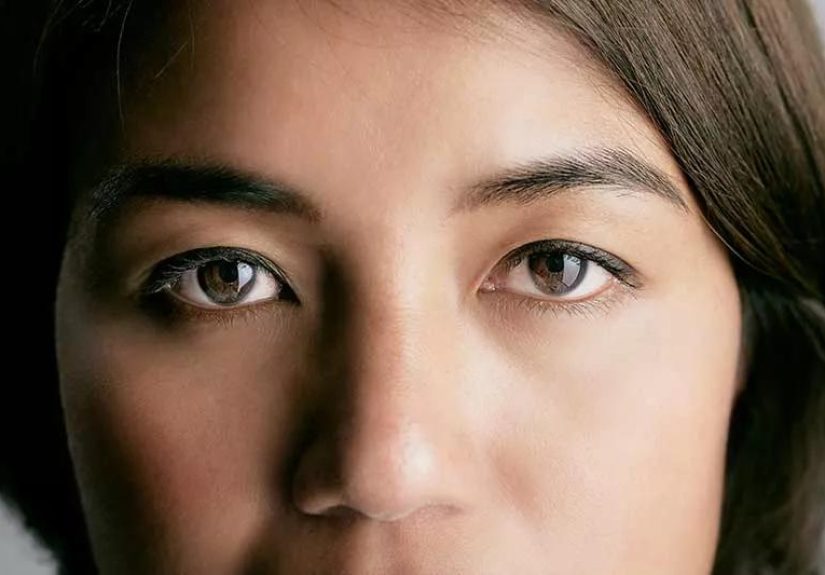
Your iris, the colored part of the eye, gets its shade from how much melanin it contains and where that pigment sits. Brown eyes have more melanin. Lighter eyes, including blue and some green eyes, have less. That is why eye color change conversations almost always start with pigment. It is the star of the show, even if light keeps trying to steal the spotlight.
Genes set the baseline
Eye color is strongly influenced by genetics, but it is not controlled by a single “brown eyes” or “blue eyes” switch. Multiple genes help determine how much melanin ends up in the iris. That is one reason eye color exists on more of a spectrum than a tidy little crayon box. Hazel eyes, for example, can look green one moment and golden-brown the next, because they sit in a wonderfully messy middle ground.
Light changes what you think you see
This is where things get fun. Blue eyes do not contain blue pigment in the way many people assume. Instead, lighter eyes are heavily influenced by how light scatters in the iris. That means iris color is not always as visually stable as you think. Change the lighting, angle, background color, or even the shirt you are wearing, and the same eyes may seem a little different.
So yes, sometimes your eyes look greener in the car mirror than they do in the bathroom mirror. That does not mean your body is running secret software updates overnight.
Normal ways eyes can change color
There are a few situations where eye color changes are expected and not a sign of trouble.
1. Babies’ eyes often change color after birth
This is the most common and least dramatic version of the story. Many babies are born with blue-gray or slate-colored eyes that darken over time. Why? Because melanin production in the iris can increase after birth. As light exposure and development continue, the final eye color becomes more obvious.
That is why newborn photos can be misleading. The baby who looked destined for blue eyes in the hospital may end up with hazel or brown eyes months later. This kind of why eyes change color question has a very ordinary answer: development.
2. Lighter eyes may look different in different environments
People with green, hazel, blue, and gray eyes tend to notice this more. Bright daylight, warm indoor lighting, camera flash, and even makeup colors can make the iris appear richer, darker, cooler, or more golden. Pupil size also plays a role. When the pupil gets bigger or smaller in response to light, the visible pattern of the iris changes slightly, which can alter your perception of the color.
That is not a true pigment change. It is more like your eyes are excellent at mood lighting.
3. Aging can change the way eyes look
As people get older, some subtle shifts in appearance can happen. A lighter ring, a duller look, or a change in overall brightness may be noticed even when the iris itself has not dramatically changed pigment. In many older adults, the “change” is less about the iris turning into a new color and more about other structures of the eye affecting appearance.
When eyes only seem to change color
Sometimes the iris is not changing at all. Something in front of it, around it, or inside the eye is changing the way the color appears.
Cataracts can affect the way color is seen
A cataract is a clouding of the eye’s lens. Over time, the lens can become more yellow or brown, which changes how a person sees colors. People often describe the world looking faded, dull, or yellowed. In advanced cases, the pupil may even look cloudy or whitish instead of deep black. That can make others think the eye itself changed color, when the real issue is the lens behind it.
This matters because a person may say, “My eye color looks off,” when the deeper issue is actually a cataract.
Arcus senilis can create a ring around the iris
Another common example is arcus senilis, a white, gray, or bluish ring around the outer edge of the cornea. It becomes more common with age and is often harmless in older adults. But visually, it can make the eye look like it has developed a new border color. People sometimes mistake it for the iris turning blue or gray.
In younger adults, though, a ring like this deserves a check-in because it can sometimes be associated with underlying health issues.
Corneal problems can make the iris look lighter or foggier
The cornea is the clear front surface of the eye. If it becomes scarred, swollen, infected, or inflamed, it can create a hazy layer over the iris. That can make the eye look milky, pale, or washed out. Again, the visible color changes, but the iris may not be the main problem.
When eye color change can signal a medical issue
This is where you stop treating it like a fun mirror mystery and start paying attention.
Uveitis and iris inflammation
Uveitis is inflammation inside the eye, and it can involve the iris. Inflammation can change the appearance of the iris, especially if only one eye is affected. It may also come with redness, pain, light sensitivity, blurred vision, or floaters. In some conditions, chronic inflammation can lead to a lighter or differently colored iris over time.
If one eye suddenly looks different and it also hurts, gets red, or becomes sensitive to light, that is not a “wait and see next month” situation.
Heterochromia can be harmless or acquired
Heterochromia means the irises are different colors, or one iris has more than one color. Some people are simply born that way, and it is harmless. But acquired heterochromia can happen after injury, inflammation, bleeding, certain medications, or eye disease. That is why a lifelong color difference is different from a new color difference that appears out of nowhere.
In short, two different-colored eyes can be a cool genetic trait. A brand-new mismatch in adulthood is a question mark that needs answering.
Trauma or bleeding inside the eye
An injury can change the look of the iris directly or cause bleeding inside the eye that alters appearance. Even a small internal bleed can change how the eye looks through the pupil. If an eye changes color after trauma, assume it needs medical care unless an eye specialist tells you otherwise.
Glaucoma medications can darken the iris
Some prostaglandin-type glaucoma eye drops, including latanoprost and similar medicines, can gradually darken the iris. This usually happens over months or years and tends to be more noticeable in eyes with mixed colors, such as green-brown or hazel-brown. The change can be permanent.
That is one of the clearest examples of a real, medically documented eyes changing color situation in adults.
Rare nerve and eye conditions
Some rare conditions, including certain nerve problems or chronic inflammatory eye disorders, can affect pupil size, iris pigment, or both. These are not the most common explanation, but they are part of the reason doctors take an unexplained one-eye color change seriously.
When should you see an eye doctor?
You do not need to panic every time your hazel eyes look greener in a selfie. But you should schedule an eye exam if the change is:
Sudden, one-sided, persistent, or accompanied by symptoms such as pain, redness, blurred vision, light sensitivity, halos, floaters, or recent injury.
Also get checked if you notice a cloudy white or gray pupil, a new ring around the iris at a younger age, or a clear difference between one eye and the other that was not there before. Adult eye-color change is uncommon enough that it is worth evaluating, even when it turns out to be harmless.
Can you safely change eye color on purpose?
Contacts? Usually yes, when properly fitted and used safely. Cosmetic surgery or unapproved eye-color changing drops? That is a much shakier story.
Ophthalmologists in the United States have warned against cosmetic procedures meant to permanently change eye color, including risky implants, laser treatments, and certain experimental approaches. The concern is not just irritation. The risks can include inflammation, glaucoma, corneal problems, and vision loss.
So if social media tries to sell you “instant permanent blue eyes” like it is a harmless manicure upgrade, go ahead and let your skepticism stretch its legs.
Common real-life experiences related to eye color change
One of the most relatable parts of this topic is that people usually notice eye color shifts through everyday moments, not in a textbook diagram. It starts with a casual comment, a photo comparison, or a tiny panic in front of the mirror.
The baby album surprise
Parents are often the first to discover that eye color is not fixed on day one. A newborn may have smoky blue-gray eyes in early photos, then develop warmer brown or hazel tones over the first year. Families sometimes compare pictures from month two and month eight like they are solving a mystery. In reality, it is a normal pigment story. The iris is still developing, melanin levels are still changing, and the final result simply takes time. A lot of people do not realize this until they see it happen in their own family.
The “my eyes look greener today” moment
Adults with lighter eyes often describe having eyes that seem to change with weather, lighting, clothing, or mood. Someone wears a forest-green sweater and suddenly gets compliments on “green eyes,” even though they usually think of them as hazel. Another person steps outside into bright daylight and notices more gold around the pupil or more gray at the edge of the iris. These experiences are common because hazel, green, and blue eyes are especially sensitive to the way light reflects and scatters. The color did not necessarily transform. The presentation did.
The ring that looked alarming
Another common experience happens later in life. A person notices a pale ring around the colored part of the eye and assumes the iris itself is changing. Sometimes it shows up in a close-up mirror inspection. Sometimes it is pointed out by a spouse who is either observant or simply enjoys creating avoidable suspense. In many older adults, that ring turns out to be corneal arcus, also called arcus senilis. It can look dramatic even when it is benign. The emotional reaction is real, though. People often go from “Maybe it is the bathroom lighting” to “Why does my eye have a frosted edge?” in about twelve seconds.
The cataract realization
People with cataracts often do not begin by saying, “I think I have a lens problem.” They usually say, “Colors look dull,” “Everything seems yellow,” or “That eye just looks different.” After treatment, many describe the world as brighter, crisper, and bluer than they remembered. It can be startling. Whites look white again. Blue looks like blue instead of tired beige pretending to be blue. That before-and-after experience is one of the clearest reminders that not every apparent eye-color change is coming from the iris itself. Sometimes the lens is the real culprit, quietly tinting the view.
The one-eye difference that should not be ignored
Then there are the experiences that deserve faster action. Someone notices one eye looks lighter after a painful episode of redness. Another person realizes a long-used glaucoma drop has slowly darkened the treated eye. A parent spots a difference between a child’s eyes that was not there before. These are the moments when eye color stops being a fun conversation topic and becomes useful clinical information. A small shift in shade can be the clue that leads to the right diagnosis, whether that diagnosis is inflammation, medication effect, injury, or a harmless condition that still deserves professional confirmation.
That is the big takeaway from real-life experience: people usually notice eye color changes casually, but the meaning behind those changes can range from completely normal to medically important. The trick is knowing which is which.
Final thoughts
So, yes, your eyes can change colors, but the reason matters. In babies, it is often normal development. In lighter eyes, it may be lighting, pupil size, or simple perception. In older adults, changes may reflect cataracts or age-related rings around the cornea. And in some cases, especially when the change is sudden, one-sided, painful, or persistent, it can point to inflammation, injury, medication effects, or another eye problem that needs prompt care.
The smartest move is not to guess. If your eye color seems different and you cannot explain it, have an eye doctor take a look. Your iris may be serving aesthetics, but it is also delivering information.
Note: This article is for general information only and is not a diagnosis. A sudden adult eye-color change, especially with pain, redness, light sensitivity, blurred vision, floaters, or injury, deserves prompt evaluation by an eye care professional.