Table of Contents >> Show >> Hide
- Why muscles get tight in the first place
- 1. Start with slow, gentle stretching
- 2. Use heat for stiff, tense, or overworked muscles
- 3. Use ice when the area feels freshly irritated, sore, or swollen
- 4. Walk it out with light movement
- 5. Try massage, but keep it smart
- 6. Rehydrate, especially after sweating
- 7. Take a warm bath or shower
- 8. Practice deep diaphragmatic breathing
- 9. Use progressive muscle relaxation
- 10. Prioritize sleep like it is part of your recovery plan
- 11. Make regular low-impact exercise part of the fix
- 12. Fix the habits that keep re-tightening your muscles
- 13. Build a warm-up and cool-down habit
- When to see a doctor for muscle pain or tightness
- Common mistakes people make when trying to relax muscles
- Real-world experiences with muscle tension and what tends to help
- Final thoughts
Muscles have a funny way of acting like drama queens. One long day at a desk, one ambitious workout, one night of bad sleep, or one heroic attempt to carry every grocery bag in a single trip, and suddenly your neck, calves, shoulders, or lower back are staging a protest.
The good news is that tight muscles usually respond well to simple, practical habits. The better news is that most of them do not require a luxury spa membership, a magical potion, or a motivational speech from your foam roller. In many cases, the best muscle relaxation techniques are surprisingly basic: stretch, move, warm things up, cool things down when needed, breathe, hydrate, and give your body time to recover.
This guide breaks down 13 ways to relax muscles, ease muscle tension, and support better recovery. Whether you are dealing with sore muscles after exercise, stress-related tightness, or annoying muscle cramps that love to appear at the least convenient moment, these strategies can help.
Note: This article is for general education only. If muscle pain is severe, unexplained, follows a major injury, or comes with swelling, redness, fever, weakness, numbness, chest pain, or trouble breathing, seek medical care right away.
Why muscles get tight in the first place
Before fixing the problem, it helps to know why it happens. Tight muscles can show up after overuse, poor posture, stress, dehydration, heavy sweating, sleep loss, repetitive motion, or a new exercise routine. Sometimes the issue is a true muscle cramp. Other times it is muscle stiffness, delayed onset muscle soreness, or that deep “why do my shoulders live near my ears?” kind of tension.
That is why the smartest approach is not using the same trick for every ache. A freshly irritated muscle may like cold. A stiff, stressy muscle often prefers warmth. A cramped calf may need stretching and walking. A body wound tight by stress may need breathing exercises more than brute force. In other words, the best muscle relaxation plan depends on the kind of tightness you have.
1. Start with slow, gentle stretching
If you want one of the fastest ways to relax a tight muscle, begin with a gentle stretch. Stretching helps lengthen shortened muscle fibers and can calm a cramp or reduce that stiff, board-like feeling after sitting too long.
The key word here is gentle. Do not bounce. Do not yank. And do not treat your hamstring like it owes you money. Move into the stretch slowly, hold it with steady breathing, and stop if the pain gets sharp.
For example, if your calves cramp, flex your foot upward toward your face. If your neck is tight, slowly tilt your head from side to side instead of cranking it around like an owl in a panic. Gentle stretching is especially helpful for muscle cramps, post-workout stiffness, and tension caused by long periods of sitting.
2. Use heat for stiff, tense, or overworked muscles
Heat is often the MVP when muscles feel tight, hard, or generally grumpy. A heating pad, warm towel, warm shower, or warm bath can help relax muscle tissue and improve comfort, especially when the problem feels more like stiffness than swelling.
Heat tends to work well for stress-related neck and shoulder tension, chronic muscle tightness, and sore muscles that feel better once they “loosen up.” A warm shower aimed at the cramped or tight area can be surprisingly effective, which is nice because most people already own a shower and do not need to order one online.
Use warmth carefully. Keep it warm, not scorching, and avoid falling asleep on a heating pad. Your muscles want comfort, not a side quest.
3. Use ice when the area feels freshly irritated, sore, or swollen
Cold therapy is usually a better fit when a muscle feels acutely painful, tender, hot, or swollen after a strain or overuse flare. Ice can help dull pain and calm irritation in the early stage of an injury.
A simple rule of thumb is this: if the muscle feels angry and inflamed, think cold; if it feels stiff and tight, think heat. Wrap an ice pack in a towel instead of placing it directly on your skin, and use it for short periods rather than turning your thigh into a frozen entrée.
Cold is helpful for pulled muscles, post-exercise soreness with tenderness, and areas that seem irritated after a sudden increase in activity.
4. Walk it out with light movement
When muscles tighten, many people freeze. Ironically, gentle movement is often exactly what helps. Light walking, easy cycling, a few minutes of mobility work, or simply standing up and moving around can reduce stiffness and help a muscle settle down.
This is especially useful for cramps and for soreness that gets worse the longer you sit still. If your back tightens after hours at a computer or your calves lock up after a long car ride, a slow walk may do more than another 30 minutes glued to the couch.
Think “easy circulation,” not “surprise boot camp.” If movement sharply increases pain, back off and reassess.
5. Try massage, but keep it smart
Massage can be excellent for relaxing muscles, especially when the problem is tension, stress, or post-workout tightness. Gentle hands-on massage, a massage roller, or a massage gun used carefully may help reduce that knotted, clenched feeling.
That said, more pressure is not always more helpful. A massage should make a tight muscle feel calmer, not bullied. If the area is freshly injured, badly bruised, or clearly swollen, aggressive massage can make things worse. This is one of those rare life moments when “go harder” is not the winning strategy.
If you use a massage tool, move slowly, avoid bony areas, and keep the pressure moderate. For many people, just a few minutes on the calves, upper back, or glutes can make daily movement feel much smoother.
6. Rehydrate, especially after sweating
Hydration matters more than many people realize. Fluid loss and electrolyte loss can contribute to muscle cramps, especially after exercise in the heat, long outdoor work, or sweaty endurance sessions.
Water is a great place to start, but if you have been sweating heavily, it may also help to replace electrolytes through food or an appropriate drink. In plain English: after a brutal hot-weather workout, your body may want more than a heroic sip from a sad half-empty bottle.
Hydration is not a magic cure for every tight muscle, but it is one of the simplest ways to support muscle function and recovery. If you are cramping often and your day includes heat, sweat, or long activity sessions, this step deserves more respect.
7. Take a warm bath or shower
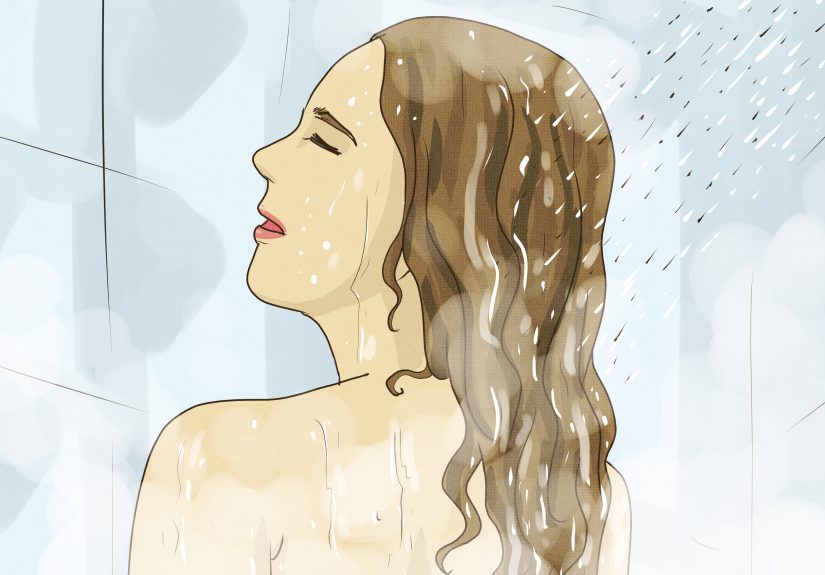
Yes, this is technically another form of heat, but it deserves its own spotlight because it relaxes more than one muscle group at a time. A warm bath or shower can help soothe widespread muscle tension, especially after a long day, stressful week, or hard workout.
It also encourages you to pause, breathe, and stop doom-scrolling long enough for your shoulders to leave their emergency meeting position. Warm water can be especially comforting for tight back muscles, sore legs, and whole-body stiffness.
If you do not have time for a full bath, even a 10-minute warm shower can help you feel less creaky and more human.
8. Practice deep diaphragmatic breathing
Sometimes muscles are tight because your nervous system is in “everything is urgent” mode. Deep breathing can help dial that down. When you breathe slowly from your diaphragm, your body often shifts toward a calmer state, which can reduce tension in areas like the neck, jaw, shoulders, and upper back.
Try this: place one hand on your chest and one on your belly. Inhale slowly so the belly rises more than the chest. Exhale slowly. Repeat for a few minutes. It sounds almost suspiciously simple, but simple does not mean weak. Calm breathing can make a noticeable difference when muscle tension is linked to stress.
This is one of the best tools for people whose muscles get tight during anxious workdays, poor sleep periods, or emotionally chaotic seasons of life.
9. Use progressive muscle relaxation
Progressive muscle relaxation is a structured technique where you tense one muscle group at a time and then release it. The point is not to become a human statue. The point is to teach your body the difference between tension and relaxation.
For example, you might gently tighten your hands for a few seconds, then let go. Then move to your shoulders, face, stomach, legs, and feet. Over time, this can help you notice hidden tension sooner and release it more effectively.
This method is especially useful if your muscles are tight because of stress, anxiety, or insomnia. It is also a great reminder that sometimes the body needs instruction, not just stretching.
10. Prioritize sleep like it is part of your recovery plan
Because it is. Sleep is when your body handles a large share of repair and recovery work. If you are consistently sleeping too little, muscles may stay sore longer and your body may feel more tense overall.
Aim for a steady sleep routine, enough total sleep, and a wind-down period that does not involve answering emails with one eye half closed. If nighttime leg cramps are your issue, some people find it helpful to gently stretch before bed and keep up with hydration during the day.
In short, if you are doing every recovery trick except sleeping, your muscles may file a formal complaint.
11. Make regular low-impact exercise part of the fix
This may sound backward when your body already feels tight, but regular movement helps muscles stay flexible, strong, and less reactive. Walking, swimming, easy biking, yoga, and basic mobility work can reduce stiffness and improve function over time.
The idea is not to crush a workout while your muscles are begging for mercy. The idea is to stay consistently active enough that your body does not swing between “sedentary statue” and “weekend warrior legend.” Muscles generally prefer moderation over chaos.
If you are recovering from an injury or dealing with ongoing pain, a physical therapist can help tailor the right mix of stretching, strengthening, and mobility work.
12. Fix the habits that keep re-tightening your muscles
You can stretch your neck every evening, but if you spend ten straight hours hunched over a laptop like a very stressed shrimp, your muscles will keep coming back for round two.
Posture is not about sitting like a Victorian portrait. It is about variety, support, and fewer marathon positions. Change positions often, adjust your screen height, use supportive seating when possible, and take movement breaks during long work sessions.
This is especially important for tight neck muscles, upper back tension, hip stiffness, and low back soreness caused by desk work, commuting, or repetitive tasks.
13. Build a warm-up and cool-down habit
One of the best long-term ways to relax muscles is preventing them from getting outrageously tight in the first place. A warm-up helps your body transition into activity. A cool-down helps you ease out of it. Together, they can reduce stiffness and support better recovery.
Before exercise, try a few minutes of easy movement and dynamic mobility. Afterward, slow down gradually, walk a bit, and do a few gentle stretches. This is not glamorous, and no one posts dramatic social media tributes to their cool-down. But your muscles notice.
For anyone who regularly exercises, this habit can be the difference between “pleasantly worked” and “why do I walk like a folding chair today?”
When to see a doctor for muscle pain or tightness
Most muscle tension improves with home care, but some symptoms deserve more attention. Contact a healthcare professional if your pain lasts more than a week or two, keeps getting worse, comes with swelling or redness, or does not improve with basic self-care.
Get urgent help if muscle pain follows a serious injury, if you cannot move the affected area normally, or if you have trouble breathing, chest pain, major weakness, high fever, or significant swelling. Frequent cramps paired with weakness, numbness, or poor coordination also deserve medical evaluation.
Translation: if your muscles are merely annoyed, home care may help. If they are sending flares into the sky, do not ignore it.
Common mistakes people make when trying to relax muscles
Going too hard on the stretch
A stretch should feel relieving, not punishing. Sharp pain is a red flag, not a badge of honor.
Using heat on a brand-new injury
If the area is freshly swollen or irritated, heat may not be the best first move. Cold is often more appropriate early on.
Ignoring hydration and sleep
Many people obsess over recovery tools and forget the basics. Water and sleep are not flashy, but they matter.
Staying in one position for too long
Even “good posture” gets bad when you hold it for hours. Movement breaks are part of muscle care.
Assuming every sore muscle needs total rest
Sometimes muscles need rest. Sometimes they need gentle movement. Learning the difference is part of smart recovery.
Real-world experiences with muscle tension and what tends to help
People experience muscle tightness in very different ways, and that is one reason generic advice can feel a little useless. A desk worker may say their upper traps feel like concrete by 4 p.m. A runner may describe calves that tighten halfway through a long run. A parent carrying a toddler on one hip may develop an impressively stubborn knot near the shoulder blade. A gardener may feel lower back stiffness after a weekend of bending, kneeling, and pretending mulch weighs nothing. Different story, same theme: the muscles are asking for attention.
One common experience is the “I did not notice it building up” pattern. You get busy, stay in one position too long, clench your jaw through a stressful meeting, and suddenly your neck feels like it has been laminated. In these cases, the quickest relief often comes from a mix of posture change, a short walk, shoulder rolls, heat, and a few minutes of diaphragmatic breathing. Not glamorous, but often effective.
Another familiar experience is post-workout soreness, especially after trying a new class, returning to exercise after a break, or doing strength work that looked easier on paper. People often describe this as stiffness, heaviness, or a “why am I negotiating with stairs?” feeling the next day. Gentle movement, light stretching, warm showers, hydration, and sleep usually help more than complete immobility. The body generally appreciates being encouraged, not abandoned.
Nighttime muscle cramps are their own special form of rude interruption. Many people describe being jolted awake by a calf cramp that feels like the muscle has suddenly turned into a fist. In that moment, forceful heroics are not the answer. Gently stretching the calf, flexing the foot upward, standing carefully, massaging the muscle, and using warmth afterward often provide relief. During the day, hydration, regular activity, and bedtime stretching may help reduce repeat performances.
Stress-related muscle tension feels different from exercise soreness. It tends to collect in the jaw, shoulders, neck, upper back, and sometimes even the hands. People may not notice how much they are clenching until they finally exhale. This is where progressive muscle relaxation and slow breathing can be surprisingly powerful. Many people realize they have been carrying low-level tension all day only after they practice releasing one body part at a time.
Then there is the experience of doing “all the right things” but still feeling tight because the daily routine never changes. That is common too. If your setup, workload, sleep habits, or training plan keep provoking the same muscle groups, relief can be short-lived. The long-term win usually comes from changing the pattern: more movement breaks, a better chair setup, smarter workouts, easier recovery days, and less all-or-nothing thinking.
In real life, relaxing muscles is rarely about one perfect trick. It is more often a stack of small choices that work together: stretch a little, move a little, warm up wisely, cool down well, hydrate, breathe, sleep, repeat. Boring? Maybe. Effective? Very often, yes.
Final thoughts
If you want to know how to relax muscles, the answer is usually not one dramatic solution. It is a toolkit. Stretch when the muscle is cramped. Use heat for stiffness. Use cold for fresh irritation. Walk, breathe, hydrate, sleep, and stop asking your shoulders to carry the emotional burden of your entire calendar.
The best muscle relaxation strategies are the ones you will actually use consistently. Start with one or two that fit your routine today, then build from there. Your muscles do not need perfection. They just need better odds.

![18 Best Types of Charts and Graphs for Data Visualization [+ How to Choose]](https://corkopencoffee.org/wp-content/uploads/2026/05/18-best-types-of-charts-and-graphs-for-data-visualization-how-to-choose-qKM1PBYG-thumb.jpg)