Table of Contents >> Show >> Hide
- Why Old Woodworking Tools Can Be Surprisingly Valuable
- 20 Antique Woodworking Tools Worth Serious Money
- 1. Adams Patent Patternmaker’s Plane
- 2. Stanley No. 1 Bench Plane
- 3. Norris A5 Smoothing Plane
- 4. Rare Patented Specialty Planes (Hardt and Others)
- 5. Stanley No. 45 Combination Plane
- 6. Stanley No. 55 Universal Combination Plane
- 7. High-End Wooden Jointer and Fore Planes
- 8. S. Peace 1820s Tenon or Dovetail Saw
- 9. Disston D-8 Hand Saws
- 10. Atkins No. 400 Back Saw
- 11. Vintage Wood-Carving Chisels (Especially Addis)
- 12. Stanley 750 Socket Chisels
- 13. Norris and Other Premium Infill Shoulder & Rabbet Planes
- 14. Stanley No. 151 Spokeshave
- 15. Witherby Drawknives
- 16. Millers Falls Braces and Bit Sets
- 17. Stanley No. 71 Router Plane
- 18. Antique Folding Rules (Stanley No. 62 and Similar)
- 19. Edward Preston & Sons Marking Gauges
- 20. Antique Calipers, Dividers, and Layout Tools
- How to Tell If Your Old Tools Are Actually Worth Big Bucks
- Extra: Real-World Experiences with Antique Woodworking Tools
- Conclusion: Don’t Toss That “Junk” Just Yet
If you’ve ever dragged a dusty box of grandpa’s “old junk” out of the garage and wondered whether to keep it or toss it, hit the brakes. Antique woodworking tools can sell for hundreds or even thousands of dollars to collectors, museums, and serious hand-tool woodworkers. The right plane, saw, or chisel might pay for a vacation – or at least a very nice new table saw.
In this guide, we’ll walk through 20 antique woodworking tools that regularly bring in big money, why they’re so valuable, and how to tell whether the tools in your basement are hidden gems or just good shop users. We’ll also cover what affects value, where to sell, and finish with some real-world lessons from hunting old tools in the wild.
Why Old Woodworking Tools Can Be Surprisingly Valuable
Antique hand tools sit in a sweet spot: they’re both historical artifacts and genuinely useful shop gear. Before power tools took over, makers like Stanley, Norris, Disston, and Millers Falls built incredibly precise planes, saws, and chisels that were meant to last a lifetime. Many of those tools are still going strong today – and collectors are willing to pay for that combination of craftsmanship and scarcity.
Several factors push prices up:
- Brand and maker: Names like Stanley, Norris, Disston, Witherby, Millers Falls, Edward Preston & Sons, and Addis carry a premium because of their reputation for quality.
- Rarity and weirdness: Short production runs, unusual patents, or oddball specialty planes and gauges drive collector interest.
- Condition and completeness: Original finishes, intact rosewood or beech handles, and complete sets of cutters or bits are worth much more than rusty parts in a coffee can.
- Provenance: Tools with known history – or that appear in respected value guides – can command serious money.
Now let’s look at 20 specific antique woodworking tools that can be worth big bucks, along with what to look for if you think you’ve found one.
20 Antique Woodworking Tools Worth Serious Money
1. Adams Patent Patternmaker’s Plane
This ornate bronze patternmaker’s plane is the superstar of many “most valuable tool” lists. Only a small number were produced, and they combine sculptural looks with clever adjustability. One well-documented example sold at auction for nearly $20,000, putting it in “do not leave in the barn” territory.
Look for: Bronze body, complex adjusters, clear patent markings, and no major cracks or repairs.
2. Stanley No. 1 Bench Plane
The Stanley No. 1 isn’t impressive in size – it’s barely longer than your hand – but that’s exactly why it’s so collectible. These tiny bench planes were produced in relatively low numbers. Clean, original examples with intact handles regularly sell for well over $1,000, and pristine ones can go higher.
Look for: A 5 1/2-inch plane marked “No. 1,” crisp casting, and original rosewood knob and tote without cracks.
3. Norris A5 Smoothing Plane
British-made Norris planes are the Rolls-Royce of hand planes. The A5 infill smoother combines a steel or gunmetal body with a densely packed rosewood or mahogany core. Collectors prize these for their adjustability and silky cutting action; well-kept examples often trade in the $800–$1,600 range or more.
Look for: Clear “Norris” and model markings, tight infill, working adjuster, and minimal pitting on the sole.
4. Rare Patented Specialty Planes (Hardt and Others)
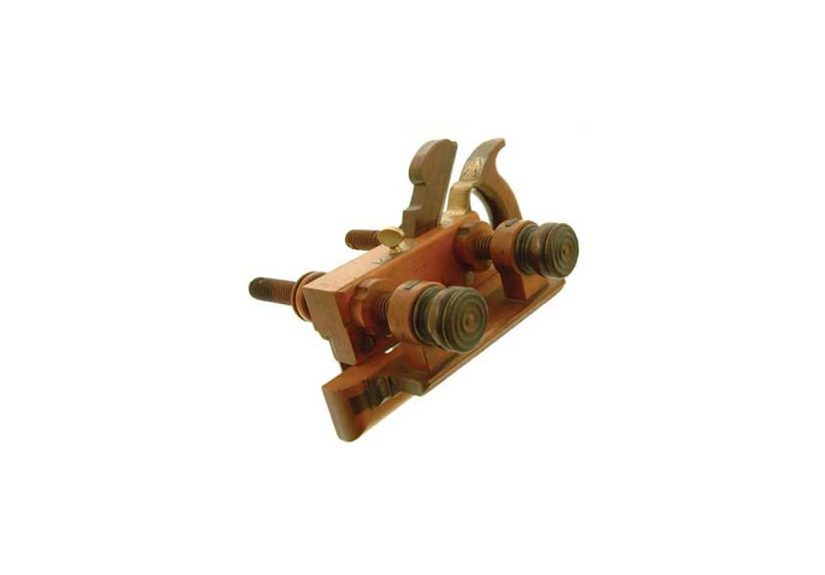
In the late 19th and early 20th centuries, inventors filed patents on all sorts of bizarre specialty planes – combination, molding, plow, and circular planes with complex mechanisms. Some of these, like Hardt patent planes, are so rare that surviving examples have sold for several thousand dollars at major tool auctions.
Look for: Unusual shapes, patent dates cast or stamped into the body, and mechanisms that don’t resemble standard Stanley models.
5. Stanley No. 45 Combination Plane
Nicknamed “the plane that can do anything,” the Stanley No. 45 was a multi-function plow, dado, and beading plane sold with a box of removable cutters. Complete early sets with all cutters, fences, and stops in the original wooden box can bring several hundred dollars, especially in fine condition.
Look for: Nickel-plated body, rosewood fence and handle, cutters still in the labeled wooden or metal boxes, and matching part numbers.
6. Stanley No. 55 Universal Combination Plane
If the No. 45 is versatile, the No. 55 is downright over the top. With elaborate fences and massive cutter sets, it’s one of the most complex planes Stanley ever made. On today’s market, complete boxed sets with multiple cutter trays and good plating often sell in the mid-hundreds and can climb toward $1,000 or more for exceptional examples.
Look for: Multiple wooden cutter boxes, both main and auxiliary fences, slitter, cam, and all adjustment screws present and working.
7. High-End Wooden Jointer and Fore Planes
Don’t ignore the big wooden planes. Long jointers and fore planes from respected makers like Norris, Kent & Co., and other premium brands can sell for hundreds or even over a thousand dollars when they have crisp maker’s stamps and good, straight bodies. Rare examples listed in specialty value guides frequently fetch strong prices.
Look for: Clear maker’s marks on the toe, a straight, untwisted body, tight wedge, and a quality laminated or cast-steel iron.
8. S. Peace 1820s Tenon or Dovetail Saw
Early back saws from makers like S. Peace are seriously collectible. An 1820s dovetail or tenon saw with a distinctive “bird’s head” handle and brass back can bring a few hundred dollars on its own – more if the etch and handle are in great shape.
Look for: Early 19th-century styling, delicate brass or steel back, original split-nut fasteners, and a comfortable, sculpted handle.
9. Disston D-8 Hand Saws
The Disston D-8 is one of the most iconic American hand saws. While many are common, earlier models with thumbholes, crisp etches, and ornate applewood handles are highly desirable. Clean, sharpenable examples from the golden age of Disston can sell far above “old saw” prices to both users and collectors.
Look for: Clear “H. Disston & Sons” medallions, readable blade etches, straight plates, and no major handle damage.
10. Atkins No. 400 Back Saw
Atkins was Disston’s serious competitor, and the No. 400 is one of their standout back saws. Known for fine teeth and a rigid back, good examples appeal to both collectors and people who actually cut joinery by hand. Well-preserved saws from this line can bring premium prices compared to generic vintage saws.
Look for: “Atkins No. 400” markings, a straight blade, and an intact hardwood handle with crisp horns.
11. Vintage Wood-Carving Chisels (Especially Addis)
High-quality carving chisels from makers like Addis are another sleeper category. Individual chisels can sell for respectable sums, but full or near-full matched sets in a roll are where the big money shows up. Collectors and carvers alike prize these for their steel quality and hand-forged profiles.
Look for: Matching maker stamps, well-shaped original handles, and blades that aren’t ground down to nubs.
12. Stanley 750 Socket Chisels
The Stanley 750 series bevel-edge socket chisels are legendary among hand-tool woodworkers. Their simple design and excellent steel have made them so popular that modern brands copy them. Vintage examples in good condition often sell for $40–$100 each, and complete sets of multiple sizes can easily climb into the several-hundred-dollar range.
Look for: “Stanley 750” or appropriate markings, long blades with plenty of life, and tight socket-to-handle fit.
13. Norris and Other Premium Infill Shoulder & Rabbet Planes
Infill shoulder and rabbet planes – often steel shells stuffed with rosewood – were precision tools for trimming tenons and rebates. Examples from Norris and other top makers are highly sought after. Clean, original tools with tight infills and intact wedges can sell for many hundreds of dollars.
Look for: Clean mouth opening, sharp edges on the sole and sides, clear maker marks, and no loose or missing infill.
14. Stanley No. 151 Spokeshave
While not the rarest tool on this list, the Stanley 151 spokeshave is one of the most desirable vintage shaves thanks to its adjusters and comfortable handles. Extra-clean examples – especially early or unusual variants – bring a premium over generic spokeshaves and are favorites among chairmakers and luthiers.
Look for: Dual screw adjusters behind the blade, an intact casting with no cracked wings, and original paint or japanning.
15. Witherby Drawknives
Drawknives are common, but high-grade examples from makers like Witherby stand out for their steel and balance. These show up in price guides and dealer catalogs as sought-after pieces. Restored but not over-polished, a Witherby drawknife can bring significantly more than an unmarked tool.
Look for: Clear “Witherby” stamp on the blade, full-length edge, and solid, matching handles.
16. Millers Falls Braces and Bit Sets
Before cordless drills, the brace and bit was king. Millers Falls produced some of the finest, with ball-bearing heads and ornate finishes. Top-of-the-line braces, especially paired with original boxed bit sets, attract both collectors and users who appreciate their smooth action.
Look for: High-end models with nickel plating, rosewood heads, crisp logos, and original bit sets in labeled boxes.
17. Stanley No. 71 Router Plane
Router planes are indispensable for flattening the bottoms of dados, grooves, and recesses. The Stanley No. 71 is the classic example and remains popular enough that modern companies have cloned it. Original planes with all three cutters and depth stops can command strong prices on the vintage market.
Look for: Two open handles, depth adjuster, fence (if included on that variant), and a full set of cutters with original stamped markings.
18. Antique Folding Rules (Stanley No. 62 and Similar)
Before steel tapes were everywhere, folding rules were the standard measuring tool in a carpenter’s pocket. High-quality brass- and boxwood rules, especially from Stanley, are collectible in their own right. Desirable models with unusual features, clear graduations, and intact joints can sell far above “old ruler” prices.
Look for: Tight joints, legible numbers, brass tips, and model markings like “No. 62” on the rule.
19. Edward Preston & Sons Marking Gauges
Marking gauges are simple, but Edward Preston & Sons turned them into little works of art. Their brass-and-rosewood gauges are beautifully machined and highly collectible. Clean examples with intact knurled thumbscrews and crisp stamps are attractive to both users and display collectors.
Look for: “Edward Preston & Sons” stamp, smooth sliding stem, sharp pin or knife, and rich patina rather than heavy damage.
20. Antique Calipers, Dividers, and Layout Tools
Precision layout tools – calipers, dividers, trammels, and squares – may not scream “big money,” but rare or finely made examples are surprisingly valuable. Collectors especially like early pieces with decorative flourishes, dovetailed construction, and brass or bronze details.
Look for: Intricate machining, original maker marks, smooth pivots, and sets that still live in their original fitted cases.
How to Tell If Your Old Tools Are Actually Worth Big Bucks
Before you list anything online or haul it to the flea market, run through this quick value checklist:
- Identify the maker and model: Look for names, numbers, and patent dates cast into the body, stamped into brass, or etched onto blades.
- Check completeness: Combination planes and bit braces lose a lot of value if cutters, fences, or key pieces are missing.
- Assess condition: Light rust and honest patina are fine; heavy pitting, cracks, broken handles, or welded repairs are red flags.
- Compare similar sales: Browse completed listings on reputable tool dealers and major auction sites to see real-world prices, not wishful asking numbers.
- Beware over-restoration: Wire-wheeling everything to a mirror shine might make it look “new,” but it often destroys collector value.
Extra: Real-World Experiences with Antique Woodworking Tools
Talk to anyone who’s serious about antique tools and you’ll hear the same story: the learning curve is paved with both incredible scores and painful mistakes.
One common experience is the “cheap box, expensive surprise” moment. Maybe you pick up a cardboard box at an estate sale because you spot a half-decent hand plane on top. You pay a small flat price, then sort things out at home. Buried under the rust and cobwebs you suddenly notice a tiny bench plane with “No. 1” on the toe, or a router plane with all the original cutters in a dusty envelope. That’s the kind of find that can turn a casual weekend into the best shop upgrade you’ve had in years.
The opposite happens too. Many beginners fall in love with anything that looks old and heavy. They clean it, sharpen it, and only later discover that it’s a cracked casting or a very common model that will never be worth more than user-tool money. It’s not wasted effort – you gain restoration skills – but it’s a reminder that research first and elbow grease second is usually the better order.
Another shared experience is learning the difference between “collector grade” and “user grade.” A pristine, untouched Stanley No. 55 in its original wooden chest is something you treat like a museum piece. You handle it with care, photograph it, and maybe only take a few light test cuts. A more worn but mechanically sound example, on the other hand, becomes a hero in the shop. Many woodworkers happily pay more for a tool that’s been smartly tuned than for a mint tool they’ll be afraid to scratch.
Negotiating is also part of the fun. Seasoned pickers will quietly pull a seller aside and point out why a tool is special – or why it’s not. If a plane is missing half its cutters or a saw has a bad kink, that’s leverage for a lower price. When something really rare appears, the trick is to stay calm, make a fair offer based on recent sales, and be ready to walk away if the numbers don’t work. There will always be another auction or estate sale.
Finally, collectors often talk about the emotional side of antique tools. It’s not just about flipping for profit. There’s something satisfying about putting a 100-year-old plane back to work, feeling the same weight and balance a craftsman felt generations ago. Even if you end up keeping your best finds instead of selling them, understanding the market value still matters – both for insurance and for the day those tools move on to their next owner.
If you approach old woodworking tools with a mix of curiosity, respect, and informed skepticism, you’ll avoid most expensive mistakes and give yourself a real chance at finding something special. Whether your goal is profit, a better hand-tool kit, or just a deeper connection to woodworking history, the hunt is half the fun.
Conclusion: Don’t Toss That “Junk” Just Yet
Antique woodworking tools live at the intersection of history, craftsmanship, and practical usefulness. From tiny Stanley No. 1 planes and Norris smoothers to grotesquely complex combination planes and delicate patternmaker’s specials, the right tool can be both a joy to use and a serious investment.
If you discover a box of old tools, slow down. Identify the makers, check the condition, and compare what you’ve found with known high-value models. Even if you don’t stumble onto a five-figure patternmaker’s plane, a handful of solid mid-range pieces can still be worth real money – and in the meantime, they just might become your favorite tools in the shop.