Table of Contents >> Show >> Hide
- What “Test Kitchen Best” Really Means (Beyond “Tastes Good”)
- The 25 Best Cookie Recipes (With Test-Kitchen Notes)
- 1) Classic Peanut Butter Cookies
- 2) The Forever Chocolate Chip Cookie
- 3) Brown Butter Chocolate Chip Cookies (Flavor Upgrade)
- 4) Pan-Banging Chocolate Chip Cookies (Crispy-Chewy Ripple Magic)
- 5) Melt-in-Your-Mouth Sugar Cookies (Soft Drop Style)
- 6) Cut-Out Sugar Cookies (For Decorating, Not Crumbling)
- 7) Classic Snickerdoodles
- 8) Oatmeal Raisin Cookies (Chewy, Spiced, Underrated)
- 9) Oatmeal Chocolate Chip Cookies (Peace Treaty Version)
- 10) Shortbread (Three Ingredients, Infinite Power)
- 11) Peanut Butter Blossoms
- 12) Triple-Chocolate Cookies
- 13) Chocolate Crinkle Cookies
- 14) Giant Ginger Molasses Cookies
- 15) Gingersnaps (Snap Optional, Flavor Mandatory)
- 16) Pumpkin-Chocolate Chunk Cookies
- 17) Melt-in-Your-Mouth Pumpkin Cookies (The “Softie” Category Winner)
- 18) Classic No-Bake Chocolate Peanut Butter Cookies
- 19) No-Bake Browned Butter Cookie Dough Bars (Edible Dough, Grown-Up)
- 20) Jam Thumbprint Cookies
- 21) Linzer Cookies (Jammy Sandwich Cookies That Look Like You Tried Hard)
- 22) Spritz Cookies (Cookie Press Classics)
- 23) Pecan Tassies (Mini Pecan Pie, Cookie Edition)
- 24) Double-Almond Macarons (Fancy, But Make It Learnable)
- 25) Rugelach Spirals (Jam-Nut Swirls With Serious Gift-Box Energy)
- Test Kitchen Techniques That Instantly Level Up Your Cookie Game
- Build a “Best of All Time” Cookie Box (Without Losing Your Mind)
- Extra Kitchen Notes: The “Experience” Part (Because Cookies Are a Whole Event)
- Final Crumbs
- SEO Tags
If cookies had a Hall of Fame, the security guard would be a chocolate chip cookie and the velvet rope would
be made of licorice (controversial, yes). After combing through classic American cookie blueprints and the
nerdy, glorious test-kitchen tactics that make them reliable, we pulled together the cookies that show up
year after yearat holidays, bake sales, breakups, “I forgot to bring something” potlucks, and random
Tuesdays when your oven becomes your therapist.
This guide is built like a real test kitchen would build it: variety on the tray, repeatable techniques,
and small “why it works” notes so you can bake with confidence instead of vibes. Expect classics, chocolate
legends, spice-forward favorites, fancy-but-doable sandwich cookies, and a few modern viral techniques that
actually deserve the hype.
What “Test Kitchen Best” Really Means (Beyond “Tastes Good”)
In a test kitchen, a “best cookie recipe” isn’t just deliciousit’s consistent. It behaves the same in
different ovens, survives a little overmixing, doesn’t require a unicorn ingredient, and still tastes like
you meant to do that. The cookies below earn their place because they hit at least one of these benchmarks:
- Texture you can repeat: crispy edges, chewy centers, tender crumb, or that perfect snap.
- Flavor that shows up: butter, caramel, spice, chocolate, toasted nutsno bland “sweet disks.”
- Process that’s realistic: chill time helps, but it’s not a 3-day, 11-step emotional journey.
- Tray value: they play well with others (cookie swaps, gift boxes, “I baked too much” scenarios).
The 25 Best Cookie Recipes (With Test-Kitchen Notes)
1) Classic Peanut Butter Cookies
The fork-crisscross icon. The goal: tender centers with lightly crisp edges and a nutty sweetness that tastes
like childhood (but with better butter). Test-kitchen tip: chill the dough before rolling so
the cookies hold their shape and don’t spread into peanut butter pancakes.
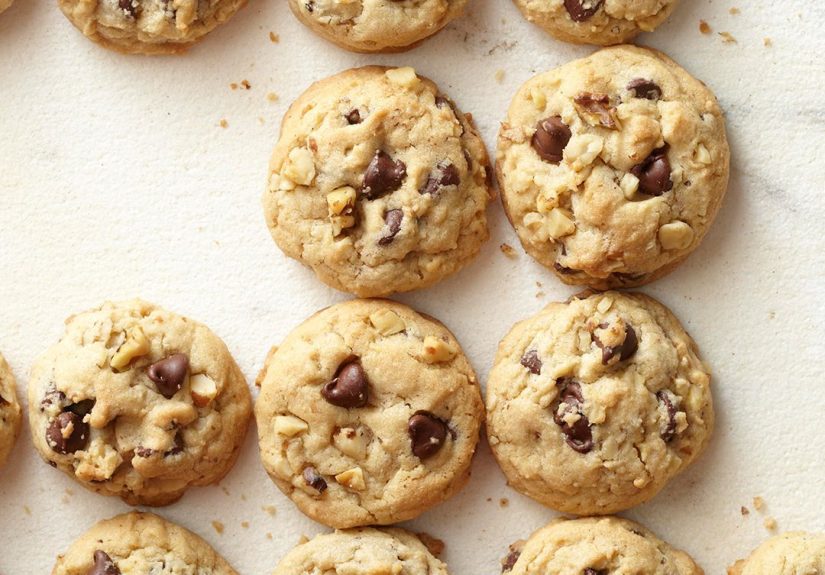
2) The Forever Chocolate Chip Cookie
The baseline cookie everyone judges all other cookies against. Make it your house style: thin and crisp, or
thick and chewy. Why it works: balanced sugar + fat + flour ratios, plus the right bake time
(pull early; residual heat finishes the center).
3) Brown Butter Chocolate Chip Cookies (Flavor Upgrade)
If regular chocolate chip cookies are a great movie, brown butter is the director’s cut. Browning the butter
deepens flavor into toasted, butterscotch territory. Test-kitchen move: brown part of the butter,
then melt the rest into it so you keep both flavor and the right moisture balance.
4) Pan-Banging Chocolate Chip Cookies (Crispy-Chewy Ripple Magic)
This one’s for people who want shattery edges and a gooey center. During baking, you lift and gently “bang” the
sheet so the cookies collapse in waves. The result: dramatic ripples, crisp edges, soft middleplus the mild joy
of making noise in the kitchen on purpose.
5) Melt-in-Your-Mouth Sugar Cookies (Soft Drop Style)
Buttery, tender, and simplelike the little black dress of the cookie world. Variation idea: swap
part of the white sugar for brown sugar for a deeper caramel note, or use maple sugar when you want fancy vibes
without fancy work.
6) Cut-Out Sugar Cookies (For Decorating, Not Crumbling)
The key is a dough that rolls cleanly and bakes without turning into abstract art. Test-kitchen tip:
chill the dough (and the cut shapes) so edges stay sharp. Bake until just set; overbaking is why “cute snowflakes”
become “sad crackers.”
7) Classic Snickerdoodles
Cinnamon-sugar comfort with that signature tang (thank you, cream of tartar). Doneness clue: look
for slight browning and a set edge; many bakers swear you can even hear a faint crackle when they’re just right.
8) Oatmeal Raisin Cookies (Chewy, Spiced, Underrated)
The cookie that deserves an apology from anyone who’s ever said “I thought it was chocolate chip.” Oats bring
chew, raisins bring fruity sweetness, cinnamon brings warmth. Test-kitchen idea: soak raisins in
hot water for 10 minutes, then drain wellplumper raisins, happier cookie.
9) Oatmeal Chocolate Chip Cookies (Peace Treaty Version)
For households divided between oatmeal raisin loyalists and chocolate chip purists: this is the diplomatic
cookie. Oats keep it hearty; chocolate makes it universally loved.
10) Shortbread (Three Ingredients, Infinite Power)
Flour, sugar, butterproof that simplicity can still flex. Test-kitchen rule: don’t overwork the
dough; you want tender and sandy, not bready. Bake until lightly golden, especially on the edges.
11) Peanut Butter Blossoms
Peanut butter cookie meets chocolate center. The secret is timing: press the chocolate in while the cookies are
still warm so it hugs the cookie without melting into chaos.
12) Triple-Chocolate Cookies
Cocoa dough + chocolate chunks + a drizzle (or dip) = maximum chocolate per square inch. Test-kitchen trick:
add a pinch more salt than you think you need. Chocolate loves salt like rom-coms love misunderstandings.
13) Chocolate Crinkle Cookies
Fudgy centers, powdered sugar “snow,” and a brownie-cookie hybrid energy. Best practice: chill the
dough so it’s scoopable and the crinkles crack dramatically instead of politely.
14) Giant Ginger Molasses Cookies
Big, chewy, spicy, and deeply flavoredmolasses brings color and richness, ginger brings heat. Test-kitchen note:
rolling in coarse sugar adds sparkle and crunch on the outside.
15) Gingersnaps (Snap Optional, Flavor Mandatory)
A cookie jar staple: molasses + warm spices + a crisp bite. If you prefer them less snappy and more chewy,
slightly underbake and let them finish setting on the sheet.
16) Pumpkin-Chocolate Chunk Cookies
Soft, cakey-leaning, and perfect with coffee. Pumpkin brings moisture, but it can also make cookies gummy.
Test-kitchen move: blot excess moisture from pumpkin purée if your dough feels too loose.
17) Melt-in-Your-Mouth Pumpkin Cookies (The “Softie” Category Winner)
These are ultra-tender, buttery pumpkin cookies for people who don’t want crunchjust cozy. Think “sweater weather”
in cookie form, even if it’s July.
18) Classic No-Bake Chocolate Peanut Butter Cookies
Stove-top, no oven, zero drama (unless you boil too long and they turn grainy). Cocoa + peanut butter + oats
= chewy, fudgy bites. Test-kitchen tip: line sheets with parchment so they release cleanly.
19) No-Bake Browned Butter Cookie Dough Bars (Edible Dough, Grown-Up)
Cookie dough barssafe to eatoften rely on heat-treated flour (quick oven bake) and skip raw eggs. Browned butter
adds that “I’m not playing around” flavor, while mix-ins (sprinkles, chocolate, crushed cookies) make it feel
customized.
20) Jam Thumbprint Cookies
Buttery base, jewel-like center. Test-kitchen technique: form the indent, bake briefly, then press
the well again and fill so the jam sits neatly instead of erupting over the sides.
21) Linzer Cookies (Jammy Sandwich Cookies That Look Like You Tried Hard)
Tender, nutty cookies (often almond-forward) sandwiched with jam and dusted with powdered sugar. Shortcut with style:
some test kitchens favor slice-and-bake approaches to make them more weeknight-friendly without losing the classic look.
22) Spritz Cookies (Cookie Press Classics)
Light, buttery, and shaped like festive little sculptures. Test-kitchen tip: press onto ungreased
sheets so the dough grips and releases properly from the press. Bake just until set and barely golden on the bottom.
23) Pecan Tassies (Mini Pecan Pie, Cookie Edition)
Cream cheese in the dough makes a tender “crust,” while the pecan filling turns them into tiny, poppable pies.
Great for dessert trays because they feel special without being complicated.
24) Double-Almond Macarons (Fancy, But Make It Learnable)
Crisp shell, chewy middle, and fillings that can swing from buttercream to jam to lemon curd. If you’re new to
macarons: weigh ingredients, follow the mixing cues, and don’t rush the drying step. They reward patience with
that iconic bite.
25) Rugelach Spirals (Jam-Nut Swirls With Serious Gift-Box Energy)
Cream cheese dough rolled with jam, cinnamon sugar, and nutsthen sliced into spirals for neat layers. This is a
test-kitchen favorite for cookie boxes because it’s beautiful, flavorful, and surprisingly customizable (swap jams,
switch nuts, add chocolate, go wild).
Test Kitchen Techniques That Instantly Level Up Your Cookie Game
Chill dough like it’s part of the recipe (because it is)
Chilling solidifies fat, reduces overspreading, and improves flavor as the flour hydrates. If a cookie recipe
tastes “fine” but bakes “meh,” try a 30–60 minute chill before changing anything else.
Know what sugar is doing (it’s not just sweetness)
- Brown sugar adds moisture and chew (thanks to molasses).
- White sugar helps crisp edges and clean snap.
- Liquid sugars (like corn syrup in some chewy styles) can push a cookie toward soft-and-chewy.
Underbake slightly on purpose
Cookies continue baking from residual heat on the sheet. Pull them when edges are set and centers still look a
touch underdone. This is how you get chewy centers without adding mystery ingredients.
Try “pan banging” when you want dramatic texture
For certain buttery drop cookies, banging the sheet mid-bake creates rippled edges and a chewy center. Use it as a
technique, not a personalityone or two batches like this in a cookie box is thrilling. Twelve batches is a
construction site.
Store cookies like a pro (aka: freeze them)
For peak texture beyond a day or two, freezing is the most reliable method. Freeze baked cookies (or portioned dough)
in airtight packaging, then thaw at room temp. Your future self will feel like you left yourself a delicious note.
Build a “Best of All Time” Cookie Box (Without Losing Your Mind)
The smartest cookie boxes have contrast: one chewy, one crisp, one chocolate-heavy, one jammy, one spiced, one
“fancy-looking.” Here’s a low-stress lineup:
- Chewy classic: Chocolate chip (brown butter if you’re feeling bold)
- Holiday spice: Giant ginger molasses or gingersnaps
- Chocolate drama: Crinkles or triple-chocolate
- Jam beauty: Linzer or thumbprints
- Buttery crisp: Shortbread or spritz
- Wildcard: Rugelach spirals or no-bake cookies
Pro move: bake in waves. Start with doughs that like chilling (cut-outs, linzer, spritz). Bake sturdier cookies first
(shortbread, biscotti-style cookies) so your soft cookies aren’t sitting around getting sad while you’re still
wrestling a cookie press.
Extra Kitchen Notes: The “Experience” Part (Because Cookies Are a Whole Event)
If you’ve ever tried to bake “just a quick batch,” you already know the lie: cookies are never just cookies. They’re
a sequence of tiny decisions that add up to either “hero of the household” or “why are they all welded together.”
And the funny part is, most cookie disasters aren’t flavor problemsthey’re process problems. The dough is fine.
The oven is… not always fine.
Here’s what tends to happen in real kitchens (the kind with a junk drawer and a spatula that’s seen things). You start
with high hopes and a playlist. Ten minutes in, you realize your butter is either rock-hard or accidentally melted
into a puddle because you tried to “soften” it with microwave bravery. That butter temperature alone can decide whether
your cookies bake thick and plush or spread into delicate, lacy doilies. The fix is boring but effective: soft butter
should dent when pressed, not collapse like a sofa cushion. If it’s too soft, chill the dough briefly before baking.
Nobody needs to know.
Then there’s the “I’ll eyeball it” era. Eyeballing works for pizza toppings. Cookies? They remember. A slightly heavy
hand with flour can turn a chewy cookie into a polite biscuit. Too little flour can make a cookie that tastes great
but refuses to hold its shapelike it’s melting out of commitment. This is why test kitchens love scales: repeatability.
But even without one, you can improve your odds by spooning flour into your measuring cup and leveling it off. Don’t
scoop straight from the bag unless you enjoy surprise density.
The most relatable cookie moment might be the tray shuffle. You bake one sheet and it’s perfect; you bake the next and
somehow the same dough behaves like it’s in a different mood. That’s usually oven hot spots and sheet temperature. A
warm sheet will melt dough faster, causing spread. A cool sheet buys you structure. So between batches, either use a
second sheet or let the sheet cool. This is also where parchment becomes your best friend: consistent contact with the
pan, easier cleanup, and less “why is half my cookie stuck to the metal like a sticker?”
Cookie timing is its own sport. Most of the best textures are born from a little underbakingedges set, centers still
softthen finishing on the tray as they cool. The temptation is to bake until the center looks “done,” but that’s how
you end up with cookies that could double as coasters. If you’re nervous, do a test cookie first. Bake one scoop, let
it cool, then adjust time by a minute or two. That one cookie can save the whole batch. Also, it’s a snack. Science
demands it.
And finally: cookie storage. You bake a glorious tray, and two days later they taste… tired. That’s not your fault; it’s
physics. Moisture moves. Crisp cookies soften. Soft cookies dry out. The most test-kitchen solution is also the simplest:
freeze what you won’t eat soon. It’s not “giving up,” it’s “future planning.” You can freeze baked cookies in airtight
containers, or freeze portioned dough so you can bake a few at a time. Fresh cookies on a random weeknight feels like a
life upgrade you didn’t know was available.
Cookies also have a sneaky social power. People forget what you said in meetings; they remember the person who brought
snickerdoodles. Cookie swaps turn into tiny economiesshortbread becomes currency, crinkles become a status symbol, and
someone always shows up with a “healthy cookie” that everyone politely respects and nobody takes seconds of. If you want
to be strategic, bring variety: one crowd-pleaser (chocolate chip), one nostalgic classic (peanut butter), and one
“wow, did you buy these?” cookie (linzer or rugelach). You’ll cover every personality type at the party.
The big takeaway from all this “experience”: the best cookie recipes aren’t magic. They’re systems. Once you learn the
handful of moveschill when needed, portion consistently, rotate pans, pull slightly early, store smartyou can bake
like a test kitchen without living in one. And that’s the real win: cookies that taste like you did a lot, even when
you mostly just did the right things in the right order.
Final Crumbs
The best cookie recipes of all time aren’t about one “perfect” cookiethey’re about having the right cookie for the
moment. Chewy chocolate chip for comfort, shortbread for elegance, crinkles for drama, no-bakes for speed, linzers for
flexing (politely). Use this list as your cookie playbook, and you’ll always have a winning batch readywhether you’re
baking for holidays, gifting, or just bribing yourself to fold laundry.