Table of Contents >> Show >> Hide
- Why Medium Layered Hair Needs a Different Bun Strategy
- Before You Start: Tools That Make Layered Buns Easier
- Way 1: The Textured Low Bun for Medium Layered Hair
- Way 2: The Polished Donut Bun for Medium Layered Hair
- Way 3: The Half-Up Bun for Medium Layered Hair
- How to Keep Layers from Falling Out of a Bun
- Common Mistakes to Avoid
- Experience Notes: What Actually Works in Real Life
- Conclusion
Medium layered hair is the Goldilocks of hair lengths: not too short, not too long, and somehow still dramatic enough to escape every elastic like it has a tiny passport and a plan. If you have shoulder-length or collarbone-length hair with layers, you already know the struggle. The front pieces slip out. The crown layers puff up. The shortest pieces at the nape of your neck behave like rebellious backup dancers. Yet with the right technique, a bun in medium layered hair can look intentional, modern, soft, and surprisingly secure.
The secret is not forcing layered hair to act like one-length hair. Layers need grip, smart sectioning, and a little forgiveness. Instead of chasing a perfectly round ballerina bun every time, you can work with the movement of your cut. A few face-framing pieces can make the style prettier. Texture can help pins stay in place. A slightly undone shape can look chic rather than chaotic. In other words, your layers are not the enemy; they are unpaid stylists.
This guide covers three easy ways to make a bun in medium layered hair: a textured low bun, a polished donut bun, and a playful half-up bun. Each method works for everyday wear, school, work, brunch, errands, casual dates, and those mornings when dry shampoo is basically your emotional support product.
Why Medium Layered Hair Needs a Different Bun Strategy
Medium layered hair usually falls between the shoulders and the collarbone, although some medium cuts sit slightly above or below that range. The layers create movement and shape, but they also mean not every strand reaches the bun. That is why a simple twist-and-wrap method may fall apart after ten minutes, especially if your hair is freshly washed, fine, slippery, or heavily layered around the face.
The best bun hairstyles for medium layered hair usually rely on three styling principles: add texture before styling, build the bun in sections, and secure short pieces with pins rather than more tension. Pulling hair too tightly may feel like the obvious fix, but tight buns can cause stress on the scalp and hairline if worn frequently. A softer hold is healthier and usually more flattering because it lets the layers frame your face naturally.
Before You Start: Tools That Make Layered Buns Easier
You do not need a professional kit or a bathroom counter that looks like a salon exploded. A few basics will make all three bun styles easier:
- A brush or wide-tooth comb for detangling
- One or two snag-free hair elastics
- Bobby pins or U-shaped hairpins
- Texturizing spray, dry shampoo, or light styling powder
- Light-hold or flexible-hold hairspray
- Optional: a small hair donut, sock bun form, or scrunchie
- Optional: styling cream for curly, frizzy, or thick hair
If your hair is very clean and slippery, mist it with texture spray first. If it is wavy or curly, use your fingers instead of a brush so you do not turn definition into a frizz festival. If your hair is fine, backcomb lightly at the ponytail before wrapping the bun to create fullness. If your hair is thick, use larger pins and anchor them into the base of the ponytail instead of only pinning the outer edge.
Way 1: The Textured Low Bun for Medium Layered Hair
The textured low bun is the most forgiving bun for medium layered hair. It sits near the nape of the neck, which means even shorter layers can usually reach the base. It works beautifully with face-framing pieces, curtain bangs, soft waves, and layered lobs. This is the bun that says, “I read books in cafés,” even if you mostly read shampoo bottles in the shower.
Best For
This method is best for medium layered hair that is shoulder-length, wavy, fine, thick, or slightly grown out. It is also ideal when you want a casual but pretty look that does not require every strand to behave.
Step-by-Step Instructions
Step 1: Add grip. Start with dry hair. Spray texture spray or dry shampoo through the mid-lengths and roots. Use your fingers to massage it in. This gives layers something to hold onto instead of sliding out of the bun.
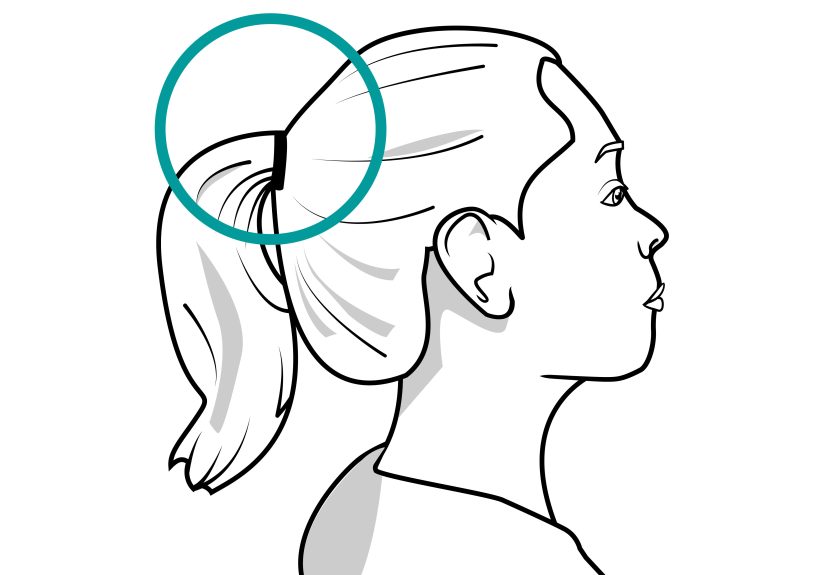
Step 2: Create a low ponytail. Gather your hair at the nape of your neck. Do not worry if a few shorter pieces around your face fall out. Secure the ponytail with a hair elastic, but keep it comfortable. A bun should not feel like a tiny scalp workout.
Step 3: Loosen the crown. Gently pinch and lift small sections at the crown to create volume. This step prevents the style from looking flat or severe, especially on layered cuts.
Step 4: Twist the ponytail loosely. Twist the ponytail around one or two fingers, then wrap it around the elastic. For medium layered hair, a loose twist usually works better than a tight rope twist because the shorter layers can blend into the shape.
Step 5: Pin as you go. Slide bobby pins into the bun at different angles. Aim the pins toward the center of the bun so they anchor into the ponytail base. If little ends stick out, tuck them under and pin them, or leave a few out for a soft, undone finish.
Step 6: Finish lightly. Mist with flexible hairspray. Pull out one or two face-framing pieces if you want a softer look. Avoid spraying until your hair feels crunchy. A low bun should move a little, not sound like a snack when touched.
Pro Tips for a Better Low Bun
If your layers keep escaping at the nape, cross two bobby pins in an X shape under the bun. If your hair is fine, tease the ponytail slightly before twisting. If your hair is curly, twist two or three smaller sections and pin them together instead of forcing all curls into one twist. This preserves shape and gives the bun more dimension.
Way 2: The Polished Donut Bun for Medium Layered Hair
A donut bun is the neatest option when you want a fuller, rounder bun. It is especially useful for medium layered hair because the donut form creates the illusion of more length and density. This style is great for work, formal events, dance classes, interviews, presentations, and any moment when you need your hair to look like it has signed a behavior agreement.
Best For
This method works well for medium hair that can fit into a ponytail. It is excellent for fine or medium-density hair because the bun form adds volume. For thick hair, choose a larger donut or use a scrunchie as a softer base.
Step-by-Step Instructions
Step 1: Smooth the hair into a ponytail. Choose your placement first. A mid-height ponytail creates a classic bun. A low ponytail feels elegant. A high ponytail looks more youthful and sporty. Brush the hair back gently and secure it with an elastic.
Step 2: Slide on the donut. Pull the ponytail through the center of the hair donut. Push the donut down until it rests against your head.
Step 3: Spread the hair over the donut. Fan your ponytail evenly around the donut so the form is covered. This is where layers can get tricky. Use your fingers to spread the longer pieces first, then guide the shorter pieces over the visible gaps.
Step 4: Secure with a second elastic. Place a thin elastic over the hair-covered donut. This locks the shape in place. You should now have a round bun with loose ends sticking out around it.
Step 5: Wrap and pin the ends. Take the remaining ends, twist them around the base of the bun, and pin them underneath. For layered hair, work in small sections instead of one big wrap. This helps hide shorter pieces and creates a cleaner finish.
Step 6: Tame flyaways. Rub a tiny amount of styling cream between your fingertips and smooth only the pieces that need it. Finish with light hairspray. Do not overdo product around the hairline, or the bun may shift from polished to “helmet audition.”
How to Make a Donut Bun Look Natural
The biggest mistake with a donut bun is making it too perfect. Unless you are heading to a ballet recital, a little softness is your friend. Gently loosen the hair at the crown, leave soft tendrils around the face, or place the bun slightly lower for a modern look. If your layers are very noticeable, curl the face-framing pieces lightly so they look intentional.
Way 3: The Half-Up Bun for Medium Layered Hair
The half-up bun, sometimes called a “hun,” is a hero style for medium layered hair. Because you are only styling the top section, you do not have to fight every short piece at the bottom. It keeps hair out of your face while letting the rest of your layers show. It is casual, trendy, and extremely helpful on days when the front of your hair looks cute but the back has entered its own weather system.
Best For
This style is perfect for medium layered hair with bangs, curtain layers, waves, curls, or shorter face-framing pieces. It works especially well on second-day hair because a little texture helps the bun stay put.
Step-by-Step Instructions
Step 1: Section the top half. Use your thumbs to gather hair from your temples back to the crown. For a bigger bun, section from ear to ear. For a smaller, softer bun, take only the top third of your hair.
Step 2: Create a small ponytail. Secure the section with an elastic. Keep the ponytail at the crown for a relaxed everyday style or slightly higher for a playful look.
Step 3: Add volume. Lightly tug at the hair near the crown to avoid a flat top. If your hair is fine, gently tease the ponytail before wrapping it.
Step 4: Twist into a bun. Wrap the ponytail around the elastic and secure it with pins. You can also make a looped bun by pulling the ponytail halfway through the elastic on the last wrap, then pinning the loose ends around the base.
Step 5: Style the loose hair. Leave the bottom layers natural, add quick waves, or smooth the ends with a brush. If the contrast between the bun and the loose hair feels too sharp, pull out a few pieces near the temples to blend the style.
Half-Up Bun Variations
For a messy half-up bun, use your fingers instead of a brush and let the ends stick out slightly. For a braided half-up bun, braid the small ponytail first, then wrap the braid into a bun. For a sleek version, smooth the top section with styling cream before securing it. This makes the style look intentional enough for dinner but still easy enough for a five-minute morning.
How to Keep Layers from Falling Out of a Bun
Layers falling out is normal, but there are several ways to control the situation without declaring war on your haircut. First, prep with texture. Freshly washed hair is often too silky for buns, especially if it is fine or straight. Second, pin short pieces in the direction they naturally fall. Fighting the growth pattern usually makes pins pop out. Third, use more small pins rather than one giant clip trying to do the work of a construction crane.
Another smart trick is to curl or wave the ends before making the bun. Slight bends help layered ends tuck in more easily. For stubborn nape pieces, twist each side section backward and pin it into the bun. For bangs or face-framing layers, decide early whether you want them out or in. Half-committed bangs are the reason many buns look accidentally chaotic.
Common Mistakes to Avoid
Making the Bun Too Tight
A tight bun may feel secure, but it can pull at the hairline and make layers spring out more aggressively. Choose a comfortable hold and rely on pins for structure.
Skipping Texture
Medium layered hair often needs grip. Texture spray, dry shampoo, or light styling powder can make a major difference, especially for straight or fine hair.
Using the Wrong Pins
Regular bobby pins work for fine to medium hair, but thick hair may need larger pins or U-shaped pins. Insert pins with the wavy side down for better grip.
Forcing Every Piece Into Place
Some layers are meant to fall softly. Instead of shellacking every strand, let a few pieces frame your face. The result often looks more flattering and modern.
Experience Notes: What Actually Works in Real Life
After experimenting with buns on medium layered hair, the biggest lesson is that the “perfect bun” is usually not the most wearable bun. The styles that look best in real life are the ones that allow the haircut to breathe. A medium layered cut already has shape, so a bun should not erase that shape completely. When a few pieces fall near the cheekbones or jawline, the style often looks softer and more expensive, even if it took seven minutes and involved searching for a bobby pin under the sink.
One of the most useful experiences is learning that second-day hair is usually better for buns than freshly washed hair. Clean hair can be too smooth, especially if conditioner was applied heavily through the ends. On fresh-wash days, the bun may slide down, pins may loosen, and the shorter layers may pop out like they are trying to make a public statement. A small amount of dry shampoo or texturizing spray changes everything. It gives the hair a little grit, which sounds terrible but looks fantastic.
The low bun is usually the easiest option for busy mornings. It works because the placement is close to the shortest layers at the nape. Instead of pulling those pieces upward, where they may not reach, the low bun invites them into the style. The result feels secure without needing a tight elastic. This is also the bun that survives errands, light wind, school days, work calls, and the emotional roller coaster of realizing you left your coffee on the kitchen counter.
The donut bun is more of a “planned outfit” hairstyle. It looks polished, but it benefits from patience. The trick is to work in small sections when wrapping the ends. Medium layered hair does not always wrap neatly in one direction. Some ends are shorter, some are longer, and some seem to be following a separate tutorial. Pinning in small sections creates a cleaner result and prevents the bun from looking lumpy. A small donut usually looks more natural than an oversized one on medium hair.
The half-up bun is the most forgiving and the most fun. It is perfect when the bottom layers are behaving but the front pieces need control. It also works well with curtain bangs because the face-framing pieces can stay loose while the crown gets volume. The best version usually comes from using fingers rather than a brush. A little unevenness makes the style look relaxed instead of overworked. For wavy hair, the half-up bun keeps texture visible. For straight hair, curling only the loose ends can make the whole look feel more styled.
Another real-life tip: keep pins in your bag, desk, or car. Medium layered buns can last all day, but small pieces may loosen after putting on a hoodie, wearing headphones, hugging someone, or dramatically removing sunglasses indoors. One extra pin can rescue the entire hairstyle. Also, avoid relying only on hairspray. Hairspray helps, but structure comes from smart placement, texture, elastics, and pins.
Most importantly, do not judge the bun too early. Many buns look strange at step three and cute by step six. Adjust the shape with your fingers, loosen the crown, tuck the ends, and let the style settle. Medium layered hair has personality. Sometimes that personality is charming; sometimes it needs a pin and a firm conversation.
Conclusion
Learning how to make a bun in medium layered hair is less about one perfect technique and more about choosing the right bun for your length, layers, texture, and day. The textured low bun is easy and romantic. The polished donut bun gives structure and fullness. The half-up bun is casual, youthful, and ideal for layered cuts that do not want to be fully pinned down. With the right prep, gentle tension, and a few well-placed pins, medium layered hair can hold a bun beautifully without looking stiff or overdone.
The next time your layers try to escape, do not panic. Add texture, section strategically, pin with purpose, and let a few soft pieces do their thing. A good bun does not need to be flawless. It just needs to look like you meant it.