Table of Contents >> Show >> Hide
- Before You Clean: Identify Your Baseball “Type”
- Quick Supplies Checklist
- Way #1: Dry Clean with a White Eraser (Best for Scuffs + Light Dirt)
- Way #2: Gentle Soap-and-Wipe (Best for All-Over Grime)
- Way #3: Mud, Clay, and Grass Stain Strategy (Best for “I Dropped It in the Infield”)
- Way #4: Micro-Polish for Tough Scuffs (Last Resort, High Caution)
- Aftercare: Help Your Baseball Stay Cleaner Longer
- FAQ: Quick Answers to Common “Cleaning Baseballs” Questions
- Wrap-Up: Clean Smarter, Not Harder
- Extra Innings: Field Notes & Real-World Cleaning Experiences (About )
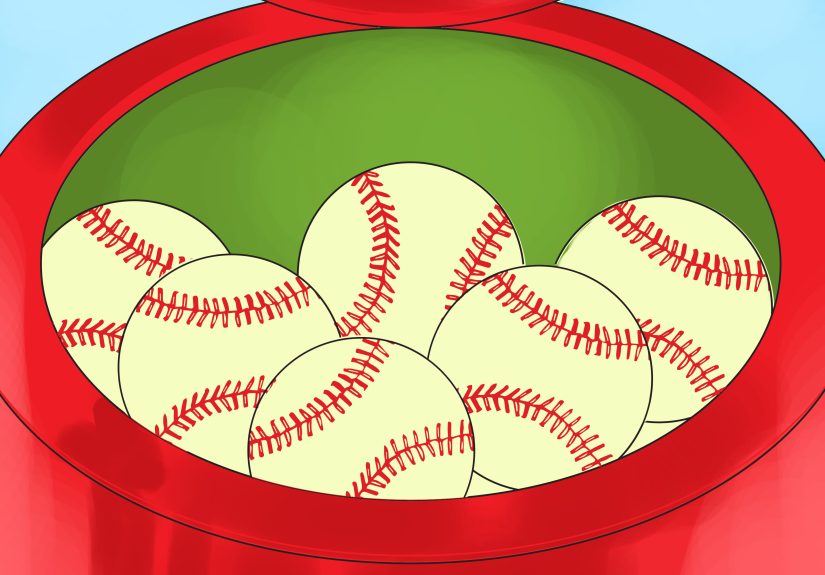
Baseballs have a talent for getting filthy in ways that feel oddly personal. One minute it’s a crisp white ball. The next, it looks like it lost a wrestling match with infield dirt, grass, and whatever mystery goo lives in the bottom of a gear bag. The good news: you can clean a dirty baseball. The better news: you can do it without turning it into a soggy, cracked, sad little coconut.
This guide breaks down four safe, practical ways to clean baseballsfrom light scuffs to full-on mud-caked chaoswhile keeping the leather and stitching in good shape. We’ll also talk about the one category of baseball that sometimes shouldn’t be cleaned at all (looking at you, signed and game-used collectibles).
Before You Clean: Identify Your Baseball “Type”
1) Practice ball or game ball (you want it clean)
If this is a ball you plan to throw, hit, or use for training, you’re aiming for better grip, less grime, and healthier leather. Cleaning is maintenance, not a crime.
2) Autographed, game-used, or collectible (you want it valuable)
If it’s signed, authenticated, game-used, or sentimental (like “my kid’s first home run ball”), cleaning can reduce value or damage ink. For collectibles, the safest move is often gentle dusting only, or cleaning around the signaturenot through it.
When in doubt, treat the ball like it’s wearing a tuxedo: do the least aggressive thing first, and only escalate if you absolutely have to.
Quick Supplies Checklist
Most baseball cleaning projects can be done with simple household items:
- Microfiber cloths (at least two: one for cleaning, one for drying)
- Soft brush (clean toothbrush, makeup brush, or soft shoe brush)
- White vinyl eraser (or a clean pencil eraser for small scuffs)
- Mild dish soap (no heavy degreasers, no bleach)
- Small bowl of lukewarm water
- Cotton swabs for tight areas near stitching
- Optional: leather conditioner (tiny amount) for game/practice balls
- Optional (high caution): melamine foam “magic eraser”
Way #1: Dry Clean with a White Eraser (Best for Scuffs + Light Dirt)
If you’re wondering how to clean a baseball without water, this is your starter method. It’s surprisingly effective on surface grime and scuff marks, and it’s also one of the safer options for balls with writing or stampsassuming you work slowly and avoid signatures.
Best for
- Gray scuffs and streaks
- Light dirt films
- Touch-ups near logos or printed text
- Signed baseballs (only if you stay away from ink)
How to do it
- Brush first. Use a soft brush to remove loose grit. Dirt acts like sandpaper if you rub it into leather.
- Use a clean, white eraser. Gently rub the dirty area in short strokes. Don’t mash it like you’re mad at a math test.
- Rotate the eraser. Keep a clean edge on the eraser so you’re lifting dirt, not redepositing it.
- Wipe away eraser crumbs. Use a dry microfiber cloth (or brush) to remove the residue.
Pro tips (a.k.a. “don’t make it worse” tips)
- Avoid colored erasers. They can transfer dye to leather.
- Stay off the red stitches. You can fuzz them up or discolor them.
- Signed ball rule: never rub across inkwork around it like it’s hot lava (because, value-wise, it is).
Way #2: Gentle Soap-and-Wipe (Best for All-Over Grime)
When a baseball looks like it’s been rolling around the dugout since 2009, it needs more than an eraser. The trick is cleaning the leather cover without soaking the ball. Baseballs have layers, and they’re not big fans of being waterlogged.
Best for
- Overall dirt and “field funk”
- Sticky residue (light)
- Regular maintenance on practice balls
How to do it
- Mix a mild solution. Add a small amount of mild dish soap to lukewarm water. You want “barely soapy,” not “bubble bath.”
- Dampendon’t drench. Dip a microfiber cloth, then wring it out hard. The cloth should be slightly damp, not dripping.
- Wipe in sections. Gently clean the leather panels in small circles. Avoid flooding the stitching holes.
- Rinse wipe. Use a second cloth dampened with plain water (also wrung out) to remove any soap residue.
- Dry immediately. Pat dry with a clean towel, then let the ball air-dry at room temperature.
What to avoid
- No bleach. It can weaken leather and discolor stitching.
- No long soaking. Water can swell materials and distort the ball.
- No heat drying. Hair dryers and direct sun can dry leather too fast and lead to cracking.
Way #3: Mud, Clay, and Grass Stain Strategy (Best for “I Dropped It in the Infield”)
Not all dirt is the same. Infield clay can cling like it signed a lease. Grass stains can tint the leather. And mud has a dramatic personality: it looks worse when you smear it around while it’s wet. The goal here is to remove the crud while keeping the leather’s surface intact.
Best for
- Dry mud clumps
- Clay stains and packed dirt
- Grass discoloration (light to moderate)
Step-by-step method
- Let wet mud dry first. If the ball is muddy, resist the urge to immediately rub it. Let it dry so you can lift it off instead of painting it on.
- Brush off the crust. Use a soft brush to remove dried dirt from the leather grain and stitching valleys.
- Spot-clean with a damp cloth. Use the mild soap-and-wipe approach from Way #2, but only on stained areas.
- Use cotton swabs for seams. Lightly clean near the red stitches without scrubbing them aggressively.
- Dry and rest. Pat dry and let air-dry. If stains remain, repeat gently rather than escalating to harsh chemicals.
Optional: leather cleaner or saddle soap (use sparingly)
If you have a leather cleaner designed for finished leather, you can use a tiny amount on a cloth for stubborn areas. Saddle soap is popular for leather gear, but it should be used lightly and wiped away thoroughly to avoid residue and long-term drying.
Reality check
Some “character stains” won’t fully disappear. That’s normal. A baseball is not a dinner plate; it doesn’t need to be laboratory white to be usable. If you’re cleaning a game-used or commemorative ball, that discoloration might be part of the story.
Way #4: Micro-Polish for Tough Scuffs (Last Resort, High Caution)
Let’s talk about the cleaning tool that is both a miracle and a menace: the melamine foam “magic eraser.” It can remove scuffs quickly, but it’s mildly abrasive. On leather, that means it can also remove finish. So this method comes with a strict warning label: use only when other methods fail, and never on a signed or collectible baseball.
Best for
- Stubborn scuff marks that won’t lift with an eraser
- Practice balls (not collectibles)
- Cosmetic cleanup before a training session
How to do it safely
- Test first. Pick a less visible spot and do a gentle test rub.
- Use minimal moisture. Lightly dampen the foam and squeeze it nearly dry.
- Feather-light pressure. Think “polishing a trophy,” not “sanding a deck.” A few passes, then stop.
- Wipe and inspect. Use a dry cloth to remove residue and check for dulling or color change.
- Condition (optional). If the leather looks dry afterward, apply a tiny amount of leather conditioner (only for game/practice balls), then buff.
Do NOT use this method if…
- The ball is autographed or authenticated
- You care about preserving the factory finish
- You’re trying to “whiten” the ball dramatically (that usually ends in regret)
If you’re tempted to chase perfect whiteness, remember: MLB baseballs aren’t even used straight out of the boxthey’re rubbed to remove slickness and improve grip. “Pristine” isn’t the natural state of a baseball. It’s more like a brief vacation.
Aftercare: Help Your Baseball Stay Cleaner Longer
Dry it correctly
Always air-dry at room temperature, away from direct sunlight, heaters, or hair dryers. Leather prefers slow and steady, like a veteran pitcher working the corners.
Store it like it matters
- Keep it dry. Moisture can encourage mildew and bad odors.
- Avoid UV exposure. Sunlight can discolor leather and fade ink.
- Use a display case for collectibles to reduce dust and handling.
Handle signed baseballs with extra care
Minimize touching the surface with bare hands. Oils from skin can transfer to leather and ink over time. If you must handle it, do so gently and consider using clean cotton gloves.
FAQ: Quick Answers to Common “Cleaning Baseballs” Questions
Can I wash a baseball in the sink?
You can wipe a baseball with a barely damp cloth, but don’t soak it. Submerging risks water intrusion, swelling, and misshaping.
How do I clean an autographed baseball?
Carefully. The safest approach is dry dusting and cleaning around the signature. Avoid moisture, abrasives, and rubbing across ink. If the mark is on top of the autograph, professional conservation is the safest option.
What removes scuffs from a baseball best?
Start with a white eraser (Way #1). If that fails and it’s a practice ball, consider the high-caution micro-polish method (Way #4).
Will cleaning make my baseball look brand new?
Usually, it’ll look better, not brand new. Leather absorbs stains and picks up patina. Think “freshened up,” not “time machine.”
Wrap-Up: Clean Smarter, Not Harder
If you only remember one thing, make it this: start gentle. A dirty baseball usually cleans up with dry methods or a careful wipe-down. Save aggressive tactics for practice balls, and treat collectibles like museum pieces (because in your house, they basically are).
Choose your method based on the mess: eraser for scuffs, mild soap wipe for grime, dry-first strategy for mud, and micro-polish only as a last resort. Your baseball will look better, feel better, andmost importantlywon’t smell like it’s been living under the bleachers.
Extra Innings: Field Notes & Real-World Cleaning Experiences (About )
Cleaning baseballs sounds simple until you’re staring at a bucket of “practice survivors” that look like they spent the offseason buried at shortstop. Over time, a few patterns show up again and againmostly involving good intentions, questionable shortcuts, and one guy who insists “bleach fixes everything.” (It does not. That guy is wrong about bleach, and probably wrong about pineapple on pizza too.)
Experience #1: The Eraser That Saved a Team Practice
One common scenario is a coach grabbing a handful of balls before a weekend tournament and realizing half of them have black scuffs that look like tire tracks. The fastest win is almost always the white eraser method. It’s low-risk, doesn’t introduce water, and you can hand it to a player who needs something to do between drills. The key is teaching “gentle pressure.” When people press too hard, they don’t clean fasterthey just grind dirt into leather like they’re seasoning a cast-iron pan.
Experience #2: The “Soap Tsunami” Mistake
The most frequent cleaning mistake is using way too much soap and way too much water. It starts as “I’ll just rinse it,” then becomes “Why does it feel weird?” and ends with “Why is it still damp tomorrow?” A baseball is not a sponge you want to saturate. The solution is always the same: wring out the cloth until it’s barely damp, wipe in sections, then dry immediately. If you over-soap, the ball can feel tacky or dull, because leftover residue dries on the surface. That’s why the rinse-wipe step matters. It’s boring, but so is conditioning drillsyet they win games.
Experience #3: Mud Isn’t the EnemyImpatience Is
Mud is sneaky. Wet mud looks removable, but rubbing it early usually smears pigment into the leather grain. Letting it dry feels wronglike ignoring a problem but it’s often the smartest move. Once dry, a soft brush pops off most of it quickly. The remaining stain can be spot-cleaned gently. This approach also reduces the temptation to scrub the stitches, which can fray or discolor if you go at them like you’re cleaning grout.
Experience #4: The Magic Eraser “One Swipe Too Far”
The magic eraser story is always the same: first swipe, amazing. Second swipe, still great. Third swipe… the leather starts looking oddly matte, like the ball got a bad Instagram filter. That’s because melamine foam can act like a micro-abrasive. Used carefully, it’s a useful last resort on practice balls. Used aggressively, it can remove finish and create uneven patches. The safest personal rule-of-thumb people adopt is: three light passes max, then stop and reassess. If the scuff remains but the ball still plays fine, you’ve reached the “accept reality” phase of baseball ownership. That’s a healthy phase.
Experience #5: Collectibles Are a Different Sport
Cleaning a signed baseball is more like conservation than cleaning. Many collectors learn the hard way that “improving appearance” can reduce value. Ink can smudge, finishes can change, and a ball that looked “authentic” suddenly looks “handled.” The safest routine is simple: dust lightly, store properly, avoid sun, and keep your hands off the sweet spot where the autograph lives. Sometimes the best cleaning method is leaving the story intactdirt, patina, and all.