Table of Contents >> Show >> Hide
Paint is one of the cheapest ways to make a room feel expensive, intentional, and pulled together. It is also one of the fastest ways to make a room look like it still has a ringtone from 2007. That is the magic and the menace of paint: a gallon can completely change the mood of a space, but the wrong shade can quietly whisper, “This house was last updated when everyone thought dark espresso floors were a personality trait.”
Designers are not saying you have to chase every trend or repaint your walls every time a new “color of the year” shows up wearing a fancy press release. In fact, the smartest advice is usually the opposite. The goal is not trend worship. The goal is choosing colors that feel warm, layered, flattering in real light, and flexible enough to live with for years.
So which shades tend to age a home the fastest? After looking across current designer advice and home design coverage, five repeat offenders keep showing up. Some were once safe bets. Some were once wildly trendy. All of them can make a home feel a little stuck in time when they are used the wrong way. Here is what to watch out for, why these paint colors date a home, and what to use instead if you want a space that feels current without trying too hard.
Why Certain Paint Colors Make a Home Look Dated
A dated paint color is not always a bad color. That is the tricky part. Plenty of shades are beautiful on their own, but they become time stamps when they are tied too tightly to a particular design era. Think of icy grays from the millennial minimalism phase, sugary blush tones from the social media pink craze, or sharp black-and-white combinations that felt bold for a minute and then started showing up in every flip on the block.
Designers usually say a paint color starts to feel old for one of three reasons. First, the undertone fights today’s materials and finishes. Second, the shade is overused, so it stops feeling personal. Third, the color creates the wrong mood. Homes are trending warmer, softer, and more layered. Rooms that feel harsh, sterile, or theme-y tend to look older faster.
That does not mean every room needs to be beige with a side of oatmeal. It simply means the most timeless spaces now lean toward warmth, depth, and subtle complexity instead of flat color choices that scream for attention or drain the life out of a room.
1. Cool Gray
Why it dates your home
Cool gray had a reign. Actually, it had several. For years, it was the default answer for walls, cabinets, tile, upholstery, and probably people’s emotional support blankets. It felt clean, modern, and safe. But the problem with a color being everywhere is that it eventually starts to look like nowhere in particular.
Today, designers often say cool gray feels cold, flat, and overly familiar. In natural light, especially north-facing light, it can read gloomy or lifeless. In rooms with warm wood, brass, terracotta, cream upholstery, or earthy stone, gray can feel disconnected from the rest of the palette. Instead of making a room look crisp, it can make the room look tired.
Cool gray is especially aging when it covers an entire open-concept space without relief. Walls, trim, and cabinetry in the same chilly gray can create that “builder-basic but trying very hard” effect. It is not offensive. It is just exhausted.
What to use instead
Try a warmer neutral with depth. That could mean mushroom, greige with balanced undertones, soft taupe, putty, or even a pale earthy plaster tone. These shades still behave like neutrals, but they feel more grounded and more compatible with real-life materials.
If you like the calmness of gray, move slightly off the old axis. Look for colors that read soft and quiet without looking icy. A room should feel collected, not refrigerated.
2. Stark White
Why it dates your home
There was a time when bright white walls were treated like the universal cheat code for modern design. Want a room to look bigger? White. Want it to feel expensive? White. Want to hide the fact that the room has no personality? Also white, apparently.
But ultra-crisp, blue-based white now often reads clinical rather than elevated. In the wrong light, it can feel more gallery lobby than comfortable home. In everyday spaces, especially living rooms, bedrooms, and older homes with character details, stark white can flatten architecture instead of highlighting it.
This is one of the biggest shifts in current paint advice: white is not gone, but cold white is losing favor. Designers increasingly prefer whites with softness and warmth because they make rooms feel welcoming instead of sterile. That matters when homeowners want spaces that feel lived in, layered, and human.
What to use instead
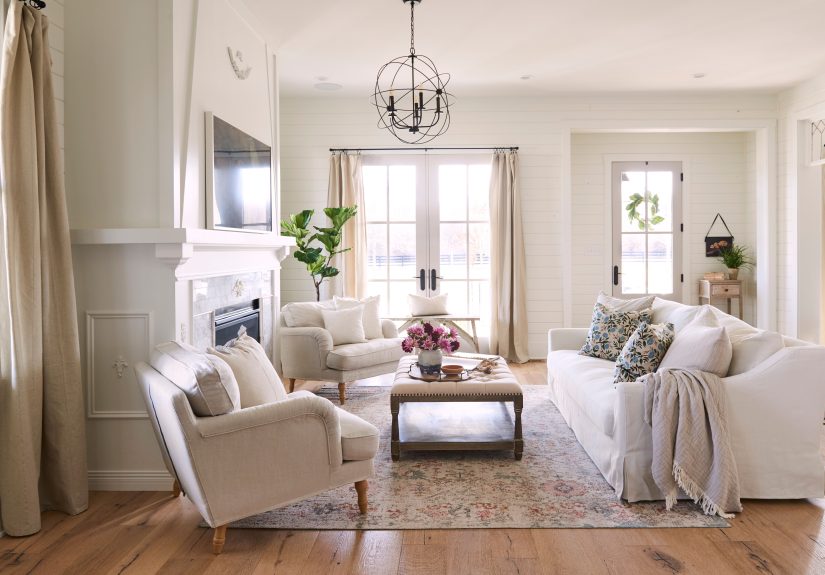
Look for creamy whites, warm off-whites, bone, linen, or white shades with a hint of taupe or beige. These colors still bounce light around a room, but they do it with more grace. They are easier on the eyes, kinder to wood tones, and much better at playing nicely with textiles, vintage pieces, and warm metals.
If you love the look of white, keep it. Just make sure it feels like a soft white shirt, not a dental office wall.
3. Millennial Pink
Why it dates your home
Millennial pink had a very impressive run. It was soft, social-media friendly, flattering in photos, and just quirky enough to feel fresh when it first took over interiors. The problem is that it became so culturally specific that it now instantly recalls a certain design era.
That pale blush tone can still work in the right setting, but when it is used too literally, it often feels pinned to the late 2010s. A whole room in sugary blush can look themed, overly sweet, or disconnected from the richer, earthier palettes people are favoring now. It is not that pink itself is out. It is that this particular pink has become predictable.
Designers still like pink, but usually in more sophisticated forms. The newer favorites tend to have muddy, brown, clay, beige, or mauve undertones. Those pinks feel architectural. Millennial pink often feels decorative. That difference matters.
What to use instead
Try dusty rose, putty pink, muted terracotta, rosy beige, or clay blush. These shades keep the warmth and flattering quality that made pink appealing in the first place, but they feel calmer, richer, and more grown up.
Used well, pink can absolutely be timeless. The key is choosing a version that whispers sophistication instead of yelling, “I once lived on a trendy throw pillow.”
4. Mint Green
Why it dates your home
Mint green can be charming in theory. It has a retro sweetness, a lightness, and a certain cheerful energy. But on full walls, it often veers toward nostalgic in a way that makes a room feel older rather than character-filled. In other words, it is one of those colors that can jump from “cute” to “why does this room feel like an old waiting room?” in a hurry.
The issue is undertone and intensity. Mint tends to read cooler and more artificial than the richer greens designers are leaning into now. As homeowners move toward olive, eucalyptus, forest, and muddier nature-based shades, mint can feel thin and a little dated by comparison.
This is particularly true when mint is paired with bright white trim, chrome, or overly pastel accessories. That combination can push a room into a time-capsule vibe instead of a timeless one.
What to use instead
Swap mint for sage with restraint, muted olive, eucalyptus, moss, or a dusty green-gray that has more body. The best modern greens feel connected to nature, not candy. They bring color without looking juvenile, and they can move comfortably between traditional, modern, farmhouse, and eclectic spaces.
If you want a green that lasts, think less toothpaste, more garden after rain.
5. Fire-Engine Red
Why it dates your home
Bright red walls had a major moment in the late 1990s and early 2000s, especially in dining rooms, accent walls, and homes leaning into Tuscan-inspired decor. Back then, bold red was dramatic. Today, it often reads aggressive, heavy, and oddly specific to that era.
Fire-engine red is hard to balance because it dominates everything around it. It can fight wood tones, distort skin tones, and make a room feel visually loud before anyone has even sat down. It also tends to clash with the softer, warmer, more nuanced palettes that are currently making homes feel fresh.
Red is not the villain here. Highly saturated, blue-based, primary red is the problem. It does not leave much room for subtlety, and subtlety is a big part of what makes a space feel elevated now.
What to use instead
If you still want drama, choose oxblood, burgundy, brick, rust, paprika, or a brown-based red. These shades bring warmth and depth without the visual siren effect. They feel layered, moody, and more adaptable to natural materials and mixed finishes.
Done right, red can be gorgeous. But the goal is rich and memorable, not “Italian restaurant in a strip mall circa 2003.”
How to Keep Paint From Dating Your Home Too Fast
Pay attention to undertones
Most paint mistakes are not about the color family. They are about the undertones. A white that looks creamy on a swatch may turn icy on a wall. A beige may suddenly go yellow. A green may lean mint when you wanted olive. Always test large samples in morning light, afternoon light, and lamplight before committing.
Think about the whole room, not just the wall
Paint does not live alone. It sits next to flooring, countertops, rugs, art, cabinetry, trim, and upholstery. A color that seems fine in isolation can feel totally wrong once it meets the rest of the room. The most timeless paint choices usually connect the room instead of trying to steal the show from it.
Choose mood over trend
Ask yourself how you want the room to feel. Cozy? Calm? Airy? Grounded? Sophisticated? Paint lasts longer when it supports a mood rather than a micro-trend. A room that feels emotionally right usually ages better than a room designed to impress the internet for six weeks.
Use bold colors with intention
Bold does not have to mean dated. Deep aubergine, smoky blue, olive, cocoa, clay, and oxblood can all feel incredibly current. The trick is choosing colors with complexity and using them in the right amount. A dramatic room should feel deliberate, not desperate.
Common Real-Life Experiences With Dated Paint Colors
One of the most common experiences homeowners describe starts with good intentions and a tiny paint chip. They pick what looks like a “safe neutral” in the store, paint an entire living room, step back, and realize the space suddenly feels colder than it did before. The furniture has not changed. The lighting has not changed. But the room somehow feels less welcoming. That is often the cool-gray effect. On paper, it seems modern. In real life, it can make a home feel emotionally unavailable.
Another familiar story happens with stark white. People choose a sharp white because they want the room to feel clean and bright, especially in kitchens, hallways, or renovated open spaces. At first, it does look fresh. Then evening comes, the overhead lights go on, and the room takes on that slightly harsh glow that makes everything feel flatter. The walls stop looking crisp and start looking severe. Suddenly the homeowner is buying baskets, wood stools, linen curtains, and anything else that might make the space feel like it has a pulse.
Pink also has a very specific paint-regret journey. A blush bedroom or powder room can look adorable during the planning phase, especially if the inspiration photos are perfect and filtered within an inch of their lives. But once the room is fully painted, some people realize the shade is sweeter than they expected. It can start to feel less like “soft and stylish” and more like the room is permanently blushing from embarrassment. The fix is rarely to abandon pink altogether. It is usually to shift toward a dirtier, earthier version that feels intentional instead of precious.
Green creates its own kind of surprise. Many people love the idea of a fresh green room because they want something natural and soothing. Then they choose a minty or pastel green and discover the room suddenly feels younger, cooler, or more retro than planned. This happens often in bathrooms, guest rooms, and kitchens, where bright trim and reflective surfaces exaggerate the color. The better experience usually comes from choosing a green with weight behind it, something herbal, mossy, or olive-toned that feels rooted rather than sugary.
And then there is the red-wall memory. Almost everyone has seen one. Sometimes it is a dining room that once felt dramatic and now feels exhausting. Sometimes it is a kitchen nook that was meant to be warm and now feels visually loud all day long. People often say the same thing after living with a bright red room for a while: they got tired faster than the paint did. That is the hidden cost of hyper-saturated color. It can demand attention long after you have stopped wanting to give it any.
The most useful lesson from all these experiences is simple: paint is emotional. It changes how a home feels to live in, not just how it photographs. The shades that age best are usually the ones that make daily life easier on the eyes. They flatter the room, support the furniture, and let the home feel personal instead of overly scripted. When people repaint after living with a dated color, the reaction is often immediate. The room feels calmer. Softer. More expensive. More like home. That is why choosing the right paint matters so much. It is never just color on a wall. It is atmosphere.
Final Takeaway
If your home is painted in cool gray, stark white, millennial pink, mint green, or fire-engine red, do not panic and do not start ripping art off the walls at midnight. No paint color is illegal, and none of them automatically ruin a room. But designers are increasingly clear that these shades can age a space fast when they feel cold, overly trendy, or too tied to past design eras.
The good news is that the replacement palette is not boring. Warmer whites, earthy pinks, richer greens, complex neutrals, and moodier reds all offer more depth and flexibility. They feel current, but not flimsy. Stylish, but not exhausting. And that is really the sweet spot: a home that feels updated without looking like it is trying out for a trend report.
Because the best paint color is not the one everyone is suddenly talking about. It is the one that still looks good after the conversation moves on.

![18 Best Types of Charts and Graphs for Data Visualization [+ How to Choose]](https://corkopencoffee.org/wp-content/uploads/2026/05/18-best-types-of-charts-and-graphs-for-data-visualization-how-to-choose-qKM1PBYG-thumb.jpg)