Table of Contents >> Show >> Hide
- 1. The Conversation-Pit Lounge
- 2. The Formal Living Room That Actually Gets Used
- 3. The Layered Traditional Room
- 4. The Pattern-Happy English Country Sitting Room
- 5. The Skirted, Soft-Edged Living Room
- 6. The ’70s-Inspired Curved Glam Living Room
- Why These Living Room Styles Still Matter
- Real-Life Experiences With the Living Room Styles Designers Want Back
For years, the living room has been stuck in a bit of a beige identity crisis. Everything got flatter, paler, sleeker, and more “clean-lined” until half the rooms on the internet started looking like they were staged by a very stylish cloud. Pretty? Sure. Memorable? Not always.
Now, designers are craving something warmer, richer, and a lot more human. Instead of spaces that look untouched, they’re talking about living rooms with personality: rooms that invite conversation, show off collected treasures, lean into texture, and feel like they were shaped over time instead of assembled in one panicked online shopping session at 11:47 p.m.
That doesn’t mean anyone is begging for a full-blown time capsule. No one is asking you to install shag carpeting wall-to-wall and start serving fondue under a disco ball, unless that is your truth. What designers do want back are the best parts of older living room styles: the intimacy, the polish, the pattern, the craftsmanship, and the glorious sense that a room can do more than just hold a sofa and a television.
Below are six living room styles designers wish would come back in style, along with why they still work, what makes them appealing now, and how to borrow the look without making your home feel like a period drama with Wi-Fi.
1. The Conversation-Pit Lounge
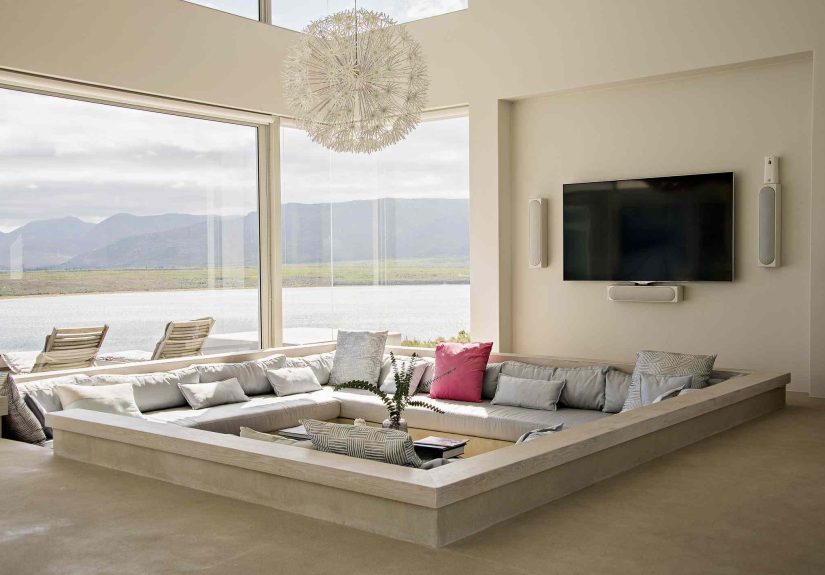
If there were ever a living room style designed to say, “Stay awhile,” it was the conversation pit. Sunken seating areas became iconic in the midcentury and 1970s eras because they made a room feel intimate, social, and just a tiny bit glamorous. You weren’t supposed to perch for three minutes and leave. You were supposed to sink in, talk too long, and forget what time it was.
Designers love the idea because modern living rooms often struggle with the opposite problem: they’re open, airy, and visually impressive, but not always emotionally sticky. A conversation-pit-inspired room naturally creates a gathering zone. It tells people where to sit, where to look, and most importantly, where to connect.
Even if your house does not currently include a dramatic built-in pitand honestly, most do notyou can still recreate the effect. The trick is to think in terms of enclosure. Use a low sectional, curved sofa, or four substantial chairs arranged tightly around a central coffee table. Float the seating away from the walls. Add a large rug that clearly marks the social zone. If the furniture arrangement whispers “don’t be shy,” you’re on the right track.
This style works especially well for people who actually use their living room for living: hosting friends, playing games, reading on lazy Sundays, or talking after dinner instead of staring silently at the TV while pretending to be “recharging.” The conversation-pit lounge is cozy, confident, and unapologetically people-first.
How to bring it back now
Choose sculptural seating, keep sightlines low, and use layered lighting rather than one harsh overhead fixture. The goal is not a museum-worthy retro set. It is a room that makes conversation feel inevitable.
2. The Formal Living Room That Actually Gets Used
Formal living rooms got a bad reputation for becoming decorative no-fly zones. You know the type: beautiful upholstery, fragile lamps, maybe one suspiciously untouched pillow, and an energy that says children, snacks, and joy are not welcome here. But designers are increasingly interested in reviving the formal living room in a way that feels polished rather than precious.
The appeal is simple. In an era of open floor plans and multitasking spaces, there is something luxurious about a room with a clear identity. A formal living room can be quieter, more intentional, and more refined than the family room. It becomes a place for conversation, cocktails, reading, or hosting grown-up company without the visual competition of toys, workout gear, and an air fryer manual on the side table.
The modern version is less stiff and much more inviting. Designers are mixing tailored silhouettes with softer fabrics, layering antiques with contemporary art, and treating symmetry as a tool rather than a rule. Think matching lamps but mismatched pillows. Think elegant drapery with one deeply comfortable chair you immediately want to claim.
What makes this style worth reviving is the mood it creates. A formal living room tells you to slow down a little. It encourages better lighting, better seating, and better conversations. It feels intentional in a time when many rooms are expected to do absolutely everything and somehow still look serene.
How to bring it back now
Start with classic bones: a fireplace wall, a centered sofa, a pair of chairs, and balanced lighting. Then loosen it up with textural fabrics, vintage finds, personal art, and at least one element that keeps it from feeling too rehearsed.
3. The Layered Traditional Room
Minimalism had a long run, but many homeowners are ready for living rooms that feel collected instead of edited within an inch of their lives. That is why layered traditional style is having such a strong pull right now. Call it classic, collected, old-money-inspired, or just deeply civilized, but the idea is the same: a room with history, warmth, and visible personality.
This style brings back details that used to be considered everyday design language: bookshelves filled with actual books, framed art that does not all match, antiques with a few scratches, rich wood finishes, tailored upholstery, and decor that suggests a life well lived instead of a cart well checked out.
Designers appreciate this look because it resists the disposable nature of trend-chasing. A layered traditional living room can evolve slowly. You can inherit a chest, add a new lamp, find vintage chairs, reupholster a bench, and build the room over time. That process creates depth, and depth is what makes a room feel interesting.
It is also one of the most forgiving styles to live with. The room does not need to be perfect because perfection is not the point. The charm comes from the mix. A formal coffee table can sit happily next to a worn leather chair. A floral pillow can coexist with a striped ottoman. A brass lamp can share a shelf with flea-market pottery and a stack of novels you swear you’re going to finish.
How to bring it back now
Layer traditional architecture, warm wood tones, vintage accents, and meaningful objects. Keep the palette grounded with creams, browns, olives, navy, or burgundy, then let the room tell a story one piece at a time.
4. The Pattern-Happy English Country Sitting Room
For a long time, pattern got treated like a design risk, as if one floral pillow might trigger total visual chaos. Designers would like to end that era, thank you very much. Pattern-heavy, wallpaper-loving, English country-inspired living rooms are back on the wish list because they feel charming, relaxed, and unmistakably personal.
This style embraces the decorative pleasures that stripped-down rooms often ignore: wallpaper, chintz, checks, stripes, pleated shades, gathered skirts, and upholstery that does not apologize for having a point of view. It creates living rooms that feel intimate and inviting rather than generic.
What makes the look work now is restraint in the right places. You do not need every surface screaming for attention like it just discovered caffeine. The modern approach layers pattern thoughtfully. Maybe the wallpaper is botanical, the sofa is striped, and the accent chair is a tiny check. Maybe the curtains add softness while the rug keeps things grounded. Done well, it feels curated, not chaotic.
This is also one of the best styles for softening a room that feels too hard or too new. Pattern adds warmth. Wallpaper adds depth. Fabric shades, trimmed pillows, and upholstered furniture make a space feel finished. Suddenly the living room stops looking like a rental waiting for personality and starts feeling like a home with preferences.
How to bring it back now
Begin with one strong pattern and echo it with smaller-scale companions. Mix florals with stripes or checks, keep at least one solid anchor in the room, and use wallpaper where you want instant atmosphere, such as behind bookshelves or across all four walls for full cocoon mode.
5. The Skirted, Soft-Edged Living Room
Skirted sofas, skirted chairs, and soft decorative details once got labeled fussy, old-fashioned, or too grandmotherly. Designers are now giving that judgment a polite but firm side-eye. The return of skirted furniture makes perfect sense in a moment when homes are becoming more tactile, more romantic, and less obsessed with exposed legs on every single piece of upholstery.
A skirt does something surprisingly powerful in a living room: it softens the architecture. All those sharp anglestable legs, chair legs, sofa bases, hard flooringcan start to feel a bit relentless. A skirt introduces drape, movement, and a hint of old-school elegance. It also hides awkward proportions, conceals storage, and makes even simple furniture feel more dressed.
This style often overlaps beautifully with traditional, cottage, and maximalist rooms, but it can also work in more tailored spaces. A clean-lined sofa with a crisp skirt reads refined rather than frilly. Add contrast piping or a subtle stripe, and suddenly the piece feels custom in a way that plain upholstery often does not.
Designers like this look because it restores softness to the living room. It reminds us that elegance does not always come from stripping things down. Sometimes it comes from layering them up. And in rooms full of hard modern surfaces, a little fabric drama can be exactly what keeps the space from feeling cold.
How to bring it back now
Try one skirted piece first: an accent chair, ottoman, or sofa. Choose tailored linen for a polished look, or go playful with a subtle ruffle, trim, or small print. Think less “dust ruffle from 1994,” more “custom upholstery with excellent manners.”
6. The ’70s-Inspired Curved Glam Living Room
Designers are not asking for a total 1970s reenactment, complete with avocado appliances and enough shag to lose a remote in forever. What they do want back is the era’s warmth, curves, and lounge-worthy glamour. The best ’70s-inspired living rooms feel enveloping, rich, and deeply comfortable.
This style usually includes rounded furniture silhouettes, earthy tones, tactile materials, and lighting with a little personality. Think camel and chocolate upholstery, ochre or terracotta accents, smoked glass, rattan, brass, sculptural side tables, and a sofa that looks like it knows how to host a very good record-listening session.
The reason this style resonates now is that it offers something many newer rooms lack: sensuality. Not in a scandalous way. In a texture-and-shape way. Curves feel friendlier than rigid lines. Earth tones feel warmer than icy grays. Mixed materials feel more lived-in than perfectly matched sets. Altogether, the room starts to feel less like a display and more like an experience.
There is also a fun factor here that designers clearly enjoy. A curved sofa, globe lamp, or vintage-inspired burl table can instantly loosen up a room. It signals confidence. It says the owner likes design but does not worship at the altar of playing it safe.
How to bring it back now
Use one hero piece, such as a curved sofa or rounded swivel chair, then support it with warm neutrals, earthy accent colors, and textured materials like velvet, cane, boucle alternatives, wood, or aged brass. The updated version is smoother, cleaner, and more sophisticated than the original decade’s wilder moments.
Why These Living Room Styles Still Matter
What ties all six of these living room styles together is not nostalgia for nostalgia’s sake. It is the desire for rooms that feel better to live in. Designers are clearly responding to spaces that offer comfort, identity, and emotional warmth instead of just visual restraint.
These returning ideas also share something else: they reward individuality. A conversation-focused layout, a formal sitting area, a layered traditional room, a pattern-rich country space, a skirted upholstery moment, or a curved ’70s-inspired lounge all leave room for interpretation. You can take the bones of the style and make it feel entirely your own.
That may be the real reason these old living room styles deserve a comeback. They remind us that the best rooms are not just stylish. They are memorable. They welcome people in, reveal something about the person who lives there, and look even better once life happens inside them.
Real-Life Experiences With the Living Room Styles Designers Want Back
One of the most interesting things about these revived living room styles is how different they feel once people actually live with them. On paper, a formal sitting room can sound intimidating, and patterned upholstery can sound risky. But in real homes, these choices often end up making the space feel more relaxed, not less. That surprises a lot of people.
A homeowner who swaps a standard wall-hugging sofa layout for a more conversation-driven arrangement often notices the change immediately. Guests stop drifting around awkwardly and start settling in. The room becomes easier to use, even though the furniture may technically be doing less. That is the funny thing about good design: sometimes the room feels more functional the moment it stops trying to be everything at once.
The same goes for layered traditional spaces. People who begin adding older pieces, warmer wood tones, or collected accessories often say the room finally starts to feel like theirs. Before, it may have looked neat and nice but not especially personal. Afterward, the room has memory in it. A vintage lamp from a flea market, a chair from a grandparent’s house, a shelf filled with books and odd little objects from tripsthose pieces create emotional texture. The room becomes harder to summarize, which is usually a sign it has become more interesting.
Pattern-rich rooms create another kind of experience. Many people worry that wallpaper, florals, or layered prints will feel busy over time, but the opposite is often true when the palette is cohesive. These rooms can feel deeply comforting. They have a softness that plain white walls and solid beige upholstery rarely deliver. There is something psychologically pleasant about visual richness when it is handled with rhythm and balance. The room feels finished, wrapped, and warm.
Skirted furniture tends to win over skeptics in a similarly practical way. At first, some people think it will feel too fancy. Then they realize it actually makes the room easier on the eyes. It softens the furniture line, hides dust-prone voids, and gives the space a tailored calm. In family homes, it can even make heavier furniture feel less bulky. That is not just nostalgia talking. That is design doing a quiet, useful job.
The ’70s-inspired curved living room style also changes how people move through the room. Rounded furniture encourages a more fluid layout and often makes a boxy space feel less rigid. Even one curved chair or rounded coffee table can reduce that “furniture pushed into corners for survival” effect. The room feels more dynamic, and people tend to comment on it right away because the difference is both visual and physical.
Perhaps the biggest shared experience across all these styles is this: they make living rooms feel inhabited in the best way. Not messy. Not cluttered. Just alive. They support ritualsmorning coffee, late-night chats, reading under a lamp, gathering with friends, stretching out on a rainy afternoonwithout making the room feel disposable or generic.
That is why designers keep circling back to these older ideas. They are not chasing the past because it was perfect. They are pulling forward the parts that made rooms feel intimate, gracious, and deeply human. And frankly, in a world full of copy-and-paste interiors, a living room with some character has never looked better.