Table of Contents >> Show >> Hide
- Quick refresher: Why Riley needed new emotions at all
- Meet the new emotions (and the chaos they bring)
- How the new emotions change the story (without spoiling the fun)
- Why these emotions feel so real
- How the original emotions react (and what we can learn from it)
- What parents, teachers, and teens can take from the new emotions
- The secret message: These emotions aren’t here to ruin Riley
- Real-Life Experiences: When the New Emotions Move In (About )
- Conclusion
Puberty is basically a home renovation you didn’t ask for. You go to bed with a perfectly functional emotional “Headquarters,” and you wake up to jackhammers, dust everywhere, and a brand-new crew insisting they know how to run the place.
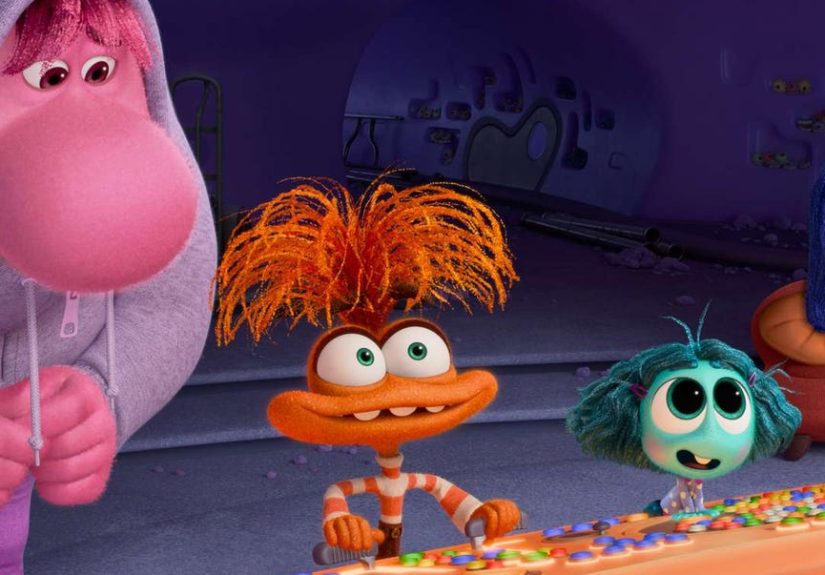
That’s the hilarious (and honestly kind of rude) premise behind Disney and Pixar’s Inside Out 2: Riley is now 13, she’s stepping into the complicated social universe of adolescence, and her mind makes room for four new emotionsAnxiety, Envy, Ennui, and Embarrassment. They don’t arrive quietly, either. They show up like they own the building, and for a while… they kind of do.
This article breaks down what each new emotion represents, how they change Riley’s inner world, and why the film’s new emotional lineup feels so painfully accurate it should come with a permission slip.
Quick refresher: Why Riley needed new emotions at all
The original Inside Out gave Riley five “core” emotionsJoy, Sadness, Anger, Fear, and Disgustworking the console like an emotional boy band where everyone absolutely insists they’re the lead singer.
But adolescence raises the difficulty setting. Your brain starts juggling identity, belonging, performance pressure, and social comparisonsometimes all before homeroom. So Inside Out 2 expands the cast with emotions that feel especially loud during the teen years. Pixar has even talked about how the sequel gave them room to explore emotions they couldn’t fully use the first time aroundbecause the emotional world gets more complex as we grow.
Meet the new emotions (and the chaos they bring)
Riley’s new emotions aren’t “bad emotions.” They’re complicated emotionsuseful in small doses, overwhelming in large ones, and occasionally responsible for text messages you wish you could launch into the sun.
Anxiety: The future-focused manager who never clocks out
Anxiety is the headline newcomer for a reason. She’s the emotion most associated with the leap into adolescencebecause suddenly everything feels like it has stakes.
What Anxiety does well:
- Plans ahead. She’s the voice that says, “Let’s rehearse what to say so we don’t sound weird,” which can be genuinely helpful.
- Spots risk. She’s great at noticing consequences before they happenlike remembering that posting something online means it might exist forever.
- Motivates preparation. Anxiety can push Riley to practice, try harder, and think strategically.
Where Anxiety goes wrong: She can turn preparation into control. She starts running Riley’s life like an emergency drill where the emergency is “maybe someone won’t think I’m cool.”
In the film’s emotional logic, Anxiety is the classic “helpful employee who gets promoted too fast.” Once she takes the console, she tries to engineer a perfect future by preventing every possible failure. The problem is that you can’t outsmart life with spreadsheets. (If you could, everyone would be calm, and that is not the current vibe of humanity.)
How Anxiety feels in real life: It’s the mental tab that’s always open, even when you’re trying to sleep. It’s imagining a conversation that hasn’t happened yet, then losing the argument anyway.
Envy: Tiny emotion, huge influence
Envy is small, bright, and deceptively powerfullike a glitter bomb that fits in your pocket.
What Envy does well:
- Identifies desire. Envy points out what Riley wantsskills, friendships, confidence, belonging.
- Signals goals. Sometimes envy is your brain highlighting a value: “I admire that. I want that for myself.”
- Creates motivation. It can push Riley to level uppractice more, learn faster, improve.
Where Envy goes wrong: She can turn admiration into comparison. Envy loves a scoreboard. And adolescence is basically a 24/7 scoreboardlooks, likes, friendships, achievements, and whether your laugh sounds normal today.
In Inside Out 2, Envy works closely with Anxiety because they share a common hobby: worrying about how Riley stacks up. Envy whispers, “Look what they have,” and Anxiety shouts, “We must become that immediately!”
How Envy feels in real life: It’s the quick sting when someone else gets picked first. It’s scrolling through someone’s highlight reel and forgetting it’s not the full movie.
Ennui: The queen of “meh”
Ennui (pronounced “on-WEE”) is the emotion of boredom, detachment, and that specific teen energy of being simultaneously exhausted and unimpressed by everything. Think: an eye roll with a Wi-Fi connection.
What Ennui does well:
- Creates distance. Ennui can protect Riley when feelings are intense by dialing down emotional overload.
- Signals disengagement. If something feels meaningless or draining, Ennui is your brain’s “no thanks” button.
- Helps with social armor. Let’s be real: sometimes “I don’t care” is a shield when you care deeply.
Where Ennui goes wrong: She can flatten everything. When boredom becomes your default, you stop taking healthy risks, stop connecting, and stop enjoying thingseven things you actually love.
Ennui also captures something modern: the way overstimulation can produce numbness. Too much input (notifications, social feeds, constant comparison) can make the brain go, “Okay. I will now feel nothing.”
How Ennui feels in real life: It’s saying “k” when you have a paragraph of feelings. It’s acting like nothing matters because it’s safer than admitting something matters a lot.
Embarrassment: The giant, shy bodyguard of the self
Embarrassment is bigphysically and emotionally. He’s the emotion that shows up when Riley feels exposed, awkward, or painfully aware that other people have eyeballs.
What Embarrassment does well:
- Teaches social boundaries. Embarrassment helps Riley notice what might be inappropriate or risky in a social setting.
- Supports empathy. Feeling embarrassment can make you more considerate because you remember what it’s like to feel awkward.
- Protects identity. It’s a guardrail that says, “Hey, maybe don’t do that in front of everyone.”
Where Embarrassment goes wrong: He can overreact. Embarrassment can make small moments feel catastrophiclike tripping in the hallway is a historical event that will be studied for centuries.
In the film, Embarrassment isn’t meanhe’s more like a gentle panic blanket. He wants to hide Riley, cover her, keep her safe from social judgment. And sometimes that’s useful! But if he runs the place, Riley never takes the emotional risks required to grow.
How Embarrassment feels in real life: It’s forgetting how to hold a water bottle in public. It’s hearing your own voice and thinking, “Why do I sound like that?”
How the new emotions change the story (without spoiling the fun)
Inside Out 2 isn’t just “new characters, same console.” The film explores a bigger idea: adolescence reshapes how we see ourselves.
Riley isn’t only reacting to events; she’s building a more complex “sense of self.” That means her emotions aren’t just controlling moodsthey’re influencing identity. Joy wants Riley to feel confident and connected. Anxiety wants Riley to be safe and successful. Envy wants Riley to have what others have. Ennui wants Riley to stop trying so hard. Embarrassment wants Riley to disappear until further notice.
And that tension is the point. The film shows how “negative” emotions can be protectiveuntil they become dominant. Anxiety, especially, isn’t framed as a villain so much as a well-intended strategist who starts treating Riley like a project instead of a person.
Why these emotions feel so real
Part of why audiences connected so strongly to Inside Out 2 is that the new emotions match common adolescent experiences:
1) Teens live in the future (even when the future is imaginary)
Anxiety’s whole deal is projecting forwardwhat if I fail, what if they don’t like me, what if I mess up my one chance? That future focus can be motivating, but it can also steal the present.
2) Social comparison turns up the volume on everything
Envy shows how quickly we can shift from “that’s impressive” to “I’m behind.” Adolescence is when peer comparison can become a major source of pressure, especially in competitive spaces like sports, academics, or social status.
3) Emotional numbness is a real response to overload
Ennui isn’t just “bored.” She’s disengaged. That can be a protective adaptationif everything feels intense, the brain sometimes dulls feelings to cope. But too much Ennui can lead to isolation and avoidance.
4) Embarrassment is the social alarm system
Embarrassment is what happens when you care about belonging. It’s uncomfortable, but it’s also evidence that connection matters to you. In small doses, it helps you navigate social norms. In large doses, it can shut you down.
How the original emotions react (and what we can learn from it)
One of the smartest parts of the film is that the original emotions don’t become “wrong” just because Riley grows up. Joy, Sadness, Anger, Fear, and Disgust are still essential. The problem is balanceand who gets control when pressure rises.
Joy’s growth is especially interesting: she’s forced to accept that you can’t build a healthy identity out of only happy memories or only good vibes. Real confidence comes from integrationknowing you can survive awkwardness, disappointment, and uncertainty, not pretending they won’t happen.
That’s the emotional thesis in a nutshell: Riley doesn’t need fewer feelings. She needs a better relationship with all of them.
What parents, teachers, and teens can take from the new emotions
Inside Out 2 is entertaining, but it also hands you a practical toolkit: emotional vocabulary. Naming a feeling can reduce shame and increase clarity. Instead of “I’m freaking out,” you can try: “My Anxiety is driving,” or “My Envy is comparing,” or “My Ennui is trying to detach.”
Try this “new emotions” translation guide
- Anxiety: “I care about the outcome, and I want to be prepared.”
- Envy: “I want something someone else has, and it’s making me compare.”
- Ennui: “I’m overwhelmed or bored, and I’m disconnecting to cope.”
- Embarrassment: “I feel exposed, and I want to protect myself.”
When you translate feelings like that, you don’t magically become calmbut you become more accurate. And accuracy is a superpower when your brain is doing emotional parkour.
The secret message: These emotions aren’t here to ruin Riley
If you only look at the chaos, it’s tempting to label the newcomers as “the bad ones.” But the film quietly argues something kinder: these emotions show up because Riley is growing.
Anxiety cares about Riley’s future. Envy cares about what Riley values. Ennui cares about emotional energy and boundaries. Embarrassment cares about social safety. They’re not mistakesjust intense employees who need supervision.
In other words, the goal isn’t to kick them out. The goal is to make them part of a team.
Real-Life Experiences: When the New Emotions Move In (About )
Even if you’ve never been to a hockey camp or had your brain remodeled overnight (rude), the new emotions in Inside Out 2 are extremely recognizablebecause most people meet them the moment life starts feeling like it’s being graded.
Anxiety often shows up first, usually disguised as “being responsible.” For example: the night before a big first daynew school, new team, new anythingyour brain suddenly becomes a 24-hour news channel. It runs worst-case scenarios on a loop. What if I sit alone? What if I forget someone’s name? What if I say “you too” when the teacher says “welcome”? Anxiety doesn’t do this because it hates you. It does it because it thinks rehearsal equals safety. The problem is that rehearsal can quickly turn into doom streaming, and now you’re exhausted before breakfast.
Envy tends to appear in social moments where you’re trying to figure out where you fit. It could be as simple as noticing someone’s confidencehow they walk into a room like they own oxygen. Or it could be seeing a teammate who’s faster, a classmate who’s effortlessly funny, or a friend whose life looks like a highlight reel. Envy isn’t always petty. Sometimes it’s a spotlight that reveals what you want to grow into. The tricky part is when Envy forgets to be inspirational and becomes judgmental: “They’re better, so I’m worse.” That’s not math. That’s feelings doing interpretive dance.
Embarrassment is the emotion you meet when you suddenly become aware that other people can perceive you. There’s a specific kind of awkwardness that comes with adolescence: you’re trying out new versions of yourself, but your brain is also tracking every facial expression in the room like it’s mission control. Embarrassment can strike over small thingslaughing too loudly, mispronouncing a word, waving at someone who wasn’t waving at you. In the moment, it feels like your reputation is a plate you just dropped in a crowded restaurant. Later, you realize most people were too busy worrying about their own plate.
Ennui often arrives as a defense mechanism. When feelings are intensepressure, excitement, disappointment, uncertaintyyour brain may try to shut the whole thing down with a shrug. It can sound like, “Whatever,” or “I don’t care,” even when you absolutely care. Ennui can help you survive overwhelming situations by creating distance. But if it takes over, it can also block the good stuff: joy, curiosity, connection. It’s like putting your phone in airplane mode and forgetting how to turn it back on.
What Inside Out 2 captures beautifully is that these emotions aren’t proof you’re broken. They’re proof you’re growing. The goal isn’t to be a permanently cheerful robot. The goal is to build a team inside your head where every emotion gets a voicebut not every emotion gets the keys at the same time.
Conclusion
The new emotions in Inside Out 2 don’t just add jokes and extra chaos (though they do that wonderfully). They reflect how adolescence expands emotional life: more social awareness, more future pressure, more identity-building, and more complexity in how we cope.
Anxiety, Envy, Ennui, and Embarrassment are loud because Riley is changing. The film’s most comforting takeaway is that you don’t “outgrow” emotionsyou learn to integrate them. And if your own Headquarters feels a little under construction sometimes, congratulations: you’re human.