Table of Contents >> Show >> Hide
- Quick answer: Can a colonoscopy detect anal cancer?
- Why colonoscopy isn’t the star player for anal cancer
- When a colonoscopy might catch anal cancer
- Symptoms that deserve a real medical evaluation
- Diagnostic tests doctors use for anal cancer
- Screening vs diagnosis: Where people get confused (and it’s understandable)
- If you’re getting a colonoscopy and you’re worried about anal cancer
- What happens if something suspicious is found
- Real-life experiences: what this process can feel like (and why you’re not “overreacting”)
- Conclusion: The smart way to think about colonoscopy and anal cancer
Colonoscopy is the VIP backstage pass to your colonbut when it comes to anal cancer,
it’s more like catching a glimpse of someone in the hallway while you’re rushing to your seat.
Possible? Yes. Reliable as the main plan? Not really.
If you’re here because you’re worried about symptoms (or you just got a report that mentioned “anal canal”
and your brain immediately opened 27 tabs of panic), take a breath. We’ll break down what a colonoscopy can
see, what it can miss, and which diagnostic tests doctors actually use to confirm (or rule out) anal cancer
without making you feel like you’re studying for a medical school exam you never enrolled in.
Quick answer: Can a colonoscopy detect anal cancer?
A colonoscopy can sometimes spot abnormalities near the anus, especially if the clinician
carefully inspects the anal canal during scope insertion or withdrawal. But colonoscopy is not the
primary test used to diagnose suspected anal cancer. When anal cancer is a concern, clinicians
typically rely on a focused exam of the anus and anal canal (often including digital rectal exam,
anoscopy, and a biopsy) plus imaging tests to stage the disease if cancer is confirmed.
Why colonoscopy isn’t the star player for anal cancer
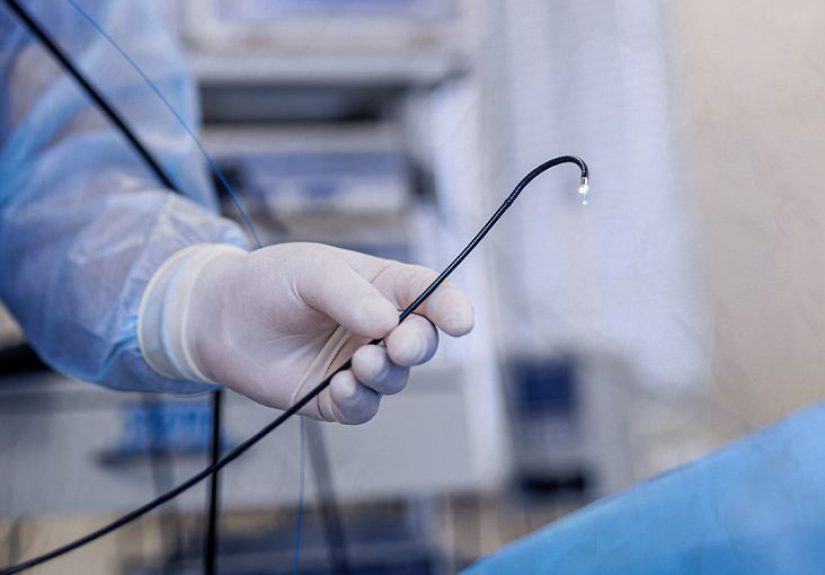
Think of colonoscopy as a long camera tour designed for the colon and rectum. The scope enters through the anus,
passes the anal canal, travels through the rectum, and then explores the colon. The anus is the doorway, not the destination.
That matters because anal cancer starts in the tissues of the anus or anal canal, and those tissues
may require a more direct, close-up look than a colonoscopy typically provides.
What a colonoscopy is great at
- Detecting and removing colon polyps (some of which can become colon cancer).
- Evaluating causes of rectal bleeding that originate higher up (colon/rectum).
- Diagnosing inflammatory bowel disease, diverticular disease, and other colon conditions.
What a colonoscopy may not do well for anal cancer
- Provide a detailed view of the entire anal canal in the way an anoscope or high-resolution anoscopy can.
- Focus specifically on small lesions right at the anal margin (the outer area), which may be better seen on direct inspection.
- Replace a targeted exam and biopsy when a suspicious anal lesion is present.
Bottom line: colonoscopy can occasionally detect anal cancer incidentally, but if you’re actively trying to evaluate
a suspicious anal symptom or lesion, clinicians usually choose tests that are designed for that neighborhood.
When a colonoscopy might catch anal cancer
It’s not common, but it happens. Here are realistic scenarios where anal cancer (or a concerning anal lesion) might be noticed during colonoscopy:
1) Careful inspection at entry/exit
Some clinicians perform a deliberate inspection of the anal canal as the scope is introduced and withdrawn. If there’s
an obvious mass, ulcer, unusual thickening, or bleeding lesion, it may be seenand documented.
2) Rectal retroflexion (a special camera “look back”)
In some cases, the endoscopist bends the scope in the rectum to look back toward the anorectal junction. This may provide
an additional view of the lower rectum and nearby structures, and can sometimes reveal abnormalities closer to the anal canal.
It’s not always performed, and it’s not primarily intended as an anal cancer screening tool.
3) You mention symptoms before the procedure
This is a big one. If you tell your clinician you’ve had persistent bleeding, pain, a palpable lump, or an area that won’t heal,
they may do a more intentional examination of the anal region (and may recommend a separate targeted evaluation even if the colonoscopy is normal).
Your colon can be perfectly fine while your anus is trying to wave a little red flag.
Symptoms that deserve a real medical evaluation
Many anal symptoms are caused by noncancerous issues (hello, hemorrhoids and fissures). But anal cancer can mimic benign problems,
so persistent symptoms should be checkedespecially if they last more than a couple of weeks or keep coming back.
- Rectal bleeding (especially recurring or unexplained)
- Anal pain or pressure
- Itching or discharge that doesn’t improve
- A lump, mass, or thickened area near the anus
- Changes in bowel habits or stool caliber that persist
- Swollen lymph nodes in the groin
If you have heavy bleeding, severe pain, dizziness, fainting, or rapidly worsening symptoms, seek urgent medical care.
(Your body is allowed to be dramatic sometimes, but your job is to respond appropriately.)
Diagnostic tests doctors use for anal cancer
Diagnosing anal cancer typically follows a stepwise approach: examine, visualize,
biopsy, then stage if cancer is confirmed. Here’s what those steps commonly include.
Medical history and symptom review
Clinicians will ask about bleeding, pain, bowel changes, and how long symptoms have been present. They’ll also ask about risk factors
such as prior HPV-related disease, immunosuppression, or HIV status (not to judgejust to assess risk and guide testing).
External inspection
A straightforward visual exam can identify fissures, warts, ulcers, skin changes, or masses at the anal margin. This part is quick.
It may be awkward. It should not be excruciating. (If it is, tell themthere are ways to make the exam more tolerable.)
Digital rectal exam (DRE)
A digital rectal exam involves a gloved, lubricated finger to feel for lumps, thickening, tenderness, or other abnormalities
in the anal canal and lower rectum. It’s one of the most basic and useful first checks when symptoms suggest something more than routine irritation.
Anoscopy
Anoscopy uses a short, lighted tube (an anoscope) to look directly inside the anal canal and lower rectum.
If there’s a suspicious area, clinicians can often take a tissue sample (biopsy) or plan the next diagnostic step.
High-resolution anoscopy (HRA)
High-resolution anoscopy is like upgrading from a standard-definition TV to crisp HD. It uses magnification to help clinicians
identify abnormal tissue, especially HPV-related precancerous lesions. HRA is frequently discussed in the context of screening and surveillance
for high-risk groups and for evaluating abnormal cytology results.
Biopsy (the confirmation step)
If something looks suspicious, a biopsy is the decisive move. Tissue is removed and examined by pathology to determine whether
cancer cells are present. Imaging can suggest cancer, scopes can reveal suspicious tissue, but biopsy confirms the diagnosis.
Other endoscopic tests: sigmoidoscopy vs colonoscopy
Depending on symptoms and what needs to be evaluated, a clinician might recommend:
- Flexible sigmoidoscopy to examine the rectum and lower colon.
- Colonoscopy to examine the entire colon and rectumuseful if bleeding might be coming from higher up or if you’re due for colorectal screening.
These tests can be part of the workup, but for suspected anal cancer, they usually complementnot replaceanoscopy and biopsy.
Imaging tests for staging (if cancer is confirmed)
Once anal cancer is diagnosed, imaging helps determine whether it has spread and guides treatment planning. Common imaging tests include:
- MRI (often used to assess local tumor extent and nearby tissues)
- CT scans (commonly used to evaluate lymph nodes and distant spread)
- PET scan or PET/CT (helps identify metabolically active cancer sites)
- Ultrasound, including endoanal ultrasound in some cases
Additional testing that may be recommended
- HIV testing (often recommended in anal cancer evaluation or at diagnosis because it affects risk, screening, and care planning)
- Evaluation for other HPV-related disease depending on history (for example, cervical cancer screening in appropriate patients)
Screening vs diagnosis: Where people get confused (and it’s understandable)
Let’s untangle two concepts that get mixed together online:
Colonoscopy is a screening test for colorectal cancer
Many adults get colonoscopies as part of routine colorectal cancer screening. During that process, the anus is the entry pointand sometimes
abnormalities there are noticed. But the procedure is designed for the colon.
There’s no one-size-fits-all routine screening for anal cancer in the general population
Anal cancer screening is more nuanced. Some expert groups discuss screening approaches for people at higher riskoften involving a combination of:
digital anorectal exam, anal cytology (anal Pap), high-risk HPV testing, and
high-resolution anoscopy for abnormal results. The exact approach depends on risk factors, available expertise, and evolving guidelines.
If you’re in a higher-risk group (for example, living with HIV or with a history of significant HPV-related disease), ask your clinician what screening or
surveillance plan fits you. If you’re not high-risk and you don’t have symptoms, your best “screening” may simply be staying current on routine health care
and reporting new anal symptoms promptly.
If you’re getting a colonoscopy and you’re worried about anal cancer
Here’s how to use your upcoming procedure wiselywithout turning it into a DIY detective show:
-
Tell your clinician about symptoms before the procedure (bleeding, pain, a lump, persistent itching, or a non-healing sore).
This helps them decide whether you need a targeted anal exam or referral in addition to the colonoscopy. - Bring up any risk factors you know about (HIV, immunosuppression, prior HPV-related lesions). Clinicians aren’t mind-readerssadly.
- Ask what the next step is if the colonoscopy is normal but symptoms continue. A normal colon does not automatically explain anal symptoms.
- Don’t self-diagnose from the prep. The bowel prep can irritate tissues and temporarily worsen hemorrhoid-like symptoms. That doesn’t mean you’re doomed.
What happens if something suspicious is found
If an endoscopist sees an abnormal area near the anus or in the rectum, the next steps often include:
- Documentation and photos in the procedure report
- Referral to a colorectal specialist or an anal dysplasia/anoscopy clinic
- Targeted anoscopy or high-resolution anoscopy
- Biopsy of the lesion (if not already taken)
- Imaging if cancer is confirmed, to determine stage and plan treatment
Treatment details are beyond the scope of this article, but many anal cancers are treated with a combination of
chemotherapy and radiation, and outcomes can be better when disease is detected earlier.
Real-life experiences: what this process can feel like (and why you’re not “overreacting”)
Below are composite, real-world-style experiences based on common clinical pathways and what patients often report.
They’re not medical advice, and they’re not a substitute for seeing your own clinicianbut they can make the process feel less mysterious.
Experience 1: “It was probably hemorrhoids… until it wasn’t”
A lot of people start with mild bleedingjust a streak on toilet paper or a little red in the bowl. They assume hemorrhoids (and to be fair,
hemorrhoids are extremely common). They try over-the-counter creams, sitz baths, more fiber, and a heroic amount of hydration. Sometimes that solves it.
But when bleeding keeps returning, or pain shows up, the worry meter starts climbing.
In a typical workup, a primary care clinician or GI specialist begins with a history and a simple exam. If a lump is felt on digital rectal exam
or something looks unusual externally, the patient is often referred for anoscopy. The most emotionally intense moment for many people is realizing
that the “quick check” is now a “we should take a closer look.” The upside? That closer look is exactly how suspicious lesions get identified early.
Experience 2: “My colonoscopy was normal, but my symptoms weren’t”
This is a surprisingly common frustration. Someone gets a colonoscopy for bleeding or because they’re due for colorectal screening.
The results come back squeaky-clean: no colon polyps, no colitis, no obvious rectal cause. Relief! …for about 48 hours.
Then the same anal pain or bleeding returns, and they feel stuck in an awkward limbo: “If the colonoscopy was normal, am I imagining this?”
In many cases, the next best step is a focused anorectal evaluationdigital rectal exam and anoscopy. This is where the diagnostic pathway can
get back on track, because a normal colonoscopy does not rule out conditions localized to the anal canal or anal margin. Patients often say the
biggest lesson they learned is simple: normal test ≠ imaginary symptoms. It just means you need the right test for the right location.
Experience 3: “High-risk screening felt scary… until it felt empowering”
People in higher-risk groups (for example, living with HIV or with a history of significant HPV-related disease) sometimes enter structured screening programs.
The first time someone hears “anal Pap” or “high-resolution anoscopy,” it can feel like being dropped into a new language without subtitles.
There’s also the emotional weight: anything involving cancer screening can trigger anxiety, even when the goal is prevention.
Many patients describe a turning point after they understand the purpose: screening is not a prediction of doomit’s a strategy to find and treat
precancerous changes before they become invasive cancer. HRA visits can be uncomfortable, but many people say the biggest benefit is clarity:
they leave with a plan instead of a vague worry. And for some, the experience becomes oddly practicallike getting your car’s check-engine light
read by an actual mechanic instead of guessing based on vibes.
Experience 4: “Waiting for biopsy results was the hardest part”
Procedures are finite. You show up, you do the thing, you go home. Waiting is different. Biopsy results can take days, sometimes longer depending
on lab workflows. People often cycle through every possible outcome in their mindtwicebefore lunch.
What helps most (according to many patient narratives) is having a clear communication plan: when results will arrive, who will call, and what the
next steps will be for both benign and abnormal findings. If your anxiety spikes during waiting periods, you’re not weakyou’re human.
This is exactly the moment to lean on your support system and ask your care team for clarity about timing and follow-up.
Conclusion: The smart way to think about colonoscopy and anal cancer
A colonoscopy can occasionally detect anal cancerusually by noticing an abnormality near the anus during a procedure performed for other reasons.
But it’s not the go-to test for suspected anal cancer. If symptoms or a lesion raise concern, clinicians typically use targeted exams like digital rectal exam,
anoscopy (sometimes high-resolution anoscopy), and biopsythen imaging such as MRI, CT, and PET to stage confirmed cancer.
If you take one message from this article, let it be this: match the test to the tissue. Colonoscopy is excellent for the colon.
Anal cancer lives in a different zip codeand it deserves the right diagnostic tools.