Table of Contents >> Show >> Hide
- Why Chicken Recipes Never Go Out of Style
- Essential Chicken Safety Before You Start Cooking
- How to Choose the Best Cut for Your Chicken Recipe
- Foundational Chicken Cooking Methods
- Easy Chicken Recipes for Every Kind of Dinner
- Flavor Formulas That Make Chicken Recipes Better
- How to Keep Chicken Juicy
- Chicken Meal Prep Ideas
- Best Leftover Chicken Recipes
- Common Chicken Recipe Mistakes to Avoid
- Experiences and Practical Lessons From Cooking Chicken Recipes
- Conclusion
Chicken recipes are the reliable blue jeans of the dinner world: casual enough for Tuesday, polished enough for company, and surprisingly forgiving when your evening schedule goes sideways. Whether you have chicken breasts, thighs, wings, drumsticks, ground chicken, or a whole bird sitting in the fridge, there is almost always a delicious path forward. The trick is knowing which method fits which cut, how to season it properly, and how to avoid the dreaded dry-chicken tragedy that has haunted many a dinner plate.
This guide brings together practical cooking wisdom, food-safety basics, flavor-building techniques, and easy chicken dinner ideas you can use all week long. From skillet chicken and oven-baked chicken to grilled chicken, soup, casseroles, meal prep bowls, and leftover makeovers, these chicken recipes are designed for real kitchens, real appetites, and real people who sometimes forget to thaw dinner until 5:42 p.m.
Why Chicken Recipes Never Go Out of Style
Chicken is popular because it is affordable, versatile, widely available, and easy to pair with nearly any flavor profile. Lemon and garlic? Classic. Soy sauce and ginger? Weeknight gold. Buttermilk and hot sauce? Crispy comfort food with a Southern accent. Tomatoes, basil, and mozzarella? Chicken just booked a trip to Italy.
Another reason chicken recipes remain kitchen staples is that different cuts behave differently. Chicken breasts cook quickly and work well for cutlets, salads, pasta, and wraps. Chicken thighs are juicier and more forgiving, making them perfect for roasting, braising, grilling, and one-pan dinners. Wings and drumsticks bring party energy. Whole chicken gives you dinner, leftovers, and bones for stock if you are feeling pleasantly ambitious.
Essential Chicken Safety Before You Start Cooking
Great chicken recipes begin with safe handling. Raw chicken can carry bacteria, so keep it separate from ready-to-eat foods, wash your hands before and after handling it, and clean cutting boards, knives, and counters thoroughly. One important rule: do not wash raw chicken. Rinsing chicken can splash germs around the sink and nearby surfaces. Cooking chicken properly is what makes it safe, not giving it a little shower first.
Use a food thermometer to check doneness. Chicken, turkey, and other poultry should reach an internal temperature of 165°F. Insert the thermometer into the thickest part of the meat without touching bone. For whole chicken, check the breast and thigh. For stuffed chicken, the stuffing must also reach 165°F.
Storage matters too. Raw chicken should generally be cooked within 1 to 2 days when refrigerated. Cooked chicken is best used within 3 to 4 days. If plans change, freeze chicken before it lingers too long in the refrigerator. Future you will be grateful, especially on a night when dinner options appear to be “toast” or “sad handful of cereal.”
How to Choose the Best Cut for Your Chicken Recipe
Chicken Breasts
Chicken breasts are lean, quick-cooking, and ideal for healthy chicken recipes. Their main weakness is that they can dry out if overcooked. To keep them juicy, pound them to an even thickness, slice them into cutlets, marinate briefly, or cook them gently in a skillet with a sauce. Chicken breasts are excellent for chicken piccata, grilled chicken salads, fajitas, stir-fries, sandwiches, and pasta dishes.
Chicken Thighs
Chicken thighs are the laid-back cousin who never causes trouble. They have more fat than breasts, which means more flavor and better moisture. Bone-in, skin-on thighs roast beautifully, while boneless thighs are great for quick skillet meals, curry, tacos, rice bowls, and sheet-pan dinners. If you are new to cooking, chicken thighs are a confidence booster.
Chicken Wings and Drumsticks
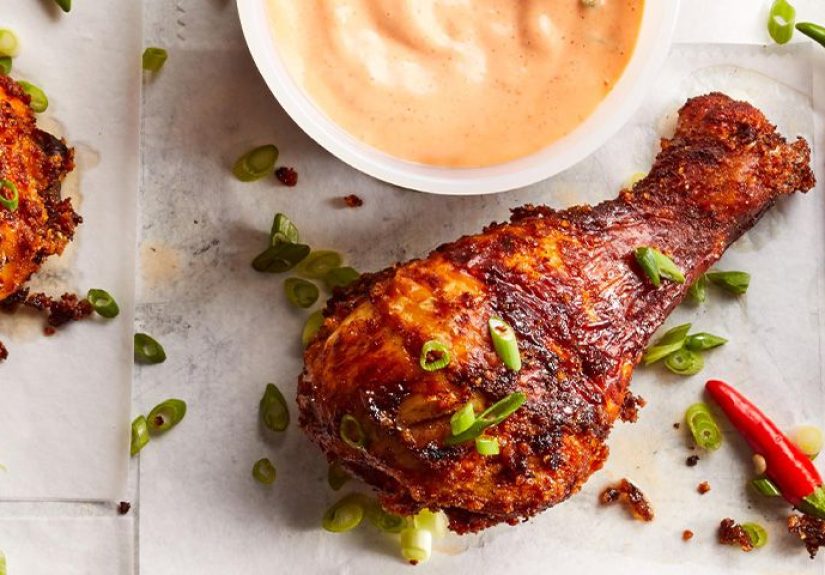
Wings and drumsticks are built for bold seasonings. They love barbecue sauce, buffalo sauce, honey garlic glaze, lemon pepper seasoning, Cajun spices, and sticky soy-based marinades. Bake them on a rack for better airflow, or grill them slowly until the skin is crisp and the meat is tender.
Whole Chicken
A whole chicken is one of the best values in the meat department. Roast it with lemon, garlic, herbs, and vegetables for a complete meal. Spatchcocking, which means removing the backbone and flattening the bird, helps it cook faster and more evenly. It sounds fancy, but really it is just chicken yoga with kitchen shears.
Foundational Chicken Cooking Methods
1. Skillet Chicken
Skillet chicken recipes are perfect for busy nights because they build flavor quickly. Start by patting the chicken dry, seasoning it generously, and searing it in a hot pan. Once the chicken develops a golden crust, add aromatics like garlic, onion, shallots, or ginger. Deglaze the pan with broth, wine, lemon juice, or a splash of vinegar, then simmer briefly to create a sauce.
A simple example is lemon garlic skillet chicken. Sear thin chicken cutlets, remove them from the pan, then add garlic, chicken broth, lemon juice, and a small pat of butter. Return the chicken to the sauce until cooked through. Serve with rice, mashed potatoes, or roasted vegetables.
2. Baked Chicken
Baked chicken recipes are reliable because the oven does most of the work. For juicy baked chicken breasts, pound them evenly, brush with olive oil, season with salt, pepper, paprika, garlic powder, and dried herbs, then bake until the internal temperature reaches 165°F. Let the chicken rest before slicing so the juices stay where they belong: inside the meat, not all over the cutting board.
Bone-in chicken thighs can handle higher heat and longer roasting. Place them skin-side up, season well, and roast until the skin turns crisp. Add potatoes, carrots, onions, or Brussels sprouts to the pan, and dinner becomes a sheet-pan miracle.
3. Grilled Chicken
Grilled chicken recipes shine when you use a marinade or dry rub. A basic marinade needs three things: fat, acid, and flavor. Try olive oil, lemon juice, garlic, oregano, salt, and pepper for Mediterranean-style chicken. For a smoky-sweet option, use oil, lime juice, chili powder, cumin, garlic, and a touch of honey.
Do not over-marinate chicken in acidic mixtures, especially breasts, because too much acid can make the surface mushy. A few hours is usually enough for strong flavor. Grill over medium heat, turning as needed, and check doneness with a thermometer.
4. Slow Cooker Chicken
Slow cooker chicken recipes are ideal for soups, shredded chicken, tacos, stews, and saucy dinners. Chicken thighs usually perform better than breasts because they stay moist over longer cooking times. For easy shredded chicken, add boneless chicken thighs or breasts to the slow cooker with salsa, taco seasoning, and a little broth. Cook until tender, shred, and use in tacos, burritos, nachos, or grain bowls.
5. Air Fryer Chicken
Air fryer chicken recipes are popular for a good reason: crispy edges, fast cooking, and less mess than deep-frying. Chicken tenders, wings, cutlets, and thighs all work well. For extra crunch, coat chicken in seasoned flour, egg, and panko breadcrumbs. Spray lightly with oil and cook until crisp and safe inside.
Easy Chicken Recipes for Every Kind of Dinner
Lemon Herb Chicken Breasts
This is a clean, bright recipe that works for meal prep or a quick dinner. Pound chicken breasts to an even thickness. Season with salt, pepper, garlic powder, lemon zest, and dried oregano. Sear in a skillet with olive oil, then finish with lemon juice and chicken broth. Serve with roasted asparagus and rice.
Honey Garlic Chicken Thighs
For a sweet-savory dinner, sear boneless chicken thighs until browned. Add minced garlic, soy sauce, honey, a splash of rice vinegar, and a little water. Simmer until the sauce thickens and coats the chicken. Sprinkle with green onions and sesame seeds. It tastes like takeout but requires fewer delivery fees and less staring out the window waiting for a driver.
Classic Roast Chicken
Pat a whole chicken dry and season it generously with salt. For better skin, let it sit uncovered in the refrigerator for several hours or overnight. Before roasting, rub with butter or olive oil, add pepper, garlic, thyme, rosemary, and lemon. Roast until the thickest parts reach 165°F. Let it rest before carving.
Chicken Noodle Soup
Chicken noodle soup is comfort in a bowl. Start with onion, carrots, celery, and garlic. Add broth, cooked shredded chicken, herbs, and noodles. Simmer until the noodles are tender. Finish with parsley and a squeeze of lemon to brighten the flavor. This recipe is perfect for leftover roast chicken or rotisserie chicken.
Chicken and Rice Casserole
Chicken casseroles are popular because they are cozy, practical, and friendly to leftovers. Combine cooked chicken, rice, sautéed vegetables, broth, a creamy sauce, and a little cheese. Bake until bubbling. For extra texture, top with breadcrumbs or crushed crackers. It is the kind of dish that says, “Everything is under control,” even when your inbox suggests otherwise.
Chicken Tacos
Season chicken thighs with chili powder, cumin, garlic powder, smoked paprika, salt, and lime juice. Sear or grill until cooked through, then slice. Serve in warm tortillas with cabbage, avocado, salsa, cilantro, and lime. Chicken tacos are fast, flexible, and easy to customize for picky eaters.
Crispy Chicken Cutlets
Chicken cutlets are thin, quick, and satisfying. Pound chicken breasts, season them, dredge in flour, dip in beaten egg, and coat with breadcrumbs. Pan-fry until golden and cooked through. Serve with salad, pasta, mashed potatoes, or tuck into a sandwich with lettuce, tomato, and a swipe of mayo.
Flavor Formulas That Make Chicken Recipes Better
The easiest way to create new chicken recipes is to think in flavor formulas. Once you understand the pattern, you can improvise without feeling like you are defusing a tiny culinary bomb.
Mediterranean Chicken
Use olive oil, lemon, garlic, oregano, parsley, feta, olives, tomatoes, and cucumber. This works well with grilled chicken, baked thighs, kebabs, salads, and rice bowls.
Tex-Mex Chicken
Use chili powder, cumin, smoked paprika, lime, cilantro, salsa, beans, corn, peppers, and avocado. This flavor profile is perfect for tacos, enchiladas, burrito bowls, and shredded chicken.
Asian-Inspired Chicken
Use soy sauce, ginger, garlic, sesame oil, rice vinegar, honey, scallions, and chili paste. Try it with stir-fried chicken, wings, noodles, lettuce wraps, or rice bowls.
Southern-Style Chicken
Use buttermilk, hot sauce, paprika, garlic powder, black pepper, and seasoned flour. This approach works for fried chicken, oven-fried chicken, chicken sandwiches, and crispy tenders.
Italian Chicken
Use tomatoes, basil, oregano, garlic, mozzarella, Parmesan, balsamic vinegar, and olive oil. Try chicken Parmesan, chicken cacciatore, creamy Tuscan chicken, or baked pesto chicken.
How to Keep Chicken Juicy
Dry chicken usually happens for one of three reasons: uneven thickness, too much heat for too long, or not enough seasoning. The first fix is simple. Pound chicken breasts so they cook evenly. The second fix is a thermometer. Instead of guessing, check the temperature. The third fix is salt. Salt does more than make food taste “salty”; it helps chicken taste like itself, only better.
Brining is another useful technique. A wet brine uses salt dissolved in water, sometimes with sugar and aromatics. A dry brine uses salt directly on the meat and often gives better browning because the surface stays drier. Even a short seasoning time can improve flavor. For whole chicken, salting ahead and letting the bird rest uncovered in the refrigerator can help create crisp skin.
Chicken Meal Prep Ideas
Chicken recipes are excellent for meal prep because cooked chicken can be used in many ways. Make a batch of simple shredded chicken at the beginning of the week, then turn it into different meals. On Monday, use it in tacos. On Tuesday, toss it into pasta. On Wednesday, add it to soup. By Thursday, it becomes chicken salad with celery, herbs, Greek yogurt, and lemon. By Friday, it deserves applause.
For balanced meal prep bowls, pair chicken with a grain, vegetables, sauce, and something crunchy. Try grilled chicken with brown rice, roasted broccoli, tahini sauce, and toasted almonds. Or make a Southwest bowl with chicken, rice, black beans, corn, salsa, avocado, and lime. Keep sauces separate until serving so everything stays fresh.
Best Leftover Chicken Recipes
Leftover chicken is not a problem; it is a head start. Shred it and add it to quesadillas, fried rice, pot pie, soup, enchiladas, casseroles, wraps, or salads. The key is moisture. Since leftover chicken has already been cooked, avoid reheating it aggressively. Add broth, sauce, salsa, gravy, or dressing to keep it tender.
One simple leftover idea is creamy chicken pasta. Warm garlic in olive oil, add a splash of broth and cream, stir in Parmesan, then fold in cooked chicken and pasta. Add spinach or peas for color. Another option is barbecue chicken flatbread: spread barbecue sauce on flatbread, add chicken, red onion, cheese, and bake until bubbly.
Common Chicken Recipe Mistakes to Avoid
Cooking Cold Chicken Straight From the Fridge
Very cold chicken can cook unevenly, especially thick pieces. Let it sit briefly while you prep other ingredients, but do not leave it at room temperature for long periods.
Overcrowding the Pan
If the pan is too crowded, chicken steams instead of browns. Cook in batches when needed. Browning equals flavor, and flavor deserves personal space.
Cutting Too Soon
Let chicken rest after cooking. Resting helps juices redistribute, especially in larger pieces like whole roast chicken or thick breasts.
Using Sauce as a Substitute for Seasoning
Sauce is wonderful, but the chicken itself still needs seasoning. Salt, pepper, and spices should touch the meat before cooking.
Experiences and Practical Lessons From Cooking Chicken Recipes
One of the most useful experiences with chicken recipes is learning that simple food is not the same as boring food. A plain chicken breast can taste forgettable if it is tossed into a pan without care, but the same chicken breast can become a fantastic dinner with even thickness, proper seasoning, a hot skillet, and a quick pan sauce. The difference is not expensive ingredients. The difference is technique.
Another lesson is that chicken thighs are a lifesaver for busy home cooks. They tolerate a little extra cooking time, stay juicy, and absorb bold flavors beautifully. When dinner needs to be reliable, thighs are often the safest bet. A tray of chicken thighs with potatoes, onions, carrots, olive oil, garlic, paprika, salt, and pepper can become a full meal with almost no drama. Put everything on a sheet pan, roast until golden, and suddenly the kitchen smells like you have your life together.
Chicken recipes also teach the value of planning without becoming too rigid. For example, cooking extra chicken on Sunday can make weekday meals much easier. A roasted chicken can become sandwiches, soup, tacos, and salad. Shredded slow cooker chicken can become enchiladas one night and rice bowls the next. This kind of flexible planning saves money and reduces food waste without forcing you to eat the exact same meal five days in a row, which is how good intentions become lunchbox resentment.
Flavor experiments are part of the fun. If you usually make lemon garlic chicken, try adding capers and parsley for a piccata-style twist. If you like barbecue chicken, add a little chipotle powder for smokiness. If your grilled chicken tastes flat, finish it with fresh herbs, citrus juice, or a spoonful of yogurt sauce. Chicken is a blank canvas, but unlike an actual blank canvas, you can cover it in garlic butter and eat it.
One important experience is learning not to rely only on appearance. Chicken can look done on the outside and still need more time inside, especially thick breasts or bone-in pieces. A thermometer removes the guesswork. It also helps prevent overcooking, because you can stop cooking when the chicken is safe instead of waiting until it has the texture of office printer paper.
Finally, the best chicken recipes are the ones that fit your real life. Some nights call for a slow roast with herbs and vegetables. Other nights call for rotisserie chicken, tortillas, salsa, and a heroic lack of shame. Both count. Cooking well is not about making every meal complicated; it is about understanding ingredients, using smart techniques, and creating food that people want to eat. Chicken recipes succeed because they can be humble, elegant, spicy, cozy, crispy, saucy, healthy, indulgent, or all of the above.
Conclusion
Chicken recipes are endlessly useful because they can adapt to nearly every schedule, budget, flavor preference, and cooking skill level. Once you understand the basicssafe handling, proper temperature, choosing the right cut, seasoning well, and matching the cooking method to the recipeyou can turn chicken into fast weeknight dinners, comforting casseroles, bright salads, crispy cutlets, hearty soups, and impressive roast meals.
The best part is that chicken rewards both beginners and experienced cooks. Start with easy chicken recipes like skillet lemon chicken, baked thighs, tacos, or chicken noodle soup. Then build confidence with grilling, roasting, brining, pan sauces, and meal prep. With a little practice, chicken stops being “just chicken” and becomes one of the most dependable ingredients in your kitchen.
Note: Always use a food thermometer to confirm chicken reaches 165°F, and adjust seasonings, sauces, and side dishes to match your taste, dietary needs, and available ingredients.