Table of Contents >> Show >> Hide
- What Is the Rare Heart-Shaped Succulent?
- Is Conophytum bilobum Really Rare?
- Heart-Shaped Succulent vs. Sweetheart Hoya
- How to Care for a Heart-Shaped Succulent
- Does the Heart-Shaped Succulent Flower?
- How to Propagate Conophytum bilobum
- Common Problems and How to Fix Them
- Best Display Ideas for This Cute Succulent
- Where to Buy a Heart-Shaped Succulent
- Why Plant Collectors Love It
- Personal Growing Experience: Living With a Succulent That Looks Like a Tiny Heart
- Conclusion: A Tiny Heart With Big Collector Appeal
Some plants look elegant. Some plants look dramatic. And then there is Conophytum bilobum, the rare heart-shaped succulent that looks like it wandered out of a cartoon, blinked twice, and decided to become a houseplant. With its plump, two-lobed body and adorable “little green heart” shape, this tiny succulent has become a favorite among collectors, gift-givers, and anyone who has ever looked at a plant and said, “Wait… is that real?”
The answer is yes. It is real. It is also wonderfully strange, surprisingly tough, and a little particular about its care. Often called a living pebble or two-lobed cone plant, Conophytum bilobum belongs to a group of miniature succulents native to arid parts of southern Africa. It grows close to the ground, stores water in thick paired leaves, and may produce bright yellow or orange daisy-like flowers when conditions are right. In other words, it is part pebble, part heart emoji, and part tiny botanical miracle.
If you have seen photos of this heart-shaped succulent online and wondered whether it is a rare plant, a novelty gift, or just very good Photoshop, you are not alone. Its shape is so charming that it often gets compared to sweetheart hoya, lithops, and other “living stone” succulents. But Conophytum bilobum has a personality all its own. It grows slowly, stays compact, and rewards patient growers with clusters of paired leaves that look like a miniature crowd of green hearts waiting for compliments.
What Is the Rare Heart-Shaped Succulent?
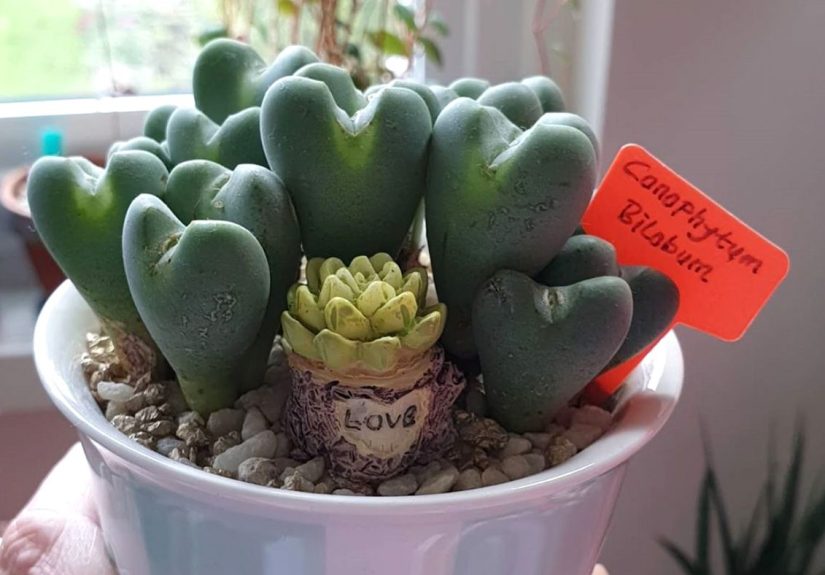
The rare heart-shaped succulent most people are talking about is Conophytum bilobum. The name gives away its shape: “bilobum” refers to its two-lobed form. Each plant body is made of two thick leaves that are fused together at the base, creating a notch at the top that resembles a heart. Depending on the variety and growing conditions, the leaves may be gray-green, bluish-green, yellow-green, or lightly flushed with warm tones.
Unlike common rosette succulents such as echeveria, this plant does not spread out in leafy layers. Instead, it forms small, rounded bodies that sit close to the soil surface. Over time, a healthy plant can develop into a clump of charming little pairs. Think of it as a tiny succulent choir, except everyone is shaped like a Valentine.
Why It Looks So Unusual
Conophytum bilobum is part of a broader group of plants often called mimicry succulents. These plants evolved to blend into rocky, dry landscapes. Their compact bodies help reduce water loss, while their stone-like appearance can make them harder for hungry animals to notice. That cute heart shape is not just decoration; it is survival design wearing a very adorable outfit.
Its small size also makes it ideal for collectors with limited space. You do not need a greenhouse the size of a tennis court. A bright windowsill, a shallow pot, and the self-control not to overwater it will get you much further than fancy equipment.
Is Conophytum bilobum Really Rare?
In everyday garden centers, yes, Conophytum bilobum is considered uncommon. You are much more likely to find jade plants, aloe, snake plants, or echeverias at a big-box store. Heart-shaped conophytums are usually sold by specialty succulent nurseries, collectors, or seed sellers.
Its rarity is partly due to slow growth. This is not the kind of plant that doubles in size every time you turn your back. It takes its time, follows a seasonal growth cycle, and often appeals most to hobbyists who enjoy patient plant care. That slow pace is part of the charm. Owning one feels less like buying décor and more like adopting a tiny desert oddball with excellent cheekbones.
Heart-Shaped Succulent vs. Sweetheart Hoya
Many people confuse Conophytum bilobum with Hoya kerrii, commonly known as the sweetheart hoya. Both can look heart-shaped, but they are very different plants.
Sweetheart hoya is usually sold as a single heart-shaped leaf rooted in a small pot. It is technically a tropical vining plant, not a desert mimicry succulent. If the cutting includes a node, it may eventually grow into a vine. If it is only a leaf, it may stay as one cute green heart for a very long time, basically living its best minimalist life.
Conophytum bilobum, on the other hand, naturally forms heart-like paired bodies. It is a true miniature succulent with a seasonal cycle, gritty soil needs, and a talent for looking fake in the best possible way. If you want a rare collector plant that forms clusters of tiny hearts, Conophytum bilobum is the star of the show.
How to Care for a Heart-Shaped Succulent
This plant is low-maintenance once you understand its rhythm, but it is not a “water whenever you remember” houseplant. The biggest mistake beginners make is treating it like a tropical plant. It does not want soggy soil, constant moisture, or a decorative pot with no drainage hole. That last one is basically a tiny swimming pool with consequences.
Light Requirements
Conophytum bilobum prefers bright light. Indoors, a sunny windowsill with several hours of light is usually a good starting point. Morning sun is often safer than harsh afternoon sun, especially in hot climates or behind glass, where heat can build quickly.
If your plant stretches, loses its compact shape, or looks pale, it may need more light. If it develops scorch marks or shrivels rapidly in intense heat, it may need protection during the hottest part of the day. The goal is bright, steady light without roasting your plant like a tiny green marshmallow.
Soil and Potting Mix
Drainage is everything. Use a gritty succulent or cactus mix with plenty of mineral material such as pumice, perlite, coarse sand, or small gravel. The soil should drain quickly and should not stay wet for days. A heavy, moisture-retentive potting mix can lead to root problems, especially during dormancy.
A shallow terracotta pot works well because it allows moisture to evaporate more easily. Plastic pots can work too, but you will need to be more careful with watering. Whatever container you choose, make sure it has a drainage hole. A pot without a drainage hole is not a pot; it is a suspense thriller.
Watering the Right Way
Watering is where many growers get nervous, and honestly, the plant does have a slightly dramatic schedule. Conophytum bilobum is typically active in the cooler part of the year and more dormant during warmer months. During active growth, water deeply, then allow the mix to dry completely before watering again.
During dormancy, reduce watering sharply. The plant may form a dry papery sheath around its new leaves. This is normal and helps protect the plant. Do not peel it off like you are opening a snack wrapper. Let the plant handle its own outfit change.
A good rule is to observe the body of the plant. Slight wrinkling during active growth can mean it is ready for water. Mushy tissue, splitting at the wrong time, or a translucent look can signal too much water. When in doubt, wait a little longer. Succulents are often more forgiving of dryness than soggy roots.
Temperature and Humidity
This rare succulent likes good air circulation and generally dry conditions. It is not a high-humidity plant. Indoors, average household humidity is usually fine, especially if the potting mix dries quickly.
Protect it from frost and extreme cold. While some mature succulents can tolerate cool nights, freezing temperatures can damage or kill tender plants in containers. If you grow it outdoors seasonally, bring it inside before temperatures drop too low.
Does the Heart-Shaped Succulent Flower?
Yes, and the flowers are part of the magic. Conophytum bilobum can produce cheerful yellow or orange blooms that look a bit like miniature daisies. The flowers often appear from the center cleft between the two lobes, making the plant look as if it is proudly presenting a tiny bouquet from its own heart.
Flowering usually depends on maturity, light, seasonal rhythm, and overall plant health. A young or recently shipped plant may not bloom right away. Give it time, proper light, and a calm watering routine. Plants, like people, do not always perform well immediately after moving house.
How to Propagate Conophytum bilobum
Propagation is possible, but patience is required. Mature clumps may be divided carefully, especially when they have multiple bodies. Each division should have some root attached and should be allowed to settle into a gritty mix. Avoid watering immediately after dividing if the plant has fresh wounds; give it time to callus and recover.
Growing from seed is another option and is popular among collectors. Seeds are tiny and require controlled moisture, bright indirect light, and patience. Seedlings are delicate, so this method is best for growers who enjoy detailed care. If you are the type of person who loses your keys while holding them, division may be the friendlier route.
Common Problems and How to Fix Them
Problem: The Plant Looks Wrinkled
Some wrinkling is normal, especially during seasonal transitions. If the plant is actively growing and the soil is fully dry, it may be time to water. If it is dormant, resist the urge to panic-water. Dormant conophytums often look less plump, and that does not always mean trouble.
Problem: The Plant Is Mushy
Mushiness is more serious. It often points to overwatering, poor drainage, or rot. Remove the plant from wet soil, inspect the roots, and let healthy parts dry before repotting in a gritty mix. If rot has spread too far, saving the plant may be difficult.
Problem: It Is Stretching
If the plant elongates or loses its compact shape, it may not be getting enough light. Move it gradually to a brighter spot. Do not suddenly throw it into intense direct sun, or you may trade stretching for sunburn.
Problem: No Flowers
No flowers does not mean failure. The plant may be too young, recently stressed, or not receiving enough bright light. A consistent seasonal routine helps. Avoid overfeeding, because too much fertilizer can encourage weak growth instead of compact, healthy bodies.
Best Display Ideas for This Cute Succulent
Because Conophytum bilobum is small, it shines in simple displays. A shallow terracotta pot with a top dressing of gravel makes it look like a tiny desert sculpture. Pairing it with other mimicry succulents can create a miniature landscape, but avoid mixing it with plants that need very different watering schedules.
It also makes a memorable gift for plant lovers, especially around Valentine’s Day, anniversaries, birthdays, or “I saw this and thought of you” moments. Just include care instructions. Otherwise, the recipient may love it too much with a watering can, which is unfortunately how many adorable succulents meet their soggy end.
Where to Buy a Heart-Shaped Succulent
You may not find Conophytum bilobum at the average garden center. Look for specialty succulent nurseries, reputable online plant sellers, cactus and succulent societies, or seed suppliers. When buying online, choose sellers with clear photos, accurate botanical names, and strong reviews. Avoid listings that use heavily edited images or vague labels like “rare magic heart plant” without a scientific name.
Also check shipping conditions. Tiny succulents can handle dryness better than soggy packaging, but extreme heat or cold during transit can be stressful. If possible, order during mild weather and unpack the plant promptly when it arrives.
Why Plant Collectors Love It
Collectors love Conophytum bilobum because it combines rarity, charm, and botanical weirdness. It does not scream for attention with giant leaves or neon colors. Instead, it quietly sits there looking like a heart-shaped pebble with secrets. That understated beauty is exactly what makes it special.
It also offers a more mindful kind of plant care. You cannot rush it. You cannot force it to grow dramatically overnight. You learn its seasons, observe its texture, and celebrate small changes. In a world full of instant everything, this tiny succulent is a slow little reminder that cute things are worth waiting for.
Personal Growing Experience: Living With a Succulent That Looks Like a Tiny Heart
The first time you see a heart-shaped succulent in person, there is a good chance you will stare at it longer than necessary. It has that effect. Photos are cute, but the real thing is even better because of its scale. It is not loud or showy. It sits close to the soil, plump and quiet, like a tiny green dumpling pretending not to know it is adorable.
One of the most useful experiences with Conophytum bilobum is learning to stop fussing over it. Many houseplant lovers are used to checking leaves, misting, rotating pots, and asking plants emotionally loaded questions such as, “Why are you yellow?” This plant teaches a different rhythm. You watch more than you act. You water less than your instincts suggest. You let the soil dry. You respect dormancy. Basically, it trains you to become a calmer plant parent.
A practical tip from experience is to place the pot somewhere visible but not too accessible. A bright windowsill is great, but avoid a spot where you will constantly bump it, adjust it, or pour leftover water into it because “just a little can’t hurt.” With this plant, just a little can absolutely hurt if the soil is not ready. The best care often feels like neglect, but it is really restraint.
Another helpful habit is using the pot weight test. After watering, notice how heavy the pot feels. A few days later, lift it again. Once the pot feels light and the soil is dry, you have better information than any fixed calendar can give you. A watering schedule that works in Arizona may not work in New York, and a plant near a sunny window will dry faster than one sitting on a shaded desk. Your plant’s environment is the boss.
It is also worth resisting the temptation to repot immediately after buying. If the plant arrives healthy and the soil is not soaking wet, give it time to adjust. Shipping is stressful. New light, new air, and new temperatures are enough change for one tiny heart to handle. Repot later, preferably near the start of its active growing period, and use a gritty mix that drains quickly.
Display-wise, simple is best. A small unglazed clay pot, a thin layer of gravel, and plenty of breathing room can make Conophytum bilobum look like a miniature museum piece. It does not need a crowded fairy garden, glitter rocks, or a ceramic frog cheering it on. The plant is already doing the heavy lifting in the cuteness department.
The biggest emotional challenge is dormancy. During this phase, the plant may not look as plump or vibrant, and new growers often assume something is wrong. But dormancy is part of the plant’s natural cycle. If you keep watering because you want it to “perk up,” you may interrupt that cycle or invite rot. Trust the process. The heart-shaped succulent may look quiet, but it knows what it is doing.
Owning this plant is a little like having a tiny botanical pet rock that occasionally blooms. It will not transform your living room into a jungle, but it will make you pause. And sometimes that is exactly what a good houseplant should do.
Conclusion: A Tiny Heart With Big Collector Appeal
Conophytum bilobum is rare, charming, and wonderfully strange. Its heart-shaped body makes it look almost unreal, but its care needs are grounded in practical succulent basics: bright light, gritty soil, excellent drainage, careful watering, and respect for dormancy. It is not the fastest-growing plant on the shelf, but that slow pace is part of its appeal.
For beginners, it can be a fun step into the world of collector succulents. For experienced growers, it is a delightful addition to a miniature succulent collection. And for anyone who simply wants a plant that looks like nature sent a love note, this heart-shaped succulent is hard to beat.