Table of Contents >> Show >> Hide
- How Many Calories Are in Ranch Dressing?
- Why Ranch Dressing Is Calorie-Dense
- Calories in Popular Types of Ranch Dressing
- Ranch Dressing Nutrition: More Than Just Calories
- Is Ranch Dressing Healthy?
- How to Enjoy Ranch Dressing Without Overdoing Calories
- Ranch Dressing Calorie Examples
- Best Lower-Calorie Ranch Alternatives
- My Experience With Ranch Calories: The “Tiny Cup” Reality Check
- Conclusion: So, How Many Calories Does Ranch Dressing Have?
Ranch dressing is the cool, creamy diplomat of American food. It shakes hands with salad, negotiates peace with chicken wings, improves raw carrots, and somehow convinces pizza crust that it deserves a spa day. But if you have ever looked at a bottle and wondered, “Wait… how many calories does ranch dressing have?” you are asking a very smart question.
The quick answer: regular ranch dressing usually has about 120 to 160 calories per 2-tablespoon serving, with many classic versions landing around 130 calories. One tablespoon typically has about 60 to 75 calories. Light ranch may have around 40 to 90 calories per 2 tablespoons, while yogurt-based ranch can drop closer to 30 to 60 calories. Homemade ranch can be either lighter or richer depending on whether you use Greek yogurt, buttermilk, sour cream, mayonnaise, or a “just one more spoonful” approach.
So yes, ranch can fit into a balanced diet. The trick is knowing the serving size, measuring once in a while, and not accidentally turning your salad into a ranch swimming pool with lettuce floaties.
How Many Calories Are in Ranch Dressing?
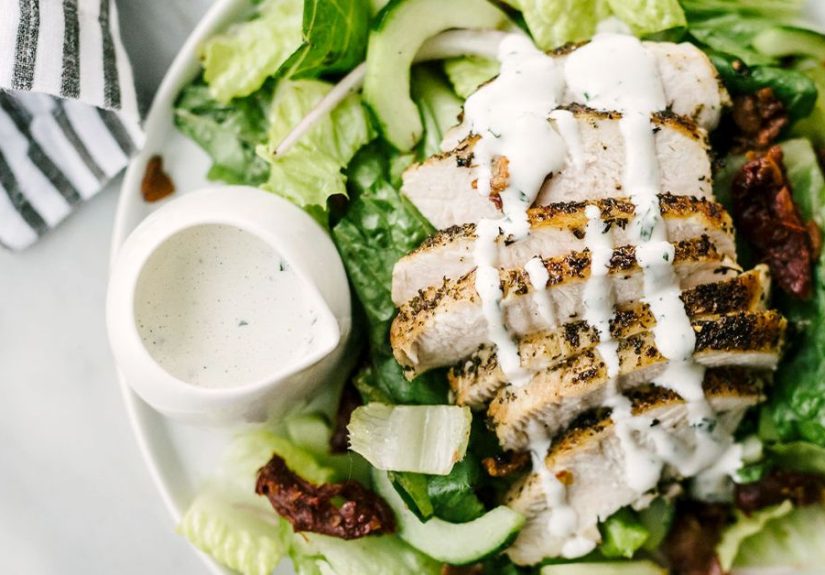
Most nutrition labels list ranch dressing by a standard serving of 2 tablespoons. That is about the size of a small shot glass, half of a standard sauce cup, or roughly enough to coat a side salad without drowning it.
Here is the general calorie breakdown:
- 1 tablespoon regular ranch: about 60 to 75 calories
- 2 tablespoons regular ranch: about 120 to 160 calories
- 1/4 cup regular ranch: about 240 to 320 calories
- 1/2 cup regular ranch: about 480 to 640 calories
- Light ranch: often about 40 to 90 calories per 2 tablespoons
- Greek yogurt ranch: often about 30 to 60 calories per 2 tablespoons
Why the range? Ranch dressing is not one single recipe. It is more like a creamy family reunion. Some bottles use soybean oil and egg yolk. Others use buttermilk, sour cream, yogurt, avocado oil, or lower-fat dairy. Some are thick enough to stand a carrot stick upright; others pour like a polite drizzle. The ingredients determine the calories.
Why Ranch Dressing Is Calorie-Dense
Ranch gets most of its calories from fat. That is not automatically bad. Fat helps carry flavor, makes food satisfying, and helps the body absorb certain fat-soluble vitamins from vegetables. But fat is calorie-dense: it has 9 calories per gram, compared with 4 calories per gram for carbohydrates and protein.
Classic ranch dressing is usually made with a base of oil, mayonnaise, buttermilk, sour cream, or a combination of creamy ingredients. That is why a small serving can carry more calories than people expect. A salad with grilled chicken, vegetables, and a reasonable amount of ranch may be a balanced meal. A salad with half a cup of ranch, bacon, cheese, croutons, and fried chicken may be delicious, but it is also playing in a completely different calorie league.
The 2-Tablespoon Serving Size Matters
The most important ranch calorie lesson is simple: serving size changes everything. Two tablespoons may be the label serving, but many people use more without realizing it. Pouring directly from the bottle is risky because ranch does not exactly whisper, “That is enough.” It says, “More. The broccoli needs emotional support.”
If a dressing has 130 calories per 2 tablespoons, then:
- 2 tablespoons = 130 calories
- 4 tablespoons = 260 calories
- 6 tablespoons = 390 calories
- 1/2 cup = about 520 calories
That does not mean ranch is forbidden. It means the bottle deserves respect. A measuring spoon can be your best friend for a week or two until your eyes learn what a real serving looks like.
Calories in Popular Types of Ranch Dressing
Different ranch styles can have very different calorie counts. Here is a practical guide for everyday eating.
Regular Ranch Dressing
Regular ranch is the classic creamy version most people know. It usually contains oil, egg, buttermilk or dairy ingredients, vinegar, herbs, garlic, onion, and seasonings. Many regular bottled ranch dressings contain around 120 to 160 calories per 2 tablespoons.
This type is rich, familiar, and satisfying. It works well when you want full flavor and can keep the portion controlled. For example, 2 tablespoons on a large salad may be completely reasonable. The problem usually begins when ranch becomes a dip, sauce, marinade, topping, and emotional support condiment all at once.
Light Ranch Dressing
Light ranch usually has fewer calories because it uses less oil or swaps in water, modified starches, lower-fat dairy, or other thickeners. Many light ranch dressings have around 40 to 90 calories per 2 tablespoons.
Light ranch can be a smart option if you use ranch often. The flavor may be slightly tangier or less rich than regular ranch, but many people find the trade-off worthwhile. Check the sodium, though. Some light dressings reduce fat but keep sodium high to maintain flavor.
Fat-Free Ranch Dressing
Fat-free ranch can be much lower in calories, but it may rely more on sugar, starches, gums, or salt for texture and taste. Some people love it; others think it tastes like ranch that went to a motivational seminar but lost its personality.
If your main goal is cutting calories, fat-free ranch can help. If your goal is satisfaction, you may prefer using a smaller amount of regular ranch or choosing a Greek yogurt version with more body and protein.
Greek Yogurt Ranch
Greek yogurt ranch is one of the best lighter options because it keeps the creamy texture while lowering calories and adding a little protein. Depending on the recipe or brand, it may have around 30 to 60 calories per 2 tablespoons.
A homemade version can be as simple as plain nonfat Greek yogurt, lemon juice, garlic powder, onion powder, dill, parsley, chives, salt, pepper, and a splash of buttermilk or water to thin it. It tastes fresh, tangy, and far more exciting than plain vegetables sitting sadly on a plate.
Homemade Ranch Dressing
Homemade ranch can be lighter or heavier than store-bought ranch depending on your ingredients. A version made with mayonnaise and sour cream can be rich and calorie-heavy. A version made with Greek yogurt and low-fat buttermilk can be much lighter.
The best part about homemade ranch is control. You can adjust salt, herbs, thickness, tanginess, and calorie level. Want it thinner for salad? Add buttermilk. Want it thicker for dipping? Use more yogurt. Want it to taste like a garden wearing a tuxedo? Add fresh dill, parsley, chives, and cracked black pepper.
Ranch Dressing Nutrition: More Than Just Calories
Calories matter, but they are not the whole story. When choosing ranch dressing, look at fat, saturated fat, sodium, added sugar, and serving size.
Fat
Regular ranch often contains around 12 to 17 grams of fat per 2 tablespoons. Most of those calories come from oil. Fat helps ranch taste creamy and satisfying, but it also makes the calories climb quickly.
Saturated Fat
Many ranch dressings contain about 1 to 3 grams of saturated fat per serving. That amount may not sound huge, but it can add up across a full day, especially if your meal also includes cheese, bacon, fried foods, or creamy sauces.
Sodium
Sodium is one of the sneakiest parts of ranch dressing. Many regular ranch dressings contain around 200 to 300 milligrams of sodium per 2 tablespoons. If you dip wings, fries, pizza, or salty snacks into ranch, the sodium can stack up fast.
If you are watching blood pressure or trying to reduce sodium, compare labels. A lower-calorie ranch is not automatically lower in sodium. Look for “reduced sodium” or use smaller portions. You can also stretch ranch with plain Greek yogurt, lemon juice, or vinegar for more volume and less sodium per bite.
Added Sugar
Ranch is savory, but some bottled versions contain added sugar. It is usually not as sugary as sweet dressings, but the grams still matter if you use ranch daily or follow a lower-sugar eating plan. Read the label and choose options with little or no added sugar when possible.
Is Ranch Dressing Healthy?
Ranch dressing is not a superhero food, but it is not a villain either. It depends on the portion, the ingredients, and what you eat with it.
Ranch can actually help some people eat more vegetables. If a tablespoon of ranch makes raw carrots, celery, cucumbers, broccoli, or salad more enjoyable, that can be a win. A vegetable plate that gets eaten is better than a perfect vegetable plate that sits untouched like decoration.
However, ranch becomes less helpful when it turns a nutrient-rich meal into a high-calorie, high-sodium dish. Think of ranch as an accessory, not the main outfit. A little can add flavor. A lot can take over the plate.
How to Enjoy Ranch Dressing Without Overdoing Calories
You do not need to break up with ranch. You just need better boundaries. Here are practical ways to keep the flavor while managing calories.
Measure It Once
Use a measuring spoon to see what 2 tablespoons actually looks like. Do this a few times, and your eyes will get better at estimating. Most people are surprised because 2 tablespoons looks smaller than the “casual pour” they are used to.
Use the Dip Method
Instead of pouring ranch over a salad, serve it on the side and dip your fork into the dressing before each bite. This gives you flavor in every mouthful while often using much less dressing overall.
Thin It Out
Mix ranch with a splash of water, lemon juice, vinegar, or buttermilk. A thinner dressing spreads more easily, so you need less to coat a salad.
Mix Ranch With Greek Yogurt
For a creamy, protein-friendly upgrade, combine equal parts ranch and plain Greek yogurt. You keep the ranch flavor but reduce calories per spoonful. Add dill, garlic powder, onion powder, and black pepper if you want the flavor to pop.
Choose Stronger Flavors
A ranch with extra herbs, garlic, jalapeño, chipotle, or dill may feel more satisfying in a smaller amount. Flavor intensity can help reduce the need for a giant serving.
Pair It With Low-Calorie Foods
Ranch with raw vegetables is very different from ranch with fries, fried chicken, or pizza. The dressing may be the same, but the total meal changes dramatically. If calories are your focus, use ranch to make vegetables more exciting rather than to add extra richness to already rich foods.
Ranch Dressing Calorie Examples
Here are some realistic examples of how ranch calories fit into common meals:
- Side salad with 2 tablespoons regular ranch: add about 130 calories
- Raw vegetables with 1 tablespoon ranch: add about 65 calories
- Chicken wrap with 3 tablespoons ranch: add about 195 calories
- Wings with 1/4 cup ranch: add about 260 calories
- Big salad with 1/2 cup ranch: add about 520 calories
The main lesson is not that ranch is “bad.” The lesson is that ranch is concentrated. A little brings flavor. A lot brings calories quickly, wearing a cowboy hat and pretending it was invited.
Best Lower-Calorie Ranch Alternatives
If you want the ranch experience with fewer calories, try one of these swaps:
- Greek yogurt ranch: creamy, tangy, and usually lower in calories
- Light ranch: familiar flavor with fewer calories than regular ranch
- Buttermilk herb dressing: thinner and often lighter
- Ranch seasoning with yogurt: easy homemade shortcut
- Cottage cheese ranch dip: blended cottage cheese with herbs for protein
- Avocado ranch in small portions: flavorful, though not always low-calorie
When shopping, compare labels per 2 tablespoons. Look for calories, sodium, saturated fat, and added sugar. Do not assume words like “organic,” “natural,” or “made with avocado oil” automatically mean low-calorie. Delicious? Maybe. Low-calorie? Check the label before giving it a trophy.
My Experience With Ranch Calories: The “Tiny Cup” Reality Check
Ranch dressing is one of those foods that teaches portion control in a very visual way. The first time many people measure 2 tablespoons, the reaction is usually something like, “That’s it?” Yes. That small amount is the official serving. The restaurant ramekin, the one that looks so innocent beside a basket of wings, may hold 3 to 4 tablespoons. Sometimes more. Suddenly, the “little side of ranch” is not so little. It is wearing a disguise.
In everyday eating, ranch calories are most noticeable when the dressing is used as a dip rather than a salad topping. On a salad, 2 tablespoons can go pretty far if the greens are tossed well. But with pizza crust, chicken tenders, fries, or buffalo wings, dipping can become automatic. Dip, bite, talk, dip again, repeat until the cup is empty and nobody knows what happened. This is where a 130-calorie serving can quietly become 300 or 400 calories.
A useful trick is to put ranch in a small dish and keep the bottle away from the plate. This sounds almost too simple, but it works. When the bottle stays on the table, it is easy to add “just a little more.” When the portion is already served, you become more aware of how much you are using. Another helpful habit is dipping lightly instead of scooping. You still get the flavor, but you avoid turning each bite into a ranch delivery vehicle.
For salads, tossing makes a huge difference. Pouring ranch on top often leaves one area overloaded and another area dry. Then you add more dressing because half the salad tastes plain. Instead, use a large bowl, add 1 to 2 tablespoons of ranch, and toss thoroughly. The dressing spreads over every leaf, and the salad tastes more balanced. It feels like more dressing than it is.
Greek yogurt ranch is another practical discovery. It is not identical to classic bottled ranch, but it has the same creamy, tangy personality. Plain Greek yogurt, ranch seasoning, lemon juice, garlic powder, onion powder, black pepper, and fresh dill can create a dip that tastes bright and satisfying. It works especially well with crunchy vegetables, grilled chicken bowls, wraps, and baked potatoes. If the yogurt flavor is too tangy, mixing in a small spoonful of regular ranch can round it out while keeping calories lower than using only bottled ranch.
Another real-life observation: ranch can be a vegetable helper. People sometimes shame dressing, but if ranch gets someone to eat cucumbers, carrots, bell peppers, broccoli, and romaine, that matters. The goal is not to make eating joyless. The goal is to use enough ranch to make healthy foods appealing without letting the dressing become the main calorie source. For many people, that sweet spot is 1 to 2 tablespoons with a meal.
The smartest approach is flexible. Use regular ranch when you truly want the classic flavor. Choose light or yogurt ranch when you eat it often. Measure occasionally, especially if you are tracking calories. And remember that the food you pair with ranch matters. Ranch with vegetables is a very different nutritional story than ranch with fried appetizers. Same dressing, different plot twist.
Conclusion: So, How Many Calories Does Ranch Dressing Have?
Regular ranch dressing usually has about 120 to 160 calories per 2 tablespoons, with many popular versions around 130 calories. One tablespoon usually has about 60 to 75 calories. Light ranch, fat-free ranch, and Greek yogurt ranch can lower the calorie count, sometimes dramatically.
The biggest factor is portion size. Ranch is flavorful and calorie-dense, so a small serving can be perfectly reasonable, while a heavy pour can add hundreds of calories without much effort. If you love ranch, keep it. Just treat it like a flavor booster, measure it now and then, and choose lighter versions when they make sense.
In other words, ranch dressing can stay on the menu. It just does not need to move into the house, take over the couch, and start charging rent.

![18 Best Types of Charts and Graphs for Data Visualization [+ How to Choose]](https://corkopencoffee.org/wp-content/uploads/2026/05/18-best-types-of-charts-and-graphs-for-data-visualization-how-to-choose-qKM1PBYG-thumb.jpg)