Table of Contents >> Show >> Hide
- Why Horses Feel Hard to Draw
- What You Need
- How to Draw a Simple Horse Step by Step
- Simple Tips to Make Your Horse Drawing Better
- Common Mistakes Beginners Make
- How to Make Your Horse Drawing More Interesting
- Final Thoughts on How to Draw a Simple Horse
- My Experience Learning How to Draw a Simple Horse
Note: Body-only HTML, ready for web publishing.
If you have ever tried to draw a horse and ended up with something that looked suspiciously like a llama wearing gym socks, welcome. You are among friends. Horses are beautiful, graceful, and just tricky enough to make beginners question every life choice they have made since picking up a pencil. The good news is that learning how to draw a simple horse does not require wizard-level talent. It requires a few basic shapes, a little patience, and the willingness to erase lines without taking it personally.
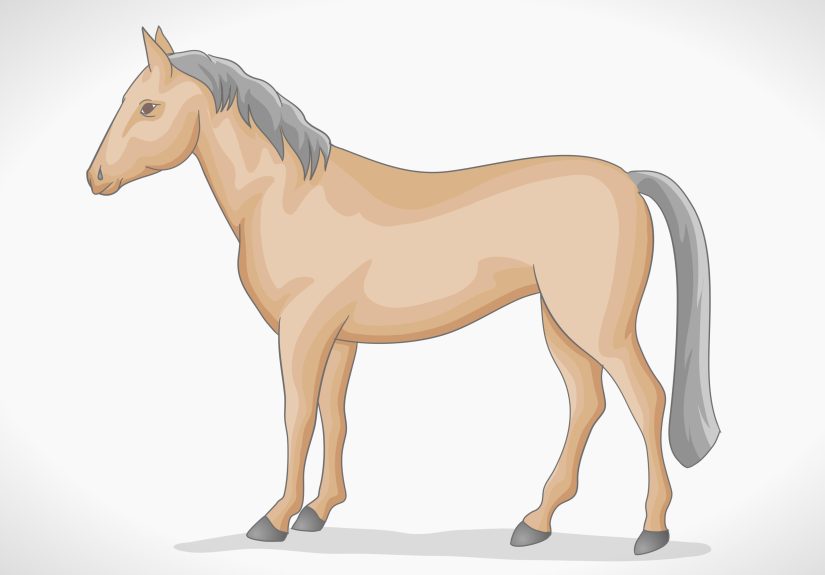
This beginner-friendly horse drawing tutorial breaks the process down into clear, manageable steps. Instead of wrestling with every muscle and curve at once, you will build the horse from simple forms, clean up the outline, and then add the fun parts like the mane, tail, and expression. By the end, you will have an easy horse drawing that actually looks like a horse, which is always a nice bonus.
Why Horses Feel Hard to Draw
Before we jump in, let’s defend your artistic dignity for a second. Horses are not hard because you are bad at drawing. They are hard because they have long legs, a large body, a powerful neck, and a head shape that can look wildly wrong if the proportions are even slightly off. Their front and back legs bend differently, their body is full of smooth curves, and their head needs just enough detail to feel alive without turning into a geometry emergency.
That is why the easiest way to learn how to draw a simple horse is to start with a side view. It lets you see the overall structure clearly, and it keeps perspective problems from showing up uninvited like a cousin who “just needs a place to stay for a week.”
What You Need
- A pencil
- An eraser
- Plain drawing paper
- A darker pen or marker for final lines, if you want
- Colored pencils or crayons, optional
That’s it. No fancy tools. No glowing stylus forged in a volcano. Just simple drawing supplies and a bit of focus.
How to Draw a Simple Horse Step by Step
Step 1: Start With Three Basic Shapes
The easiest horse sketch begins with a few guide shapes. Draw one medium circle for the chest area. To the right of that, draw a slightly smaller circle for the hindquarters. Then draw a much smaller circle above and to the left for the head. These three shapes are your horse’s body map.
Now connect the chest and hindquarters with two soft, curved lines to create the body. Do not press hard. These are helper lines, not final lines. Think of them as the scaffolding for your drawing. Every solid horse drawing tutorial starts here for a reason: simple shapes keep the proportions under control before details try to steal the show.
If you want a visual shortcut, imagine the body as a bean shape, the head as a small rounded form, and the whole drawing as a relaxed standing horse seen from the side.
Step 2: Add the Neck, Back, and Belly
Next, connect the head to the chest circle with two curved lines to form the neck. Keep the top of the neck slightly arched and the lower line softer and more natural. Horses have strong necks, but your beginner horse drawing should stay simple. You are aiming for believable, not museum-level anatomical drama.
Then draw the horse’s back from the top of the chest to the hindquarters. Let the line dip and rise gently rather than staying perfectly straight. Add the belly with another soft curve underneath. At this stage, your horse should already resemble an animal and not a strange furniture prototype.
Step 3: Build the Legs With Straight and Angled Lines
This is where many people panic, but breathe. Legs are easier when you treat them like a series of simple segments instead of one giant mystery noodle.
Draw the front legs coming down from the chest area. Use straight or slightly angled guide lines broken into sections for the upper leg, lower leg, and hoof area. Then add the back legs from the hindquarter circle. The rear legs have a more noticeable bend, so do not make them identical to the front ones.
The secret here is not perfection. The secret is structure. A simple horse drawing becomes much easier when you understand that each leg is built in parts. Keep the legs slim but not stick-thin. Add small shapes at the bottom for hooves, and make sure the legs feel balanced under the body. If one leg looks like it belongs to a folding chair, adjust it now while your lines are still light.
Step 4: Shape the Head and Face
Now refine the head. Extend the small head circle into a longer face shape by sketching the muzzle. Keep it simple and smooth. Add two pointed ears on top of the head and place a small eye around the upper-middle area of the face. Add one nostril near the end of the muzzle and a short line for the mouth.
For beginners, less is more. You do not need to draw every facial plane or tiny wrinkle. A clean eye, a gentle muzzle, and two alert ears will do a lot of work for you. This is the stage where your easy horse drawing starts to gain personality.
If you want a friendlier look, make the eye slightly larger and softer. If you want a more realistic feel, keep the eye modest and the face more elongated.
Step 5: Add the Mane, Tail, and Hooves
Once the body and head are in place, it is time for the stylish details. Add a flowing mane along the top of the neck using curved, slightly pointed lines. Then draw a long tail extending from the rear. You can keep both shapes smooth and simple or make them a little messy for movement.
Add small lines to define the hooves at the bottom of the legs. This part should stay clean and readable. Do not overcomplicate the hooves unless you really enjoy tiny, stubborn details that behave like they pay rent.
The horse should now look complete, even if it is still in sketch form. That is the magic of building from large shapes to smaller features.
Step 6: Clean Up Your Outline
Erase the extra circles and guide lines. Then go back over your best lines with a darker pencil, pen, or marker. Smooth out any awkward spots along the neck, belly, back, and legs. This is also the time to fix proportions if something feels off.
Here is a helpful checklist:
- Does the head feel too tiny or too large?
- Do the legs look balanced under the body?
- Does the neck connect naturally to the chest?
- Does the tail feel attached rather than glued on at the last second?
Cleaning the outline is where a rough horse sketch turns into a polished drawing. It may not feel glamorous, but this step is doing serious heavy lifting.
Step 7: Shade or Color the Horse
You can stop at a line drawing, but a little shading goes a long way. Add light shadow under the neck, along the belly, behind the legs, and near the underside of the mane. This creates form without making the drawing too complicated for beginners.
If you want color, try brown, tan, black, gray, or even a playful cartoon palette. There are no horse police waiting outside your window. You are allowed to draw a purple horse if that brings you joy.
Simple Tips to Make Your Horse Drawing Better
Use Light Pencil Pressure
Press lightly in the beginning so you can erase and adjust without wrecking the paper. Dark lines are for the final stage, not the first date.
Look at Real Horse Photos
Even when drawing a simple horse, using a reference helps you understand posture, leg placement, and the natural curve of the neck and back. Real-life observation makes your drawing stronger, even when the final result is stylized.
Practice the Body Shape Separately
If full horses still feel tricky, practice only the torso and head shape a few times. Then add legs later. Breaking the process into pieces helps you improve faster without feeling overwhelmed.
Do Not Chase Perfect Symmetry
Horses are organic, living animals, not action figures molded in a factory. Slight variation in the mane, tail, and outline makes the drawing feel more natural.
Common Mistakes Beginners Make
- Making the legs too short: Horses often look awkward when the legs do not match the body size.
- Drawing the neck too thin: A horse’s neck is elegant, but it also has strength and volume.
- Placing the head too far forward: This can make the horse look stretched or disconnected.
- Skipping the guide shapes: It feels faster, but it usually creates proportion problems later.
- Adding too much detail too soon: Start simple, then refine.
If you have made any of these mistakes, congratulations. You are officially learning.
How to Make Your Horse Drawing More Interesting
Once you are comfortable with the basic version, try small upgrades. Draw the horse with its head turned slightly. Add a saddle. Sketch grass under its feet. Give it a windswept mane. Turn it into a cartoon horse with larger eyes and a cheerful expression. Or draw a foal with shorter legs and a rounder body.
These variations help you move from copying a process to actually creating art. That is where confidence starts to grow.
Final Thoughts on How to Draw a Simple Horse
Learning how to draw a simple horse is really about learning how to simplify a complicated subject. Instead of getting lost in anatomy, you start with circles, curved lines, and a basic side view. Then you build up the form one step at a time. It is approachable, repeatable, and surprisingly fun once the fear wears off.
The first horse you draw may not be frame-worthy. That is normal. The second one will feel easier. The third one will probably look better. The fourth one may even make you pause and say, “Wait… did I just draw that?” That is the moment you want. So grab your pencil, keep your eraser nearby, and let the horse happen.
My Experience Learning How to Draw a Simple Horse
When I first tried to draw a horse, I was wildly confident for about thirty seconds. I thought, “It has four legs, a tail, a head, and a fancy haircut. How hard can this be?” The answer, as it turns out, was “surprisingly hard for something that eats hay.” My first attempt looked less like a horse and more like a dog who had made several bad decisions. The neck was too short, the legs were doing their own thing, and the face had the expression of someone who had just opened an email that started with “per my last message.”
What changed everything for me was stopping the heroic attempt to draw the whole horse in one go. The moment I started using simple shapes, everything got easier. A circle for the chest, another for the back, a smaller one for the head, and suddenly I was not “drawing a horse.” I was just connecting shapes. That felt manageable. It also felt less dramatic, which was great for my blood pressure.
I also learned that legs are where confidence goes to be tested. Front legs and back legs are not twins, and horses will absolutely expose that fact the second you try to fake it. At first I kept making all four legs the same, which gave my horse a strange toy-like stiffness. But once I started sketching each leg in segments and paying attention to the bends, the drawing began to feel more believable. Not perfect. Just believable. That was a huge win.
Another big lesson was keeping the early lines light. This sounds obvious, but I used to press hard right away, as if boldness could replace planning. It cannot. Drawing lightly gave me permission to change my mind. It made the process feel less like a test and more like an experiment. If the head looked too small, I adjusted it. If the back looked too flat, I curved it more. If the tail looked like a feather duster glued to a horse, well, I erased it and tried again.
The most satisfying part always came near the end, when I cleaned up the sketch and added the mane. There is something magical about that stage. Up to that point, the drawing can still look like a puzzle in progress. Then you erase the construction lines, darken the outline, add a few hair strokes, and suddenly the horse appears. Not a perfect horse, maybe. But definitely a horse. That moment never gets old.
Over time, drawing a simple horse taught me something bigger than how to sketch one animal. It taught me that complicated subjects become less scary when you break them into parts. It taught me to trust rough drafts. It taught me that erasing is not failure; it is part of the craft. Most of all, it taught me that improvement is often quiet. You do not always notice it while you are working. Then one day you compare your newest horse to your first one and realize the weird llama era is officially behind you.
If you are just starting, my honest advice is this: keep going. Draw the awkward horse. Draw the decent horse. Draw the horse that looks proud and the one that looks mildly confused. Every sketch teaches you something. And eventually, almost without noticing, you will sit down, draw a few simple shapes, and end up with a horse that feels alive on the page.