Table of Contents >> Show >> Hide
- What Is Gmail Trash?
- Before You Empty Gmail Trash: Read This First
- How to Empty Trash in Gmail on Computer
- How to Empty Trash in Gmail on Android
- How to Empty Trash in Gmail on iPhone and iPad
- How to Find the Trash Folder If You Cannot See It
- Does Emptying Gmail Trash Free Up Storage?
- How to Recover Emails Before Emptying Trash
- Common Problems When Emptying Gmail Trash
- Best Practices for Managing Gmail Trash
- Computer vs. Mobile: Which Is Better for Emptying Gmail Trash?
- Frequently Asked Questions About Emptying Gmail Trash
- Real-World Experience: What Cleaning Gmail Trash Actually Feels Like
- Conclusion
Gmail Trash is like that mysterious junk drawer in the kitchen: you swear you cleaned it last month, but somehow it is full again. Old newsletters, duplicate receipts, forgotten attachments, “urgent” coupons from 2019, and emails you deleted with great confidence are all quietly hanging out in one place. The good news? Learning how to empty Trash in Gmail on computer and mobile is simple once you know where Google has tucked the button.
Whether you use Gmail on a desktop browser, Android phone, iPhone, or iPad, the basic idea is the same: deleted emails move to the Trash folder first, then Gmail automatically removes them permanently after a period of time. But if you want to free up storage, reduce clutter, or remove sensitive messages sooner, you can manually empty the Gmail Trash yourself.
This guide walks you through the process step by step, explains what happens after you empty Trash, shows how to delete individual messages forever, and shares practical cleanup habits from real-world Gmail use. No tech wizard robe required. A browser, a phone, and a tiny bit of courage will do.
What Is Gmail Trash?
Gmail Trash is the folder where deleted emails go before they are permanently erased. When you click the trash can icon in Gmail, the email does not instantly disappear from your account. Instead, Gmail moves it into Trash, giving you a chance to recover it if you deleted it by mistake.
This temporary holding area is helpful because accidental deleting is extremely common. Maybe you selected one email and accidentally grabbed an entire thread. Maybe you were cleaning your inbox while half-awake. Maybe your cat walked across the keyboard and made an executive decision. Gmail Trash exists for those moments.
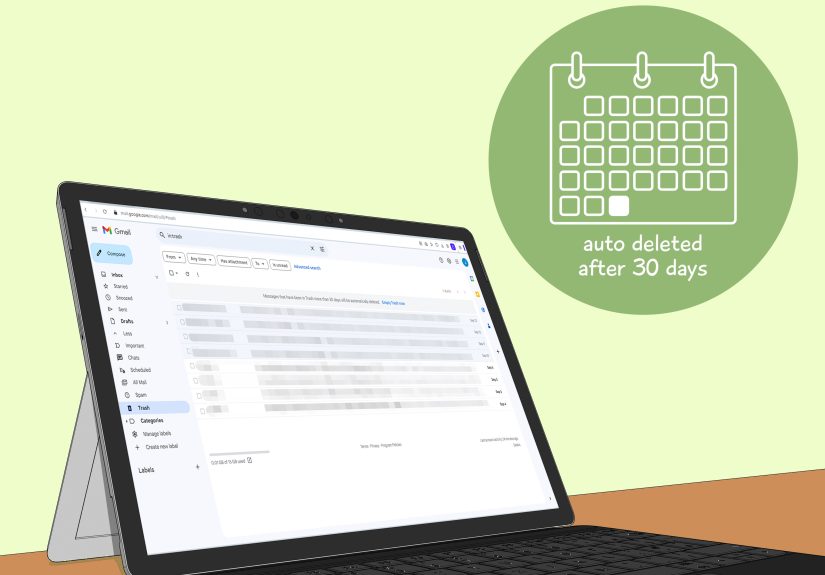
However, Trash is not meant to be long-term storage. Messages in Trash are automatically deleted after a limited recovery window. You can also empty Trash manually when you are sure you no longer need those emails.
Before You Empty Gmail Trash: Read This First
Before you click “Empty Trash now,” pause for a moment. Emptying Trash in Gmail is permanent. Once messages are deleted forever, they usually cannot be recovered from your regular Gmail account. That means you should quickly scan your Trash folder before wiping it clean, especially if you recently deleted important messages.
Check for Important Emails
Open the Trash folder and look for emails from banks, schools, employers, clients, doctors, airlines, tax services, or online stores. These messages may contain receipts, tracking numbers, account notices, appointment confirmations, or documents you might need later.
Move Emails Back If Needed
If you find something important, select the message and move it back to the Inbox or another label before emptying Trash. In Gmail, moving a message out of Trash restores it so it will not be permanently deleted when you clear the folder.
Remember That Trash Is Different From Spam
Gmail has separate folders for Trash and Spam. Trash contains messages you deleted. Spam contains messages Gmail or you marked as suspicious or unwanted. If your goal is to recover storage and clean your account, it can help to empty both, but this article focuses on Gmail Trash.
How to Empty Trash in Gmail on Computer
Using Gmail on a computer is usually the easiest way to empty Trash because the full desktop layout gives you more control and visibility. These steps work in common browsers such as Chrome, Safari, Firefox, and Microsoft Edge.
Step-by-Step Instructions for Desktop
- Open your web browser and go to Gmail.
- Sign in to the Gmail account you want to clean.
- Look at the left sidebar.
- Click More if you do not immediately see the Trash label.
- Select Trash. In some regions, it may appear as Bin.
- At the top of the Trash folder, click Empty Trash now or Empty Bin now.
- Confirm that you want to permanently delete the messages.
That is it. Gmail will permanently remove the messages from Trash. Depending on how many emails are inside, it may take a moment. If your Trash folder had thousands of old messages, take a victory sip of coffee. You earned it.
How to Permanently Delete Only Selected Emails on Computer
You do not have to empty the entire Trash folder. If you only want to permanently delete certain messages, Gmail lets you do that too.
- Open Gmail on your computer.
- Go to More > Trash.
- Check the box beside each email you want to remove forever.
- Click Delete forever at the top.
- Confirm the action.
This is useful when you want to remove sensitive emails immediately but keep other deleted messages recoverable for a little longer.
How to Empty Trash in Gmail on Android
The Gmail app for Android makes it fairly easy to empty Trash, although the exact wording can vary slightly depending on your app version, language, and region. You may see “Trash” or “Bin.” Either way, it is the same digital graveyard for deleted emails.
Step-by-Step Instructions for Android
- Open the Gmail app on your Android phone or tablet.
- Tap the three-line menu icon in the top-left corner.
- Scroll down and tap Trash or Bin.
- At the top, tap Empty Trash now or Empty Bin now.
- Confirm that you want to permanently delete the messages.
Once confirmed, Gmail removes those deleted messages permanently from your account. If you use the same Gmail account on your computer, tablet, and phone, the change syncs across devices. You do not need to empty Trash separately on every device.
How to Delete Individual Trash Emails on Android
- Open the Gmail app.
- Tap the menu icon.
- Open Trash or Bin.
- Tap and hold a message to select it.
- Select more messages if needed.
- Tap the option to permanently delete, then confirm.
If you do not see the “Empty Trash now” option, update the Gmail app from the Google Play Store. You can also try emptying Trash from Gmail in a desktop browser, which usually provides the clearest controls.
How to Empty Trash in Gmail on iPhone and iPad
On iPhone and iPad, the Gmail app works much like the Android version. The main difference is that iOS users may also use Apple Mail, so it is important to know which app you are using. For the cleanest Gmail experience, use the official Gmail app.
Step-by-Step Instructions for the Gmail App on iPhone or iPad
- Open the Gmail app.
- Tap the three-line menu icon in the top-left corner.
- Scroll down and tap Trash or Bin.
- Tap Empty Trash now or Empty Bin now.
- Confirm the permanent deletion.
After confirmation, the messages are removed from Gmail Trash. This action applies to the Gmail account itself, not just your phone. So if you later open Gmail on your computer, those Trash messages will be gone there too.
What If You Use Apple Mail Instead?
If your Gmail account is connected to the Apple Mail app, deleted Gmail messages may appear inside a Gmail-related Trash or Bin folder in Mail. However, the labels and syncing behavior can vary based on your account settings. For best results, empty Gmail Trash from the Gmail app or Gmail.com in a browser, especially when you want to be absolutely sure you are clearing the correct folder.
How to Find the Trash Folder If You Cannot See It
Many users think Gmail Trash has disappeared, but it is usually just hidden behind the “More” menu. Gmail keeps the left sidebar tidy by collapsing less-used labels. Helpful? Sometimes. Confusing? Absolutely.
On Desktop
Look at the left sidebar in Gmail. If Trash is not visible, click More. Scroll down until you see Trash or Bin. You can also adjust Gmail label settings if you want Trash to appear more prominently.
On Mobile
Tap the three-line menu icon in the Gmail app. Scroll down through the list of labels. Trash may be below Inbox, Sent, Drafts, All Mail, Spam, and custom labels. If you manage multiple Gmail accounts in the app, make sure you are viewing the correct account first.
Does Emptying Gmail Trash Free Up Storage?
Yes, emptying Gmail Trash can help free storage, especially if the deleted emails contain large attachments. Gmail storage is shared across Google services, including Gmail, Google Drive, and Google Photos. If your account is close to the storage limit, clearing Trash and Spam can be one of the fastest cleanup steps.
However, do not expect every cleanup to create dramatic results. Plain text emails are tiny. The real storage hogs are messages with attachments: videos, PDFs, images, presentations, ZIP files, and years of “final_final_revised_REALFINAL.docx” documents. If you want to free serious space, search Gmail for large emails before deleting and emptying Trash.
Useful Gmail Search Operators for Cleanup
- larger:10M finds emails larger than 10 megabytes.
- has:attachment finds emails with attachments.
- older:2y finds messages older than two years.
- from:[email protected] finds emails from a specific sender.
- filename:pdf finds emails with PDF attachments.
After deleting large messages, go to Trash and empty it. Otherwise, those emails may still sit in your account waiting for automatic removal.
How to Recover Emails Before Emptying Trash
If you open Trash and realize you deleted something important, do not panic. Gmail gives you a chance to move messages out of Trash before they are permanently deleted.
Recover Gmail Trash Emails on Computer
- Open Gmail in a browser.
- Click More in the left sidebar.
- Open Trash.
- Select the email you want to recover.
- Click the Move to icon.
- Choose Inbox or another label.
Recover Gmail Trash Emails on Mobile
- Open the Gmail app.
- Tap the menu icon.
- Open Trash or Bin.
- Open or select the message.
- Tap the three-dot menu.
- Choose Move to, then select Inbox or another folder.
Once the email is moved out of Trash, it is safe from being removed when you empty Trash.
Common Problems When Emptying Gmail Trash
The Empty Trash Button Is Missing
If the button does not appear, first make sure you are inside the actual Trash folder. If you are using the Gmail app, update it. If the problem continues, try Gmail.com from a desktop browser. The desktop version often shows the “Empty Trash now” option more clearly.
Trash Looks Empty, But Storage Is Still Full
Your storage may be used by Google Drive, Google Photos, Spam, or Gmail messages with attachments that are still outside Trash. Check your Google storage manager and search Gmail for large messages. Emptying Trash is helpful, but it is only one part of a full cleanup.
Deleted Emails Keep Coming Back
This can happen when Gmail is connected to another email app through IMAP or when syncing is delayed. Make sure your apps are online and synced. If you use multiple mail clients, check whether another app is restoring, archiving, or re-downloading messages.
I Emptied Trash by Mistake
Unfortunately, once Trash is emptied, recovery is limited. For personal Gmail accounts, permanently deleted messages are generally not recoverable through normal Gmail controls. For school or work Google Workspace accounts, an administrator may have additional recovery options for a limited time, depending on settings and retention policies.
Best Practices for Managing Gmail Trash
Emptying Trash is easy, but smart email management is even better. A few simple habits can keep your Gmail account cleaner, lighter, and less stressful.
Review Before You Empty
Do a quick scan before deleting everything forever. Look for important senders, recent conversations, receipts, and account notices. This takes less than a minute and can prevent a future “Where did that email go?” crisis.
Delete Large Emails First
If storage is your main concern, target large messages before clearing Trash. Use searches like larger:10M or has:attachment. Deleting 20 large attachment-heavy emails can free more space than deleting 2,000 tiny text messages.
Unsubscribe Instead of Repeatedly Deleting
If the same senders keep filling your inbox, unsubscribe from newsletters you no longer read. Otherwise, you are basically playing inbox whack-a-mole, and the mole has excellent marketing automation.
Use Labels and Archive Wisely
Not every email needs to be deleted. Some messages are worth keeping but do not belong in your inbox. Use labels and Archive for emails you may need later. Use Delete for messages you genuinely do not need anymore.
Set a Monthly Cleanup Habit
Once a month, search for large emails, delete what you do not need, empty Trash, and clear Spam. Put it on your calendar if necessary. Future you will appreciate the calm, organized inbox energy.
Computer vs. Mobile: Which Is Better for Emptying Gmail Trash?
Both computer and mobile work well, but they are best for different situations. If you simply want to empty Trash quickly, the Gmail app is convenient. If you want to review messages carefully, search for large files, restore certain emails, or clean multiple categories, a computer is usually better.
On desktop, Gmail gives you more screen space and easier access to search operators, checkboxes, labels, and bulk actions. On mobile, the process is faster for quick maintenance but less comfortable for detailed sorting. Think of mobile as the broom and desktop as the full cleaning cart.
Frequently Asked Questions About Emptying Gmail Trash
How long do deleted emails stay in Gmail Trash?
Deleted emails stay in Trash temporarily before Gmail removes them permanently. During that window, you can recover them by moving them back to the Inbox or another label.
Can I empty Gmail Trash for one account only?
Yes. If you use multiple Gmail accounts, make sure you switch to the correct account before opening Trash. Emptying Trash affects only the account you are currently viewing.
Is deleting an email the same as archiving it?
No. Deleting sends the message to Trash. Archiving removes it from the Inbox but keeps it in All Mail. If you may need the message later, Archive is safer than Delete.
Can I undo emptying Trash?
Usually, no. Once messages are permanently deleted from Trash, they cannot normally be restored through regular Gmail features. Always review before confirming.
Why does Gmail say “Bin” instead of “Trash”?
Gmail uses different wording depending on region, language, and interface settings. Trash and Bin refer to the same deleted-message folder.
Real-World Experience: What Cleaning Gmail Trash Actually Feels Like
Emptying Gmail Trash sounds like a tiny task, but in real life it often becomes part digital cleanup, part archaeology expedition. You open Trash expecting a few deleted messages and suddenly find old delivery confirmations, random password reset emails, expired coupons, school updates, hotel bookings, screenshots you emailed yourself, and at least one newsletter you do not remember subscribing to. It is like opening a closet and discovering every version of yourself from the past five years has been storing paperwork in there.
One practical lesson from regular Gmail cleanup is this: do not start by emptying Trash blindly if you have recently done a big inbox purge. After a major cleanup session, Trash may contain messages you deleted too quickly. Maybe you searched for “sale” and deleted hundreds of promotional emails, but one receipt from a real purchase got swept into the pile. Maybe you deleted old work emails, then remembered one had a contract attachment. A quick review before emptying Trash can save you from a headache later.
Another useful habit is to clean Gmail from a computer when the account is truly messy. Mobile is perfect for quick maintenance, but desktop is better for serious cleanup. The larger screen makes it easier to scan senders, dates, subjects, and attachments. It also makes Gmail search operators easier to use. For example, searching larger:10M on desktop, deleting unnecessary large emails, and then emptying Trash can make a noticeable difference in storage. On a phone, the same process can feel like trying to organize a garage through a mail slot.
People who manage busy inboxes often discover that Trash is not the only problem. Spam, Promotions, Social, Updates, and old attachment-heavy emails can all contribute to clutter. Emptying Trash feels satisfying, but the bigger win comes from changing the habits that fill it. Unsubscribing from newsletters, using filters, archiving important but inactive messages, and deleting large files you no longer need can keep Gmail healthier over time.
There is also a privacy angle. Trash may contain emails you thought were already gone: account alerts, personal conversations, order confirmations, travel details, or financial notices. If you share a computer, use Gmail on a work device, or simply prefer a cleaner digital footprint, emptying Trash regularly can give peace of mind. It is not dramatic. No confetti falls from the sky. But there is a quiet satisfaction in knowing the digital leftovers are actually gone.
The best rhythm is simple: once or twice a month, review Trash, rescue anything important, empty it, then check Spam and large attachments. This turns Gmail cleanup from a dreaded annual disaster into a five-minute habit. Your inbox may never become a minimalist masterpiece, but it will stop feeling like a storage unit with Wi-Fi.
Conclusion
Knowing how to empty Trash in Gmail on computer and mobile is one of those small digital skills that pays off quickly. It helps free storage, removes unwanted messages permanently, and keeps your account easier to manage. On a computer, open Gmail, go to More > Trash, and click Empty Trash now. On Android, iPhone, or iPad, open the Gmail app, tap the menu icon, choose Trash or Bin, and tap Empty Trash now.
The golden rule is simple: review before you remove. Once Gmail Trash is emptied, those messages are permanently deleted. If you spot anything important, move it back to the Inbox before clearing the folder. After that, enjoy the rare and beautiful feeling of having one less digital mess to think about.