Table of Contents >> Show >> Hide
- What Is Lavender Water?
- Before You Start: Choose the Right Lavender
- Ingredients You’ll Need
- Tools You’ll Need
- How to Make Lavender Water: 12 Steps
- Step 1: Decide How You Want to Use It
- Step 2: Measure the Lavender Carefully
- Step 3: Rinse Fresh Lavender If Using It
- Step 4: Heat the Water
- Step 5: Add the Lavender
- Step 6: Steep for 5 to 10 Minutes
- Step 7: Add Optional Flavor Boosters
- Step 8: Strain the Lavender
- Step 9: Cool Completely
- Step 10: Bottle and Label It
- Step 11: Store It in the Refrigerator
- Step 12: Use It Creatively
- How to Make Stronger Lavender Water Without Ruining It
- Best Flavor Combinations for Lavender Water
- Common Mistakes to Avoid
- Can You Use Lavender Essential Oil?
- How to Use Lavender Water
- Safety Tips for Homemade Lavender Water
- 500 Extra Words: Real-Life Experience With Making Lavender Water
- Conclusion
Lavender water sounds like something a fancy spa would hand you while whispering, “Please relax in a more elegant font.” But the good news is that you do not need a robe, a cucumber eye mask, or a mysterious crystal bowl to make it at home. With the right lavender, clean water, and a little patience, you can create a lightly floral infusion for sipping, mixing into lemonade, spritzing on linens, or simply making your kitchen smell like a calm cottage instead of last night’s garlic adventure.
This guide explains how to make lavender water in 12 easy steps, using real culinary and safety principles. The most important rule is simple: if you plan to drink it, use food-grade or culinary lavender buds, not perfume lavender and not random essential oil. Lavender is powerful. A tiny amount tastes dreamy; too much tastes like you licked a bar of soap at a boutique hotel. Let’s avoid that tragic plot twist.
What Is Lavender Water?
Lavender water is a water-based infusion made by steeping lavender flowers or buds in hot or cold water. Depending on how you prepare it, it can be used as a delicate drink, a base for lemonade, a floral addition to tea, a mild room spray, or a linen refresher. Traditional lavender “hydrosol” is produced during steam distillation, but this homemade version is much simpler: you steep, strain, chill, and enjoy.
The flavor is floral, herbal, slightly minty, and a little earthy. When made correctly, lavender water should taste clean and subtle, not perfumy. Think “garden breeze,” not “grandma’s drawer of aggressively scented sachets.”
Before You Start: Choose the Right Lavender
The best lavender for edible lavender water is culinary lavender, often from Lavandula angustifolia, also known as English lavender or true lavender. It tends to have a sweeter, softer flavor than highly aromatic varieties grown mainly for fragrance. If the package says “culinary grade,” “food grade,” or “edible lavender,” you are on the right path.
Avoid lavender from craft stores, floral arrangements, potpourri bags, or pesticide-treated garden plants unless you know it is safe for food use. Also, do not use lavender essential oil as a shortcut for drinking water. Essential oils are concentrated products, and “natural” does not automatically mean safe to swallow. For this article, we are making lavender water with lavender buds, which is easier to control and much more kitchen-friendly.
Ingredients You’ll Need
- 2 cups filtered water
- 1 to 2 teaspoons dried culinary lavender buds
- Optional: 1 teaspoon honey, maple syrup, or sugar
- Optional: 1 strip lemon peel or 1 teaspoon lemon juice
- Optional: a few mint leaves for a fresher finish
Tools You’ll Need
- Small saucepan or kettle
- Measuring spoons
- Fine-mesh strainer, tea infuser, or cheesecloth
- Heat-safe bowl or glass jar
- Clean bottle or jar with a lid
- Funnel, if your pouring skills are as dramatic as mine
How to Make Lavender Water: 12 Steps
Step 1: Decide How You Want to Use It
Before heating anything, decide whether your lavender water is for drinking, recipes, linen spray, or a gentle aromatic mist. For drinking or cooking, use only culinary lavender and food-safe containers. For linens or room fragrance, you still want clean materials, but flavor matters less. This guide focuses mainly on drinkable lavender water, because food safety is not the place for improvisational jazz.
Step 2: Measure the Lavender Carefully
Start with 1 teaspoon of dried culinary lavender for 2 cups of water if you want a mild infusion. Use 2 teaspoons if you prefer a stronger floral note. Dried lavender is more concentrated than fresh, so be conservative. You can always steep a little longer or add more next time, but you cannot politely ask overpowering lavender to leave once it has moved in.
Step 3: Rinse Fresh Lavender If Using It
If you are using fresh culinary lavender from your garden, rinse it gently under cool water and pat it dry. Use flower buds or blossoms, not woody stems. Make sure the plant has not been sprayed with pesticides or grown near heavy pollution. For fresh lavender, use about 1 tablespoon of buds or blossoms for every 2 cups of water.
Step 4: Heat the Water
Bring 2 cups of filtered water to a gentle simmer, then turn off the heat. You do not need a roaring boil. Lavender’s delicate aroma can become harsh if abused with too much heat. Imagine you are making tea, not interrogating herbs under a spotlight.
Step 5: Add the Lavender
Place the lavender buds in a tea infuser, cheesecloth pouch, or directly into the hot water. If you add them loose, you will strain them later. Stir once to make sure the buds are fully wet. The water may begin to take on a pale golden, greenish, or light amber color depending on the lavender variety.
Step 6: Steep for 5 to 10 Minutes
Cover the pot or jar and let the lavender steep for 5 minutes. Taste a tiny spoonful. If it is too faint, steep for another 2 to 5 minutes. Most batches are best between 5 and 10 minutes. Longer steeping can taste bitter or medicinal, especially with dried lavender.
Step 7: Add Optional Flavor Boosters
If you want a brighter drink, add a strip of lemon peel while the lavender steeps. For a sweeter version, stir in honey, sugar, or maple syrup after straining while the water is still warm. Mint also works beautifully, but use only a few leaves so it does not turn the whole batch into lavender toothpaste’s enthusiastic cousin.
Step 8: Strain the Lavender
Pour the mixture through a fine-mesh strainer, cheesecloth, or coffee filter into a clean jar. Straining matters because tiny lavender bits continue to release flavor. Leaving them in the bottle can turn a graceful floral infusion into a bitter herbal lecture.
Step 9: Cool Completely
Let the lavender water cool at room temperature for about 20 to 30 minutes, then refrigerate it. Do not seal a very hot liquid in a narrow bottle right away, especially if the bottle is not heat-safe. Glass jars are great, but they are not fans of sudden temperature drama.
Step 10: Bottle and Label It
Transfer the cooled lavender water into a clean glass bottle or jar. Label it with the date. Homemade infusions do not contain preservatives, so a date label prevents the classic refrigerator mystery: “Is this lavender water or a science project with floral ambition?”
Step 11: Store It in the Refrigerator
Keep drinkable lavender water refrigerated and use it within 3 to 4 days for best freshness. If it smells sour, looks cloudy in an unusual way, grows bubbles, or develops anything that appears to be auditioning for a microscope documentary, discard it.
Step 12: Use It Creatively
Serve lavender water over ice, mix it with lemonade, add a splash to iced tea, stir it into sparkling water, or use it to lightly flavor fruit salad. You can also freeze it into ice cubes for tea, mocktails, or lemonade. One cube can make a plain glass of water feel like it hired a decorator.
How to Make Stronger Lavender Water Without Ruining It
If your lavender water tastes too weak, do not immediately dump in a mountain of buds. Instead, adjust one variable at a time. Use slightly more lavender, steep a few minutes longer, or make a second small concentrated infusion and blend it into the first batch. Lavender becomes overpowering quickly, and the difference between “elegant” and “perfume counter explosion” can be one enthusiastic teaspoon.
For a stronger drink base, you can make lavender simple syrup instead. Combine equal parts water and sugar, heat until dissolved, remove from heat, add culinary lavender, steep, strain, and refrigerate. Syrup works especially well for lemonade, iced coffee, tea, and desserts. However, syrup is not the same as plain lavender water; it is sweeter, thicker, and better suited for mixing.
Best Flavor Combinations for Lavender Water
Lavender and Lemon
Lemon brightens lavender and keeps it from tasting too heavy. Add lemon peel during steeping or a little lemon juice after cooling. This combination is excellent for homemade lavender lemonade.
Lavender and Mint
Mint makes lavender water taste cooler and fresher. Use just a few leaves. Too much mint can overpower the lavender and make the drink taste like herbal mouthwash with dreams of fame.
Lavender and Honey
Honey softens lavender’s herbal edge and gives the drink a soothing, rounded flavor. Stir it in while the infusion is still warm so it dissolves smoothly.
Lavender and Cucumber
Add thin cucumber slices after the lavender water cools. This makes a spa-style drink that tastes crisp, clean, and suspiciously like you have your life together.
Common Mistakes to Avoid
Using Too Much Lavender
This is the number one mistake. Lavender is not parsley. You cannot throw in a handful and hope for the best. Start small and build gradually.
Using Non-Culinary Lavender for Drinks
Only use lavender labeled for food if you plan to drink or cook with it. Decorative lavender may be treated with chemicals or chosen for scent rather than flavor.
Boiling the Lavender for Too Long
Boiling can pull out bitter notes. Steeping off the heat gives you a smoother, cleaner infusion.
Skipping the Strain
Leaving buds in the bottle makes the flavor stronger over time, and not always in a good way. Strain thoroughly for a more polished result.
Storing It Too Long
Homemade lavender water is fresh, not immortal. Refrigerate it and use it within a few days.
Can You Use Lavender Essential Oil?
For this recipe, no. Lavender essential oil is highly concentrated and should not be treated like vanilla extract or lemon juice. It is also not automatically safe to drink just because it came from a plant. If you want drinkable lavender water, use culinary lavender buds. If you want a body or linen spray, it is better to use a properly formulated product, lavender hydrosol, or a recipe designed specifically for topical use.
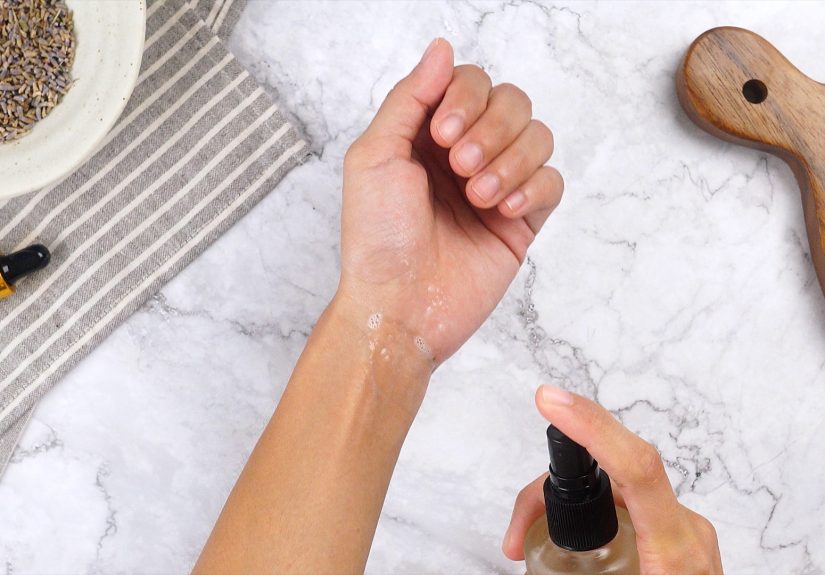
If you apply any lavender product to your skin, patch test first. Put a small amount on a small area of skin and wait to see whether irritation appears. Avoid spraying near eyes, pets, babies, or anyone sensitive to fragrance. Lavender may be gentle compared with some scents, but “gentle” does not mean “universally perfect for every nose and every skin type.”
How to Use Lavender Water
- As a drink: Serve chilled over ice with lemon.
- In lemonade: Replace part of the water with lavender water.
- In tea: Add a splash to black tea, green tea, or chamomile tea.
- In sparkling water: Mix 1 part lavender water with 2 parts sparkling water.
- In desserts: Brush lightly over sponge cake or add to fruit salad.
- As ice cubes: Freeze in trays and use in summer drinks.
- For linens: Use a non-sweetened batch only, and test fabric first.
Safety Tips for Homemade Lavender Water
Use clean utensils, clean jars, and fresh water. Refrigerate the finished infusion. Do not give concentrated herbal preparations to young children without professional guidance. If you are pregnant, nursing, taking medication, or managing a health condition, ask a qualified health professional before using lavender in medicinal amounts. For normal culinary use, the key is moderation.
Also remember that lavender water is not a treatment for anxiety, insomnia, skin conditions, or any medical issue. It may smell lovely and create a calming routine, but it should not replace medical care. A peaceful beverage is wonderful; a pretend doctor in a teacup is not.
500 Extra Words: Real-Life Experience With Making Lavender Water
The first time many people make lavender water, they expect it to turn purple. This is understandable. Lavender flowers are purple, grape soda is purple, and the human brain loves a simple color story. But homemade lavender water usually turns pale yellow, light amber, or faintly greenish. That does not mean you failed. It means your lavender is behaving like an herb, not a cartoon potion.
My best experience with lavender water came after learning to stop overdoing it. At first, the temptation was strong: if one teaspoon smells nice, surely three teaspoons will smell like a luxury resort. Incorrect. Three teaspoons can make a small batch taste like someone melted a candle into a teapot. The better method is restraint. Start with a little, steep gently, and taste early. Lavender rewards patience, not bravery.
A practical trick is to make a small test batch before preparing a pitcher for guests. Use half a cup of hot water and a small pinch of lavender. Steep it for 5 minutes, taste it, then decide whether your lavender is mild or bossy. Some dried lavender buds are gentle and sweet. Others arrive with a megaphone and a perfume contract. Testing saves your lemonade from becoming a floral ambush.
Another useful experience: lemon is lavender’s best friend. Plain lavender water can be pleasant, but lemon gives it sparkle and balance. Add a thin strip of lemon peel while steeping, then remove it with the lavender. The result tastes brighter without becoming sour. For a summer drink, pour lavender water over ice, add lemon juice, a little honey syrup, and sparkling water. Suddenly your kitchen feels like it has outdoor seating and a tiny menu printed on recycled paper.
Storage is where people get casual, and casual is where weird fridge things happen. Homemade lavender water should be treated like fresh tea. Keep it cold, keep it covered, and use it quickly. A clean glass jar works better than a plastic container that previously held salsa, unless you are developing lavender water with “mysterious taco finish,” which I cannot recommend professionally or emotionally.
For linen use, skip sweeteners completely. Sweet lavender water on pillowcases is not charming; it is an invitation to stickiness. Use plain lavender water, strain it very well, and test it on a hidden fabric area first. Even natural infusions can leave marks on delicate fabrics. A small test patch is much less dramatic than explaining why your white pillowcase now has artisanal beige freckles.
The biggest lesson is that lavender water is less about a strict recipe and more about balance. Water temperature, steeping time, lavender variety, and personal taste all matter. Once you find your preferred ratio, write it down. Future you will be grateful, especially when standing in the kitchen with a spoon, a jar, and absolutely no memory of what worked last time.
Conclusion
Learning how to make lavender water is simple, affordable, and surprisingly satisfying. The whole process comes down to choosing culinary lavender, using a light hand, steeping gently, straining well, and storing the finished infusion in the refrigerator. Whether you drink it over ice, mix it into lemonade, freeze it into floral cubes, or use an unsweetened version as a linen refresher, lavender water brings a soft botanical touch to everyday routines.
The secret is moderation. Lavender should whisper, not shout. When handled carefully, it adds a clean floral note that feels fresh, calming, and a little fancy without requiring a spa membership or a trust fund.