Table of Contents >> Show >> Hide
- What “Cage-Free” Actually Looks Like for Pet Pigeons
- Step 1: Start With the Right Pigeon (and the Right Expectations)
- Step 2: Build a Home Base Your Pigeon Loves Returning To
- Step 3: Health First (Because Sick Birds Don’t Train Well)
- Step 4: Taming 101 Trust Before Freedom
- Step 5: Train “Out of Cage” Indoors First
- Step 6: If You Mean Outside the Cage AND Outside the House
- Step 7: Make “Coming Home” a Habit, Not a Miracle
- Step 8: Cleanliness, Poop Management, and Staying Friends With Your Household
- Step 9: Troubleshooting the Most Common Problems
- The Bottom Line: The Best “Out of Cage Permanently” Plan
- of Real-World Experience: What It’s Like Living Cage-Free With a Pigeon
Let’s get one thing straight: “out of cage permanently” shouldn’t mean “no home, no rules, and good luck out there.” A happy, tame pigeon is basically a tiny feathered roommatesweet, routine-loving, and fully capable of redecorating your life with surprise poop if you don’t plan ahead.
So this guide is about the responsible version of cage-free: building trust, creating a safe home base, training reliable recall, and setting up a lifestyle where your pigeon can spend most (or all) of the day outside the cagewithout becoming a snack for a hawk or a missing-poster legend.
What “Cage-Free” Actually Looks Like for Pet Pigeons
Think of the cage (or loft/aviary) as your pigeon’s bedroom, not their prison. The goal is:
- Home base stays available (open door when supervised, or always open if your home is pigeon-proofed).
- Daily freedom to walk, flap, bathe, socialize, and explore safely.
- Clear boundaries so your pigeon knows where to eat, sleep, and return when startled.
If you’re imagining your pigeon living outdoors and “just coming back whenever,” pause. That can be done safely only with the right bird, the right setup, and careful trainingand even then, there are serious risks. We’ll cover safer alternatives that still feel “permanent freedom” for the bird.
Step 1: Start With the Right Pigeon (and the Right Expectations)
Domestic vs. feral: the difference matters
Most “city pigeons” are feral descendants of domestic rock pigeons. Some can be tamed, but a truly cage-free lifestyle is easiest with a domesticated pigeon (like a fancy breed or a homing pigeon) that’s already comfortable with people and human routines.
Adopt if you can
In the U.S., many rescues place pet pigeons who can’t safely live in the wild (injuries, imprinted birds, former domestic pets). These pigeons often make the best indoor companions because they’re already used to peopleand they’re very motivated by snacks. (Honestly, same.)
Reality check: “permanent outdoors, unsupervised” is rarely humane
Even experienced pigeon keepers warn that letting a single pet pigeon free-fly outside is dangerous. Predators, cars, wires, weather swings, and disease exposure are real. A cage-free life is absolutely possiblebut the safest version usually happens indoors or in a secure aviary.
Step 2: Build a Home Base Your Pigeon Loves Returning To
Training a pigeon to stay out of the cage starts with a funny truth: they only “leave the cage forever” when the cage is good enough that they choose to return.
Minimum setup (indoors)
- Large crate or flight cage with a solid, flat floor (no wire flooring).
- Perches and a shelf (pigeons love standing like they’re supervising a construction site).
- Food and water stations that are easy to clean.
- Bath pan a few times a week (many pigeons act like bath time is a spa appointment).
Home base rules that make training easier
- All good things happen at home base: favorite food, treats, calm time, and sleep.
- Keep it predictable: pigeons love routine more than most humans love weekend naps.
- Keep it safe: no grabbing, chasing, or “surprise hands.” You’re building trust, not running a tiny-feathered obstacle course.
Step 3: Health First (Because Sick Birds Don’t Train Well)
If your pigeon seems fluffed up, sleepy, breathing oddly, losing weight, or having messy droppings, get avian-vet advice. Training comes after basic wellness.
Quarantine new birds
If you have more than one pigeon (or plan to), quarantine newcomers. It protects the whole flock and prevents you from playing “Guess That Mystery Illness” at 2 a.m.
Basic nutrition that supports calm behavior
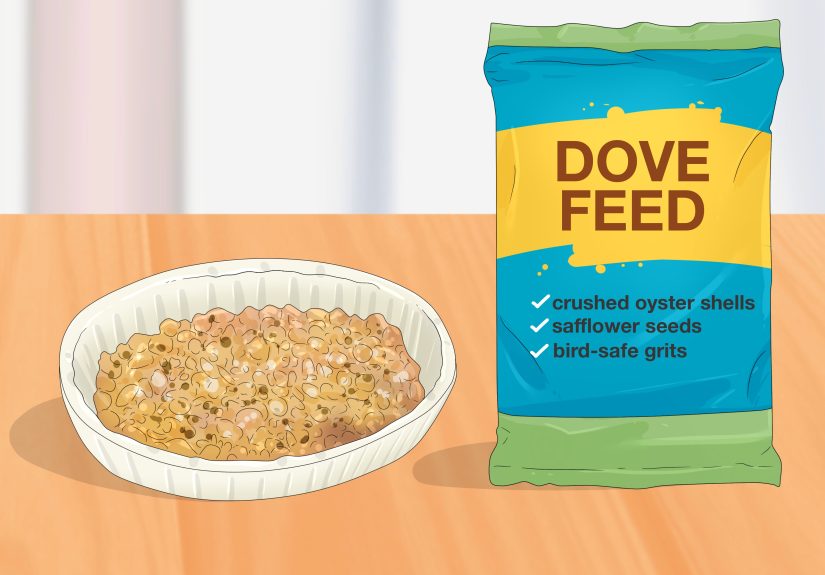
A balanced pigeon diet usually includes a quality seed/grain mix and/or formulated pellets, plus access to minerals (like grit/mineral supplements appropriate for pigeons). Clean water daily is non-negotiable.
Step 4: Taming 101 Trust Before Freedom
Taming is mostly about consistent, non-scary interactions. Your goal is to become the bringer of good things.
The “I’m not a predator” routine
- Sit near the cage and talk softly for a few minutes daily.
- Offer treats through the bars (tiny pieces, same treat every time).
- Move slowlypigeons notice fast motion like it’s a jump-scare trailer.
- Don’t force handling early. Trust grows faster when the bird has choice.
Hand-feeding (the fast track to friendship)
Once your pigeon will eat near you, offer food from your hand. Use a calm cue phrase like “snack time” or a soft whistle. This becomes the foundation for recall later.
Step 5: Train “Out of Cage” Indoors First
If you want a pigeon out of the cage permanently, start by mastering safe indoor freedom. This is the best “forever free” option for most pet pigeons.
Pigeon-proof your room (seriously)
- Close windows and doors (or use secure screens).
- Turn off ceiling fans when the bird is out.
- Block tight gaps behind appliances or furniture.
- Remove hazards like open water containers, toxic fumes, sticky traps, and anything your pigeon could chew.
Teach three core skills
- Step-up / target: reward your pigeon for stepping onto your hand or moving toward a target (like a spoon or perch).
- Stationing: teach a “go to perch” behaviorsuper useful for calm, structured freedom.
- Recall cue: a consistent whistle or phrase that always ends with a reward.
Pro tip: Keep sessions short (2–5 minutes). End while your pigeon is still interested. You want “Wow, that was fun!” not “Human, I’m filing a complaint.”
Step 6: If You Mean Outside the Cage AND Outside the House
Let’s talk about outdoor freedom carefully, because this is where good intentions can accidentally turn into heartbreak.
Safer outdoor options than “free-flying solo”
- Predator-proof aviary: your pigeon gets fresh air and sunshine safely.
- Secure loft with controlled access: for trained homers, using proper trapping and routine.
- Harness or carrier time outdoors: for enrichment without the “vanished into the sky” risk.
If you’re training homing pigeons to return to a loft
Homing pigeons can be trained to orient and return reliablybut it’s a process. The common pattern is:
- Settling period: keep birds in the loft/aviary long enough to bond to it (often weeks, not days).
- Trap training: teach entering through the loft entrance confidently for food.
- Short orientation flights: release in safe conditions near home, when they’re strongly motivated to return for feeding.
- Gradual distance: only increase release distance after consistent returns.
Even with training, risk never hits zero. Weather changes, predator pressure, and urban hazards don’t care how proud you are of your pigeon’s progress.
Step 7: Make “Coming Home” a Habit, Not a Miracle
Training isn’t magic. It’s mostly boringly consistent routineswhich is exactly what pigeons adore.
A sample daily routine for cage-free indoor pigeons
- Morning: open cage, fresh water, quick health check, 5-minute recall practice.
- Midday: supervised roaming + enrichment (foraging tray, safe perches, bath pan).
- Evening: main feeding happens in the cage/loft (home base = best restaurant in town).
- Night: optional close-up for safety (or leave open if room is fully secure and pigeon-proof).
Use food smartly (not harshly)
Yes, food motivates pigeons. No, you shouldn’t starve your bird. The goal is simply: treats and the best meals happen when your pigeon returns to the home base on cue.
Step 8: Cleanliness, Poop Management, and Staying Friends With Your Household
Pigeons are charming. Their droppings are… enthusiastic. If you want permanent out-of-cage life, plan for hygiene:
- Use washable mats under favorite perches.
- Do quick daily wipe-downs (easy when you stay ahead of it).
- Consider pigeon diapers (“pigeon pants”) during couch time if needed.
- Wash hands after cleaning and keep food prep areas bird-free.
Step 9: Troubleshooting the Most Common Problems
“My pigeon won’t go back in the cage.”
Usually this means the cage is either boring, uncomfortable, or scary. Upgrade it, feed the best meal inside it, and stop chasing. Use your recall cue, reward heavily, and practice when the bird is calm.
“My pigeon panics when I move.”
Slow down. Sit more. Offer treats. Let the pigeon approach you. Taming is 80% patience and 20% snack budgeting.
“My pigeon flies into windows.”
Use curtains, decals, or adjust lighting. Keep early flights in a smaller room until the bird learns the layout.
“Outdoor freedom isn’t working.”
Don’t force it. Many pet pigeons thrive with indoor freedom or an aviary lifestyle. “Cage-free” doesn’t have to mean “sky life.”
The Bottom Line: The Best “Out of Cage Permanently” Plan
If you want the safest, most realistic version of permanent freedom, here’s the winning combo:
- Indoor cage = home base (open most of the day).
- Pigeon-proofed space for daily roaming.
- Consistent routine where food and calm always come from home base.
- Recall training that’s practiced like a fun game.
- Outdoor enrichment via aviary, secure loft, or supervised outingsnot risky solo free-flight.
Do that, and you’ll have a tame pigeon who’s effectively “out of cage permanently”while still being safe, healthy, and happily obsessed with you (and your snack cupboard).
of Real-World Experience: What It’s Like Living Cage-Free With a Pigeon
The first time I tried “cage-free time” with a pigeon, I learned a humbling lesson: pigeons are calm right up until they’re notand then they become a tiny, flappy opinion with wings.
My friend had a rescued pigeon (we’ll call her Pepper) who couldn’t be released outdoors. Pepper was sweet, curious, and absolutely certain that the top of the bookshelf was a luxury penthouse suite she deserved. We started small: a quiet room, curtains partly drawn, fan off, windows closed, and the cage door open like a little hotel lobby. I sat on the floor with a bowl of treats, trying to look non-threatening. (Pro tip: sitting on the floor instantly makes you seem less like a giant predator and more like a weird piece of furniture that gives snacks.)
Pepper waddled out slowly, did the pigeon version of a security scanhead bobbing like she was reviewing CCTV footageand then marched straight to the treat bowl with the confidence of someone who pays rent. That was the moment I realized cage-free life isn’t about “setting them free.” It’s about building a relationship where the pigeon thinks, “This place is safe, and this human is useful.”
The next challenge was recall. We picked a soft whistle and used it every single time food appeared. For the first week, the whistle basically meant “walk five steps and get paid.” Then it became “walk across the room and get paid.” Then “fly to the perch and get paid.” The key wasn’t intensityit was consistency. Pepper started responding like it was her job, and honestly, she was better at it than most humans are at replying to texts.
We also learned the value of a “station.” Pepper got a special perch near the cage with a little treat cup. When she felt startled (like when someone dropped a spoon in the kitchenclearly a villain move), she’d hustle to her station. That single habit made the whole home feel calmer because Pepper always had a safe default location.
And yes, there was the poop reality. The solution wasn’t panicit was systems: washable mats under favorite hangout spots, quick daily cleanups, and (when needed) a pigeon diaper for couch time. Once that was handled, Pepper could be out all day, every day, without anyone feeling like the house had been taken over by a messy, feathered roommate.
The most surprising part? Pepper still used the cageby choice. At night she’d step in, fluff up, and sleep like she’d worked a full shift of being adorable. That’s the real “permanent cage-free” win: not a bird with nowhere to go, but a bird with the freedom to choose safety whenever she wants it.