Table of Contents >> Show >> Hide
- The Toilet Of The Future Is Really About Better Living
- What Actually Makes A Toilet Feel “Future-Ready”?
- Why This Upgrade Makes More Sense Than People Expect
- Not Every Future Toilet Costs A Fortune
- What To Check Before You Buy
- The Real Future: Toilets That Help Monitor Health
- So, Should You Embrace The Toilet Of The Future?
- Experience Section: What Living With The Toilet Of The Future Actually Feels Like
For years, the “toilet of the future” sounded like the kind of thing you’d see in a sci-fi movie right before a robot politely asks about your hydration levels. But here’s the twist: the future toilet is already here, and it’s not nearly as weird as people think. In fact, it’s practical, surprisingly comfortable, and often a lot smarter than the old porcelain workhorse many of us have been dragging through adulthood.
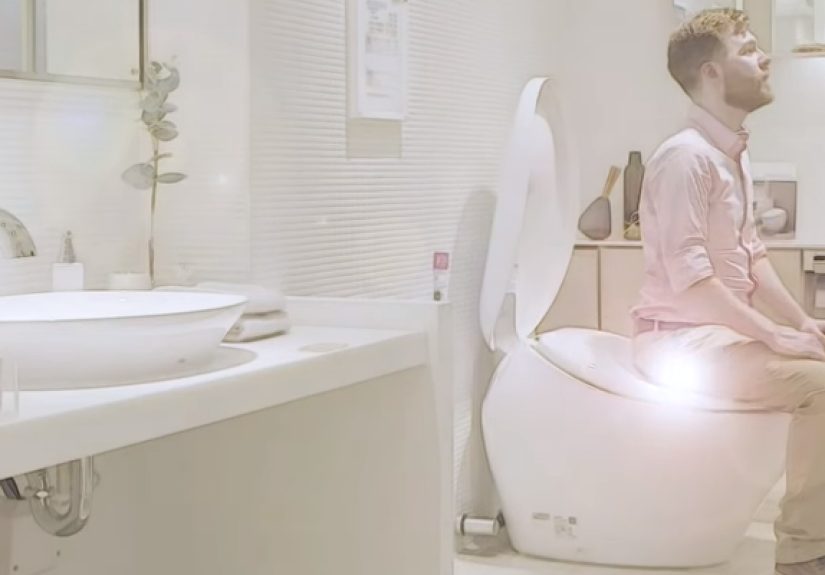
Today’s next-generation toilets are less about flashy gimmicks and more about making one of the most-used fixtures in your home cleaner, gentler, more efficient, and easier to live with. We’re talking bidet functions, heated seats, automatic lids, deodorizing systems, self-cleaning features, night-lights, and water-saving flush technology that can help cut waste without sacrificing performance. In other words, the bathroom is finally getting the upgrade the kitchen has been bragging about for years.
And let’s be honest: if your phone can recognize your face and your thermostat can learn your habits, why is your toilet still acting like it’s 1997?
The Toilet Of The Future Is Really About Better Living
When people hear the phrase smart toilet, they often picture an over-engineered luxury item with too many buttons and an attitude problem. But the best future-facing toilets are not trying to be dramatic. They’re solving real problems.
First, they improve hygiene. Water-based cleansing is simply a more thorough and often gentler approach than relying entirely on dry toilet paper. For people with sensitive skin, hemorrhoids, limited mobility, arthritis, or back pain, that difference can feel less like a fancy extra and more like a daily quality-of-life win. A toilet that helps you feel cleaner without turning every bathroom trip into a wrestling match with a paper roll is not indulgent. It’s efficient.
Second, these toilets add comfort in ways that sound unnecessary until you try them. Heated seats are the classic example. People love to joke about them right up until the first cold winter morning when they sit down and instantly understand the hype. Warm-water cleansing, warm-air drying, adjustable spray pressure, and user presets all move the bathroom from “functional” to “why did I wait so long?”
Third, the future toilet is about accessibility and independence. That matters for older adults, people recovering from surgery, pregnant or postpartum users, and anyone who has ever had a temporary injury and suddenly realized how much twisting, reaching, and balancing normal bathroom routines involve. The smartest bathroom upgrades are often the ones that quietly preserve dignity.
What Actually Makes A Toilet Feel “Future-Ready”?
Not every upgraded toilet needs to look like it belongs on a spaceship. In many homes, the “future toilet” is simply a standard toilet paired with a bidet attachment or bidet seat. That alone can dramatically change the experience.
1. Bidet cleansing
This is the biggest shift. A bidet seat or attachment uses a controlled stream of water for cleaning after using the toilet. Some models are manual and simple. Others offer adjustable temperature, pressure, nozzle position, front wash, rear wash, and oscillating spray modes. Once you get used to it, going back to an all-paper routine can feel oddly prehistoric.
2. Heated seat and warm air drying
These are the comfort features that tip many people from “curious” to “converted.” Heated seats are especially appreciated in colder climates, while air dryers reduce the amount of toilet paper you still need for finishing up.
3. Automatic flushing and touch-free features
Automatic flush systems, auto-open lids, motion-activated night-lights, and deodorizing fans help make the bathroom feel cleaner and more hands-free. These features are convenient, yes, but they also reduce touch points and make nighttime bathroom trips much easier.
4. Self-cleaning functions
Many newer units include nozzle-rinsing systems or bowl-cleaning features. That does not mean you never clean your toilet againnice trybut it does mean the fixture works harder to stay fresh between deep cleans.
5. Water-saving flush technology
A future-ready toilet should not just pamper your backside. It should also use water wisely. Modern high-efficiency and WaterSense-style toilets are designed to deliver strong performance with less water, which is one of the most practical upgrades you can make in a bathroom remodel.
Why This Upgrade Makes More Sense Than People Expect
The best bathroom upgrades earn their keep. A future toilet can do that in several ways.
It can reduce waste. Older toilets are often thirsty little beasts. Replacing them with a newer water-efficient model can lower water use significantly over time. That matters for monthly utility bills, long-term household efficiency, and conservation-minded homeowners who would prefer not to flush gallons of water like it’s a competitive sport.
It can cut your dependence on toilet paper and wipes. That means fewer store runs, less chance of overusing products that can irritate skin, and less temptation to flush wipes that your plumbing wishes had stayed in the trash. Your pipes would like a word, and that word is “thanks.”
It can feel better physically. This point deserves more attention than it gets. People with irritation, itching, sensitivity, or hemorrhoids often find a gentle water cleanse more comfortable than repeated wiping. Used properly, a bidet can make the bathroom less abrasive and less annoying. That is not glamorous copy, but it is real life.
It can support aging in place. The bathroom is one of the most important rooms to rethink when planning for long-term independence at home. A bidet seat, comfort-height toilet, night-light, and touch-free features can make everyday tasks easier without making the room look clinical or depressing.
It can add appeal during a remodel. Homeowners are increasingly treating bathrooms like wellness spaces rather than purely utilitarian corners with bad lighting. The rise of spa-like design, smart-home convenience, and comfort-driven remodeling has made upgraded toilet features feel far more mainstream than they did a few years ago.
Not Every Future Toilet Costs A Fortune
One reason people delay this upgrade is the assumption that smart bathroom technology automatically means luxury-budget pricing. Not necessarily.
If you want the easiest entry point, a non-electric bidet attachment is the budget-friendly gateway option. These are typically straightforward to install and can bring the core hygiene benefit without a major remodel. A step up from that is an electric bidet seat, which replaces your current toilet seat and adds comfort features like warm water, heated seating, drying, and remote controls.
At the top end are integrated smart toilets that combine everything into one sleek unit. These tend to look the most dramatic and offer the most features, but they are also the most expensive. They make the most sense during a full renovation, a high-end bathroom refresh, or for homeowners who know exactly what they want and are ready to commit.
The key is that you do not need the full luxury package to start living in the future. Sometimes the future begins with one well-aimed spray nozzle and a little open-mindedness.
What To Check Before You Buy
Before you fall in love with a toilet that opens its own lid like it’s greeting royalty, pause and check the practical details.
Bathroom setup
Electric bidet seats and integrated smart toilets usually need access to a nearby GFCI-protected outlet. If your bathroom does not already have one in the right place, you may need an electrician. Manual models are easier because they do not need electricity.
Toilet compatibility
Not every seat fits every toilet shape. Measure carefully. Round and elongated bowls are not interchangeable, and toilet-shopping regret is not a fun genre.
Cleaning and maintenance
Even if the product has self-cleaning features, you still need to clean it regularly. Nozzles, lids, controls, and surrounding surfaces should stay clean, especially in a shared bathroom. A good toilet is smart; it is not magically self-responsible.
Safe, comfortable use
More pressure is not always better. Start gently, especially if you are new to bidets. Use the product as directed, keep the nozzle clean, and make sure water flow is correct. A future toilet should make life easier, not turn hygiene into a pressure-washer experiment.
The Real Future: Toilets That Help Monitor Health
If you want the truly futuristic version, researchers are already exploring toilets that do more than clean and flush. Experimental smart toilet systems are being developed to analyze urine and stool data, monitor bowel patterns, and support health tracking in a more passive, less burdensome way. That does not mean your guest bathroom is about to start diagnosing you next Tuesday, but it does show where this category is headed.
This is where the conversation gets especially interesting. The bathroom may become one of the most useful locations for low-friction health monitoring because it naturally collects data people already produce every day. If that sounds both brilliant and slightly unsettling, congratulationsyou are having the correct reaction. The promise is huge, but so are the questions around privacy, consent, and how much information a toilet should know before breakfast.
For now, most consumers are not shopping for medical-grade toilets. They are shopping for better hygiene, greater comfort, and smarter daily living. But the broader direction is clear: tomorrow’s toilets will likely be more personalized, more efficient, and more integrated into wellness-focused home design than anything past generations considered normal.
So, Should You Embrace The Toilet Of The Future?
Yesjust maybe not in the most ridiculous way possible.
You do not need a throne with mood lighting, Bluetooth speakers, and the emotional presence of a luxury sedan. But you should be open to the very real improvements modern toilet technology can offer. Cleaner routines, less irritation, better accessibility, lower water use, and a more comfortable bathroom experience are not frivolous. They are meaningful upgrades to an object you use every single day.
That is really the heart of it. The toilet of the future is not about showing off. It is about making a boring but essential part of life noticeably better. And frankly, that is exactly what good technology is supposed to do.
So go ahead and retire the idea that advanced toilets are only for luxury hotels, tech obsessives, or the neighbor who somehow has a smarter bathroom than living room. The future toilet has moved beyond novelty. It is now a practical home improvement, a wellness upgrade, and, for many households, one of the most underrated investments in the entire house.
Turns out the future is not flying cars. It is a warm seat, a cleaner routine, and fewer arguments with toilet paper. Honestly, that feels like progress.
Experience Section: What Living With The Toilet Of The Future Actually Feels Like
The funniest thing about upgrading to a smarter toilet is that most people start out skeptical and then become weirdly evangelical within a week. Day one usually begins with hesitation. There is a little side-eye, a cautious reading of the controls, and at least one moment where someone says, “I’m not sure I need all this.” Then day three rolls around, and that same person is adjusting spray pressure like a seasoned engineer and wondering why the rest of civilization has been dry-wiping like it is still the Stone Age.
One of the first experiences people notice is comfort. A heated seat sounds silly in theory, but in real life it feels like an act of basic human kindness. During cold weather, it can turn a groggy early-morning bathroom trip into something noticeably less brutal. Add warm-water cleansing, and the whole routine feels more spa-adjacent than standard bathroom business. No, it is not life-changing in the dramatic movie-trailer sense. But it is life-improving in a very real, very daily way.
Another common experience is the surprise of convenience. People often expect a smart toilet to be complicated, but many end up finding it easier than their old setup. A night-light helps during middle-of-the-night trips. A soft-close or auto-open lid makes the fixture feel cleaner and calmer. Adjustable settings let different members of the household find what works for them. Once those preferences are set, the bathroom routine becomes smoother and less fussy. That is especially meaningful for older adults, people with mobility issues, or anyone recovering from surgery who suddenly realizes that twisting to wipe is not a minor movement after all.
There is also the psychological shift. A lot of users describe feeling cleaner and more refreshed after using a bidet-style toilet. That may sound obvious, but it has a ripple effect. The bathroom feels less irritating, less rushed, and less dependent on paper products. Some households notice they buy toilet paper less often, have fewer clog-related annoyances, and spend less time dealing with the messier side of bathroom maintenance. It is not glamorous, but it is satisfying.
Then there is the entertaining part: guests. A future toilet in a guest bathroom creates two kinds of visitors. The first group is delighted and curious. They ask questions, try the controls, and leave impressed. The second group behaves like they have just encountered alien technology. They stare at the remote, laugh nervously, and pretend they are not interested even though they absolutely are. Either way, the toilet becomes a conversation piecewhich is not something most homeowners expect to say with a straight face.
Over time, the experience becomes less about novelty and more about standards. People stop thinking of the upgraded toilet as a gadget and start thinking of it as the normal, better version of something they already use every day. That may be the clearest sign that the future has arrived: not when the technology looks flashy, but when it quietly becomes the thing you never want to give up.
Note: This article is written for web publication and intentionally avoids placeholder citation artifacts or non-publishable markup.