Table of Contents >> Show >> Hide
- Who Is Marguerita Cheng?
- What Is Her Connection to The Balance?
- Why Her Voice Resonates With Readers
- Her Core Areas of Expertise
- Recognition That Adds to Her Credibility
- What Readers Can Learn From Marguerita Cheng’s Approach
- Experiences Related to “Marguerita Cheng – The Balance”
- Final Thoughts
- SEO Tags
When people search for “Marguerita Cheng – The Balance,” they are usually trying to answer a simple question with surprisingly high stakes: Can I trust this financial expert? In a world where money advice is served up by everyone from credentialed planners to random people filming next to ring lights and indoor plants, that is a fair question. Fortunately, Marguerita Cheng stands out for a reason.
Her presence on The Balance is not built on internet sparkle or hot-take energy. It is built on a long career in financial planning, a deep bench of credentials, leadership roles in the profession, and a style of guidance that feels less like a lecture and more like a calm, smart conversation. She is the kind of expert who can discuss retirement income, caregiving, divorce, widowhood, market volatility, and long-term planning without sounding like she is auditioning to be a human spreadsheet.
This article takes an in-depth look at who Marguerita Cheng is, why her role connected to The Balance matters, what makes her voice credible, and why readers keep returning to her perspective. Along the way, we will unpack the professional background, subject-matter expertise, and real-life relevance that make her more than just another name in a finance bio box.
Who Is Marguerita Cheng?
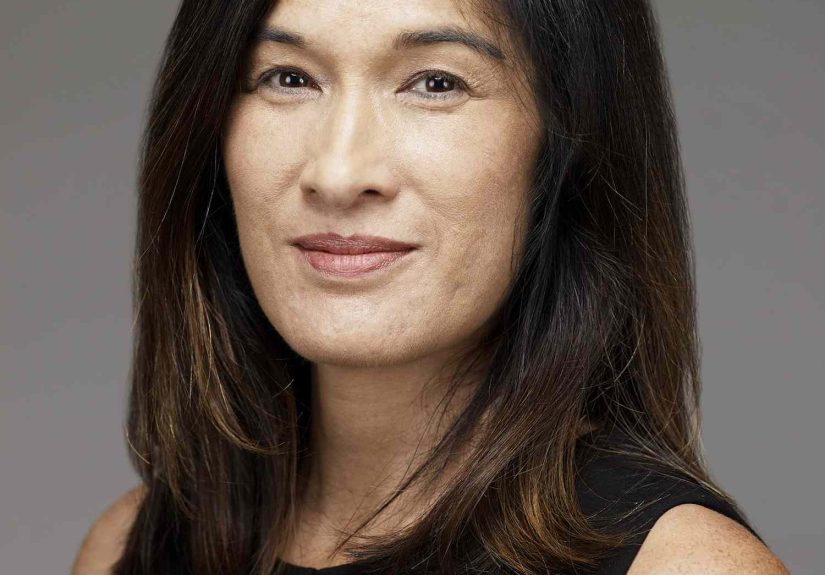
Marguerita “Rita” Cheng is widely known as the Chief Executive Officer of Blue Ocean Global Wealth, a Maryland-based advisory firm. Her public professional profiles consistently point to a career that blends technical expertise with practical communication. Before building her leadership reputation in wealth management, she worked as an analyst and editor at Towa Securities in Tokyo and later as a financial advisor at Ameriprise Financial. That combination matters. It suggests she did not arrive in personal finance through a single narrow lane. She has seen markets, research, client advice, and communication from multiple angles.
Her educational background is equally distinctive. Public bios note that she studied at Keio University in Tokyo and earned both a B.S. in Finance and a B.A. in East Asian Language and Japanese Literature from the University of Maryland, College Park. That is not your average “I took one economics class and now I have a podcast” résumé. It reflects both analytical training and a global, communication-focused mindset.
Among the credentials most often associated with Cheng are CFP, CRPC, and RICP, with some profiles also listing specialized designations related to sustainable investing or divorce financial planning. That alphabet soup is not there for decoration. In personal finance, designations signal training in areas that affect real people dealing with real problems: retirement timing, income planning, major life transitions, and complex decision-making under stress.
In plain English, Marguerita Cheng is not simply a finance commentator. She is a seasoned planner whose expertise has been recognized by advisory firms, credentialing bodies, consumer finance publications, and financial literacy organizations. That is a big reason her name carries weight on The Balance.
What Is Her Connection to The Balance?
The most important detail for readers is this: Marguerita Cheng appears as part of The Balance Financial Review Board. That role is meaningful because The Balance uses expert reviewers to strengthen the accuracy, clarity, and trustworthiness of personal finance content. In other words, this is not just a decorative bio placed next to a stock photo and a vague promise of expertise. It signals that Cheng is one of the finance professionals whose background helps reinforce editorial credibility.
That matters because personal finance content lives or dies on trust. Advice about retirement accounts, debt, Social Security, insurance, investing, or caregiving is not like ranking ice cream flavors. A weak take can cost readers money. A sloppy explanation can lead to confusion that lingers for years. By associating its content with experts like Cheng, The Balance is telling readers that it wants more than pageviews. It wants authority.
Cheng is a particularly strong fit for that role because her background aligns with the kind of topics readers actually need help understanding. She is not limited to one niche. Her public profiles connect her with financial planning, retirement, student loans, investing, budgeting, caregiving, divorce, and other life-transition issues. That range makes her useful in a publication designed for everyday readers rather than specialists sitting around arguing about basis points for fun on a Tuesday afternoon.
Why Her Voice Resonates With Readers
She Combines Credentials With Plain-English Thinking
One of the most appealing things about Cheng’s public work is that it consistently bridges technical planning and accessible communication. Whether she is quoted in a mainstream money article, featured on a consumer education site, or described in advisory profiles, the same pattern shows up: she makes important financial ideas understandable without draining the life out of them.
That is harder than it looks. Plenty of smart professionals know a lot about money but explain it like they are reading aloud from a filing cabinet. Cheng’s approach tends to focus on clarity, confidence, and control. Those themes appear again and again because they meet readers where they are. Most people are not looking for a master class in theoretical portfolio construction. They want to know what to do next, what matters most, and how not to panic.
She Focuses on Real-Life Transitions, Not Just Abstract Math
Another reason readers respond to Cheng is that her work is closely tied to human transition points. She is associated with planning for widowed individuals, divorced individuals, caregivers, and people navigating retirement or family responsibility. Those are moments when money feels emotional, messy, and deeply personal.
That emphasis gives her perspective an extra layer of credibility. It suggests she understands that financial planning is not just about maximizing returns. It is also about helping people make sound decisions while life is being inconvenient, expensive, and occasionally rude. That is exactly the kind of context a consumer publication like The Balance needs from an expert.
She Brings an Ethics-and-Education Lens
Cheng’s public roles also include service as a CFP Board Ambassador, leadership involvement with the profession, and work related to public financial education. This matters because trust in finance is not built on technical skill alone. Readers also want to know whether an expert values ethics, transparency, and education.
Her broader media footprint reinforces that impression. She has contributed to or been cited by outlets such as Forbes, Money, Investopedia, Kiplinger, Reuters, and others. The pattern here is important: Cheng is repeatedly positioned as someone who helps make money topics more understandable, more responsible, and more useful to ordinary people. That is not a one-time media cameo. That is a sustained reputation.
Her Core Areas of Expertise
Retirement Planning and Retirement Income
If there is one lane where Cheng is especially recognizable, it is retirement planning. Her credentials, professional designations, and public videos all point to deep experience in retirement issues, especially the challenge of turning savings into income that lasts. That is one reason her name shows up in discussions about Social Security, annuities, life expectancy, long-term planning, and the tradeoffs retirees face once the paycheck disappears.
Retirement advice can easily become either too vague or too terrifying. Cheng’s public explanations tend to avoid both traps. She often emphasizes steady habits, long-term thinking, and the need to plan with realistic assumptions. It is a refreshingly grown-up message in a financial culture that sometimes behaves like every market dip is either the apocalypse or a clearance sale.
Life-Transition Planning
Not all financial expertise is created equal. Some advisors are strongest at investment strategy. Others are best at tax efficiency or estate structures. Cheng’s profile stands out because she is repeatedly associated with life-transition planning. That includes divorce, widowhood, caregiving, and major family or career changes.
Those are the moments when people need more than formulas. They need context. They need prioritization. They need someone who understands that grief, confusion, and responsibility can all show up in the same week. A planner who can address those emotional and logistical realities is particularly valuable to readers who come to The Balance for answers that feel human, not robotic.
Financial Literacy and Inclusion
Cheng’s work also reflects a strong commitment to financial education and broader access. Public profiles reference her as a former spokesperson for the AARP Financial Freedom Campaign and highlight her involvement in outreach, diversity, and public education efforts. That helps explain why her communication style feels inclusive rather than exclusive.
In practical terms, that means she does not talk down to readers. She does not assume that everyone grew up knowing how retirement accounts work or how to compare tradeoffs between savings, debt repayment, and caregiving costs. For a consumer-focused publication, that approach is gold. It invites readers in instead of making them feel late to a party where everyone else already knows the jargon.
Recognition That Adds to Her Credibility
Professional recognition is not everything, but it helps readers separate substance from self-promotion. Cheng has earned notable recognition across the finance and advisory landscape. Public profiles point to repeated inclusion on Investopedia’s Top 100 Financial Advisors, including a top-10 placement in 2023. She has also been recognized by InvestmentNews and appears in curated lists from Money that highlight leading planners in the United States.
She also serves on the CFP Board of Directors, which is a significant leadership position in the profession. That role does not just signal competence. It suggests trust from peers and institutions that shape standards in financial planning. For readers looking at her name on The Balance, that matters. It tells them this is someone who has influence not only as a practitioner, but also as a voice in the broader profession.
Even details such as being listed with no minimum in some planner directories or being associated with caregiver-focused and transition-oriented planning can shape the way readers interpret her brand. The message is clear: this is an advisor interested in practical help, not just prestige.
What Readers Can Learn From Marguerita Cheng’s Approach
Searching for “Marguerita Cheng – The Balance” is not really about biography alone. It is also about what her presence represents. Her body of public work points to several lessons that are useful far beyond her own profile page.
First, financial planning is about life, not just money. Retirement is not merely a spreadsheet event. Divorce is not just an asset split. Caregiving is not just an expense category. Cheng’s work repeatedly shows that money decisions live inside family decisions, health decisions, and identity decisions.
Second, credentials still matter. The internet is full of confidence. Credentials do not guarantee perfection, but they do show commitment to standards, continuing education, and professional accountability. Cheng’s résumé reminds readers to look for depth, not just charisma.
Third, long-term habits beat dramatic gestures. In public commentary, she is often associated with steady investing, disciplined planning, and realistic preparation for the future. That may not sound flashy, but it is usually how actual wealth-building works. Personal finance is less “dramatic movie montage” and more “boringly good decisions repeated often enough to become powerful.”
Fourth, empathy is a financial skill. This might be the most underrated lesson of all. Technical knowledge is essential, but when people are widowed, overwhelmed, or caring for parents and children at the same time, empathy is not extra. It is part of competent advice.
Experiences Related to “Marguerita Cheng – The Balance”
The following examples are illustrative experiences based on the kinds of situations Marguerita Cheng is publicly associated with addressing. They are not presented as specific client stories.
A common experience tied to Cheng’s style of financial planning is the adult child who suddenly becomes a caregiver. One day, she is managing her own bills, saving what she can for retirement, and trying to remember whether she already paid the electric bill. The next day, a parent needs help with medical appointments, paperwork, insurance decisions, and long-term care conversations. In situations like this, money becomes emotional fast. The question is no longer just, “What is the best return?” It becomes, “How do I support someone I love without destroying my own future?” That is exactly why a planner with caregiver awareness matters.
Another experience involves the newly widowed professional who has spent years sharing financial responsibilities with a spouse. Suddenly, she is handling income changes, account titles, Social Security questions, insurance paperwork, and a level of silence that makes every financial task feel heavier. Advice in this moment has to be clear, paced, and respectful. Cheng’s public reputation for life-transition planning helps explain why many readers connect with her. She represents a kind of expertise that understands spreadsheets do not grieve, but people do.
Then there is the classic sandwich-generation story, which is not really classic in a fun, vintage way. It is classic in the “why am I paying for braces, groceries, and elder care in the same month?” way. A Gen X worker may be earning a solid income on paper while feeling financially stretched in real life. Retirement contributions slip. Emergency savings gets raided. The future starts looking like a moving target on roller skates. In these situations, a planner who can connect day-to-day cash flow with long-term purpose becomes incredibly valuable. Cheng’s public commentary often emphasizes clarity and confidence, and that is exactly what overwhelmed households need.
Another relatable experience is the late starter to investing. Maybe someone spent years paying off debt, helping family, or simply surviving a few economic plot twists. Now they are trying to catch up and feel embarrassed that they do not already know everything. What makes Cheng’s style appealing is that it does not seem built around shaming people for being imperfect. It is built around helping them start where they are. For many readers, that is the difference between taking action and closing the laptop in defeat.
There is also the experience of the reader who comes to a site like The Balance looking for a plain answer and ends up staying because the expert sounds trustworthy. That trust usually comes from a mix of factors: strong credentials, practical examples, emotional intelligence, and advice that does not pretend life is simple. Marguerita Cheng’s profile fits that pattern well. She brings the calm authority of a seasoned planner while still sounding relevant to people whose money lives are messy, evolving, and very much still in progress.
Final Thoughts
Marguerita Cheng’s connection to The Balance matters because it reflects more than a line on a profile page. It reflects a broader professional identity built on financial planning expertise, consumer education, ethical credibility, and real-world empathy. She is the kind of finance expert who makes sense for readers who want information that is accurate but not cold, practical but not simplistic, and authoritative without being intimidating.
In a crowded personal finance landscape, that combination is rare. Plenty of voices can tell you what compound interest is. Fewer can connect it to the realities of caregiving, widowhood, retirement anxiety, family obligations, and long-term wellbeing. Cheng has built a reputation around that connection, which is exactly why her name continues to resonate across trusted finance platforms.
So if you searched for “Marguerita Cheng – The Balance” to figure out whether she is worth paying attention to, the answer is yes. Not because she is loud. Not because she is trendy. But because her background, credentials, leadership, and subject focus all point in the same direction: thoughtful financial guidance for real people living real lives.