Table of Contents >> Show >> Hide
- What Is Placenta Encapsulation?
- What People Hope Placenta Pills Will Do
- Risks and Safety Concerns of Placenta Pills
- Do Placenta Pills Have Any Evidence-Backed Benefits?
- Talking With Your Healthcare Team About Placenta Encapsulation
- If You Still Consider Placenta Encapsulation: Risk-Reduction Questions
- Experiences With Placenta Encapsulation and Placenta Pills
- The Bottom Line: Are Placenta Pills Safe or Worth It?
Somewhere between the last contraction and the first baby photo, a modern question pops up in a lot of birth groups:
“Should I get my placenta encapsulated?” In other words, should you turn an organ you just delivered
into a bottle of placenta pills that promise more energy, better mood, and breastfeeding superpowers?
Placenta encapsulation has gone from fringe curiosity to mainstream birth-plan bullet point. Celebrities talk about it,
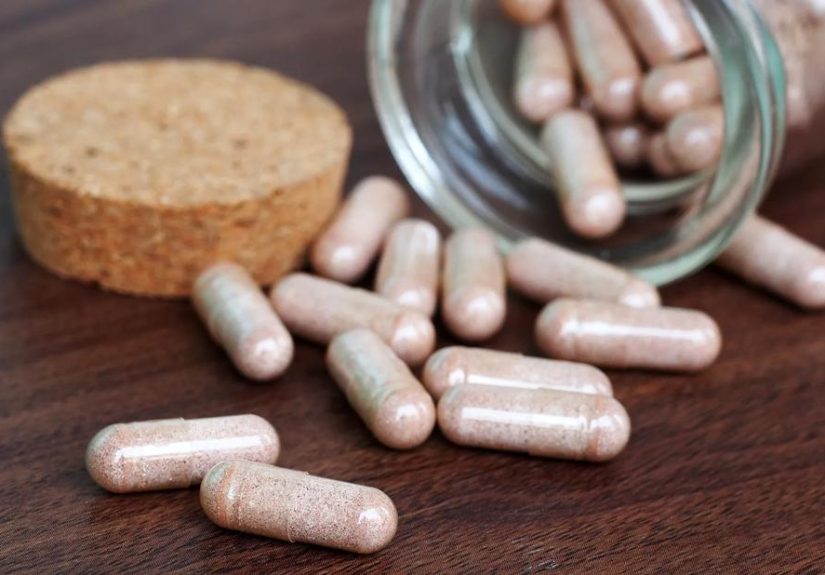
doulas get questions about it constantly, and social media feeds are full of pretty photos of labeled glass jars filled
with neat little capsules. But what does the science say? Is placenta encapsulation safe? And are placenta pills actually
helpfulor mostly hype wrapped in a gelatin capsule?
Let’s walk through what placenta encapsulation is, what people hope it does, what research and major health
organizations actually say, and how to have a grounded, science-informed conversation with your healthcare team.
We’ll keep it honest, practical, and yes, just a little bit funnybecause if any life stage deserves a sense of humor,
it’s the postpartum period.
What Is Placenta Encapsulation?
A quick refresher on the placenta itself
The placenta is a temporary organ that forms during pregnancy. It acts as a lifeline between you and your baby,
delivering oxygen and nutrients while filtering out waste. It also produces hormones like estrogen, progesterone,
and human placental lactogen that help support pregnancy and fetal development.
In other words, the placenta is an impressive biological multitasker. It’s also a blood-rich organ that can harbor
bacteria, viruses, and other pathogenssomething that matters a lot when we start talking about eating it in any form.
How placenta pills are made
Placenta encapsulation usually works like this: after birth, your placenta is collected, stored on ice or refrigerated,
and handed over to a specialist. That person typically:
- Rinses and trims the placenta
- Either steams it first or dehydrates it raw (methods vary)
- Slices and fully dehydrates it
- Grinds the dried pieces into a powder
- Fills capsules with the powder and returns them to you
Some people also consume placenta in smoothies, cooked dishes, or tinctures, but pills are by far the most popular and
marketable form. Importantly, in most places, placenta encapsulation services are not regulated like
pharmaceuticals or food manufacturing. There’s no universal standard for temperature, handling, or testing.
What People Hope Placenta Pills Will Do
If you scroll through testimonials and placenta encapsulation websites, you’ll see a familiar list of promised benefits:
- Improved mood and lower risk of postpartum depression
- More energy and less fatigue
- Better milk supply
- Less postpartum bleeding
- Faster recovery after birth
- Replenished iron and nutrients
Anecdotes vs. evidence
Many parents who choose placenta pills report feeling bettercalmer, more energetic, or more “balanced.” These stories
are real, and they matter to the people who share them. However, from a scientific perspective, they’re considered
anecdotal. They don’t prove that the placenta pills caused the positive effects.
Small surveys and interviews show that people who try placenta encapsulation often rate the experience positively, but
those studies usually lack control groups, randomization, or blindingkey features that help us separate placebo effect
and expectations from actual biological impact.
What does the research say?
So far, larger reviews of human placentophagy (the fancy term for consuming your placenta) have found
no convincing scientific evidence that placenta capsules improve mood, milk supply, or postpartum
recovery in measurable, clinically meaningful ways. When researchers analyzed placentas processed for encapsulation,
they found that hormone and nutrient levels after drying were either low or highly variable and unlikely to produce a
reliable therapeutic effect.
In short: the promised benefits are largely unproven. That doesn’t mean no one ever feels better; it
means we don’t have solid evidence that the pills are the reason. Meanwhile, we do have documented safety concerns.
Risks and Safety Concerns of Placenta Pills
Infectionespecially for newborns
One of the most serious concerns around placenta encapsulation is infection. The placenta is a blood-rich organ that
can carry bacteria and viruses. Dehydration and low-temperature processing may reduce some pathogens,
but they don’t reliably eliminate them.
A widely cited case from the U.S. Centers for Disease Control and Prevention (CDC) described a newborn who developed a
recurrent group B strep (GBS) infection. The mother had been taking placenta capsules that later tested positive for
the same bacteria strain. The concern is that ingesting contaminated placenta pills may increase a parent’s colonization
and, through breastfeeding or close contact, raise the baby’s risk of serious infection.
GBS is usually mild in adults but can be dangerous in newborns, potentially leading to sepsis, pneumonia, or meningitis.
Because of this and similar concerns, public health experts now caution against placenta capsule consumption, especially
in the context of GBS colonization or infection.
Lack of regulation and quality control
Another major issue: there is no standardized oversight of placenta encapsulation businesses. In most
places, these services are not regulated by agencies like the U.S. Food and Drug Administration (FDA).
That means:
- No uniform rules on how hot the placenta must be heated or for how long
- No requirement to test for bacteria, viruses, or toxins
- No independent verification that the capsules you receive are actually from your placenta
- Large differences in training, sanitation, and procedures between providers
Some encapsulation specialists do follow strict protocols: using dedicated equipment, hospital-grade disinfectants,
and food-safety-level temperatures. Others may operate with far fewer safeguards. From a safety standpoint, that
variability is a big red flag.
Other possible side effects
Reported side effects from placenta pills vary but may include:
- Feeling “wired,” anxious, or jitterysimilar to having too much caffeine
- Digestive discomfort
- Headaches
- Possible changes (up or down) in milk supply
While these effects may not be life-threatening, they’re still importantespecially in a postpartum season when you’re
already navigating sleep deprivation and hormonal shifts.
What major health organizations say
Major medical and public health organizations have reviewed the available evidence and generally take a cautious or
negative stance on placenta consumption:
-
CDC: Has published warnings about placenta capsules in the context of infant infections and notes
that processing does not reliably destroy pathogens. -
American College of Obstetricians and Gynecologists (ACOG): While not issuing a dedicated placenta
policy for encapsulation alone, ACOG materials and related guidance emphasize that claimed benefits are unproven and
that safety isn’t well established. -
American Academy of Pediatrics (AAP): In discussions of alternative perinatal practices, AAP
highlights that placenta consumption has no proven benefits and has been associated with neonatal infection risk. -
Large health systems and reputable medical centers (like academic hospitals and major clinic networks) often
explicitly state that they do not recommend placenta consumption because of unclear benefits and
real safety concerns.
Put plainly: the consensus from mainstream, evidence-based organizations is that placenta encapsulation is
not recommended.
Do Placenta Pills Have Any Evidence-Backed Benefits?
So far, controlled studies have mostly come up empty on clear benefits:
- No strong evidence of reduced rates of postpartum depression or anxiety
- No clear improvement in iron status when compared to standard iron supplements
- No consistent support for increased milk production
One challenge is that hormone and nutrient levels vary widely from placenta to placenta and are altered by cooking or
dehydration. Even if some components survive, they may be present in low, unpredictable amountsmore like a tiny,
variable snack than a precise therapeutic dose.
If you are concerned about mood, iron deficiency, or milk supply, there are
w well-studied alternatives: evidence-based treatments for postpartum depression, iron supplements
with known dosing and safety profiles, and lactation support backed by clinical research.
Talking With Your Healthcare Team About Placenta Encapsulation
If placenta encapsulation is on your radar, the best next step is an open, honest conversation with your obstetrician,
midwife, or family physician. A good provider won’t roll their eyes or dismiss your interestthey’ll help you sort
through information, risks, and alternatives in the context of your specific health history.
Questions to ask your provider
- Do you recommend placenta encapsulation for patients? Why or why not?
- Are there specific situations where it’s especially risky (e.g., GBS colonization, infection, preterm birth)?
- What are evidence-based ways to support my mood and energy postpartum?
- How should I monitor my baby for signs of infection if I chose to take placenta pills anyway?
Remember, this article is for general information only and is not a substitute for personalized medical
advice. Your health history, pregnancy course, and newborn’s risk factors matter a lot when weighing options.
Evidence-based alternatives to support postpartum recovery
There are many proven ways to protect your mental and physical health after birth, without taking on the added risks
of placenta pills:
- Screening and early treatment for postpartum depression and anxiety
- Standard iron and multivitamin supplementation if needed
- Professional lactation support to establish and protect milk supply
- Realistic rest and help plansyes, asking for help is a health intervention
- Follow-up visits that include mental health check-ins, not just physical healing
These options may not be as Instagrammable as a jar of capsulesbut they’re backed by research and recommended by
major medical organizations.
If You Still Consider Placenta Encapsulation: Risk-Reduction Questions
From an evidence-based standpoint, the safest option is not to consume placenta pills at all. That
said, some people, after fully understanding the risks, still feel strongly about moving forward. In that case, it’s
worth asking very tough questions about safety:
- How do you clean and sanitize your workspace and equipment?
- What temperatures do you use for steaming and/or dehydration?
- How do you avoid cross-contamination between clients?
- Do you have written protocols for clients with infections, GBS, hepatitis, or other risk factors?
- How quickly after birth does the placenta need to be refrigerated and processed?
These questions don’t make placenta pills “safe,” but they can help you gauge how seriously a provider takes sanitary
practices. If someone downplays infection risk or shrugs off questions about temperature and handling, that’s a
significant red flag.
Experiences With Placenta Encapsulation and Placenta Pills
Beyond statistics and guidelines, many decisions about placenta encapsulation happen in very human spaces: group chats,
parenting forums, postpartum support circles, and late-night text threads. The stories below are composites that reflect
common themes shared by new parents rather than any one individual’s experience.
“It felt like a security blanket.”
Some parents describe placenta pills less as a miracle cure and more as emotional backup. One new mom, already
predisposed to anxiety, said she chose encapsulation because she was “terrified of postpartum depression” after reading
about it. Taking the capsules made her feel like she was “doing something extra” to protect herselflike adding one
more layer of armor. Did the pills change her hormone levels? We don’t know. But the sense of agency clearly mattered
to her.
This illustrates a subtle point: sometimes what people value isn’t just the pill itself but the feeling of control in a
season that feels wildly uncontrollable. Unfortunately, when a practice has real risks, that emotional comfort needs to
be weighed carefully against potential harms.
“I didn’t notice anything… except the price.”
Another common experience sounds like this: “I took all the capsules, followed the schedule, and honestly didn’t feel
much different.” These parents often say they had a fairly typical postpartum recovery: tired, emotional at times,
but overall okay. They don’t regret trying encapsulation, but when they look back, they’re not convinced it did
anythingand the cost stands out more than the effects.
That kind of neutral experience lines up with what researchers see: no clear, consistent benefits compared with parents
who never took placenta pills at all. Many people simply recover at their own pace, supported by sleep (eventually),
nutrition, and social support.
“I felt jittery and off, so I stopped.”
Some parents report that placenta pills made them feel worse. They describe being wired but exhausted, or “revved up”
in an uncomfortable way. A few noticed more anxiety or racing thoughts after taking capsules and decided to stop.
That makes sense physiologically: in theory, if any hormones remain in the capsules, they’re being added into a body
that’s already riding a dramatic postpartum hormone roller coaster. Instead of smoothing things out, that extra input
might make the ride bumpier for some people.
“The infection scared us straight.”
There are also storiesbacked by case reportsof parents whose babies developed infections while the parent was taking
placenta pills. In one case, the newborn had a serious group B strep infection, was treated, then became sick again.
The placenta capsules tested positive for the same bacteria strain that was infecting the baby. After the capsules were
stopped, and the baby was treated appropriately, the infection resolved.
Hearing stories like that has pushed many birth workers (doulas, midwives, nurses) to step back from recommending
encapsulation. Several now say they focus more on helping families plan for sleep, support networks, postpartum visit
schedules, and mental health check-insthings with far more evidence behind them.
“What really helped me wasn’t in a capsule.”
A recurring theme in postpartum storieswhether or not placenta pills were involvedis that the biggest game-changers
tend to be:
- Honest mental health conversations with a trusted provider
- Evidence-based treatment when depression or anxiety shows up
- Practical help with nightly feeds, meals, and chores
- Breastfeeding or bottle-feeding support that actually solves problems
- Permission to rest, lower expectations, and not “bounce back” on a schedule
These supports may not come in a pretty bottle, but over and over, they’re what parents point to when they say,
“That’s what really got me through.”
The Bottom Line: Are Placenta Pills Safe or Worth It?
Placenta encapsulation sits in an awkward space between tradition, wellness marketing, and modern medical caution. On
one side, you have personal stories, cultural or spiritual meaning, and the desire to squeeze every possible benefit
out of a hard-won pregnancy and birth. On the other, you have:
- No strong scientific evidence of clear, consistent benefits
- Real, documented risks, especially infection risks for newborns
- Lack of regulation and quality control in encapsulation services
- Better-studied alternatives for mood, energy, and recovery
For most families, the safest and most evidence-based choice is to skip placenta consumption altogether
and focus on proven strategies: mental health care, nutrition, rest, social support, and appropriate medical follow-up.
If you’re considering placenta pills, it’s crucial to talk with your healthcare provider, understand the risks clearly,
and have a plan for watching both you and your baby for signs of infection or other problems. You deserve postpartum
care that’s grounded in good science, compassion, and practical supportnot just hopeful promises in capsule form.