Table of Contents >> Show >> Hide
- What Is a Poterie Ravel French Water Jug?
- Why It Feels So Distinctly French
- Design Details That Make Collectors Pay Attention
- How to Style a Poterie Ravel French Water Jug at Home
- Shopping Tips: What to Look for in a Vintage or Secondhand Piece
- Care and Safety: Before You Pour Anything Into It
- Why the Poterie Ravel French Water Jug Still Works in 2026
- Final Thoughts
- Experience: Living With a Poterie Ravel French Water Jug
Note: Body-only HTML, ready for web publishing and easy copy-paste.
Some objects do a lot without shouting about it. The Poterie Ravel French Water Jug is one of them. It is practical, sculptural, charming, and just rustic enough to make a kitchen feel like it suddenly developed better manners. Put it on a table with lemons, linen, and a loaf of bread, and the whole room starts acting like it lives in Provence. That is the magic of a good French ceramic piece: it does not beg for attention, yet somehow becomes the main character anyway.
For collectors, decorators, and people who believe even a water pitcher deserves a little romance, the appeal of a Poterie Ravel jug is easy to understand. It comes from a long pottery tradition linked to Aubagne in Provence, a region known for clay, craftsmanship, and the kind of sun-washed style that interior designers keep trying to bottle. In the American design world, Poterie Ravel pieces have been admired for years because they feel authentic rather than overly polished. They look handmade because they are. They feel useful because they were meant to be. And they sit in that sweet spot between farmhouse warmth and refined European character.
This article takes a closer look at what makes the Poterie Ravel French water jug special, why it fits so naturally into today’s homes, how to style it, how to shop for it, and what to know before using a vintage ceramic vessel for drinks. In other words, this is your no-nonsense, slightly smitten guide to a French jug with serious personality.
What Is a Poterie Ravel French Water Jug?
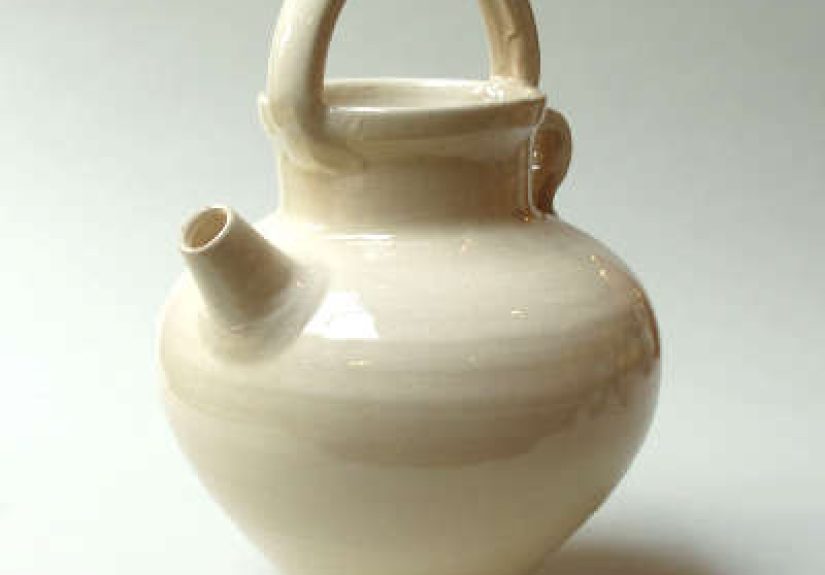
A Poterie Ravel French water jug is a handcrafted ceramic pitcher associated with the Ravel pottery tradition in Aubagne, Provence. Poterie Ravel is known for handmade pottery and tableware shaped in southern France, and its pitchers are especially appealing because they combine utility with decorative charm. These are not forgettable, mass-produced pitchers that live a quiet life behind cabinet doors. They are the sort of pieces that earn permanent counter space.
The design language is unmistakably Provençal. Think rounded bodies, generous handles, soft curves, earthy clay, and glazes that range from creamy whites and honey tones to bolder shades like green, red, orange, and blue. Some versions feature partially exposed clay, which adds even more rustic character. That contrast between glazed surface and raw material is part of the charm. It says, “Yes, I am elegant, but I also know how to survive a family lunch.”
In American design coverage, the Poterie Ravel French water jug has often been framed as both a functional tabletop piece and a decorative accent. That dual identity matters. It means the jug is not trapped in a single role. It can pour water at dinner, hold flowers on a sideboard, or stand alone on open shelving as a statement piece. Good design loves versatility, and this jug has it in spades.
Why It Feels So Distinctly French
French country style is one of those decorating ideas that gets copied often and understood only sometimes. The real thing is not about stuffing a room with roosters, fake lavender bundles, and signs that announce the kitchen is for dancing. True French country style blends rustic materials, time-softened finishes, and understated elegance. A Poterie Ravel jug fits that look because it feels lived-in, useful, and beautiful without trying too hard.
That balance is what gives the jug its staying power. It has the warmth of handmade pottery, but it also has enough grace to feel elevated. The silhouette is simple, yet never dull. The glaze can be glossy and vivid, yet the form remains grounded. In a home filled with sleek appliances, hard surfaces, and screens that never stop blinking, a handmade French ceramic jug adds something quieter and more human. It is design with fingerprints, literally and figuratively.
There is also a regional story here. Provence has long been associated with relaxed entertaining, open-air meals, garden tables, and practical pottery used in everyday life. A jug like this carries that atmosphere with it. Even when sitting in a city apartment thousands of miles from southern France, it suggests a slower pace and a more intentional style of living. That is a lot of emotional heavy lifting for one pitcher, but somehow it pulls it off.
Design Details That Make Collectors Pay Attention
The Shape
The first thing most people notice is the silhouette. A Poterie Ravel French water jug tends to have a rounded, generous body and a comfortable handle that makes it feel substantial in the hand. It is sculptural without becoming fussy. The proportions are often what separate a memorable pitcher from a merely useful one. This one has presence. It looks good empty, which is always a dangerous sign for a decorative object because it means you may start rearranging your whole shelf around it.
The Glaze
Color plays a huge role in the appeal. Traditional-looking glazes such as cream, mustard, green, and earthy orange feel at home in rustic interiors, while brighter tones add a more playful Mediterranean edge. The glaze is part of the mood. A creamy white version reads soft and timeless. A mustard or honey version feels sun-drenched and warm. A cobalt or green version adds a bolder accent. The beauty is that even colorful versions still feel artisanal rather than flashy.
The Handmade Character
Collectors love the small irregularities that come with handmade pottery: subtle variations in glaze, faint asymmetry, tiny changes in thickness, and a general sense that a person made it rather than a machine stamping out its identical cousins by the thousand. Those nuances are not flaws. They are the whole point. A handmade French water jug should have soul. If it looks too perfect, that can actually make it less interesting.
The Rustic-and-Refined Mix
Perhaps the best design trick this jug pulls off is blending rustic texture with refined shape. That combination is catnip for decorators. It means the jug can work in a farmhouse kitchen, a traditional dining room, a quiet luxury living room, or an eclectic apartment with vintage finds and modern lighting. Few objects are this adaptable without becoming generic. This one manages it because it knows exactly what it is.
How to Style a Poterie Ravel French Water Jug at Home
If you are lucky enough to own one, the good news is that it does not require a dramatic stage entrance. A Poterie Ravel French water jug can be styled simply and still look fantastic.
Use It as a Table Pitcher
Its most obvious role is still a great one: serving water, iced tea, lemonade, or wine-friendly nonalcoholic drinks at the table. A ceramic pitcher brings warmth to a tablescape that glass sometimes cannot. It softens the setting and makes everyday meals feel slightly more intentional. Suddenly Tuesday dinner starts giving “charming lunch on holiday” energy, even if the menu is pasta and whatever was left in the fridge.
Turn It Into a Flower Vessel
Pitchers and flowers are one of decorating’s safest bets. Fresh-cut garden roses, wild branches, ranunculus, tulips, olive stems, or even a casual bunch of grocery-store greenery all look better in a ceramic jug with personality. Because the shape is a little more relaxed than a formal vase, arrangements tend to feel easier and more natural. That is ideal if your floral arranging style is less “museum masterpiece” and more “I did my best and honestly it worked.”
Let It Anchor Open Shelving
On a shelf, a French water jug adds height, texture, and color. It pairs beautifully with stacked plates, wooden cutting boards, antique books, brass candlesticks, and woven baskets. If your shelving looks too flat or too predictable, a handmade ceramic piece helps break that up. It gives the eye somewhere to land.
Create a Seasonal Centerpiece
In spring, fill it with loose branches or pale blooms. In summer, try herbs or bright cut flowers. In fall, it works with dried grasses and deeper tones. In winter, it looks handsome holding bare branches or standing alone beside candles. A good jug is not seasonal in itself, but it adapts beautifully to every season.
Shopping Tips: What to Look for in a Vintage or Secondhand Piece
Not every French-style jug is a Poterie Ravel piece, and not every old ceramic pitcher is automatically worth swooning over. When shopping secondhand, slow down and inspect the details.
Check the Mark or Stamp
Look at the underside for a maker’s mark, stamp, or painted signature. Older marks can vary, so do not panic if it does not match a current stamp exactly. Pottery makers evolve over time, and vintage pieces often show earlier marks or slight production differences. Still, any identifying detail helps build confidence in authenticity.
Study the Glaze and Surface
Surface wear can be charming, but major problems are another story. Fine crazing may be acceptable in decorative pieces, especially older ones, but large cracks, unstable chips, or repairs can affect both value and usability. If you want the jug for flowers or display, a little age can add character. If you want to serve drinks from it, condition matters much more.
Pay Attention to Size
French water jugs can look deceptively large or small in photos. Check dimensions carefully. Some are wonderfully oversized and dramatic, while others are more modest tabletop pieces. A large statement jug is fabulous on a harvest table or console. A smaller one may be better for shelving or a breakfast nook.
Know That Prices Can Be All Over the Map
Vintage French ceramic jugs show up across antiques marketplaces and auction sites at very different price points depending on age, condition, provenance, glaze, and seller positioning. In plain English, one seller’s “rare museum-worthy treasure” may be another seller’s “nice old pitcher with a chip.” Keep your standards sharp and your romantic impulses slightly supervised.
Care and Safety: Before You Pour Anything Into It
This is where romance needs a practical sidekick. If you are buying a vintage ceramic jug, do not automatically assume it is food-safe just because it once held water. Some traditional pottery can leach lead or other substances, especially if the glaze is damaged or the piece was not made to modern standards. If a jug’s food-safety status is unknown, the safest move is to use it decoratively.
That does not mean you cannot enjoy it. A vintage Poterie Ravel-style jug makes a beautiful flower vessel, shelf object, or centerpiece even if you decide not to pour drinks from it. If you buy directly from a current maker or retailer, follow the care information provided for that specific piece. For unmarked or antique pottery, caution is smart, not fussy.
Also remember that dishwasher-safe and microwave-safe are not interchangeable ideas. Handwashing is often the kinder choice for artisan ceramics anyway, especially if you want to preserve glaze quality and avoid accidental chipping. Sudden temperature changes can be rough on pottery, so treat a cherished ceramic jug like you would a good wool coat: gently, respectfully, and never with boiling chaos.
Why the Poterie Ravel French Water Jug Still Works in 2026
Home trends come and go, but handmade objects with function tend to outlast the hype cycle. That is why the Poterie Ravel French water jug still feels relevant. It checks several boxes at once: artisanal, useful, decorative, timeless, and a little transportive. It gives a room story without clutter. It adds color without shouting. It feels collected rather than purchased in a panic during a trend spiral.
There is also a larger reason people continue gravitating toward pieces like this. More homeowners and renters want interiors that feel personal, layered, and human. Perfectly matched sets and showroom stiffness are losing ground to homes that mix old and new, polished and rustic, practical and sentimental. A French ceramic water jug slides right into that approach. It does not need a full French-country makeover around it. Even in a modern kitchen, it can be the warm, handmade note that keeps the space from feeling too cold.
Final Thoughts
The Poterie Ravel French water jug is the kind of object that earns affection slowly, then all at once. At first, it is just a lovely ceramic pitcher. Then you notice how well it works with flowers, how much depth it adds to a shelf, how often guests comment on it, and how strangely satisfying it is to pour water from something that looks like it came with a passport and excellent taste. Before long, it is not just a vessel. It is part of the mood of the room.
If you love handmade pottery, French country style, vintage collecting, or simply objects that are both useful and beautiful, this jug deserves your attention. It carries Provençal warmth, artisanal craftsmanship, and everyday elegance in one sturdy package. Not bad for a water jug. Frankly, most of us are not accomplishing nearly as much.
Experience: Living With a Poterie Ravel French Water Jug
Living with a Poterie Ravel French water jug is a little different from owning ordinary serveware. Most pitchers are functional background actors. They show up, do their job, and disappear into a cabinet without so much as a curtain call. This one tends to linger on stage. It starts on the counter because you meant to put it away later, and then a week passes and you realize it has quietly improved the room.
In the morning, it can feel almost ceremonial. Light hits the glaze differently depending on the hour, which sounds overly poetic until you actually notice it and think, well, that is annoyingly true. A cream or honey-colored jug catches soft daylight in a way that makes even a rushed breakfast feel calmer. Fill it with water and lemon slices, and suddenly the kitchen looks intentional. Leave it empty beside a cutting board and a bowl of fruit, and it still works. That is the beauty of handmade pottery: it earns its keep even while doing absolutely nothing.
At lunch or dinner, the experience becomes more social. Guests tend to reach for a ceramic jug differently than they reach for a glass pitcher. It feels more tactile, more grounded, more like something chosen rather than grabbed. People ask where it came from. They pick it up, turn it over, inspect the glaze, and say some version of, “This is beautiful,” which is always satisfying because you get to act casual about a piece you are secretly very proud of. It is one of those objects that invites conversation without looking like it is trying to.
There is also something deeply enjoyable about using a vessel that does not separate utility from beauty. When a Poterie Ravel-style jug holds flowers, it does not feel like a compromise because you lacked a proper vase. It feels like the perfect call. Garden stems look looser and more relaxed in it. Grocery-store blooms seem upgraded. Even a few clipped branches can look artful, as if you suddenly became the sort of person who says “foraged” with a straight face.
Over time, the jug becomes part of the rhythms of home. It migrates from dining table to shelf, from flowers to water service, from summer centerpiece to winter still life beside candles. You begin styling other objects around it because it has that much presence. And unlike trendy décor that burns bright and then embarrasses you six months later, a good French ceramic jug ages well. It does not demand novelty. It just keeps showing up beautifully.
That is probably the best way to describe the experience: steady pleasure. Not flashy excitement. Not “look at my expensive collectible” energy. Just the repeated satisfaction of owning something well made, well shaped, and genuinely useful. In a home filled with disposable stuff, that feels pretty special. A Poterie Ravel French water jug does not change your life, obviously. But it may improve your table, your shelf, your flowers, your hosting game, and your daily mood in small, strangely convincing ways. For a humble jug, that is an impressive résumé.