Table of Contents >> Show >> Hide
- What Exactly Is a “Toilet Roll Dowel” (And Why Should You Care)?
- The European Bath Storage Mindset: Clear Surfaces, Vertical Thinking
- Dowel-Based Storage Setups That Actually Work (Without Making Your Bathroom Look Like a Warehouse)
- Materials Matter: Wood Dowels, Metal Rods, and Bathroom Reality
- Tile-Safe Installation: No Cracked Tile, No Regrets
- European-Style Storage Upgrades for American Bathrooms (That Don’t Require a Full Renovation)
- Common Storage Mistakes (AKA How Bathrooms Become Junk Drawers With Plumbing)
- Conclusion: Small Hardware, Big Storage Energy
- Extra: of Real-World Experiences With Toilet Roll Dowels in European-Style Bathrooms
If you’ve ever stepped into a European bathroom and thought, “Wow, this place is somehow tiny, gorgeous, and suspiciously free of clutter,” you’re not imagining things. European baths (especially in older city apartments) tend to treat storage like a competitive sport: minimal footprint, maximum calm.
And right therequietly doing its job like an underpaid stagehandis a surprisingly influential character: the toilet roll dowel. Sometimes it’s a simple wooden rod. Sometimes it’s a sleek metal bar. Sometimes it’s a vertical peg holding spare rolls like little paper top hats. Either way, dowel-style toilet paper hardware is a tiny detail that can unlock a bigger, smarter storage strategyone that works beautifully in American bathrooms, too.
What Exactly Is a “Toilet Roll Dowel” (And Why Should You Care)?
In plain English, a toilet roll dowel is the rod (often wood or metal) that the toilet paper roll slides onto. The word “dowel” hints at the simple, cylindrical shapelike a small wooden peg you’d see in furniture building. In European-style bath design, that simplicity is the whole point: fewer moving parts, cleaner lines, and a more “architectural” look.
The dowel concept shows up in a few common forms:
- Classic horizontal dowel holder: a rod mounted between brackets (minimal, tidy, easy to wipe clean).
- Shelf + dowel combo: a slim ledge above the roll for a phone, a candle, or that one plant you’re trying not to kill.
- Vertical reserve dowel: a standing “peg” that stores extra rolls upright, like a polite queue.
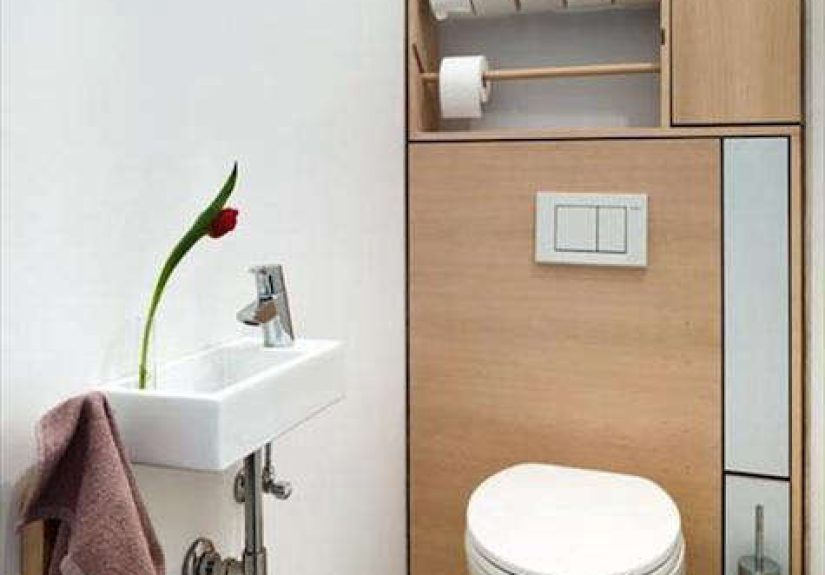
- Recessed niche + dowel: the roll lives in a wall cavity for a flush finish (very Euro, very “I hired someone with a laser level”).
Why care? Because the holder isn’t just a holder. It’s often the anchor point of the whole bathroom organization plan: what stays within reach, what disappears, and what becomes decor instead of clutter.
The European Bath Storage Mindset: Clear Surfaces, Vertical Thinking
European baths often lean into a few design habits that naturally support better storage:
- Wall-mounted elements (floating vanities, wall-hung toilets) to free up floor space and make cleaning easier.
- Wet-room logic: treat the space as water-friendly, then keep the “stuff” protected, sealed, or elevated.
- Compact layouts: when the room is small, storage has to be intentionalor chaos wins.
The result is a bathroom that feels calmer because it’s not fighting you. The dowel fits right into that philosophy: simple hardware, close to the wall, visually light, and easy to pair with shelves, cabinets, or niches.
Dowel-Based Storage Setups That Actually Work (Without Making Your Bathroom Look Like a Warehouse)
1) The “Minimalist Shelf + Dowel” Combo
One of the smartest European bathroom storage moves is stacking functions in the same footprint. A holder with a tiny shelf can replace multiple habits at once: no more balancing your phone on the tank lid, no more hunting for a spare roll, no more mysterious clutter migrating to every flat surface.
Keep it simple: the shelf is for one or two items, not your entire skincare origin story. A small tray or shallow container helps prevent the “gravity test” when someone bumps the shelf with an elbow.
2) Vertical Reserve Rolls on a Dowel Peg
If your bathroom has approximately the same square footage as a postage stamp, storing extra rolls becomes a puzzle. A vertical reserve dowel (freestanding or wall-mounted) stores rolls upright in a tight footprintgreat for corners, beside a vanity, or near the toilet where it’s actually useful.
Bonus: it’s one of the few storage solutions where toilet paper can look intentionally styled instead of “we panicked at Costco.”
3) Over-the-Toilet Storage, But Make It Look European
Over-the-toilet shelving is popular for a reason: it uses vertical space that would otherwise sit there doing nothing. The European twist is restraint. Choose slimmer profiles, lighter-looking materials, and closed storage up top if you want the room to feel less busy.
A good rule: if the unit looks like it could hold a microwave, it’s not the vibe. Aim for airy shelves, a narrow cabinet, or a single ledge with baskets.
4) Baskets, Boxes, and the “Make It Look Like Decor” Trick
A woven basket on the back of the toilet or under a floating shelf can instantly turn spare rolls into something that reads as “spa-like” instead of “emergency bunker.” This is especially effective in rentals because it’s zero-drill, zero-drama.
Materials Matter: Wood Dowels, Metal Rods, and Bathroom Reality
Let’s be honest: bathrooms are basically humidity gyms. If your storage hardware can’t handle moisture, it will eventually start looking like it lost a fight with a dishwasher.
Wood Dowels: Warm, Minimal, and Surprisingly Practical (If Finished Correctly)
A wooden dowel toilet paper holder brings warmthperfect for Scandinavian-inspired or modern European looks. The key is a sealed finish (think polyurethane, hardwax oil, or a moisture-resistant varnish). Unfinished wood in a steamy bathroom can warp, stain, or absorb moisture over time.
Metal: Sleek, Durable, and Easy to Clean
Stainless steel and powder-coated metal are popular because they’re low-maintenance and wipe down easily. Matte black and brushed finishes hide fingerprints better than shiny chrome, which will show every smudge like it’s auditioning for a crime show.
Mixed Materials: European Cool Without the Cold
Wood + metal is a classic European pairing: modern structure with a warm touch. It’s also forgiving visuallymeaning it plays well with many tile styles, from subway tile to stone-look porcelain.
Tile-Safe Installation: No Cracked Tile, No Regrets
If your European-bath dream includes mounting a dowel holder on tile, you can do itcarefully. The biggest mistakes are rushing, using the wrong drill bit, or going full beast mode with the hammer setting.
Practical Tips Before You Drill
- Choose the right height and reach: functional placement beats “symmetry with the towel bar” every time.
- Avoid tile edges: drilling too close to an edge increases cracking risk.
- Use painter’s tape: it helps keep the drill bit from skating across the tile.
- Go slow with a tile-rated bit: carbide or diamond-tipped bits are your friends.
- Use anchors rated for the job: toilet paper holders seem light, but daily tugging adds up.
If drilling feels like a “today I choose chaos” situation, there are also adhesive-mounted holders. Just be picky: use products designed for humid environments, follow cure times, and avoid textured tile where adhesives struggle.
European-Style Storage Upgrades for American Bathrooms (That Don’t Require a Full Renovation)
Add One Wall Cabinet (Even If You Think You Don’t Have Space)
A slim wall cabinetover the toilet, behind the door swing, or beside the vanitycan swallow clutter while keeping the room looking clean. European bathrooms often rely on tall, shallow storage that uses height instead of floor area.
Floating Shelves Done Right
Floating shelves are the cheat code of small bathroom storage: they add function without eating floor space. Use them for towels, small bins, and a couple of “nice” items (a candle, a plant, or a fancy soap that makes you feel like you have your life together).
Use a Slim Rolling Organizer for the Awkward Gap
Many bathrooms have that weird narrow space where nothing fitsuntil you add a slim organizer. A compact rolling unit can hold spare toilet paper, cleaning supplies, and toiletries, then scoot away when you need to mop or pretend you mop.
Think Like a Wet Room (Even If You Don’t Have One)
Wet rooms are trending because they simplify movement and often feel more open. You can borrow the logic without re-tiling everything: keep moisture-sensitive items enclosed, pick finishes that tolerate steam, and avoid storing paper products in splash zones.
Common Storage Mistakes (AKA How Bathrooms Become Junk Drawers With Plumbing)
- Storing spare rolls on the floor: it looks messy and invites moisture issues.
- Overloading open shelves: if everything is visible, your bathroom will always look “busy.”
- Ignoring the back of the door: hooks, slim racks, or mounted holders can add storage with no footprint.
- Choosing pretty-but-fragile materials: bathrooms are tough environmentspick finishes that survive real life.
- Placing the holder too far away: “design-forward” doesn’t mean “arm workout.”
Conclusion: Small Hardware, Big Storage Energy
The humble toilet roll dowel is a tiny piece of hardware that can influence how your entire bathroom functions. In a European bath, it’s often part of a bigger strategy: clear surfaces, vertical storage, materials that handle moisture, and layouts that feel calmer than their square footage should allow.
Whether you’re installing a wooden dowel toilet paper holder for that Scandinavian warmth, adding a reserve-roll dowel peg for smarter storage, or pairing a shelf + dowel combo to reduce countertop chaos, the goal is the same: make storage feel intentional. Because nobody has ever said, “Wow, your bathroom clutter really brings the room together.”
Extra: of Real-World Experiences With Toilet Roll Dowels in European-Style Bathrooms
Talk to enough renters, renovators, and serial organizers and you’ll notice a pattern: toilet paper is never the only problem. It’s just the most obvious one because it’s bulky, it’s white (so it visually shouts), and it’s always in the wrong place at the worst time. The dowel solution works best when it’s treated like a “system starter,” not a random hardware swap.
For example, in small powder rooms, people often install a gorgeous dowel holder and then realize there’s nowhere for spare rolls. That’s when the “European bath” logic kicks in: add a vertical reserve dowel stand, tuck a lidded basket under a floating vanity, or mount a slim shelf above the toilet. The biggest win is psychologicalonce the spare rolls have a home, the rest of the bathroom stops collecting “temporary” piles that become permanent.
In rentals, the most common story goes like this: you want the dowel holder, but the wall is tile, your lease is strict, and your drill confidence is… spiritual. The workaround is usually a freestanding reserve dowel plus a good-looking basket. It’s not as seamless as recessed storage, but it scratches the same itch: the bathroom looks styled, and the rolls are accessible. People are often shocked by how much calmer the room feels when toilet paper isn’t sitting on the tank like a paper skyscraper.
In family bathrooms, the dowel holder can become a durability test. Kids are enthusiastic. Guests are confused by anything “minimal.” The best experiences come from choosing sturdy brackets and using proper anchorsbecause a holder that wiggles will eventually become a holder that leaves. A shelf + dowel unit is especially helpful here: it creates a predictable “zone” for essentials, so fewer items migrate to the counter. One practical trick is placing a small tray on the shelf to keep things from sliding off when someone grabs the roll like they’re starting a lawn mower.
In European-inspired remodels, the dowel holder often pairs beautifully with a floating vanity and wall-mounted accessories. People love the look, but the learning curve is moisture management: wood needs a real finish, not wishful thinking, and paper goods shouldn’t live in splash territory. The happiest setups keep spare rolls slightly protectedinside a cabinet, in a lidded bin, or at least away from the shower’s direct line of fire.
The funniest “lesson learned” is also the simplest: storage doesn’t have to be big to be effective. A single dowel, placed well, can reduce clutter, make cleaning easier, and quietly upgrade the whole bathroom experience. It’s a small change with very big “why didn’t I do this sooner” energy.