Table of Contents >> Show >> Hide
- Why Amazon Shoppers Are Looking Beyond Hoka
- The Sneaker Getting the Buzz: Bronax Wide Toe Box Shoes
- What Makes a Sneaker Feel Better Than a Hoka for Some People?
- How These Amazon Sneakers Compare With Hokas
- Features to Look for Before You Buy
- Who Should Consider Amazon’s Hoka Alternatives?
- Are They Really Better Than Hokas?
- Final Thoughts
- Real-World Experiences With These Comfy Amazon Sneakers
Finding the perfect sneaker can feel a lot like dating in your thirties: expensive, confusing, and somehow still full of false promises. One pair looks great but pinches your toes. Another feels supportive but weighs about as much as a microwave. Then there are Hokas, the beloved max-cushion darlings that many walkers, runners, nurses, and travelers swear by. But while Hoka has earned its spot in the comfort hall of fame, it is not the only player in the game anymore.
Lately, a different kind of sneaker story has been popping up across shopping and lifestyle coverage: Amazon shoppers are increasingly praising affordable, wide toe box sneakers as worthy alternatives to pricier Hoka styles. In particular, Bronax wide toe box sneakers have attracted attention from deal editors and reviewers who say they offer roomy comfort, soft cushioning, and everyday versatility without the premium price tag. That does not mean these budget-friendly shoes beat every Hoka for every foot. It does mean they are winning over shoppers who care less about brand prestige and more about whether they can survive a full day without muttering at their shoes.
This article breaks down why some Amazon sneakers are being preferred over Hokas by certain shoppers, what features matter most in a comfortable walking shoe, and whether these lower-cost options are actually worth adding to cart. Spoiler: the answer depends on your feet, your routine, and how strongly you feel about having room for your toes to live their best lives.
Why Amazon Shoppers Are Looking Beyond Hoka
Hoka built its reputation on plush midsoles, rocker-shaped soles, and a distinctly cushioned ride. Popular models like the Clifton and Bondi are known for delivering soft impact protection and an easy rolling feel that many people love for walking, running, and standing all day. They are especially common among healthcare workers, travelers, and anyone whose feet are on a first-name basis with concrete.
So why would anyone wander away from that cushioned kingdom? Price is the first obvious reason. Premium Hoka shoes often land well above the hundred-dollar mark, while Amazon alternatives such as Bronax, Nortiv 8, Zove, and other comfort-focused sneakers can cost a fraction of that. For shoppers who need a casual walking shoe, travel sneaker, or daily errand companion rather than a specialized performance trainer, the savings can be hard to ignore.
The second reason is fit. Not everyone loves a highly cushioned shoe with a standard forefoot shape. Some people want a roomier toe box, more flexibility through the front of the shoe, or simply less bulk. Wide feet, bunions, hammertoes, high arches, and long workdays can all change what “comfortable” actually means. For these shoppers, a more generous forefoot can feel better than an ultra-cushioned but narrower design.
That is where the current wave of Amazon favorites has found its lane. Instead of trying to out-Hoka Hoka on premium tech, these shoes often focus on a simpler promise: enough cushioning, a roomy fit, and a price low enough that buying two pairs does not require emotional support.
The Sneaker Getting the Buzz: Bronax Wide Toe Box Shoes
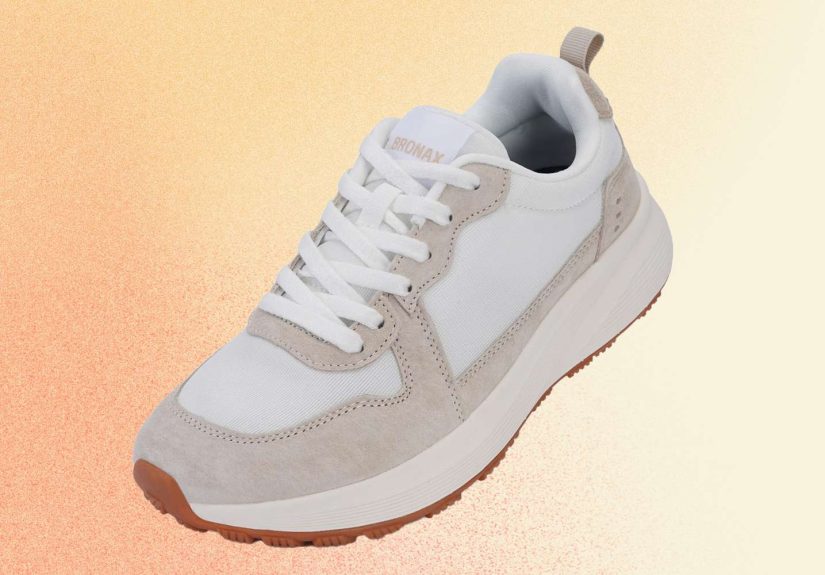
Among the Amazon options getting repeated attention, Bronax wide toe box sneakers have become one of the most discussed. Shopping coverage has highlighted them as a budget-friendly alternative for people who want comfort, casual style, and more room through the forefoot. Reviewers frequently point to the wide toe box, cushioned midsole, breathable upper, and versatile design as the reasons they keep reaching for them.
That combination matters more than it might sound. A wide toe box is not just a trendy phrase thrown around by shoe nerds and people who alphabetize their insoles. It can make a meaningful difference for walkers who deal with pressure around the toes, swelling throughout the day, or discomfort from tighter sneaker silhouettes. When the front of the shoe allows the toes to spread more naturally, the ride can feel less restrictive and more stable during long stretches of walking or standing.
Bronax also seems to hit a sweet spot visually. Some ultra-supportive shoes look like they were designed by a committee of orthopedic clouds. These, by contrast, fit into the current casual sneaker look more easily, which matters to shoppers who want something they can wear with leggings, jeans, airport outfits, or relaxed office clothes without feeling like they borrowed their footwear from a marathon training camp.
What Makes a Sneaker Feel Better Than a Hoka for Some People?
1. A roomier toe box
Fit experts consistently recommend a shoe that is snug through the heel and midfoot but not tight in the toe box. Walkers need room for their toes to splay, especially over long distances or full days on their feet. That is why wide toe box sneakers resonate so strongly with shoppers who find some mainstream athletic shoes too narrow or too compressive in the front.
2. Cushioning without the marshmallow wobble
Many people love maximum cushioning, but more foam is not automatically better for everyone. Some walkers want shock absorption without feeling disconnected from the ground. A moderately cushioned Amazon sneaker can feel more practical for daily wear than an aggressively stacked running shoe, especially for casual walking, errands, or travel days that involve more standing than sprinting.
3. Better value for everyday use
If you are training for races, premium engineering may be worth every penny. If you mainly need something for work, city walking, vacations, or chasing children who move like caffeinated squirrels, value becomes a bigger deal. An affordable sneaker that feels comfortable out of the box can win purely by being “good enough” at a dramatically lower price.
4. Style that blends into real life
Hoka’s signature chunky look has plenty of fans, but it is not universally adored. Some Amazon alternatives look a little cleaner, a little lower-profile, and easier to pair with everyday outfits. That matters for people who want supportive footwear without looking like they are about to warm up for a 10K between coffee runs.
How These Amazon Sneakers Compare With Hokas
Let’s be fair to Hoka for a second. The brand still sets a high bar for cushioning, comfort underfoot, and purpose-built walking and running performance. Models like the Bondi are known for plush impact protection, while the Clifton remains a favorite for a lighter, softer ride. If you want a well-established performance shoe with strong brand trust, Hoka remains a smart choice.
But Amazon’s comfort sneaker stars are winning shoppers in a different category. They are less about elite running pedigree and more about practical all-day wear. In many cases, shoppers comparing Bronax or similar sneakers to Hoka are not saying the shoes are identical in engineering. They are saying something more relatable: these cheaper shoes feel comfortable enough that they no longer miss their Hokas.
That is a huge difference. “Better than Hoka” in shopper language often means one of three things: the shoe fits my foot better, the price feels more reasonable, or I can wear it longer without irritation. And honestly, those are valid reasons to switch. Comfort is personal. Your feet do not care about brand hierarchy. They care about whether they are being squeezed like overpacked carry-ons.
Features to Look for Before You Buy
Toe room
Make sure there is enough space in the forefoot and about a finger’s width between your longest toe and the end of the shoe. If your feet swell during the day, shop later in the afternoon or try on at night when sizing tends to be more realistic.
Midfoot and heel security
A roomy toe box should not mean sloppy overall fit. The heel and midfoot should feel secure enough to prevent sliding, rubbing, or instability.
Support that matches your needs
Some people need neutral cushioning. Others want more structured support, room for orthotics, or arch-friendly designs. If you have persistent pain, foot conditions, or a history of injury, a foot specialist’s advice matters more than a viral review headline.
Outsole grip
For all-day wear, errands, and travel, traction matters. A rubber outsole can make a sneaker feel more dependable on mixed surfaces, from grocery store tile to city sidewalks.
Upper materials
Mesh and suede blends are common in Amazon comfort sneakers because they offer breathability and casual appeal. Breathable uppers can help with heat buildup on long walking days, especially in warmer weather.
Who Should Consider Amazon’s Hoka Alternatives?
These sneakers make the most sense for shoppers who want comfortable everyday shoes without the premium price of performance models. They are especially appealing for:
- People with wide feet or toe crowding
- Travelers who walk a lot but want casual styling
- Teachers, retail workers, and others who stand for hours
- Budget-conscious shoppers who still want cushioning
- Anyone curious about wide toe box shoes without spending a fortune
They may be less ideal for runners who need advanced stability features, high-mileage durability, or a very specific ride profile. In those cases, Hoka, Brooks, Asics, New Balance, Saucony, and similar brands still have an edge in performance-driven categories.
Are They Really Better Than Hokas?
The honest answer is no, not universally. But for some shoppers, absolutely yes. That is the strange beauty of footwear. The “best” sneaker is rarely the one with the biggest marketing budget or the thickest sole. It is the one that fits your foot, supports your routine, and does not make you regret every staircase.
Amazon’s comfy sneakers are preferred over Hokas by certain shoppers because they solve real problems: tight toe boxes, steep prices, overly bulky silhouettes, and the simple frustration of paying top dollar for a shoe that still does not feel quite right. Bronax and similar options are not replacing Hoka across the board, but they are carving out a strong alternative lane for people who want comfort, room, and value.
In other words, this is less of a hostile takeover and more of a sneaker democracy. Hokas still have plenty of supporters. But Amazon’s wide toe box comfort crowd has entered the chat, and their feet seem pretty pleased about it.
Final Thoughts
If you have been eyeing Hoka but cannot justify the price, or if your forefoot has staged a formal protest against narrow sneakers, Amazon’s comfort-focused alternatives are worth a look. The Bronax wide toe box model, in particular, stands out because it combines cushioning, everyday styling, and a more spacious fit at a far lower cost than many premium athletic shoes.
That said, shop smart. Read sizing notes carefully, consider your foot shape, and think about how you actually use your sneakers. A shoe for long walks, all-day standing, and airport sprints to Gate B27 may not be the same shoe you want for running intervals or serious training. The good news is that comfortable sneakers no longer have to come with elite-level price tags. Your feet can be happy without your wallet filing a complaint.
Real-World Experiences With These Comfy Amazon Sneakers
What makes this topic especially interesting is how often the conversation comes back to ordinary, non-glamorous, extremely real-life use. Not treadmill labs. Not influencer unboxings filmed beside an oat milk latte. Just regular people saying, “I wore these all day, and my feet didn’t hate me.” That is sneaker poetry in its purest form.
For teachers, the appeal is obvious. A school day means long hours on hard floors, constant movement, and precious little time to sit down. Many shoppers mention that wide toe box sneakers feel forgiving by midday, when feet start to swell and patience starts to evaporate. A roomy forefoot can reduce that trapped, compressed feeling that makes you want to kick your shoes off under the desk during lunch duty.
Travelers tell a similar story. Airport days are basically obstacle courses with overpriced snacks. You are standing in security lines, speed-walking through terminals, climbing stairs, dragging luggage, and pretending your gate change has not emotionally affected you. In that setting, a soft but stable sneaker with enough toe room becomes less of a fashion choice and more of a survival tool. The reason some people prefer affordable Amazon sneakers over Hokas in this scenario is simple: they want comfort, but they also want something that looks versatile with the rest of a travel wardrobe.
Then there are people with foot quirks, which is all of us eventually if we keep aging like humans. Bunions, high arches, occasional swelling, sensitivity across the ball of the foot, and just plain wide feet all change what feels good. For these shoppers, the experience is often less about brand loyalty and more about relief. When a shoe lets your toes spread, accommodates inserts, and stays comfortable through errands, work, and evening walks, that can feel like a genuine upgrade even if it costs dramatically less.
Another common experience is the “backup pair that became the favorite pair” phenomenon. Someone buys an Amazon sneaker as a cheaper secondary option, expecting it to handle casual wear while the premium shoes stay reserved for serious use. A few weeks later, the budget pair has quietly taken over daily duty because it is easier to style, easier to replace, and comfortable enough for most situations. That kind of accidental loyalty happens when expectations are low and the shoe pleasantly overdelivers.
Of course, not every shopper will abandon Hoka forever. Some still prefer the ultra-cushioned feel, the rocker sole geometry, or the performance-specific design of those premium models. But the real-world stories behind Amazon’s comfort sneaker surge make one thing clear: people are becoming more selective about what they pay for. They are not automatically assuming that the most expensive shoe is the most wearable. They want comfort that fits their own feet, their own schedules, and their own budgets. Frankly, that is not just smart shopping. That is character development.