Table of Contents >> Show >> Hide
- Why These AI Image Conjoining Experiments Are So Funny
- The Tool Is New, But the Joke Structure Is Classic
- 24 Visual Mashup Ideas That Capture Why This Format Works So Well
- 1. Croissant Cat
- 2. Lobster Tractor
- 3. Flamingo Violin
- 4. Shark Sneaker
- 5. Teapot Owl
- 6. Bulldozer Turtle
- 7. Pineapple Hedgehog
- 8. Sofa Pug
- 9. Banana Dolphin
- 10. Toaster Crab
- 11. Peacock Umbrella
- 12. Rhino Backpack
- 13. Candle Penguin
- 14. Goat Vacuum
- 15. Watermelon Frog
- 16. Espresso Bee
- 17. Suitcase Pelican
- 18. Chandelier Jellyfish
- 19. Cactus Hamster
- 20. Helicopter Beetle
- 21. Donut Snail
- 22. Saxophone Giraffe
- 23. Fridge Panda
- 24. Motorcycle Rooster
- Why the Internet Keeps Falling for Absurd AI Hybrids
- There Is Craft Behind the Chaos
- The Not-So-Funny Side of the AI Image Boom
- What It Feels Like to Actually Scroll Through These AI Mashups
- Final Thoughts
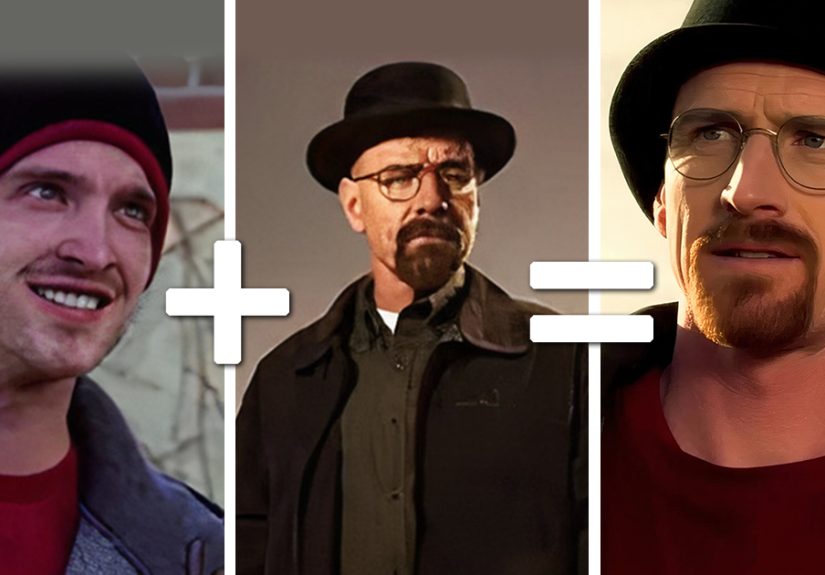
There are two kinds of funny on the internet. The first kind makes you smile politely, maybe exhale through your nose, and then move on with your life. The second kind hits you like a folding chair thrown by a clown in a dream. That is the energy behind this creator’s ongoing AI image conjoining experiments. These pictures do not simply mash two things together. They collide categories, bully common sense, and somehow land in that sweet spot between “Who made this?” and “Why am I still laughing five minutes later?”
That is exactly why this series works. The creator is not treating AI like a button that spits out random nonsense. He is using it like a comedy lab. The joke is not just that a cat now also appears to be a croissant, or a truck has somehow become a crab with workplace stress. The joke is that the image looks just convincing enough to make your brain attempt a serious explanation before giving up and filing a complaint with reality. In a crowded internet full of polished, overdesigned, algorithm-approved sameness, that kind of visual chaos feels weirdly refreshing.
And yes, there is a reason these conjoined images feel so addictive. AI image tools have become frighteningly good at blending references, remixing visual cues, and delivering an “almost plausible” result in seconds. That means creators who understand contrast, timing, and visual surprise can produce images that feel like surreal one-liners. The technology may be doing the stitching, but the humor still comes from a human knowing exactly which two ideas should never, ever be introduced at a dinner party.
Why These AI Image Conjoining Experiments Are So Funny
The humor starts with contradiction. Comedy loves tension, and visual comedy especially loves impossible combinations. A duck with the posture of a businessman. A chair that looks emotionally unavailable. A tomato crossed with a goldfish that somehow seems disappointed in you. These mashups work because they take two familiar objects and force them into a single image that breaks the rules without breaking readability.
That is important. If an AI-generated picture is too messy, it is not funny. It is just digital soup. If it is too clean, it becomes a design exercise instead of a joke. The best conjoined images live in the middle. They are readable at a glance, but the longer you stare, the worse things get for your sense of order. A wing is where a handle should be. Fur is growing in a place that should absolutely be stainless steel. The proportions are mostly right, which somehow makes the whole thing much more wrong.
This creator clearly understands that balance. The funniest results are not merely bizarre. They are specific. They feel built around a visual punchline. That is what separates strong AI humor from generic “look, the bot made a weird thing” content. Intent matters. The strongest mashups are driven by concept first, tool second. The AI is a collaborator, not the comedian. The comedian is the person who decided the world urgently needed to see what would happen if a violin and a flamingo shared rent.
The Tool Is New, But the Joke Structure Is Classic
Even though AI image conjoining feels cutting-edge, the underlying logic is old-school comedy. It borrows from caricature, collage, visual puns, meme culture, and absurdist art all at once. People have always laughed at impossible hybrids. Long before machine-generated pictures, artists were drawing animal-human mashups, surreal objects, and monsters with suspiciously everyday problems. AI just speeds up the process and cranks the weirdness dial to “legally concerning.”
Modern tools also make experimentation easier than ever. Instead of carefully painting or compositing everything by hand, a creator can now test dozens of combinations, refine the mood, and keep nudging the output until the image lands somewhere between nightmare and masterpiece. That rapid iteration is part of the charm. A funny idea no longer has to stay trapped in a sketchbook. It can become a polished visual gag before your coffee gets cold.
That speed changes the audience experience too. Viewers are no longer amazed simply because a computer made an image. We are past that stage. The real thrill now is seeing whether a creator can use the tool with taste, timing, and enough imagination to produce something memorable. In other words, the novelty has shifted. AI alone is not the headline anymore. The idea is the headline. The execution is the headline. The taste level is the headline. And, in this case, the headline is also apparently a giraffe merged with a lamp.
24 Visual Mashup Ideas That Capture Why This Format Works So Well
One reason this “24 new pics” format is so satisfying is that every image acts like a tiny self-contained joke. You do not need a long setup. You do not need lore. You just need one cursed little masterpiece and a functioning pair of eyes. To show why the format is so effective, here are 24 original examples of the kind of visual logic this genre thrives on:
1. Croissant Cat
The body says bakery. The face says judgment. Together, they say breakfast with consequences.
2. Lobster Tractor
Perfect for farming underwater or harvesting pure confusion from your neighbors.
3. Flamingo Violin
Elegant, dramatic, and probably impossible to tune without angering several laws of physics.
4. Shark Sneaker
A shoe designed to look fast, dangerous, and slightly too excited to be near human feet.
5. Teapot Owl
Looks wise, pours terribly, and definitely judges how weak you make your tea.
6. Bulldozer Turtle
Slow, unstoppable, and somehow still more emotionally grounded than most people online.
7. Pineapple Hedgehog
Nature had one job, then got distracted by a tropical prank.
8. Sofa Pug
Already halfway real, if we are being honest about the lifestyle of pugs.
9. Banana Dolphin
Bright, cheerful, and suspiciously likely to become a children’s cartoon by accident.
10. Toaster Crab
Every breakfast now comes with claws and a minor electrical risk.
11. Peacock Umbrella
Opens beautifully. Refuses to be subtle. Deserves its own entrance music.
12. Rhino Backpack
Great storage capacity. Terrible for crowded subway rides.
13. Candle Penguin
Adorable, dignified, and one warm room away from a crisis.
14. Goat Vacuum
Finally, a cleaning appliance that screams back.
15. Watermelon Frog
Looks juicy, hops aggressively, and ruins picnics with confidence.
16. Espresso Bee
Already operating at an unacceptable energy level.
17. Suitcase Pelican
Built-in storage, airport attitude, and a beak that says carry-on only.
18. Chandelier Jellyfish
Fancy enough for a ballroom, unsettling enough for a therapy session.
19. Cactus Hamster
Soft in theory, hostile in practice.
20. Helicopter Beetle
Buzzes with the authority of a government project nobody remembers funding.
21. Donut Snail
Sweet, slow, and somehow still the most relatable creature here.
22. Saxophone Giraffe
All neck, all drama, all jazz, no restraint.
23. Fridge Panda
Excellent at staying cool and eating everything inside.
24. Motorcycle Rooster
Wakes up early, makes too much noise, and absolutely thinks sunglasses are a personality.
That is the secret formula in action. Each mashup works because it has a clear silhouette, an instantly recognizable contradiction, and a personality that appears within seconds. The best AI image humor is not random. It is character design disguised as nonsense. That is why these pictures spread so fast. They do not ask for analysis first. They hit you with a visual premise and let your brain do the rest.
Why the Internet Keeps Falling for Absurd AI Hybrids
There is also a bigger cultural reason these images thrive. Online humor has been drifting toward absurdity for years. Memes stopped trying to be tidy a long time ago. Today’s funniest internet content often works by escalating a joke until it becomes aggressively illogical. AI image conjoining fits that mood perfectly. It produces pictures that feel like they were discovered at the bottom of the internet’s junk drawer, next to a cursed sticker pack and three conspiracy theories.
But there is more going on than randomness. These images are shareable because they offer instant reaction. You can laugh, feel mildly disturbed, send one to a friend, and caption it “This is exactly how Monday feels.” They are flexible. One person sees art. Another sees meme fuel. Another sees a sleep-deprived prophet trying to communicate through generated poultry. That openness is part of the appeal.
The uncanny quality helps too. Viewers are drawn to images that almost make sense. If something is completely alien, we shrug and move on. But if it is 85 percent believable, we pause. That pause is where comedy lives. Your mind tries to process the object normally, fails, and then converts the failure into laughter. It is the visual equivalent of tripping gracefully in public and pretending you meant to do that.
There Is Craft Behind the Chaos
It would be easy to dismiss this kind of work as low-stakes internet silliness, but that would miss the point. Successful AI image mashups still require creative judgment. A creator has to know what combinations produce tension, what details should remain recognizable, and when to stop refining before the image loses its weird magic. Too much polish can flatten the joke. Too little structure and the image becomes unreadable. Funny AI art still depends on taste.
That is also why not every generated image goes viral. A thousand people can use the same tool, but only a few consistently produce pictures with personality. The memorable ones feel authored. They have rhythm. They show restraint. They understand that surprise works best when the audience can identify both ingredients of the mashup right away. The image should not feel like a puzzle with a password. It should feel like a punchline you can see.
In that sense, this creator’s continued experimentation feels smart rather than repetitive. The format is simple, but the possibilities are wide open. Every new hybrid becomes a test of visual instinct. What happens when elegance meets garbage? When machinery meets dessert? When wildlife meets office supplies? The answer, surprisingly often, is comedy.
The Not-So-Funny Side of the AI Image Boom
Of course, none of this exists in a vacuum. AI image culture is also tangled up in bigger conversations about authorship, training data, imitation, and creative labor. That tension hovers over even the funniest mashups. On one hand, viewers love the spontaneity. On the other, many artists and critics are asking serious questions about where the underlying visual knowledge comes from, what counts as transformation, and how much human input is needed before a result feels truly original.
That does not cancel the humor, but it does complicate it. The same tools that create delightful nonsense can also flood feeds with empty imitation, flatten visual culture into generic “AI slop,” and reward quantity over craft. That is exactly why creator-driven work matters more now, not less. A distinctive human idea is what keeps an AI-generated image from feeling disposable. The tool can blend textures, styles, and references. It cannot supply taste on demand. At least not yet. Give it another week and it will probably ask for a promotion.
So the funniest takeaway from these 24 new pics may be this: the pictures are absurd, but the creative choice behind them is not. Someone still has to decide which impossibility is worth making visible. Someone still has to know that a chair-frog is mildly amusing, but a chandelier-jellyfish feels like it escaped from an expensive hotel and now owes you an explanation.
What It Feels Like to Actually Scroll Through These AI Mashups
There is a very specific experience that happens when you scroll through a gallery like this, and it is worth talking about because it explains why people keep coming back for more. The first image makes you laugh because it is unexpected. The second image makes you lean closer because now you understand the game. By the fifth image, your brain starts trying to predict the next collision, and that is when the format becomes weirdly interactive. You are no longer just looking at generated pictures. You are mentally pitching your own impossible combinations while the creator beats you to them.
That rhythm is part of the fun. A good set of AI conjoined images does not feel like 24 separate posts. It feels like a comedy set with escalating callbacks. One image is cute. The next is cursed. Then one arrives that is somehow both elegant and ridiculous, and now you are laughing not just at the picture but at the sheer commitment to the bit. It feels like watching someone discover a new toy and immediately use it for nonsense instead of productivity, which, frankly, is one of the internet’s noblest traditions.
There is also a strangely communal quality to these galleries. Even when you are alone staring at your screen like a raccoon with Wi-Fi, you can practically hear the group-chat responses. One friend will say the image is brilliant. Another will say it ruined breakfast. A third will quietly save it because it resembles their boss. AI mashup humor is built for that kind of social bounce. The picture is the trigger, but the real entertainment often comes from watching people try to describe what they just saw without sounding unwell.
And then there is the tiny delay before the laugh. That delay matters. With traditional illustration, you may instantly understand the artist’s intent. With AI-conjoined imagery, there is often a split second where your brain tries to categorize the thing honestly. Is it an animal? A household object? A snack? Why does it look so self-assured? That micro-confusion creates tension, and the release of that tension is the laugh. It is almost mechanical. Your mind reaches for order, finds chaos, and responds with delight.
That is why the strongest images stick in your head after you leave the page. They are visually compact but mentally noisy. Hours later, you are in line for coffee and suddenly remember a bird blended with a desk lamp. Now you are laughing in public for reasons nobody else can possibly understand. Congratulations. The image won.
In a way, these mashups also capture something honest about how modern internet culture feels. Life online is already a blend of categories that do not belong together: work and memes, news and nonsense, sincerity and irony, art and algorithm. These images simply make that feeling visible. They look like the internet thinks. They are overconnected, overcaffeinated, and one bad decision away from becoming a lifestyle brand.
That is why this creator’s experiment keeps working. The pictures are silly, yes, but they are not empty. They tap into how people actually consume humor now: quickly, visually, socially, and with a taste for the bizarre. They remind us that even in an age of increasingly powerful creative tools, the thing we still respond to most is not technical perfection. It is surprise. It is personality. It is the thrill of seeing an image so unnecessary, so deeply unserious, and yet so perfectly made that you cannot help respecting it a little. Not a lot. Just enough to send it to someone else with the message, “Please explain why this is art.”
Final Thoughts
This creator’s AI image conjoining series succeeds because it understands a simple truth: the internet does not just want pretty pictures. It wants memorable ones. It wants images with a hook, a twist, a tiny identity crisis. These 24 new pics deliver exactly that. They are silly without being sloppy, absurd without being unreadable, and polished enough to feel intentional. In other words, they are the ideal modern internet snack: fast, weird, shareable, and just smart enough to pretend they are not completely ridiculous.
As AI image tools keep evolving, we are going to see more hybrid art, more visual experiments, and definitely more pictures that make us laugh while also making us question whether our phones are okay. But creators like this prove that the funniest results still come from human instinct. The machine may supply the pixels, but the joke still needs a brain. Preferably a human one. Preferably one willing to ask the important question: what if a peacock and an umbrella had unresolved creative differences?