Table of Contents >> Show >> Hide
- Meet the Sengi, the Tiny Mammal With a Very Confusing Name
- Why This Tiny Creature Looks So Unbelievably Cute
- How Sengis Actually Live
- Where These Tiny Mammals Live
- The Evolutionary Plot Twist That Makes Sengis Even Better
- Why Scientists Are Still Paying Close Attention
- Why the Internet Can’t Resist This Tiny “Trunk-Faced” Animal
- Experiences Related to “This Cute, Minuscule Creature Looks Like A Ball Of Fur With An Elephants Trunk!”
- Final Thoughts
If a dust bunny, a mouse, and a very tiny elephant got together and designed a mascot for the internet, the result would probably look a lot like a sengi. Also known as an elephant shrew, this little mammal has the kind of face that makes people stop scrolling, squint at the screen, and say, “Hold on. What exactly am I looking at?”
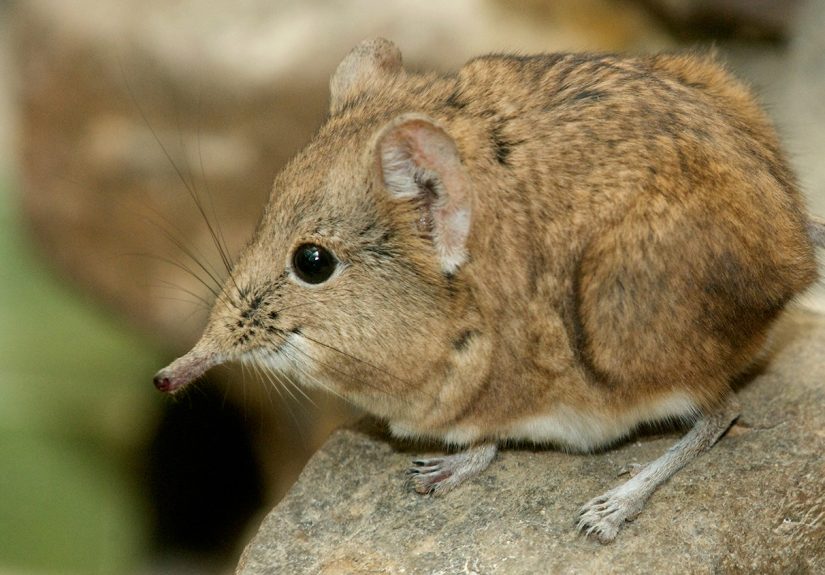
At first glance, a sengi looks like a furry puffball with bead-like eyes, oversized ears, skinny legs, and a miniature trunk stuck on the front. It is cute in an almost suspicious way, like nature made it in a hurry and accidentally created one of the most charmingly odd animals on Earth. But this tiny creature is more than a meme-ready face. It is fast, ancient, scientifically fascinating, and much stranger than its nickname suggests.
So yes, the headline is dramatic. But in this case, the drama is earned. The “ball of fur with an elephant’s trunk” is real, and it belongs to a group of African mammals that have been confusing, delighting, and surprising scientists for generations. Here is what makes the sengi such a wonderful little biological plot twist.
Meet the Sengi, the Tiny Mammal With a Very Confusing Name
The animal most people are talking about when they use that headline-friendly description is a sengi, commonly called an elephant shrew. The word “sengi” is often preferred because it is more accurate and avoids the biggest misconception right away: this animal is not a true shrew. It only looks vaguely shrew-like in the same way a toy race car vaguely looks like a real one. The resemblance is there, but the story under the hood is completely different.
Sengis are small mammals found in Africa, and they are famous for one feature above all others: their long, flexible snout. That snout is not just there for style points. It is a practical tool for sniffing out prey, poking into leaf litter, and exploring crevices. Their nostrils sit right at the end, turning the whole thing into a wonderfully wiggly bug-detecting instrument.
Depending on the species, sengis range from very tiny, mouse-sized forms to larger giant sengis that are still small compared to most mammals but look extra dramatic thanks to their bright coats and long noses. Some species live in rocky desert habitats, others in scrubland, and some on forest floors where they dart around like fuzzy little arrows.
Not a Shrew, Not a Mouse, and Definitely Not a Plush Toy
One of the best facts about the elephant shrew is that it is not especially close to true shrews at all. The name stuck because early observers focused on appearance, and to be fair, the animal does look like a shrew that got overly ambitious with its nose. But modern classification tells a much wilder story.
Sengis belong to the order Macroscelidea, and they are part of a larger mammalian group called Afrotheria. That same broader branch includes animals such as elephants, aardvarks, hyraxes, golden moles, and sea cows. So the elephant part of “elephant shrew” turns out to be less ridiculous than the shrew part. Biology loves a twist ending.
This is one reason the sengi keeps popping up in science writing and animal roundups. It is cute, yes, but it also completely wrecks lazy assumptions about how animals are related. If you judged family trees by vibes alone, you would never guess where this little fur orb belongs.
Why This Tiny Creature Looks So Unbelievably Cute
The sengi’s charm is almost aggressively efficient. It has giant dark eyes, soft fur, delicate feet, rounded ears, and a compact body that gives it that “living cotton ball” look. Then there is the nose, which somehow makes the whole face even better instead of less adorable. Most animals would struggle to pull off “mini trunk,” but the sengi manages it with absurd confidence.
Part of the appeal comes from contrast. The body says hamster. The legs say sprinter. The nose says cartoon elephant. The result is a tiny animal that feels designed to confuse your brain and win your affection at the same time.
Some species take the cuteness in different directions. The Etendeka round-eared sengi, for example, has an especially tiny, compact appearance that makes it look like a pebble with whiskers. Other species, like the black-and-rufous sengi or the golden-rumped sengi, are more dramatic and colorful, with bolder patterns that make them look like someone gave a woodland toy a high-fashion makeover.
And yet, for all their sweetness, sengis are not clumsy or helpless. They are alert, highly tuned to danger, and built to move. That combination of adorable looks and serious athletic skill is a big part of their appeal. They look like they should be starring in a children’s book, but they move like they have deadlines.
How Sengis Actually Live
Fast Feet, Tiny Trails, and a Nose for Lunch
Sengis are mostly insect-eaters, and they spend their time searching for ants, beetles, termites, spiders, and other small prey. Their long snouts help them probe the ground and leaf litter, while their tongues help pull food into their mouths. In other words, that famous nose is not a weird decorative extra. It is the star employee.
Many species also maintain little trail systems through their territory. Yes, actual cleared runways. They remove debris so they can zip along familiar paths when foraging or fleeing danger. Imagine having a tiny personal highway network through the underbrush because being cute is not enough and you also need a tactical escape plan.
These mammals are known for being quick, nervous, and extremely alert. Some species are active during the day, some lean crepuscular, and some become active at night depending on habitat and temperature. But across the group, one thing stays consistent: they are not interested in hanging around in the open for long.
Social, But Only in a Very Specific Sengi Way
Sengis have one of those animal social systems that sounds romantic until you look closer. Many species are described as socially monogamous, meaning a male and female may share or defend overlapping territory. But that does not mean they spend the day frolicking side by side like a woodland rom-com couple.
In many cases, they are still mostly solitary in their day-to-day routines. They forage alone, rest separately, and keep tabs on their area with scent marking and regular patrols. It is less “constant cuddle buddies” and more “we have boundaries, but the relationship is official.”
Their young are another surprise. Baby sengis are precocial, which means they are born relatively well developed. They are not helpless pink jellybeans. They can move around early, and in some species the mother uses a low-contact nursing system that researchers have described as fairly minimal compared to many other small mammals. The parenting style is less helicopter and more efficient drop-in service.
Where These Tiny Mammals Live
Sengis are native to Africa and occupy a surprisingly wide variety of habitats. Some live in arid, rocky landscapes. Others use woodland, scrubland, savanna, or forest floor habitats. This is one reason the group continues to fascinate mammalogists: across very different environments, sengis remain recognizably sengi-shaped, but species have adapted in subtle ways to the places they call home.
The tiny Etendeka round-eared sengi of Namibia helped remind the world that even small mammals can still hide in plain sight. Its discovery made headlines because it showed that even in a reasonably well-studied age, there are still mammals out there capable of sneaking past human attention for a very long time.
The Somali sengi created another scientific jolt when modern fieldwork provided new records after the species had long been considered effectively lost from living observation. That kind of rediscovery is thrilling because it shows how much remains to be learned about animals that are tiny, fast, camouflaged, and easy to miss.
Then there are the forest species, including giant sengis from East Africa, which use the leaf-littered ground layer like a high-speed insect buffet. Some of them build or use shallow nest sites hidden under vegetation, helping them disappear into the landscape even when they are not moving.
The Evolutionary Plot Twist That Makes Sengis Even Better
If the sengi were merely adorable, that would be enough. But evolution decided to make it academically entertaining too. For years, animals like sengis were grouped by superficial similarities, and the long-standing nickname “elephant shrew” reflects that older style of thinking. Once researchers had better anatomical and genetic evidence, the story changed.
Today, sengis are recognized as part of an African mammal lineage that is much more surprising than their name suggests. Their broader relatives include elephants, aardvarks, hyraxes, golden moles, and manatees. Suddenly that bizarre trunk starts feeling less like a random design joke and more like a tiny wink from evolution.
This does not mean a sengi is a miniature elephant in any practical sense. It does mean that appearances can be wildly misleading in biology. Convergent evolution and old naming habits have a way of making animals seem more familiar than they really are. The sengi is a perfect reminder that nature does not care whether humans find the labels convenient.
Why Scientists Are Still Paying Close Attention
Sengis may be small, but they are not biologically boring. In fact, they are the kind of animals scientists love because they keep refusing to stay simple. New species and subspecies have been described in recent decades. Previously overlooked specimens in museum collections have turned out to matter. Field surveys have expanded known ranges. Taxonomy has shifted. Conservation questions remain active.
And then there is the delightful curveball of pollination. Recent reporting has highlighted elephant shrews as unexpected pollinators while they feed from flowers. Their long snouts can pick up pollen and transfer it from bloom to bloom. So now the same animal that looks like a tiny plush toy crossed with a novelty trumpet also gets to moonlight as a pollinator. Overachiever behavior, honestly.
Scientists also study sengis because they can reveal broader ecological patterns. How do small mammals use space in deserts versus forests? How do trail systems reduce predation risk? How do subtle skull, coat, or behavioral differences signal species boundaries? These questions matter beyond one cute mammal group. Sengis help researchers understand evolution, habitat use, adaptation, and biodiversity at a finer scale.
Why the Internet Can’t Resist This Tiny “Trunk-Faced” Animal
The internet loves two categories of animals more than almost anything else: the obviously majestic and the gloriously weird. Sengis manage to be both. They are not huge or fierce or cuddly in the pet sense. Instead, they hit the sweet spot of “Is this real?” energy.
That is why headlines describing them as a “ball of fur with an elephant’s trunk” work so well. It is funny, visual, and basically true. But the deeper reason people keep sharing photos of them is that the sengi feels like a secret. It looks like the kind of animal you assume must have been invented for a fantasy movie, only to discover it has been sprinting around African habitats the whole time with no interest in your disbelief.
There is also something refreshing about an animal that does not need embellishment. You do not have to exaggerate the sengi. The face is already ridiculous in the best way. The science is already surprising. The name is already a conversation starter. The article basically writes itself, which is convenient for everyone except maybe the editor trying to stop people from typing “tiny trunk bean” in every paragraph.
Experiences Related to “This Cute, Minuscule Creature Looks Like A Ball Of Fur With An Elephants Trunk!”
One reason the sengi leaves such a strong impression is that the experience of seeing one, even indirectly through field notes, camera trap images, museum records, or zoo interpretation, tends to feel slightly unreal. People expect tiny mammals to fit into familiar categories. Mouse, shrew, rat, maybe gerbil if they are feeling generous. Then a sengi shows up and ruins the filing system.
For wildlife watchers, the first reaction is usually visual confusion followed by immediate affection. The body looks soft and rounded, the eyes look oversized for the face, and the nose seems almost too expressive to belong to such a small animal. Even still photographs often have that effect. The animal appears to be in the middle of either asking a question or politely judging you. That gives the sengi unusual charisma for a creature many people had never heard of five minutes earlier.
For researchers, the experience is often the opposite of cozy cuteness. Sengis are fast, shy, and not especially interested in offering long viewing sessions. In the field, they can be blink-and-you-miss-it animals. That is part of the thrill. Finding one means paying attention to habitat, movement patterns, tiny signs of occupancy, and sometimes the difference between “empty patch of ground” and “small mammal escape route hidden in plain sight.” A sengi encounter can feel less like bumping into wildlife and more like solving a tiny, sprinting mystery.
The museum experience is different again, but just as fascinating. Some of the modern attention on sengis has been shaped by old specimens that sat quietly in collections until someone realized they were more important than anyone first thought. That creates a wonderful contrast: the animal feels energetic and fleeting in life, yet part of its scientific story depends on patience, drawers, labels, and careful comparison. In a strange way, the sengi invites both adrenaline and meticulousness.
There is also the experience of realizing how quickly affection can turn into curiosity. At first, people are drawn in by the “tiny fur ball with a trunk” effect. Then they learn the animal is not a true shrew. Then they learn it is related within a broader lineage that includes elephants. Then they hear about trail systems, rediscovered species, desert specialists, forest dwellers, and unexpected pollination. Somewhere along the way, a cute photo becomes a lesson in evolution, ecology, and how limited human assumptions can be.
Even for casual readers, the sengi offers a specific kind of delight: the pleasure of discovering that the natural world still has surprises left. In an age when people often assume every remarkable animal is already famous, the sengi arrives like a quiet rebuttal. Here is a real mammal, alive right now, with a toy-like face, a high-speed lifestyle, a misleading name, and a family story weird enough to make science teachers grin. That is a memorable experience, even from a laptop screen.
And perhaps that is the deepest appeal of all. The sengi reminds us that wonder does not always come in giant packages. Sometimes it arrives as a tiny animal on skinny legs, carrying a face that looks half plushie and half prototype, and invites us to look a little closer. Usually, that closer look ends with the same conclusion: this ridiculous little creature is amazing.
Final Thoughts
The sengi proves that nature has a wicked sense of humor and excellent design instincts. It looks like a ball of fur with an elephant’s trunk because, in a very real sense, it is exactly that kind of delightful contradiction. But behind the cuteness is a genuinely remarkable animal: fast, alert, ancient, scientifically important, and still capable of surprising experts.
So the next time someone shares a photo of a tiny creature that looks photoshopped by an overly enthusiastic cartoonist, do not dismiss it. It may just be a sengi, quietly reminding the rest of the mammal world that you do not have to be enormous to be unforgettable.