Table of Contents >> Show >> Hide
- What Is a Tovaglia Agugliata Table Cloth?
- Why This Tablecloth Style Feels So Timeless
- Key Features of a Tovaglia Agugliata Table Cloth
- How to Choose the Right Size
- How to Style a Tovaglia Agugliata Table Cloth
- Best Colors and Decor Pairings
- Care and Cleaning Tips
- How to Store the Tablecloth Properly
- Is the Tovaglia Agugliata Table Cloth Worth It?
- Buying Tips Before You Choose One
- Common Mistakes to Avoid
- Real-Life Experiences With the Tovaglia Agugliata Table Cloth
- Conclusion
The Tovaglia Agugliata Table Cloth sounds like something you might discover in a sunlit Italian villa, folded neatly in a wooden linen cabinet beside silver flatware, hand-painted plates, and exactly one relative who insists the sauce needs “just a little more basil.” In plain English, tovaglia means tablecloth, and agugliata is connected to the idea of needlework or needle-punched texture. Together, the phrase points to a table linen that is not just a protective layer for your dining table, but a small design statement with roots in Italian craft, textile tradition, and everyday hospitality.
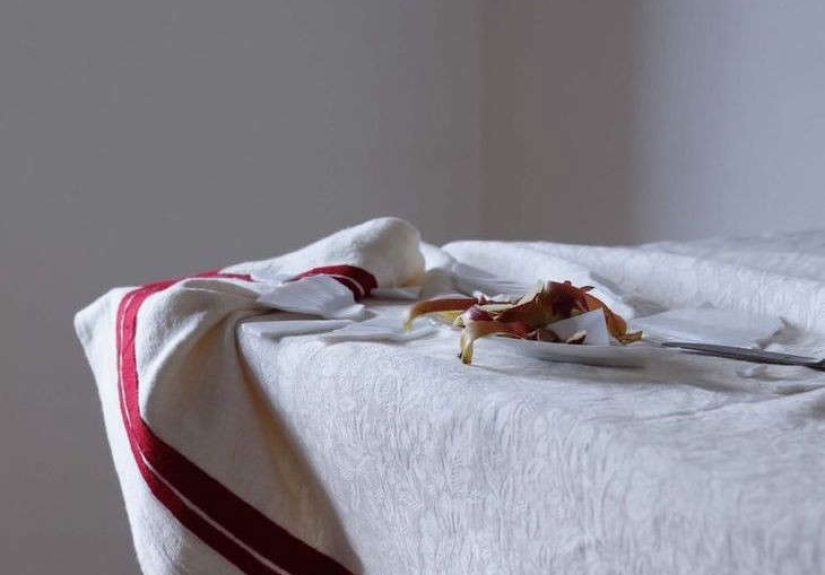
More specifically, the Tovaglia Agugliata Table Cloth has been associated with a linen-and-cotton jacquard tablecloth finished with needle-punched embroidered stripes. That detail matters. A basic tablecloth covers a table. This kind of tablecloth dresses it, gives it character, and politely asks your dinner guests to stop setting wet glasses directly on the wood.
Whether you are styling a cozy kitchen breakfast, hosting a holiday dinner, or trying to make takeout pizza look like a lifestyle-magazine moment, a textured Italian tablecloth can do a surprising amount of heavy lifting. It adds softness, protects the surface, frames the meal, and makes even mismatched dishes look intentional. That is the magic of good table linen: it turns “we’re eating at the table” into “welcome, stay a while.”
What Is a Tovaglia Agugliata Table Cloth?
A Tovaglia Agugliata Table Cloth is best understood as an Italian-inspired table linen with a textured, handcrafted look. The word tovaglia is Italian for tablecloth, while agugliata suggests a needle-related finish. In textile language, this often points toward needle-punched, stitched, or embroidered surface detail. When paired with a linen-and-cotton jacquard base, the result is a tablecloth that feels both rustic and refined.
Jacquard fabric is woven so that the pattern is built directly into the cloth rather than printed on top. That means the design has depth and structure. Add embroidered or needle-punched stripes, and the tablecloth gains a tactile quality that catches light, creates shadow, and makes the table feel layered before you even add plates.
This is different from a plastic-coated tablecloth, a thin printed cotton cloth, or a purely decorative runner. A Tovaglia Agugliata-style cloth belongs in the category of table linens that are practical enough for real meals yet attractive enough for special occasions. It does not scream for attention. It gives the table a confident little wink.
Why This Tablecloth Style Feels So Timeless
The appeal of the Tovaglia Agugliata Table Cloth comes from its blend of old-world charm and modern usability. Italian table linens have long been associated with family meals, craftsmanship, and the art of making simple food feel generous. A linen-cotton cloth with woven texture fits beautifully into that tradition.
Linen brings a relaxed elegance. It is breathable, naturally textured, and known for that slightly rumpled look that says, “I am stylish, but I am not trying too hard.” Cotton adds softness, durability, and washability. Together, linen and cotton create a fabric blend that feels more approachable than formal damask but more elevated than everyday polyester.
The embroidered stripe detail also makes the cloth easy to style. Stripes add structure without overpowering the table. They work with white plates, handmade ceramics, wood boards, glassware, brass candlesticks, and simple napkins. In other words, this tablecloth plays nicely with others. It is the dinner guest who brings dessert and helps clear plates.
Key Features of a Tovaglia Agugliata Table Cloth
Linen and Cotton Construction
A linen-cotton blend is one of the most useful materials for a quality tablecloth. Linen gives texture, elegance, and a natural drape. Cotton provides comfort, flexibility, and easier care. This combination makes the cloth suitable for regular use while still feeling special enough for birthdays, Sunday lunches, dinner parties, and holidays.
Jacquard Weave
The jacquard weave is a major part of the tablecloth’s visual richness. Because the pattern is woven into the fabric, the design feels integrated rather than added as an afterthought. This gives the cloth a more substantial, heirloom-style quality.
Needle-Punched Embroidered Stripes
The needle-punched or embroidered stripe detail is what makes the Tovaglia Agugliata Table Cloth stand out. The stripes add rhythm and texture, creating a handcrafted look that feels warm instead of stiff. If plain tablecloths are the quiet background singers of table decor, this one gets a tasteful solo.
Italian Craft Influence
Italian table linens often balance beauty with utility. They are designed for meals, not museum cases. A Tovaglia Agugliata-style cloth reflects that approach: beautiful, touchable, and made for gatherings where someone will absolutely spill olive oil.
How to Choose the Right Size
Before buying or styling any tablecloth, size matters. Too small, and the cloth looks like it borrowed the table’s jacket. Too large, and guests may end up wearing it every time they pull out a chair.
A commonly referenced version of the Tovaglia Agugliata Table Cloth measures about 52.5 inches long by 66 inches wide. That size works best for small rectangular tables, square tables, breakfast nooks, compact dining areas, or layered table settings where the cloth is used more decoratively.
To estimate the best tablecloth size, measure the length and width of your table, then add the desired drop on each side. For casual dining, a drop of about 6 to 8 inches often looks relaxed and practical. For more formal dining, 10 to 12 inches gives a more elegant drape. For dramatic event styling, floor-length cloths are possible, but they are not always practical unless you enjoy tripping hazards with your appetizers.
How to Style a Tovaglia Agugliata Table Cloth
For Everyday Dining
For daily meals, keep the styling simple. Pair the tablecloth with neutral stoneware, clear drinking glasses, and cloth napkins in cream, oatmeal, gray, or muted blue. Let the stripes provide the design interest. A small bowl of lemons, a vase of herbs, or a wooden salt cellar can be enough to finish the look.
For a Rustic Italian Dinner
For an Italian-inspired dinner, lean into warmth. Add terracotta plates, olive wood serving boards, wine glasses, and a centerpiece of fresh basil or rosemary. Serve pasta, roasted vegetables, bread, and olive oil. The tablecloth will make the whole meal feel more generous, even if the pasta sauce came from a jar. No judgment. We have all been there.
For a Modern Minimalist Table
If your style is clean and modern, use the Tovaglia Agugliata Table Cloth as a soft contrast. Pair it with matte white dishes, black flatware, and low-profile glassware. Skip fussy centerpieces and choose one sculptural vase or a line of simple candles. The textured stripes will prevent the setting from feeling cold.
For Holidays and Special Occasions
For Thanksgiving, Christmas, Easter, or a special birthday dinner, layer the tablecloth with seasonal accents. Try brass candlesticks, linen napkins, small floral arrangements, or place cards. Because the cloth already has texture, you do not need to overdecorate. A good rule: if the table starts looking like a craft store exploded, remove three things.
Best Colors and Decor Pairings
A textured Italian tablecloth works best when paired with materials that feel natural and grounded. Think ceramic, wood, glass, brass, rattan, stoneware, and linen napkins. Avoid overly shiny plastic accessories or loud patterns that compete with the woven and embroidered details.
For a soft neutral look, combine the cloth with ivory plates, beige napkins, and clear glassware. For a bolder table, add dark green napkins, navy plates, or deep burgundy flowers. If the tablecloth has subtle stripes, you can repeat that linear element with striped napkins or ribbed glassware, but keep the palette calm so the design does not become too busy.
One of the best things about a linen-cotton jacquard tablecloth is its flexibility. It can look farmhouse, coastal, European, romantic, traditional, or modern depending on what you place on top of it. The cloth is the foundation; the dishes tell the story.
Care and Cleaning Tips
A quality tablecloth should be used, not feared. Still, a fabric with linen, cotton, jacquard texture, and embroidered details deserves thoughtful care. Always check the care label first, especially if the piece is vintage, handmade, or imported.
For many linen-cotton tablecloths, machine washing on a gentle cycle with mild detergent is appropriate. Wash with similar colors and avoid harsh bleach, which can weaken fibers or discolor embroidery. If there are stains, treat them as soon as possible. Red wine, tomato sauce, and coffee are much easier to remove before they decide to become permanent residents.
Air drying is often the safest option, though some machine-washable table linens can be tumble dried on low. Remove the cloth while slightly damp and smooth it by hand to reduce wrinkles. If you want a crisp finish, iron on the appropriate setting while the cloth is still faintly damp. For a more relaxed look, embrace the natural texture. Linen wrinkles are not a flaw; they are basically the fabric’s personality.
How to Store the Tablecloth Properly
Storage is where many beautiful linens quietly suffer. Folding a tablecloth the same way every time can create permanent crease lines, especially in natural fibers. If you have room, store the cloth flat. If not, fold it loosely and change the fold lines occasionally.
For long-term storage, make sure the tablecloth is completely clean and dry. Food residue can attract pests, and moisture can lead to mildew. Avoid plastic bags for extended storage because fabric needs to breathe. Cotton storage bags, clean muslin, or acid-free tissue are better options for treasured linens.
Keep the cloth away from direct sunlight, which can fade fabric and weaken fibers over time. A linen closet, drawer, or breathable storage box works well. Bonus points if your linen closet is organized. Extra bonus points if opening it does not trigger an avalanche of fitted sheets.
Is the Tovaglia Agugliata Table Cloth Worth It?
The Tovaglia Agugliata Table Cloth is worth considering if you appreciate texture, natural materials, and timeless table styling. It is especially appealing for people who want a tablecloth that feels distinctive without being overly formal. The linen-cotton blend, jacquard weave, and embroidered stripe detail give it more personality than a basic solid cloth.
It may not be the right choice if you need a stain-proof table covering for heavy outdoor use, toddlers with grape juice, or craft projects involving glitter. In those cases, a coated cotton or wipe-clean tablecloth may be more practical. But for dining, entertaining, and creating a warm home atmosphere, this style offers an excellent balance of beauty and function.
Think of it as a bridge between everyday living and special-occasion charm. You can use it for a casual breakfast, then dress it up for a candlelit dinner. That versatility is what makes good table linen valuable. It does not just sit in a drawer waiting for “company.” It becomes part of the rhythm of the home.
Buying Tips Before You Choose One
When shopping for a Tovaglia Agugliata-style tablecloth, look closely at the material description. Linen and cotton blends are ideal if you want natural texture and practical care. Check whether the pattern is woven, embroidered, printed, or applied. Woven and embroidered details usually provide more dimension and durability.
Next, confirm the dimensions. A beautiful tablecloth that does not fit your table is just a very elegant fabric rectangle with commitment issues. Measure your table before purchasing and consider how much drop you prefer.
Also examine the edges and seams. Quality table linens often have clean hems, stable stitching, and balanced pattern placement. If the cloth includes embroidery, check that the threadwork is even and secure. For vintage or secondhand pieces, inspect for stains, thinning fabric, pulled threads, and discoloration.
Finally, choose a style you will actually use. A tablecloth should not be so precious that it lives forever in a drawer. The best one is beautiful enough to make dinner feel special and practical enough to survive dinner.
Common Mistakes to Avoid
Choosing the Wrong Size
A tablecloth that barely reaches the table edges can look accidental. One that hangs too low can interfere with chairs and laps. Measure first, then buy.
Overloading the Table
Because the Tovaglia Agugliata Table Cloth already has texture, avoid piling on too many competing patterns. Let the cloth breathe. Your table should look styled, not buried.
Ignoring Stains Too Long
Natural fabrics are forgiving, but they are not magical. Treat spills quickly. Blot, do not rub, and wash according to the care label.
Saving It Only for Special Occasions
Beautiful linens become more meaningful when they are used. A textured tablecloth can make an ordinary Tuesday dinner feel warmer, and Tuesday deserves nice things too.
Real-Life Experiences With the Tovaglia Agugliata Table Cloth
The first thing you notice when using a Tovaglia Agugliata Table Cloth is how quickly it changes the mood of the room. A bare table can look clean and modern, but once this kind of linen-cotton cloth goes down, the table feels softer, more inviting, and somehow more intentional. It is the difference between “food will be consumed here” and “people might actually linger after dessert.”
In a small kitchen, this style of tablecloth works especially well because it adds character without requiring new furniture, wall paint, or an emergency design budget. A compact table with a textured Italian cloth, two simple plates, and a small vase of grocery-store flowers can suddenly look like a charming breakfast corner. Even toast looks more sophisticated. Burnt toast? Slightly less sophisticated, but the tablecloth still helps.
For casual family meals, the cloth creates a sense of ritual. It tells everyone that dinner is happening at the table, not over the sink, not in front of a laptop, and not while standing in the refrigerator light debating shredded cheese. The embroidered stripes give the setting enough visual interest that you do not need elaborate decor. Add napkins, plates, and one shared dish in the center, and the table feels complete.
During dinner parties, a Tovaglia Agugliata-style cloth becomes a quiet conversation starter. Guests may notice the texture, the woven pattern, or the relaxed drape. It has that “Where did you find this?” quality that hosts secretly love. The best part is that it does not feel stiff or untouchable. People are comfortable eating on it, passing bowls across it, and setting down glasses without feeling like they are disturbing a museum exhibit.
It also photographs beautifully. For anyone who enjoys sharing food, recipes, or home decor online, the subtle texture creates a better background than a flat, plain surface. Bread, fruit, ceramics, flowers, and candles all look richer against woven linen and cotton. The cloth adds depth without stealing the spotlight from the food.
One practical experience worth mentioning: wrinkles are part of the charm. If you want a perfectly crisp restaurant look, you may need to iron it. But for most homes, the slightly relaxed texture is exactly what makes the table feel warm and lived-in. The key is to smooth the cloth after washing and store it carefully so the wrinkles look casual rather than chaotic.
Another lesson is that this tablecloth rewards simple styling. The more you try to add, the less special it can feel. A few thoughtful pieces work better than a crowded table. White plates, linen napkins, a wooden serving board, and one candle can be enough. Let the fabric do what it does best: create atmosphere.
Over time, a tablecloth like this can become part of family memory. It appears under birthday cakes, Sunday pasta, holiday roasts, late-night tea, and maybe one dramatic board-game argument. That is the real beauty of a good table linen. It is not just decoration. It becomes the background for the meals people remember.
Conclusion
The Tovaglia Agugliata Table Cloth is more than a pretty dining accessory. It combines Italian-inspired textile tradition, natural linen-cotton texture, jacquard weaving, and embroidered stripe detail into a tablecloth that feels elegant, useful, and full of personality. It can dress up a formal dinner, soften a modern kitchen, or make a simple family meal feel a little more special.
If you love table linens with character, this style is a strong choice. It protects the table, improves the tablescape, and brings a handcrafted feeling to everyday dining. Choose the right size, care for it properly, and do not be afraid to use it. A beautiful tablecloth earns its charm one meal, one spill, and one good conversation at a time.
Note: This article is written for web publishing and is based on real table-linen, textile-care, Italian tablecloth, and home-styling information. Always follow the care label on the specific tablecloth you own or plan to purchase.